



25
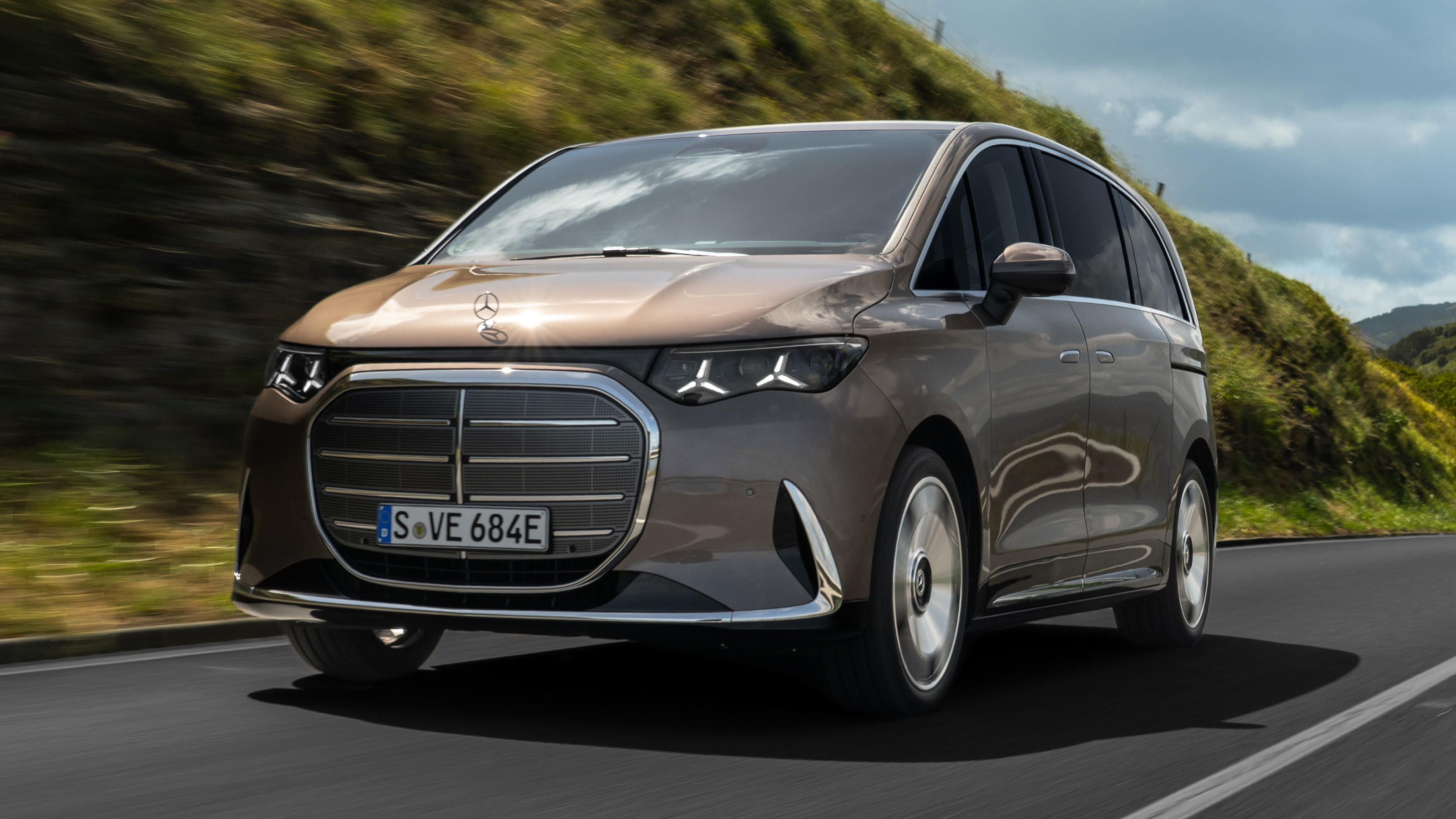
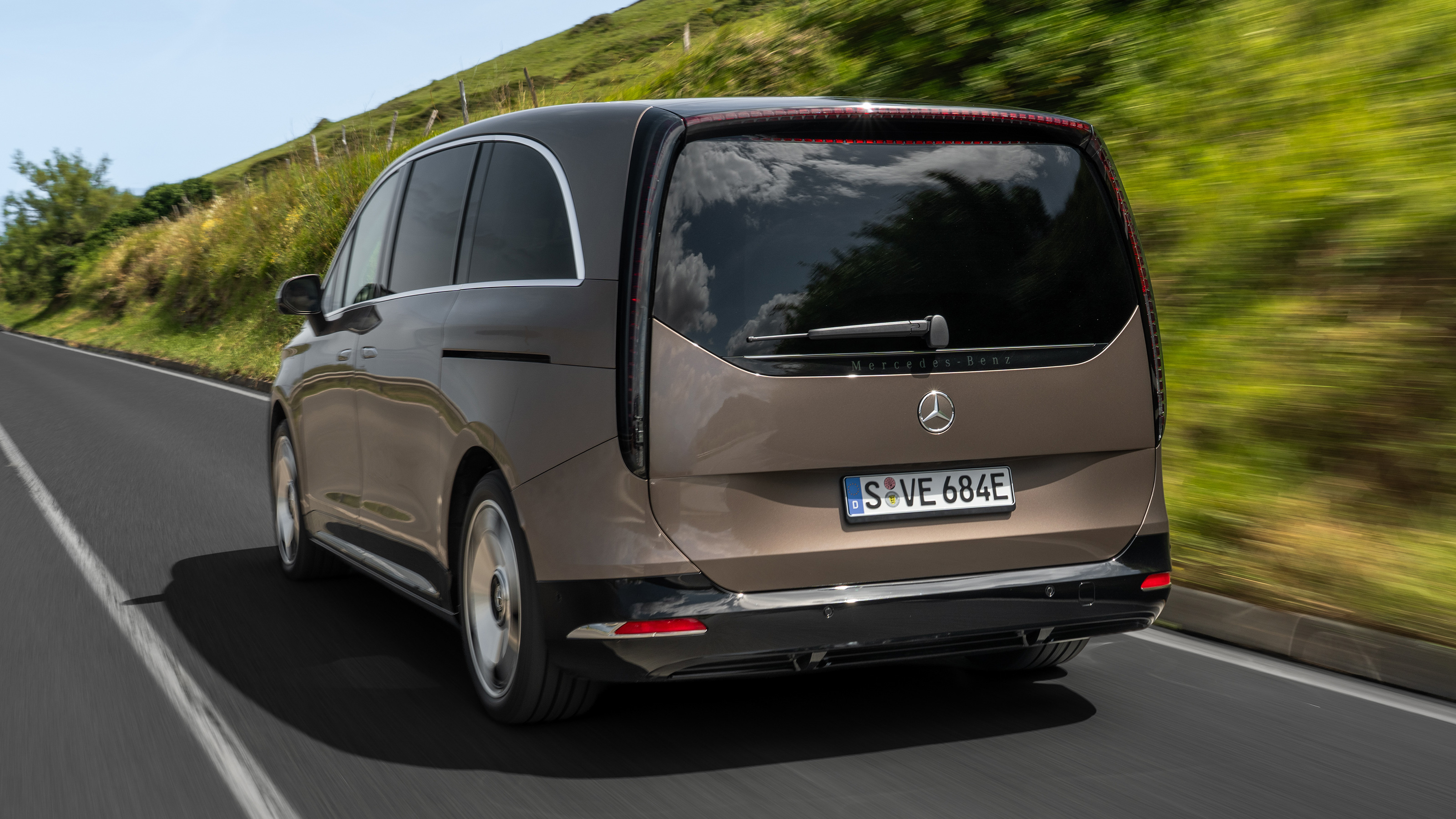
Okay, so it’s van-shaped, but that’s practicality oozing out of the design studio’s CAD machines; do not be deceived.
The VLE uses Google map data to read the road ahead and play with the AirMatic air suspension. A suspension that can vary its ride-height 40mm away from the standard setting, giving some 80mm of variance. So the car will triangulate its position and lower or raise the car accordingly. Low for motorway efficiency, higher for urban comfort. Intelligent damping takes care of the rest.
It works, too – although as mentioned, drive it too hard over multiple bumps and the compact rear suspension can ultimately run out of travel. But even so, it’s a thump rather than a crash – it really does ride something like a Range Rover. As long as you’re not on the 23-inch wheels. Because even though the G-Wagen-esque monoblocks look absolutely fantastic, they do smack of style over substance. The marketing department may have got their way with those wheels, but for once, we do agree.
The seven-degree rear-steer also helps the VLE feel far more nimble than it has any right to – at 10.9 metres, the turning circle is the same as the much smaller CLA saloon. That not only helps during parking and general manoeuvring where the rear wheels turn in opposition to the fronts, but with the rear wheels turning in the same direction on a motorway lane-change or fast corner, it lends the car a feeling of rock-sold stability.
Range is good at 414 miles for the six-seat VLE 300, though you can get closer than most EVs to the WLTP thanks to surprising efficiency – our test vehicle on a warm day got 3.8-4.0 mi/kWh, which is brilliant for such a big thing.
Not fun, no. Mainly because the VLE is always mitigating its not-inconsiderable weight. The basic car is 3.5 tonnes, the more heavily kitted ones 3.7 without people or things in them. Eight up from the rugby club? This would be a 4.5 tonne car at least. That’s a lot of inertia. But it’s excellent for what it is.
The steering is light but well-weighted, the brakes strong and repeatable – it’s really good at soft stops in town (needed), and just as good at being modulated from higher speeds. No ‘feel’ as such, but you weren’t expecting the control surfaces of a sportscar anyway. The power delivery is smooth and reliable as you might expect, and there’s plenty enough go even in the VLE 300.
The 4Matic VLE 400 gets more power at over 400bhp vs the 300’s 272bhp and all-wheel drive, and yes, it’s a faster and more dynamic vehicle. It can tow more and would be much more suited to places where snow arrives in winter, plus you don’t lose any of that massive interior volume thanks to the clever packaging of the rear motor and suspension.
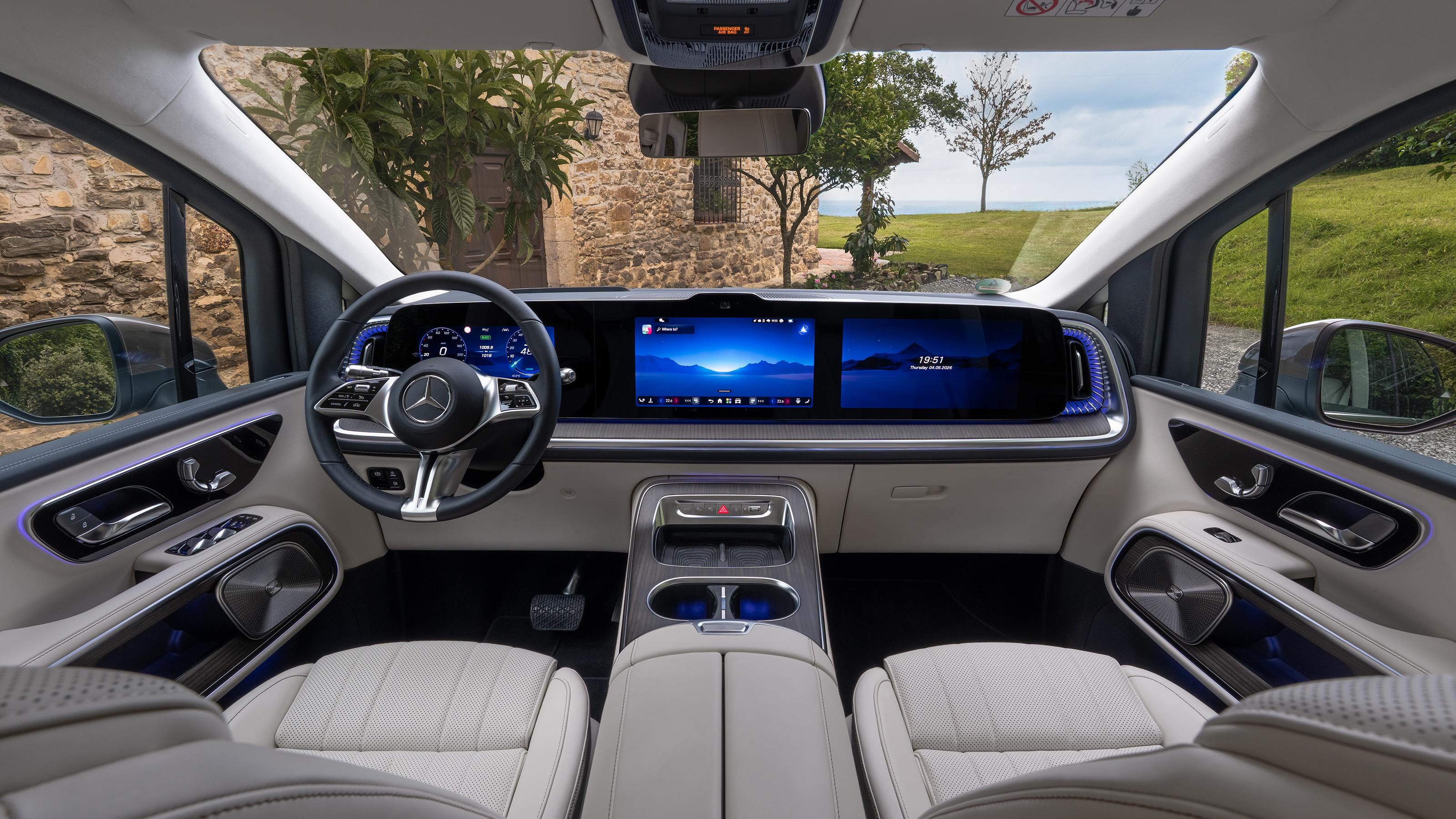
But for what the VLE is likely to do most of – moving people and things in comfort – you don’t really need it. Better to save some cash and spend it on bougie options.
Get all the latest news, reviews and exclusives, direct to your inbox.
