



25
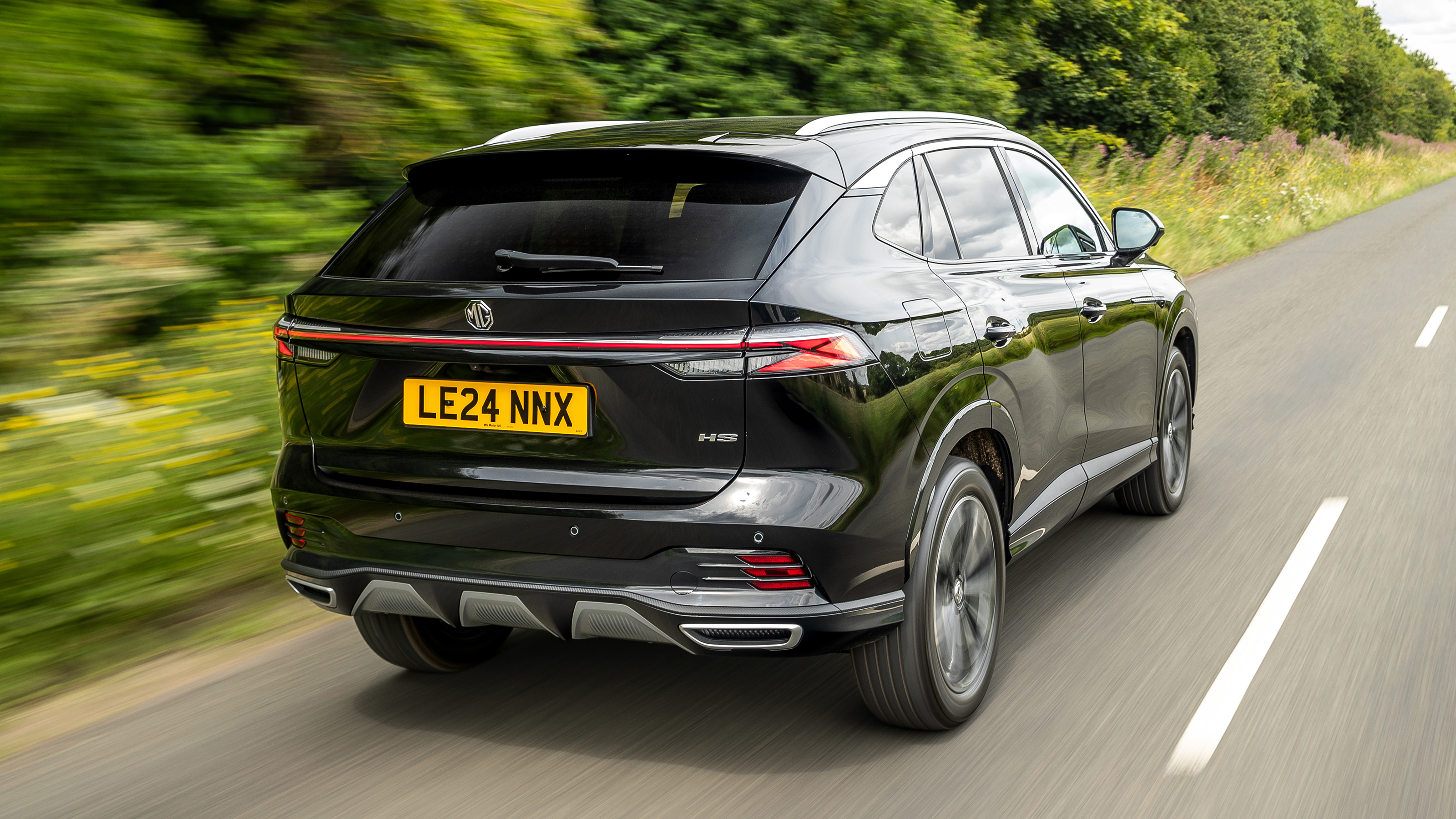
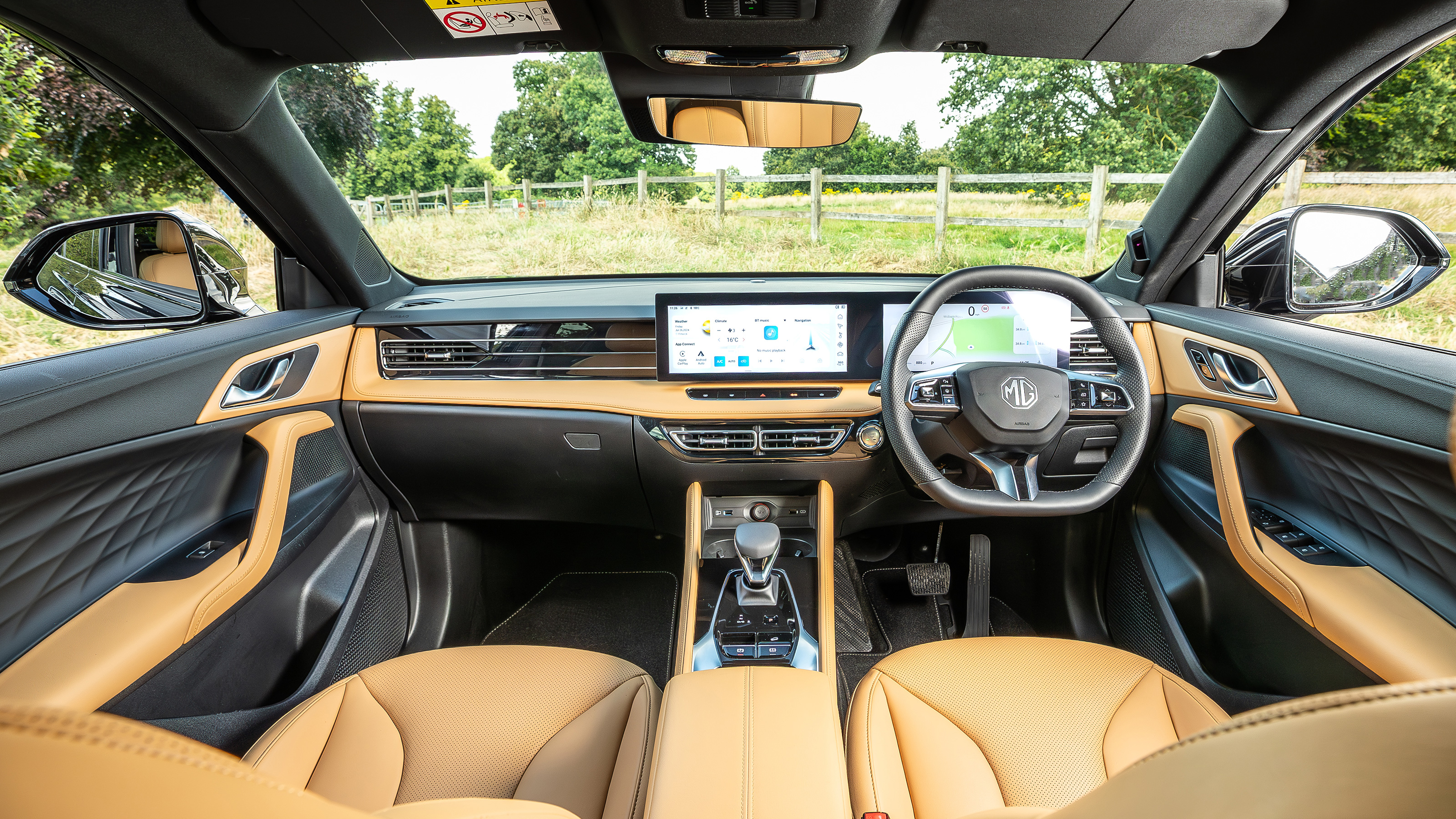
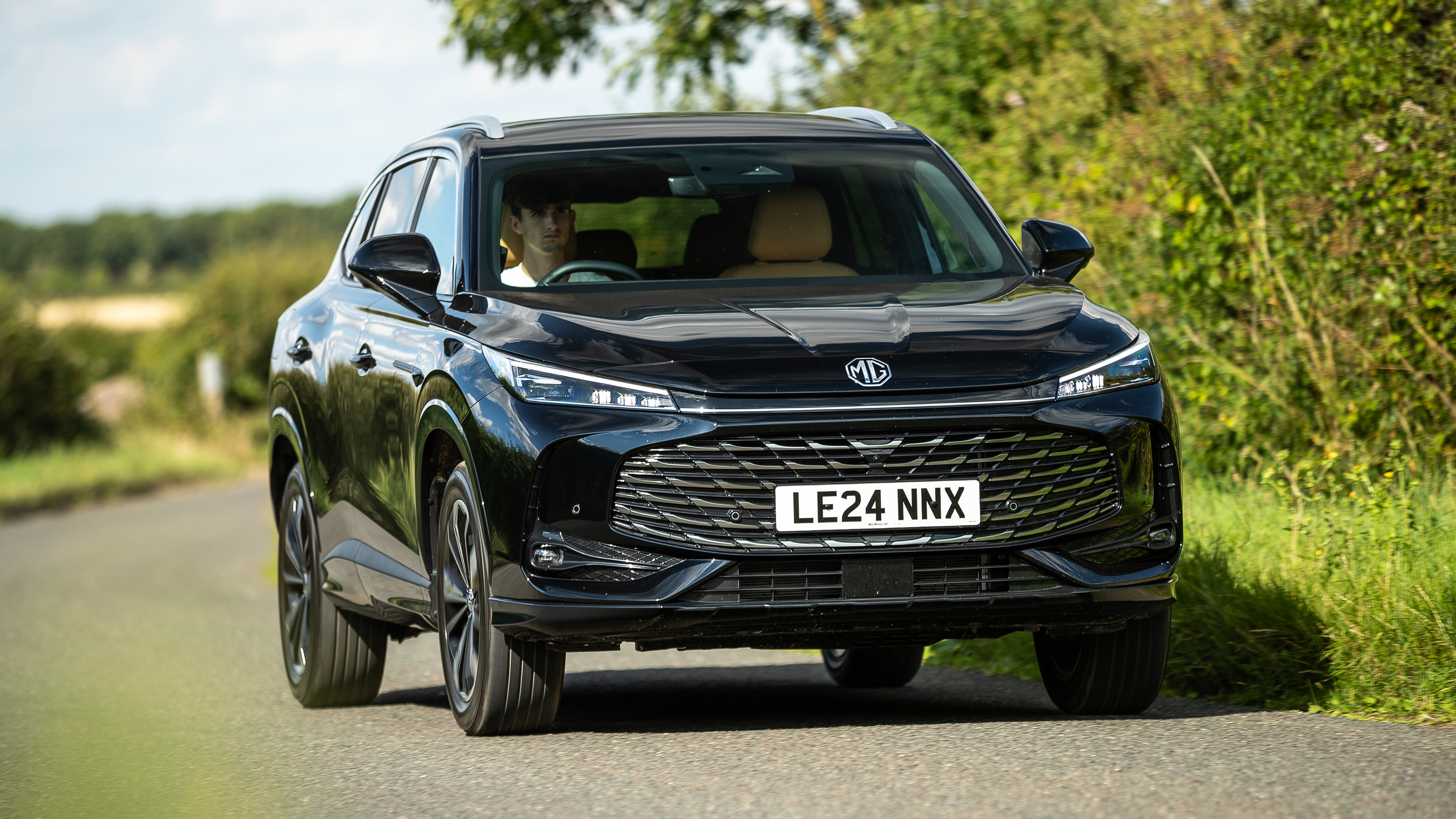
Visually, it’s a step up on its predecessor. And comfortable too, regardless of spec level, though the leather of Trophy trim really does lift the perception of quality, especially in its optional tan hue. Pair that with a manual transmission for an old school vibe to mimic the earlier, sportier chapters in MG history.
Materials are good overall, with proletarian plastics in some areas but some fancier flourishes – and even contrast stitching – to lift the ambience elsewhere.
There’s also abundant room. Adults will fit in the rear seats with ease; not only is there generous head- and legroom, but their feet tuck easily beneath the front seats. All powertrains offer 507 litres of luggage volume with the rear seats up, extending to 1,484 with them folded. Better than the old HS but middle of the pack among rivals. And is their identical luggage space down to the petrol being held back rather than the PHEV flourishing?
Both rows of seats get a pair of USB ports, albeit the increasingly outdated USB-A variety. It’s easy enough to order a few cables online, of course, but a downgrade might affect charging speed. Posher Trophy trim cars get wireless phone charging.
Apple CarPlay or Android Auto will sync seamlessly to the central touchscreen which is useful when MG’s own software is a bit bland. Alas, a militant removal of dashboard buttons means you’ll still flick between the two frequently if you want to operate any of the car’s own functions.
The lack of automatic aircon functionality in SE models really exacerbates this issue. On particularly hot days you’ll need to constantly fiddle to keep the cabin cool, toggling one notch at a time through 11 fan speeds and 18 temperature settings via an occasionally laggy touchscreen. Not cool. MG reckons 90 per cent of buyers will opt for the top trim (and its auto aircon), removing this issue, but the Cyberster has physical climate controls – so we know MG can do better ergonomics than this.
And it segues to a rather bigger complaint. The MG Pilot distraction alert bongs at you for a mere moment’s glance away from the road ahead, meaning the car has an overly fiddly system it then admonishes you for actually using. Meanwhile the speed limit recognition (and resulting bong for breaching limits) is incorrect the overwhelming majority of the time and seemingly blind to the UK national speed limit sign. We sailed out of villages with the HS assuming we were doing double the speed limit, while on other occasions, our test car deciphered a 10mph limit on a stretch of dual carriageway. Hopeless.
You can, but you must do so at the beginning of every journey. On early cars this was only possible via fiddly menus, though MG has tried to address this in MY25.5 versions with a custom function that allows you to set and switch to your preferred settings with two touches of the screen. Though the fact that the carmaker felt it was necessary to send us instructions explaining how to do this ahead of the arrival of our test car speaks volumes…
This complaint isn’t a sole reserve of MG, but this car does feel like an especially pertinent case study. And if it’s tedious to keep reading these complaints, well, it’s tedious to keep writing them. Successful safety systems supplement the driving experience. You don’t get into a car and feel compelled to disable its airbags or ABS, after all. But when a car’s dim-witted ergonomics cause you to trigger its own safety systems, it does rather sour the mood of an otherwise comfy, roomy cabin.
And while we’re talking safety own goals, there’s a notable blind spot caused by its chunky side mirrors calling for an extra second or two of checks before you pull out at junctions. If you’ve also got the delay of the DCT box to contend with, well…
Get all the latest news, reviews and exclusives, direct to your inbox.
