LAND ROVER
EV550 405kW Autobiography 119kWh 5dr Auto
£122,715
Drives well, comfortable lux, decent (though not revolutionary) range and charging
No spare wheel, not as good for towing as the combustion ones, an odour of vulgarity
Range Rover likes to set itself a challenge. A Range Rover melds extravagant luxury and refinement with an unstoppable appetite for traversing hostile terrain. Remarkably, it has met those contradictory tasks for five decades, stretching those two poles ever wider.
Its younger sibling, the Range Rover Sport, represents an even tougher ask. All the lux, all the off-roading – but a sportier drive too. Oh and at a lower price – though still a long way from cheap.
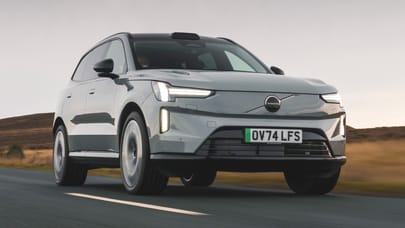
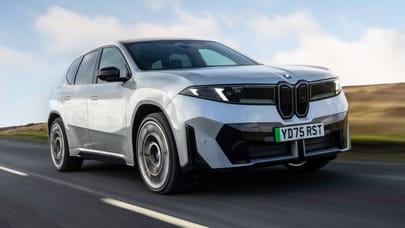
And now, just as with the big Range Rover, it has a full-electric option. That puts it into a competitive field. Porsche's Cayenne Electric, the BMW iX5, the Mercedes-AMG EQE 53 SUV, and Cadillac Lyriq V. The Volvo EX90 is more about relaxation, but it's in this field. Although none of these are as serious off the road.
The bald electric stats are these. No surprise they're shared with the big Range Rover. Two permanent-magnet drive motors serve up a total of 550bhp. They drink from a 118.5kWh (net) battery, running an 800-volt electrical system able to top out that battery from 10-80 per cent in just 22 minutes at a peak 350kW. Smaller car, bigger range? Not really: the Sport squeezes out only two miles extra versus its big brother. Still, 374 miles ain't bad at all.
Among those rivals, 374 miles is okay but not exceptional. The BMW has a much bigger pack and will go a staggering 525 miles; the Porsche is a smaller car with a smaller battery, but rated for slightly more range; the EQE 53 SUV falls woefully short of all of them, and seems to exist for the sole purpose of making other electric SUVs (including Mercedes' own GLC Electric) look good.
You hardly can. Its maker says buyers like the look of the combustion car and don't want their electric car to stand out. That's probably fair enough, but also gives them a handy excuse for saving the money of a redesign. A top-end Mercedes or BMW looks too much like a low-end Mercedes or BMW, especially on the inside.
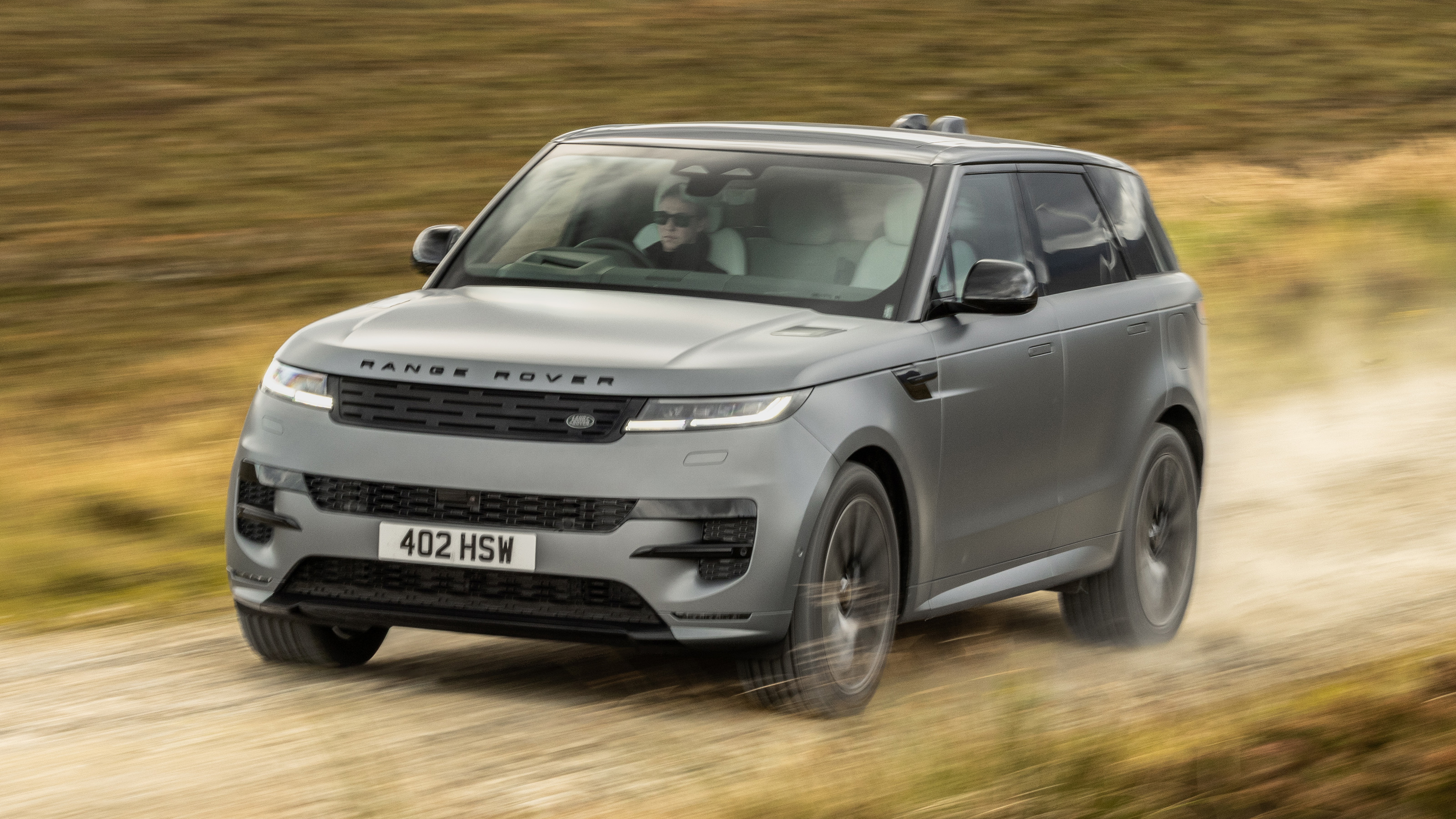
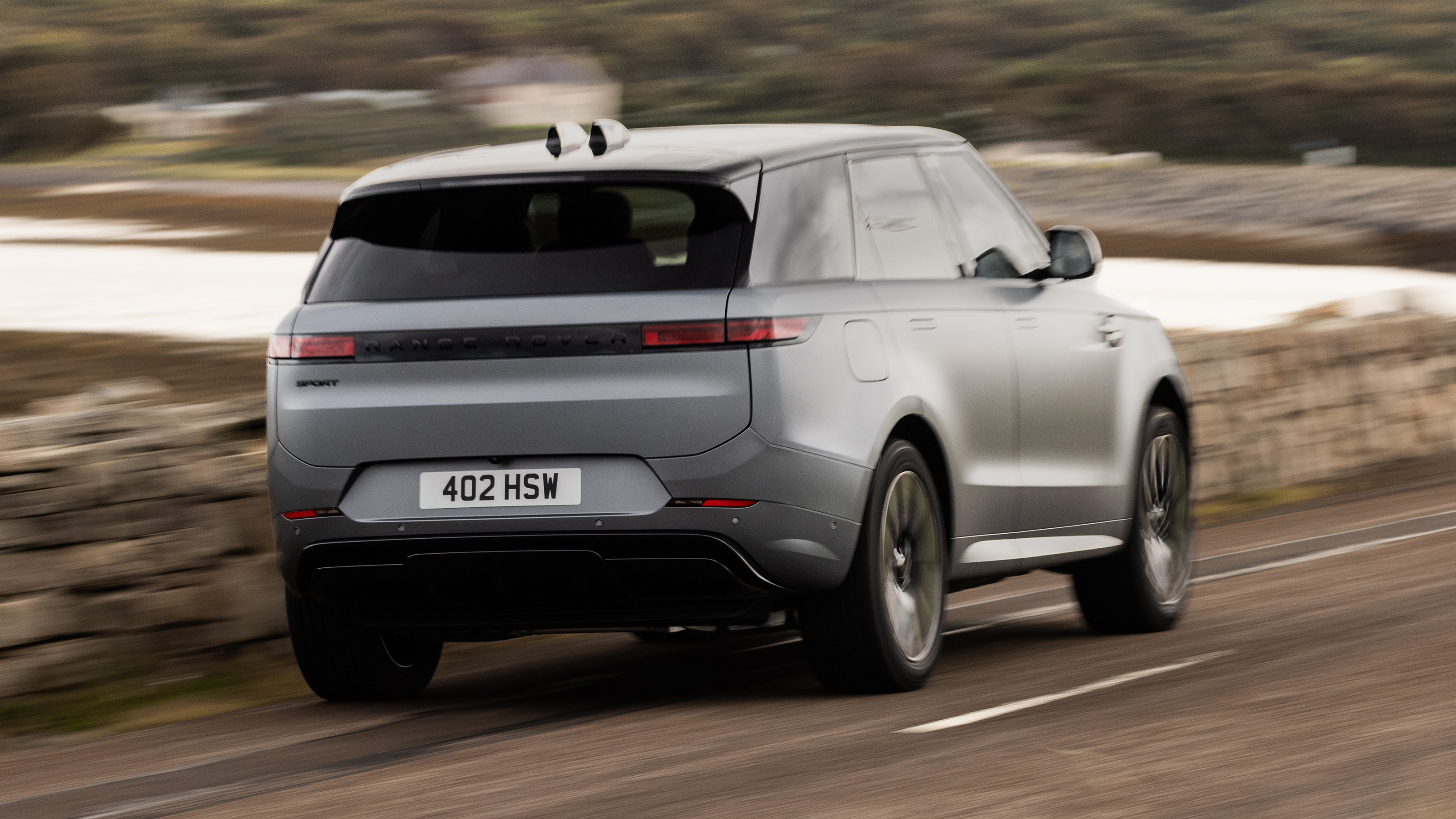
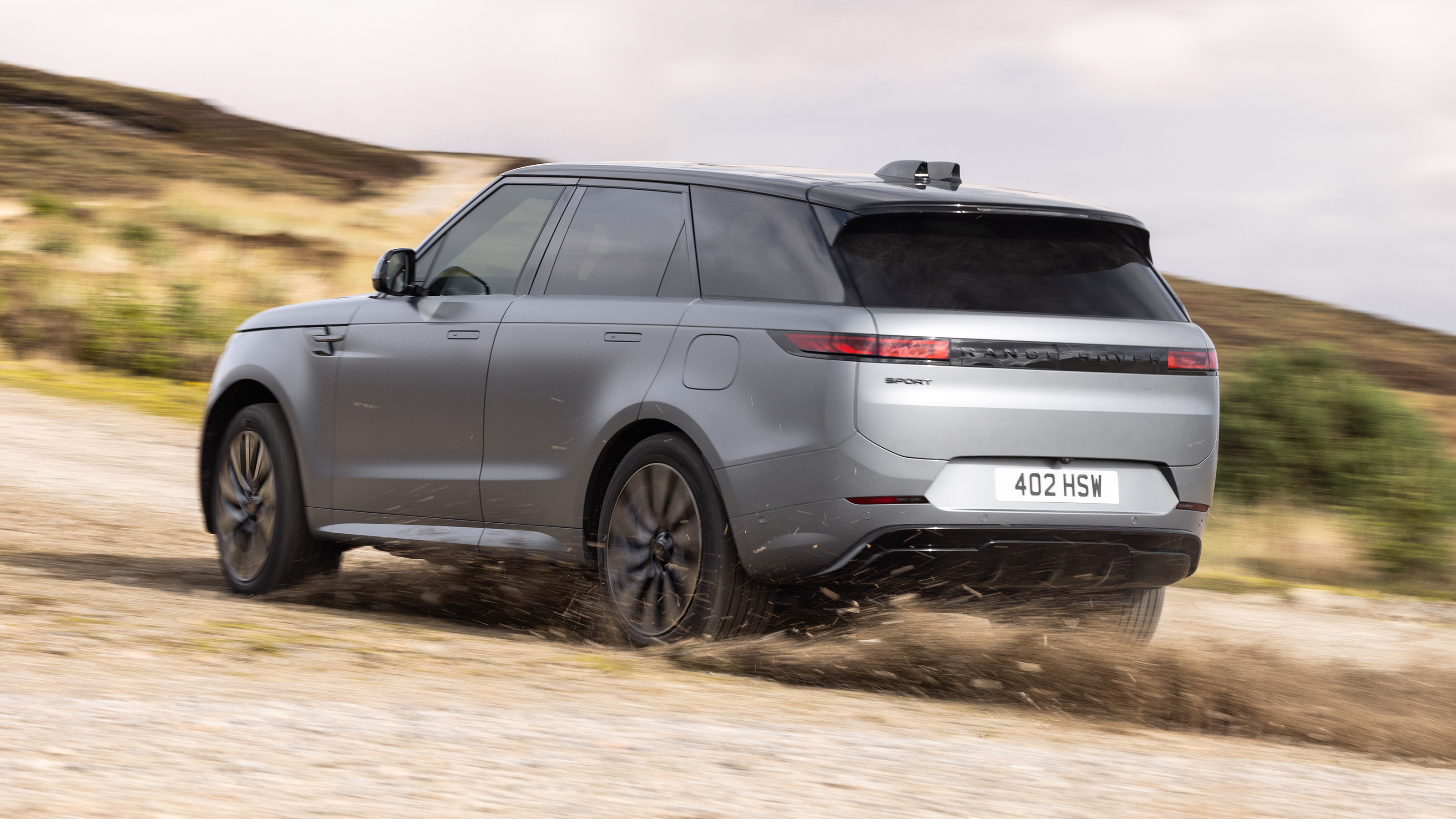
So visual changes are limited to a blanked-out grille, different wheels, an absence of exhausts, and new underfloor drag-reduction measures.
On the face of it, less so than rivals. The Porsche being the most obvious perhaps. The RR Sport's weight – 2,700kg minimum plus driver – needs managing. It rewards smooth driving.
Technology is on its side. It has an active anti-roll system (the big Range Rover Electric doesn't have that) and four-wheel steering. The air springs are two-chamber jobs, so their actual rate as well as their height can be varied, and there's adaptive damping too. This all gives the chassis algorithms multiple tools to rein back the float and pitch and roll, keeping things shipshape.
It doesn't bang and shudder like too many sporty SUVs. It actually rides very well, even compared with luxury saloons. Yet it keeps bigger body movements under control.
It's stable over bumps and easy to thread along, dignified and undisturbed. At the same time it's usefully better tied down than the big Range Rover, especially if you invoke Dynamic mode.
Performance is strong rather than vicious: 0-62mph in as little as 4.5 seconds. But again this is delivered with dignity. It's not one of those EVs with switchblade response to a small right-foot input.
Beautiful, if occasionally annoying. Apart from on the steering wheel, there are few physical controls. No climate controls, and not even the volume knob and mode selector that the big Range Rover has. This is supposed to be the sporty one, so you'd want quick and tactile access to modes. Even changing the stereo volume, for the passenger, means a trip to the touch screen.
The finish and materials are very smart, and space in the back is uncompromised by the battery underneath. It's a big car, and roomy with it.
Despite the name, the Sport isn't sporty in a way that punishes you. It's an urbane tourer, happy in any conditions, that isn't averse to a bit of a dash on an interesting road.
Its silence, comfort and performance are all taken to a higher level by electric power. Oh and it's great – really great – off-road. Skiing trips and making an early exit from mud-bath festival car parks will be a cinch.
You wouldn't want to do long-distance towing. And the energy consumption goes sky-high if you drive it hard, just as it does in any big EV, and petrol consumption does in the petrol ones. But in normal traffic and conditions, we found 300-plus miles is doable.
Top Gear climbed out of it feeling conflicted. We wanted to loathe it. It's not, after all, a 'proper' Range Rover. Drive one and people think you're an arse or an arriviste. But we failed to hate it. In fact, we loved it.
Get all the latest news, reviews and exclusives, direct to your inbox.