


25
Car companies don’t gamble. Except for when they do. Occasionally these conservative corporations run by bean counters forget themselves and something slips through the net. At BMW the net has been particularly holey.
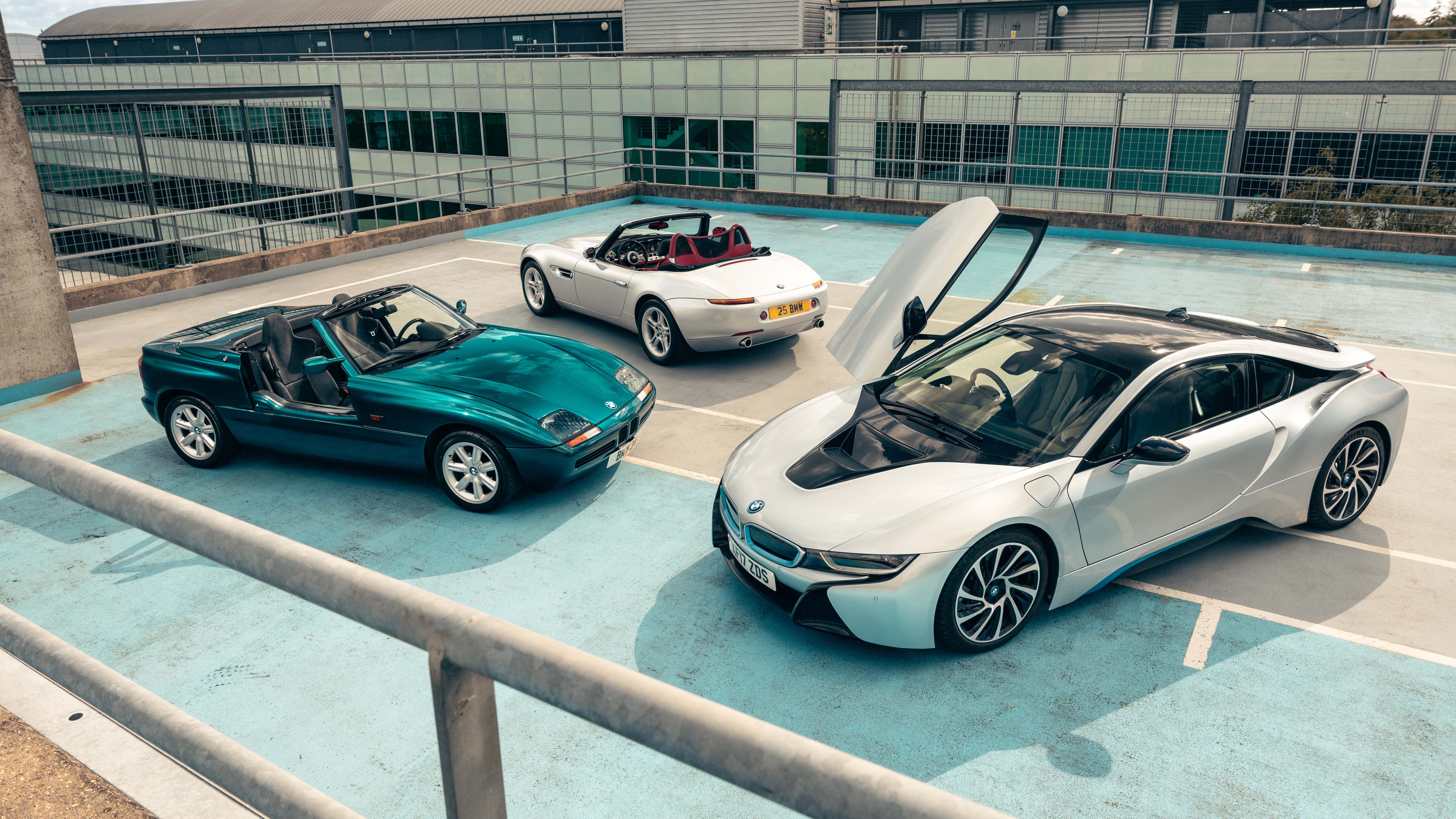
I like thinking about cars while I drive them, and what the i8 often makes me think is ‘how the hell did this get signed off?’ I think of the escalating decisions that had to be made, each OK’d by management and finance and still marvel at the fact that BMW got a carbon tubbed, Mini-powered, upswinging-doored, skinny-tyred, plug-in hybrid supercar into mass production.
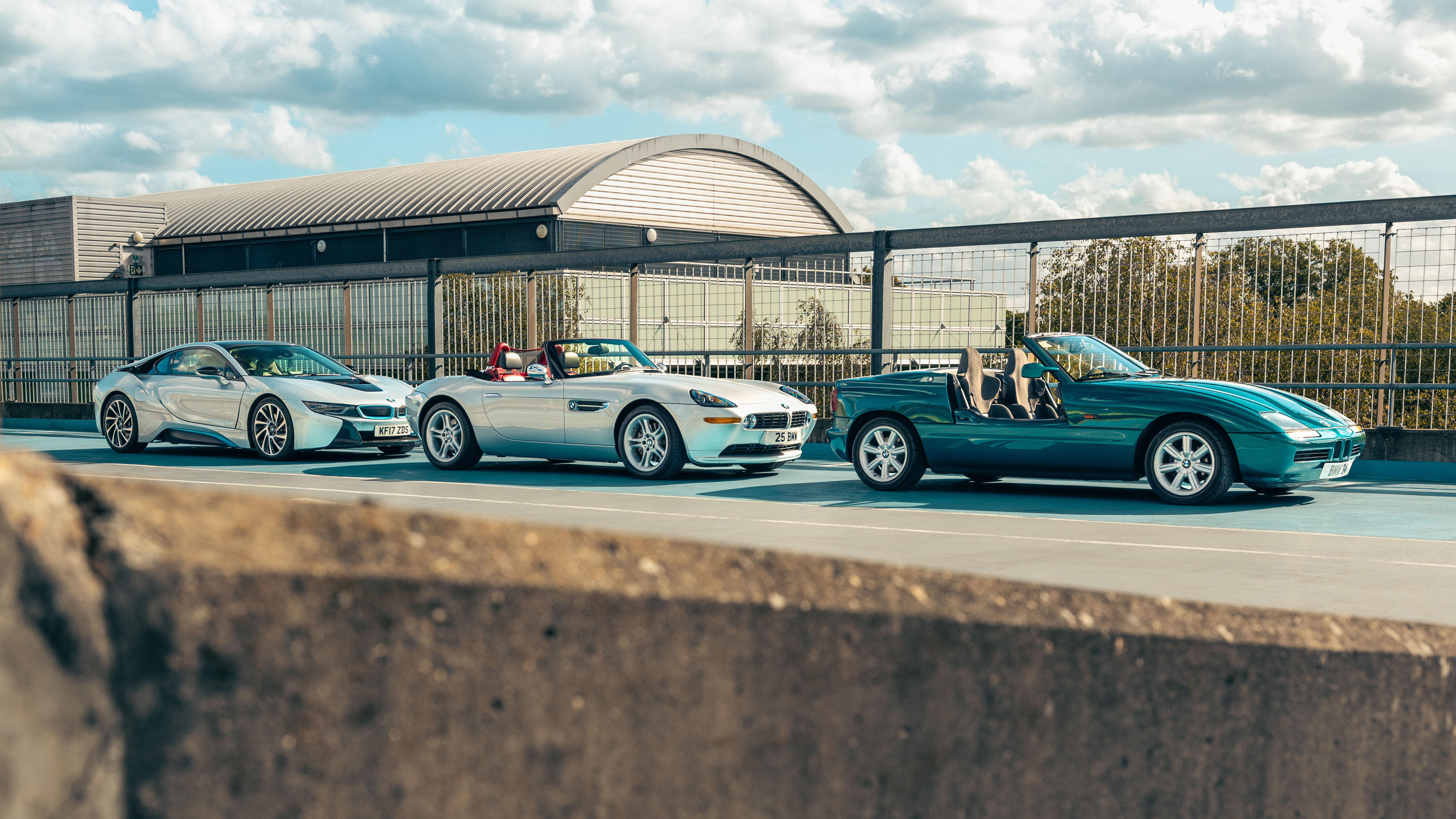
But then you realise the i8 (and the i3 that went hand in hand with it) weren’t BMW's first radical rodeo. It’d been taking punts for a while. The Z8 and Z1 are only part of a back story that includes the M1, 2002 Turbo and Z3 M Coupe. All are driver-focused sports cars, but here I don’t want to talk about which is best to drive, but which is the most innovative, had the most impact.
This is harder to evaluate for the i8 because it’s still relatively fresh in the memory. What we can say is this: it’s the biggest gamble BMW has ever taken. The productionisation of a carbon chassis was a €2 billion investment, £400 million of which went into the Leipzig plant where it and the i3 were built, an entire new supply chain had to be set-up from scratch. The innovation was off the scale, but the impact?
Being kind we could comment that it’s too early to say. But look at BMW’s electrification strategy since: the new i3 is now a conventional electric saloon, the i8 is gone completely. Carbon fibre is now just for interior trim in cars that weigh well over two tonnes. BMW got its fingers burned.
But three other things occur: firstly BMW will always have the i8 as a touchstone, they can revisit it as concept or technology or retro inspiration in future. Secondly, they know how to do carbon, that knowledge remains inside the company. Lastly, think of how the i cars shifted perceptions of the brand. Where Audi had e-tron and Mercedes had EQ, BMW looked far more exciting and dynamic.
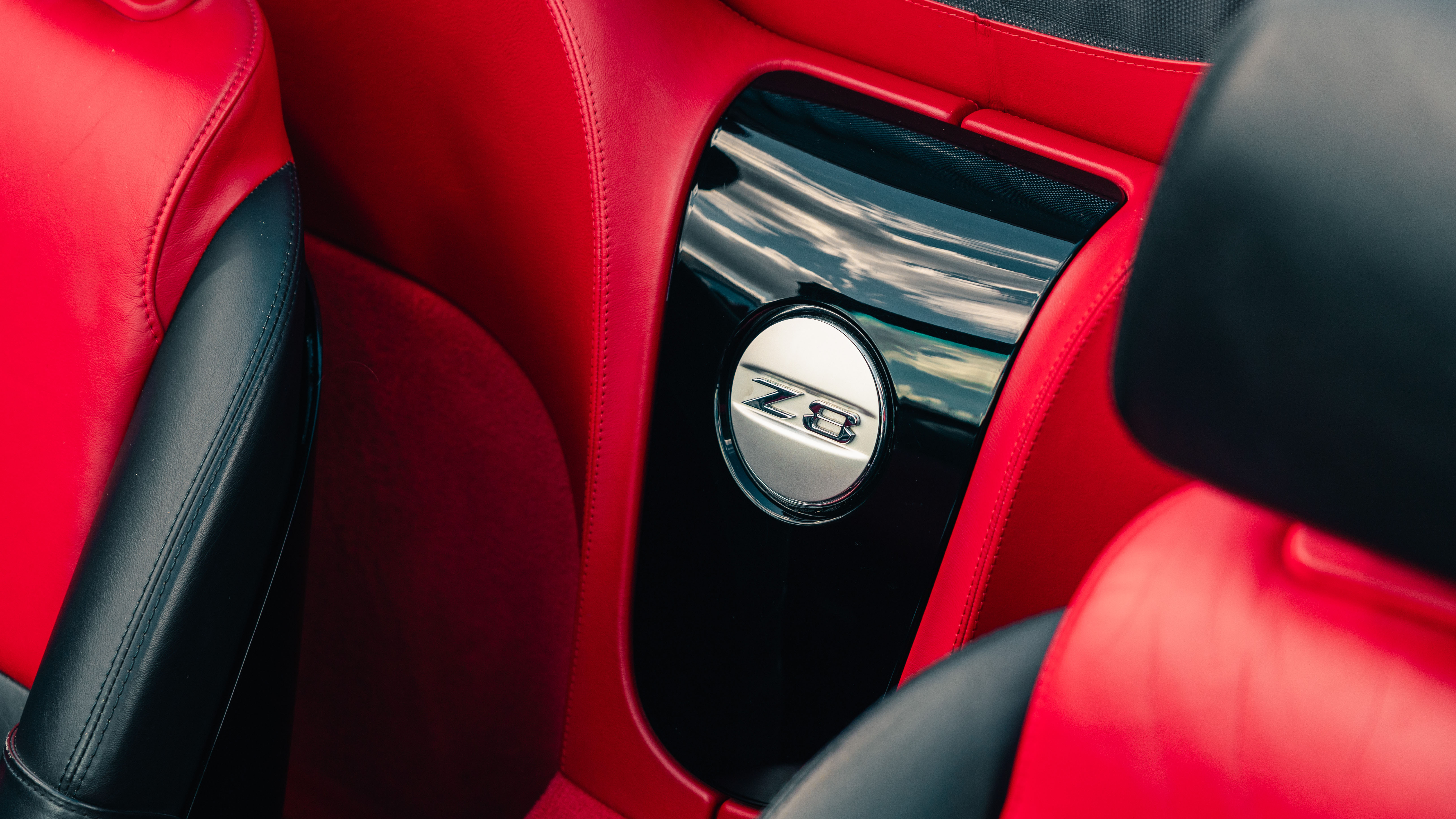
Right, innovation and impact of the Z8. It remains a glorious looking roadster, full of bespoke switchgear and artful design. But really, this is a route one attention grabber. It didn't look forwards to the future, but backwards to the past. Designed by Henrik Fisker, it was a homage to the 507 from the Fifties wrapped around the powertrain from the E39 M5.
Sure the 5.0-litre 395bhp V8 and six speed manual gave it the correct manners and performance, but the odd thing about retro design is that when a car looks backwards for inspiration, it doesn’t have much to say. It’s pining for better days that are always behind it. I look at the Z8 now and think ‘cool car, but a sideshow’, it’s not something that BMW ever took anywhere else or had further impact.
That’s not to say they’re a poor investment or a bad thing for BMW to have in its archive to remind people of from time to time. Exactly 5,703 were built between 1998 and 2003, all left hand drive, they were £85,000 new, and values today are touching £200k. I can’t ever see the i8 hitting such dizzy heights. But the Z8 wasn’t innovative and headed up a dead-end.
I kind of assumed the Z1 was the same, only smaller. But the more you read into the back story of this little roadster, the more depth and reach you realise it has. But all of this has been distilled into one fact: it has doors that drop down into the sills. For that reason alone everyone assumes it is a forerunner to the Z8, just another retro-inspired two seat drop-top.
But the Z stands for Zukunft - Future. Ironic it was used for the Z8, huh? But not the Z1, because it was the first car to emerge from BMW Technik Gmbh, a secret squirrel offshoot of around 60 engineers and designers sent off to design and engineer the future.
Yes, it used the familiar 2.5-litre 170bhp straight six, and no the drop down doors, clever as they were with an electrically-driven belt system to lower and raise them, were never seen again. But that wasn’t the end of the innovation here.
BMW had used a semi-trailing arm rear suspension on the E30. Enthusiasts loved the lift-off oversteer, no-one else did. So the Z1 premiered a brand new multilink rear end called the Z-Axle, which was then rolled out for the E36 3 Series (and the Rover 75, given BMW owned Rover at the time).
It also had a flat underbody for aero efficiency and a diffuser built into the rear bumper, so it generated high speed downforce without needing a wing. And the body panels were thermoplastic, designed to deform and pop back into place. The idea, years before the Smart ForTwo came along, was that you could change all the panels in under an hour and drive away in a different colour car.
Some of this caught on, some didn’t. But demand exceeded supply (the plan was to build 5,000, but in the end 8,000 were produced between 1988 and 1991), and what this chiefly did was give BMW the confidence to take the small roadster forwards. The Z3 emerged in 1995 (it wouldn’t be too much of a stretch to suggest the Z1 also inspired Mercedes and Porsche to create the SLK and Boxster) and so of the three it’s the Z1 that had the most direct impact, was the most influential.
But the most radically innovative? That’s the i8. I hope we haven’t seen the last of its influence.
Get all the latest news, reviews and exclusives, direct to your inbox.
