

the fastest
155kW 55 First Edition 55kWh 5dr Auto
- 0-627.1s
- CO20
- BHP207.9
- MPG
- Price£31,385
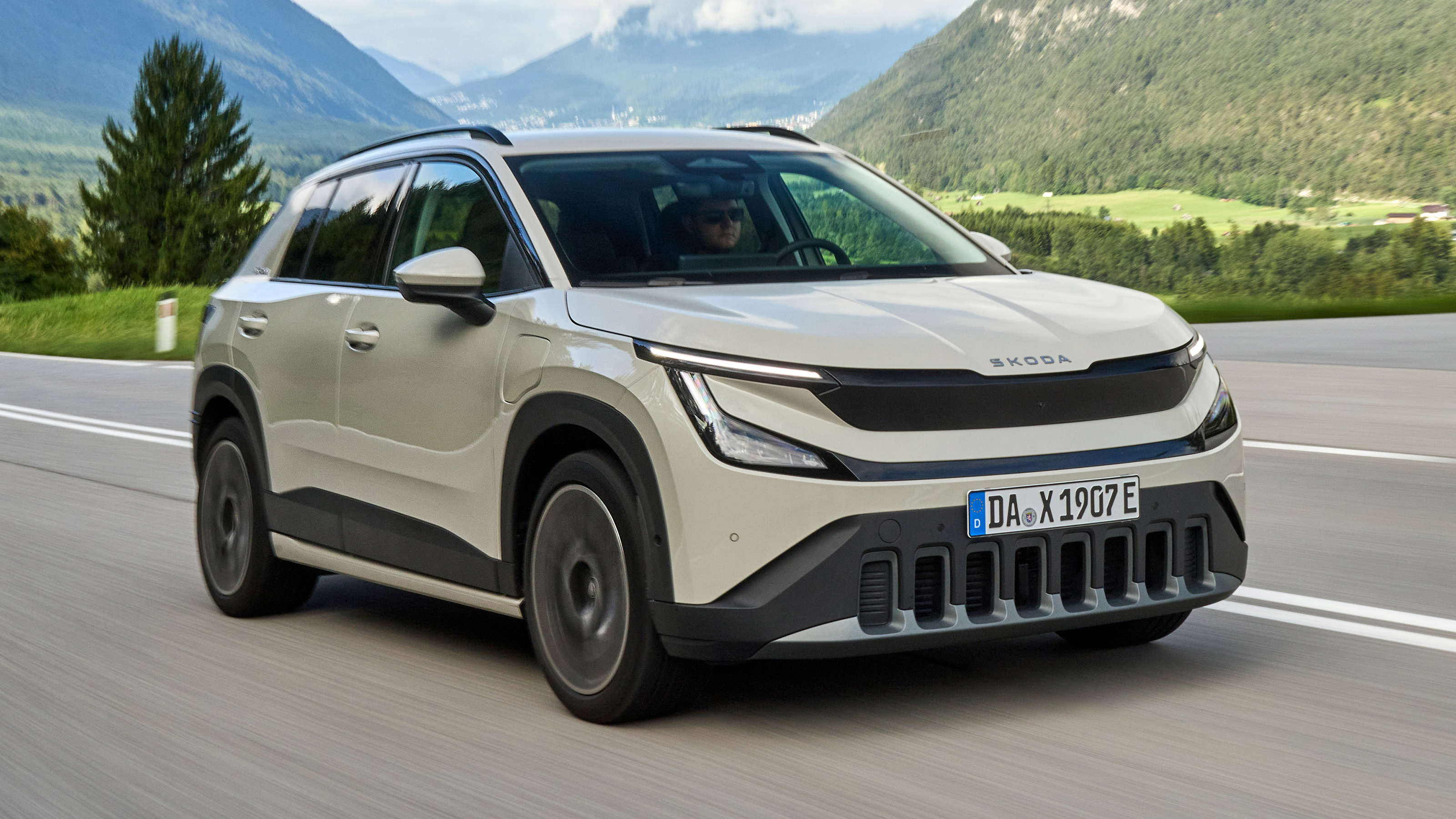
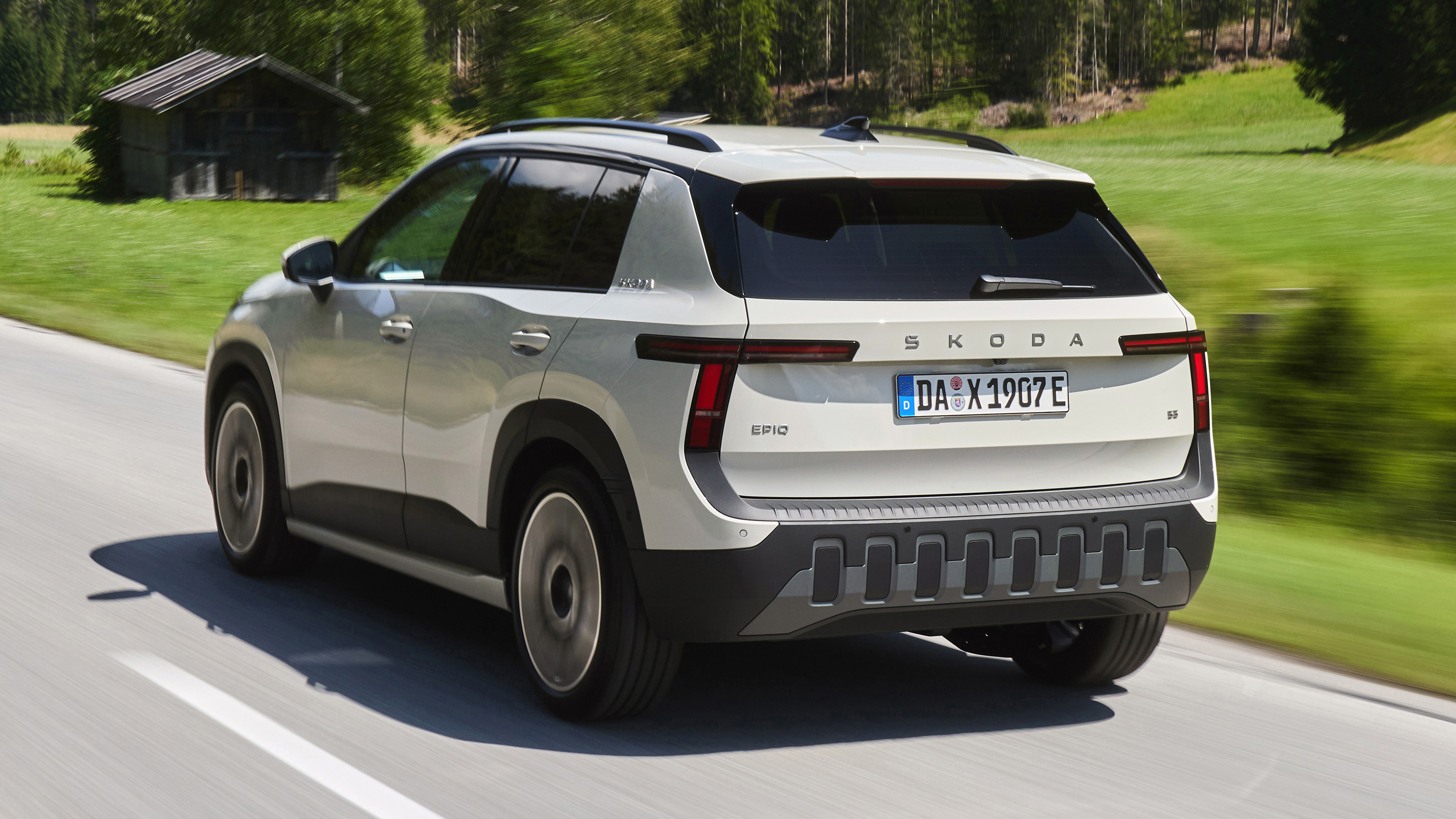
Depends on what you’re doing, really. The Epiq isn’t a sportscar: the steering is too numb and the body too upright, but it gets down the road really nicely.
The ride is good, it’s quiet and very much fast enough in 55 guise. Let’s be real; you’re unlikely to use 0-62mph in 7.1s in a car like this most of the time, but it’s nice to have it in reserve at the traffic lights. Basically, you’re looking at a minimum of fuss – even pulling out of a junction on lock at decent speed doesn’t ruffle the front axle too much, though with the caveat that we’ve only tested the Epiq on very smooth German roads in hot weather so far.
Push harder and not much happens apart from a little bit of understeer and a generous feeling of weight – like a lot of these EV platforms, the low battery placement gives a good feeling of stability, but not much natural adjustment up until it starts to nose its way to the outside of the corner.
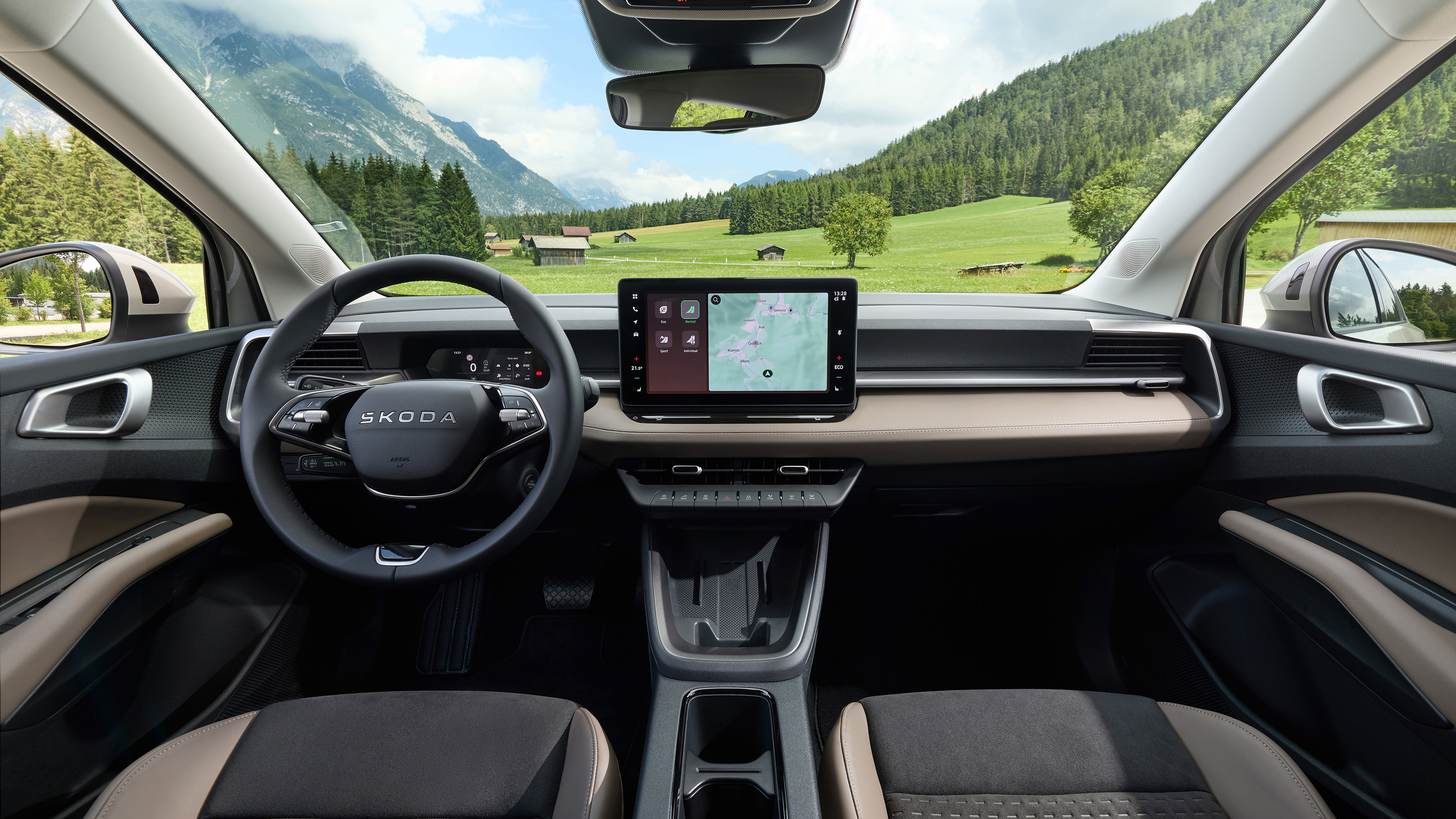
It’s nippy in town though; a turning circle of precisely 10.68-metres kerb-to-kerb means it’s unusually easy to u-turn and very nimble when parking. Apart from that, there are four driving modes (Range/Eco, Comfort, Performance and Individual) although none change the entire character of the car, instead tweaking rather than revolutionising throttle response, steering weight, air-con and power levels. For this kind of thing? Comfort’s the way to go, unless you need the extra miles-per-kWh that Eco offers.
As for the hardware, the suspension is as you might expect; McPherson struts on the front and what Skoda calls a ‘compound-link crank axle’ on the back, which most of us know as a torsion beam. So it’s simple, compact stuff for the rear suspension, but it seems to work really very nicely. It’s actually a relaxing little car to potter about in.
Plus it’s got disc brakes all round (some EVs use reliable but less powerful drum brakes on the rear as EVs use a lot of regen instead), for regular and useful stopping power, and you can select a couple of regen modes as well as a one-pedal ‘B’ mode for one-pedal town stuff. It all works without any notable issues.
And then some. As you might expect, even the base versions come with front assist, side assist (including rear traffic alert and an exit warning), lane assist, and traffic sign recognition. You can also option up Travel Assist 3.0 which is basically Level 2 non-autonomous autonomy, so that would be adaptive cruise, lane centering, predictive speed-limit adaptation, traffic jam assist and assisted lane changes, as well as traffic light auto-stop, swarm data management and emergency assist.
On top of all that, if you option the premium package, Travel Assist also gets intelligent park assist, including trained parking and remote parking. Phew. Though if you need park assist on a car this size, you need to re-train. But that’s big-car stuff. And yes, you can switch off the most annoying ones quickly by programming the appropriate shortcut buttons – although it still takes a few presses to get things set how you want.
Get all the latest news, reviews and exclusives, direct to your inbox.