



25
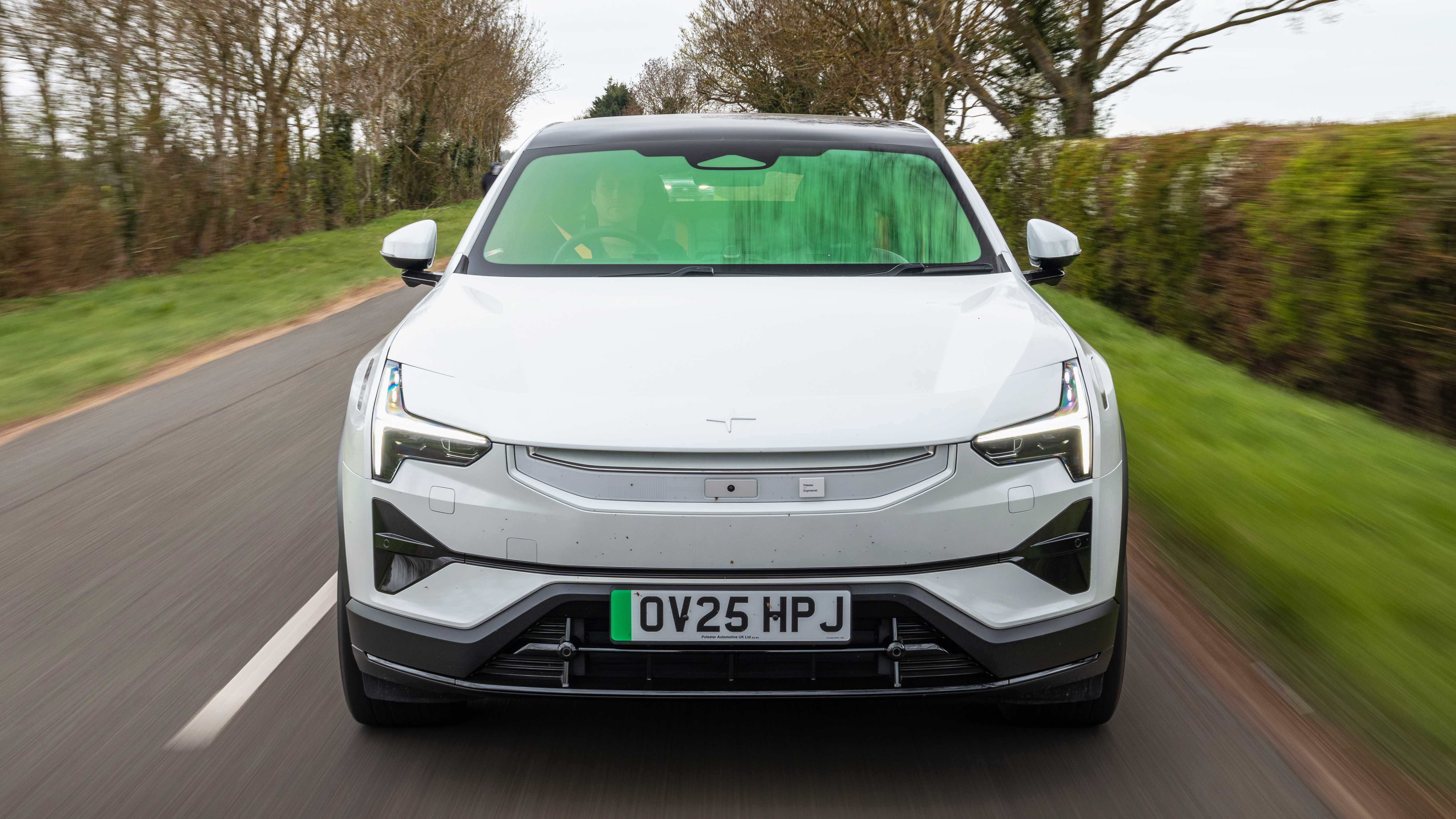
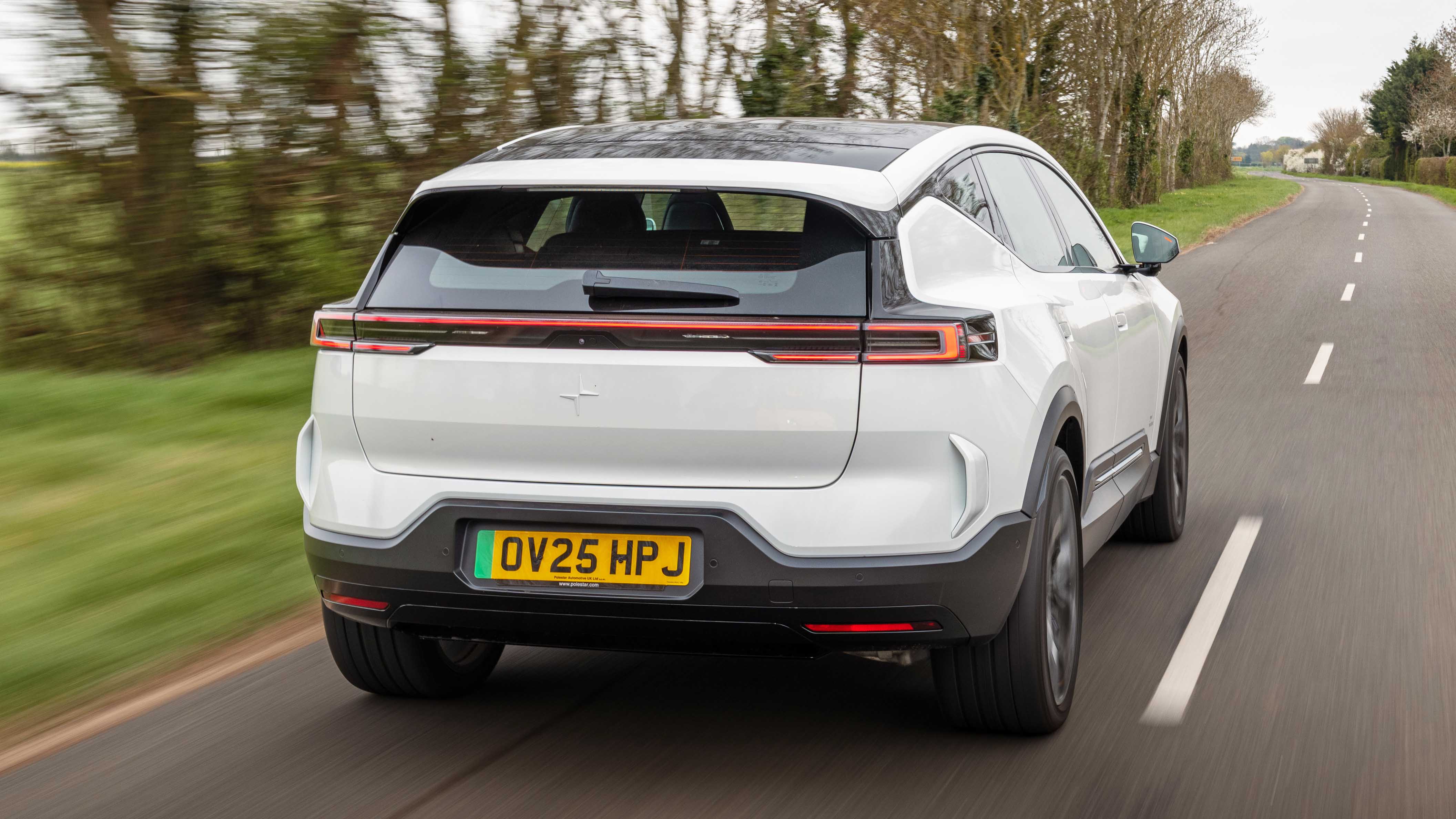
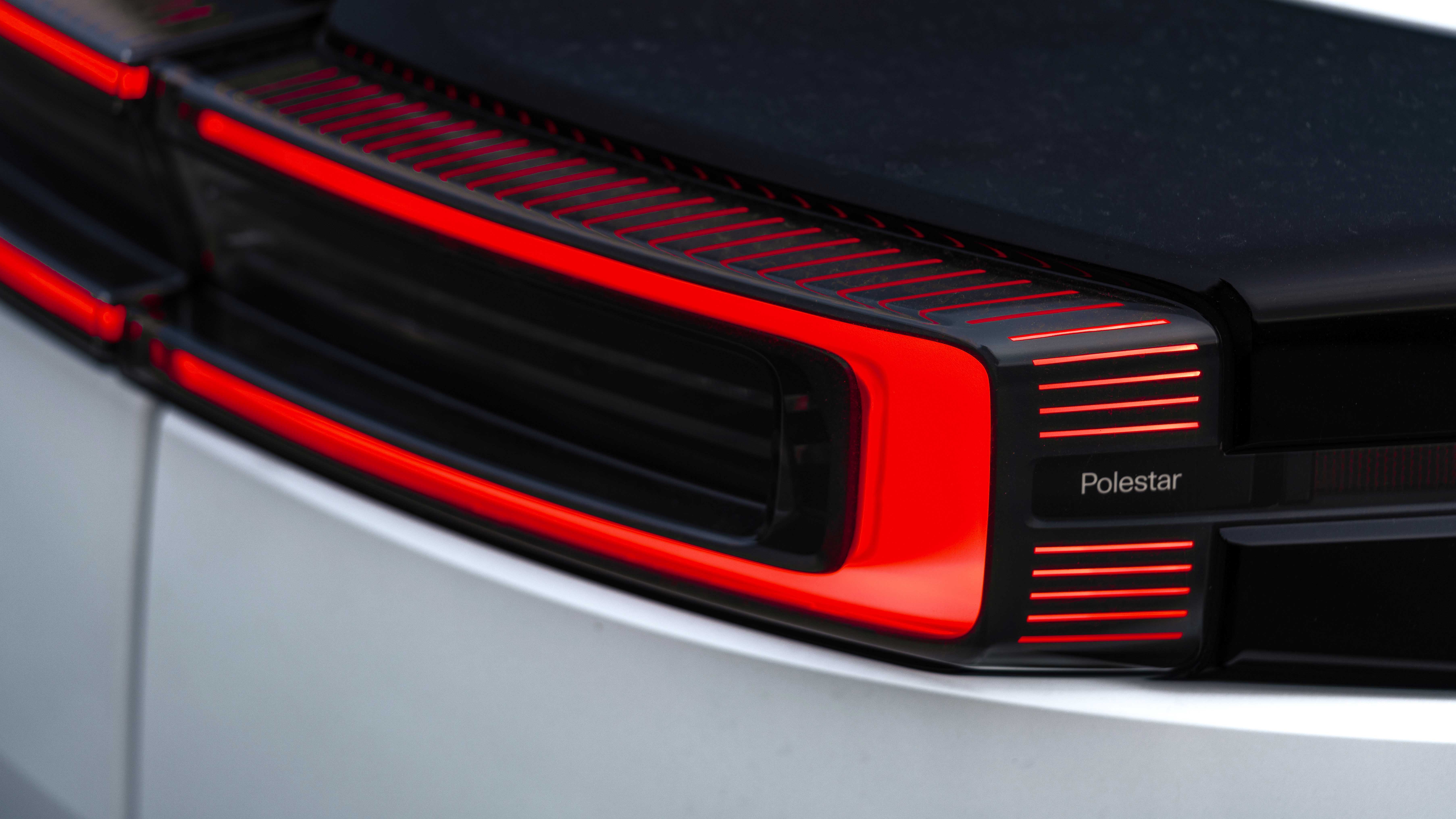
Polestar 3
352 miles
1cc
509.6bhp
4.7s
“I Just Wasn’t Made for These Times” is a stand-out track on the Beach Boys’ 1966 masterpiece Pet Sounds. If the late Brian Wilson was adrift in the Sixties, goodness knows what he must have thought of the modern world. He loved cars, and wrote lots about them.
But it’s a long way from a Little Deuce Coupe to a Polestar 3, with its silent running and reliance on OTA updates. The latter are easy enough to install but surely only confirm the new breed’s greater kinship with computers and smartphones than cars. None of my other devices are up to date, which is an admission that would dismay tech zealots and cyber security experts. Like Brian, I’m not sure I’m really made for these times.
News just in, though: the Polestar 3 is getting a big upgrade for 2026. Out goes the current Nvidia Xavier processor, incoming is the Orin, which ramps up the processing power from 30 to 254 trillion operations per second. Can you get your head around that? Me neither. How can anything perform 254 trillion calculations per second? It’s deeply impressive, but it’s also difficult not to conclude that humanity has royally screwed itself.
Polestar says the upgrade will mean faster, more intelligent management of active safety systems, battery performance and sensor data. Other changes include ‘software refinement’ for the steering. And it’ll be offered to existing owners as a complimentary ‘retrofit’. Is this an admission that being able to process 30 trillion operations per second is now considered a bit slovenly?
This constant, almost real-time evolution of EVs is one of the trademarks of the emerging automotive era, and it’s something tech types get all frothy about. Yet bizarrely it also feels like a throwback to the dark days of British Leyland. That was an era when cars would be launched before they were fully ready, and customers effectively became prototype drivers/guinea pigs. It didn’t end well, as we know.
My experience living with the Polestar 3, described by its maker as the first European software-defined vehicle, suggests that a certain amount of glitching is inevitable. Possibly even acceptable. Think about it. All modern cars – EVs in particular – are so complex and have such capability that some sensor or other is bound to have an off day. Not necessarily a biggie; dirt on one of the front-mounted cameras is enough to flag up a message on the display in the Polestar.
This might lead to sensor fatigue on the part of the driver. Sorry, user. It’s less fun when the climate control seizes up or the doors don’t unlock. Or unlock too often: if I’m in my home office, and the car is parked nearby, the smartphone key triggers and it opens when I don’t want it to. Yet on other occasions, when I’m right beside it, it… doesn’t. When it comes to the new world of software definition, modern cars can feel half-pregnant.
Apart from all that, I’m liking Polestar’s overall direction of travel. Time recently spent in a prototype of the big 5 saloon, which is being developed at the company’s UK technical centre by ex-McLaren and Lotus engineers, is proof that old-school driving entertainment is still the main course on the menu. Mind you, I still use a land line at home.
Get all the latest news, reviews and exclusives, direct to your inbox.
