



25
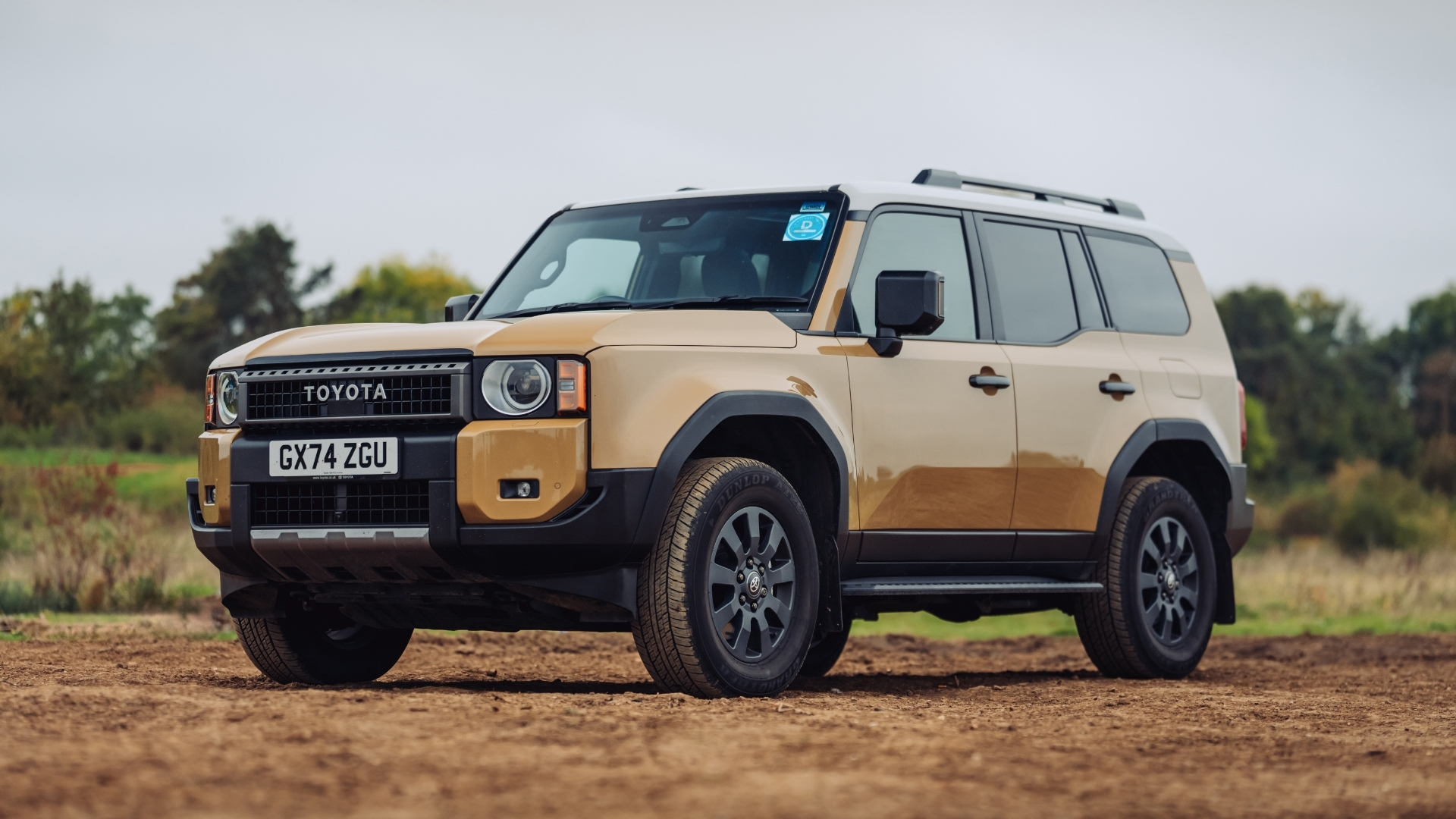
Toyota Land Cruiser First Edition 2.8
2755cc
201.2bhp
We’ve all been there, haven’t we? You get home after a few drinks, start browsing eBay classifieds, and begin convincing yourself that the £10k 'bargain' you absolutely don’t need somehow makes perfect financial sense. Most of us never actually go through with it - unless we’re so intoxicated that the consequences are our own fault.
But that’s exactly what Matthew Hunt did during lockdown. He bought this 1977 Toyota FJ40 completely blind. To be fair, there wasn’t any alcohol involved - brave man. Matt told the seller he’d take it on one condition: it had to be rust-free and able to drive off the trailer. Fortunately, the seller wasn’t lying, but Matt always knew it would end up being a restoration project.
After renewing the suspension, replacing the head gasket, rebuilding the carb, servicing the engine, and fitting a front axle (the front half-shafts were missing, meaning no 4WD), the FJ40 was finally registered with the DVLA in 2021. Since then Matt and a friend have painstakingly been converting it from a hard top to a soft top, purchasing a used frame and then a new canvas top from Indonesia.
Amazingly, Toyota still produces spare parts for these, and the service is as swift as you’d expect from Japan. When you’re considered one of the most reliable car brands in the world, you don’t really have a choice but to keep supporting older models.
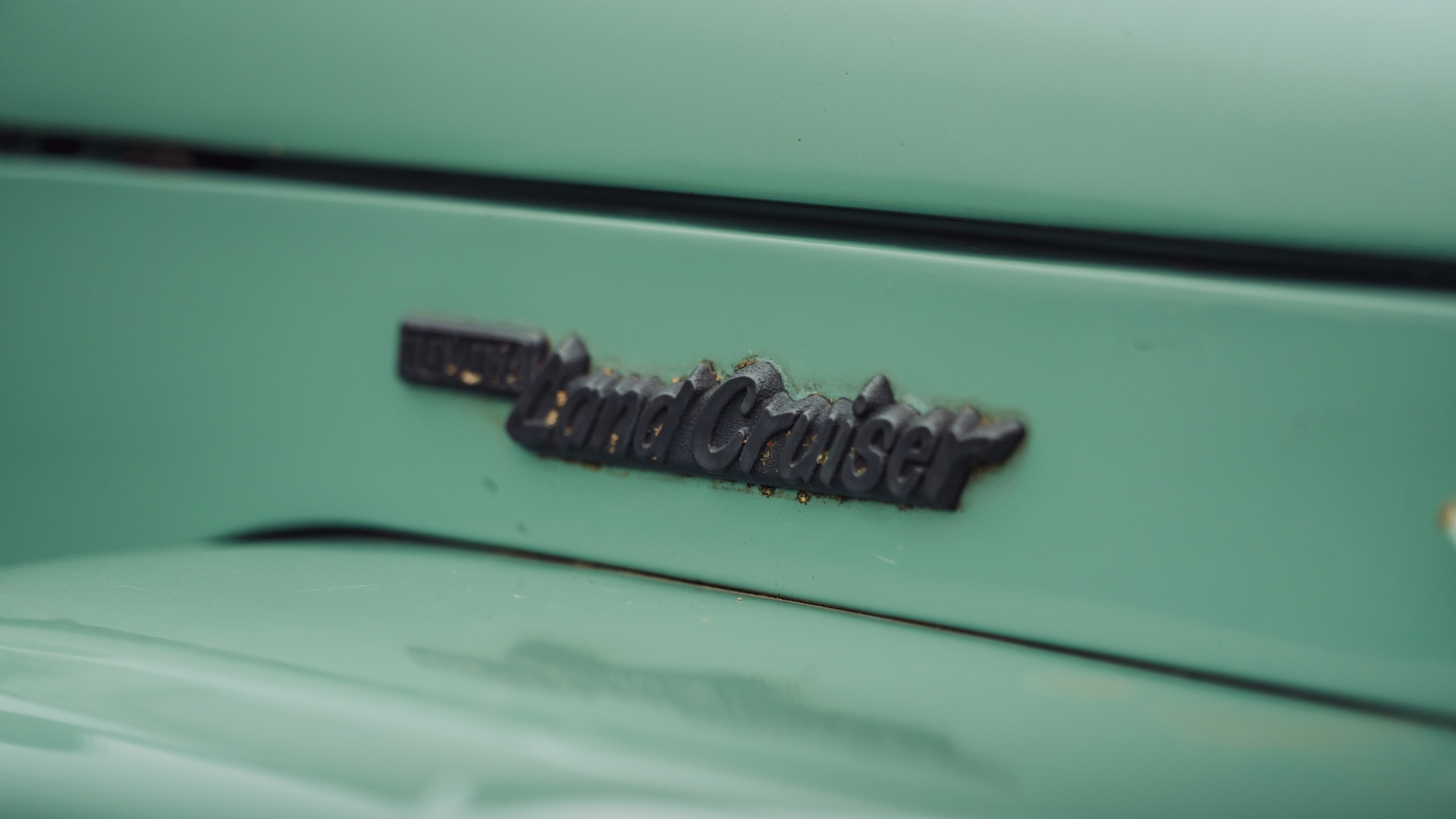
Our Land Cruiser is no exception. It has now covered over 21,000 miles without missing a single beat. Even more impressively, we only did half of those miles - the rest were added by various other motoring journalists all probably living out their inner Carlos Sainz Snr.
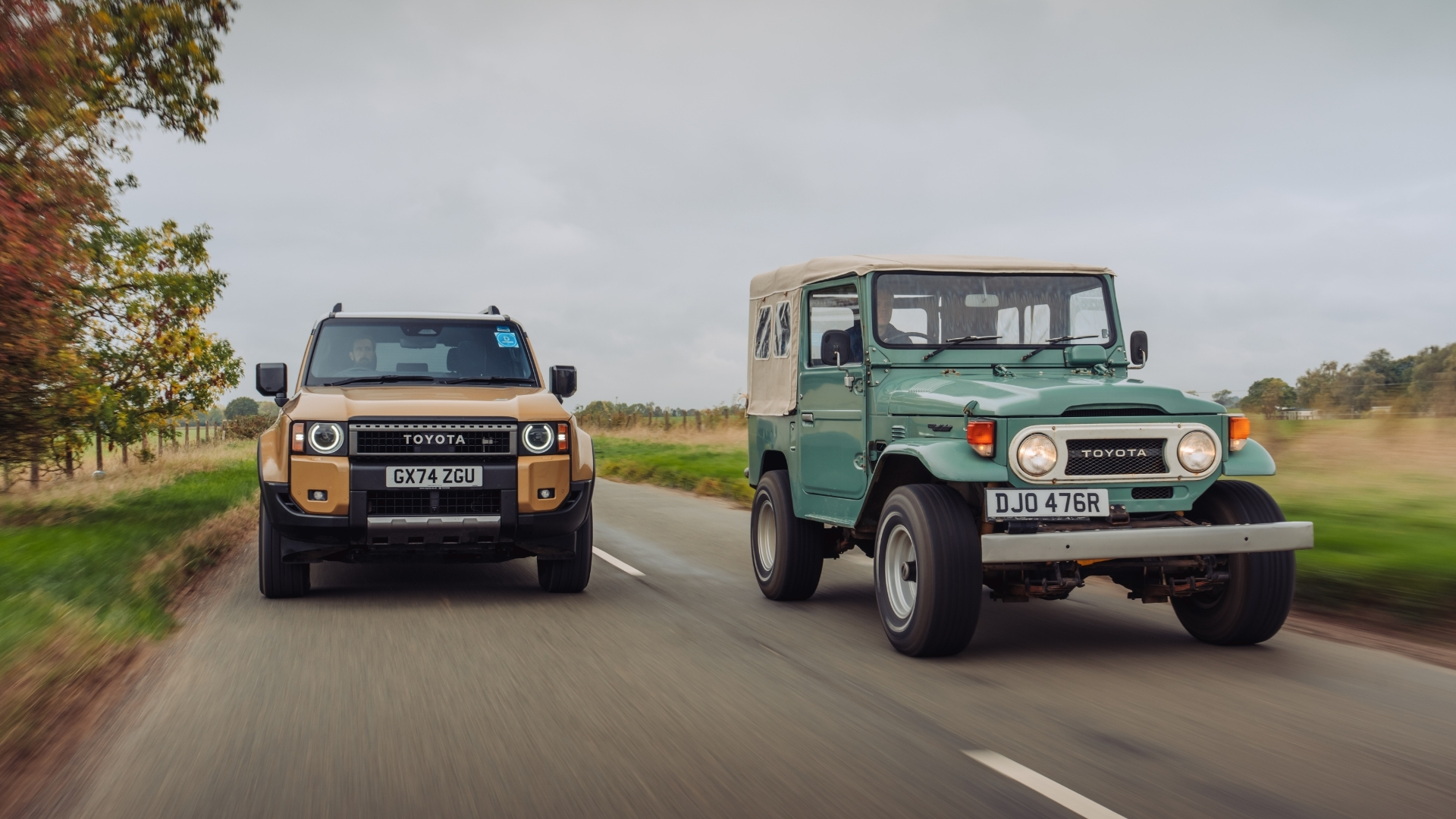
The FJ40 is a clear influence on the design of the new Land Cruiser. You can see it immediately in the retro headlights, the upright stance, and the boxier silhouette. It’s in this area - heritage - where Chinese cars simply can’t compete. Toyota’s history with the Land Cruiser stretches back to 1951, when it first appeared as the 'BJ', developed under pressure for Japan to create its own alternative to the Jeep and Land Rover. But it wasn’t until the 40-series that it truly captured the public’s attention; by 1980, nearly a million Land Cruisers were roaming the globe.
And while the new Land Cruiser isn’t Toyota’s first attempt to revive the FJ40’s spirit - the 2006 FJ Cruiser did it first - that earlier model saw its sales nosedive after the 2008 financial crisis. Its thirsty V6 certainly didn’t help, which may explain why Toyota has played it a little safer this time around. Personally, I think Toyota got it right, though plenty of people online would loudly disagree. And let’s not forget: in 2026 we’re expecting a new FJ. Shame it’s only being sold in the South Pacific.
The FJ40’s influence isn’t limited to the exterior. Step inside and it all feels oddly familiar—light, airy, and spacious, with an upright windscreen that gives you a perfect view of the bonnet haunches. The engine is slow but dogged, powering the car through just three determined gears. Of course, dynamically, the new Land Cruiser doesn’t quite follow the ruts and contours of a rough road like the FJ40 does, nor does it feel like it has half as much torque. But the FJ feels lighter, more alive, and more characterful than you’d ever expect.
Sadly this is my last report for the Land Cruiser and I’ve enjoyed every single driving moment. Now, I’m off to check the classifieds for either of them…
Get all the latest news, reviews and exclusives, direct to your inbox.
