


Big Reads
Ferrari 849 Testarossa vs one of the world's 'best kept driving secrets'
A new Testarossa on Tasmania’s 99 Bends is as close to driving nirvana as it gets... but you’ve got to get there first
It’s at about 11.30pm that I begin to think this truly was a terrible idea. The Spirit of Tasmania – an old Greek ferry – lumbers out of the relatively calm Port Phillip Bay near Melbourne, Australia, into the notoriously tempestuous Bass Strait. Suddenly, as we enter open ocean, the great vessel begins pitching fore and aft. Dogs in travelling kennels below deck start howling and one car alarm, deep in the ship’s hold, starts joining another in a great cacophony of sirens and horns bellowing up the stairwells.
Lying in bed in my cabin, I can’t help imagining a half million quid Ferrari 849 Testarossa pinballing back and forward between lorries and Toyota Hiluxes somewhere deep below.
Advertisement - Page continues below
Only hours earlier, this trip was making a lot more sense. That’s because if you love driving and you live in Australia, no matter where you are in the country, there’s a gravity-like tug pulling you southwards – to Tasmania. An island the size of Scotland with the population of Liverpool, Tasmania sits about 155 miles south of the Australian mainland. A living remnant of the ancient supercontinent Gondwana, and a Mecca for drivers.
Words: Dylan Campbell
Photography: Alastair Brook
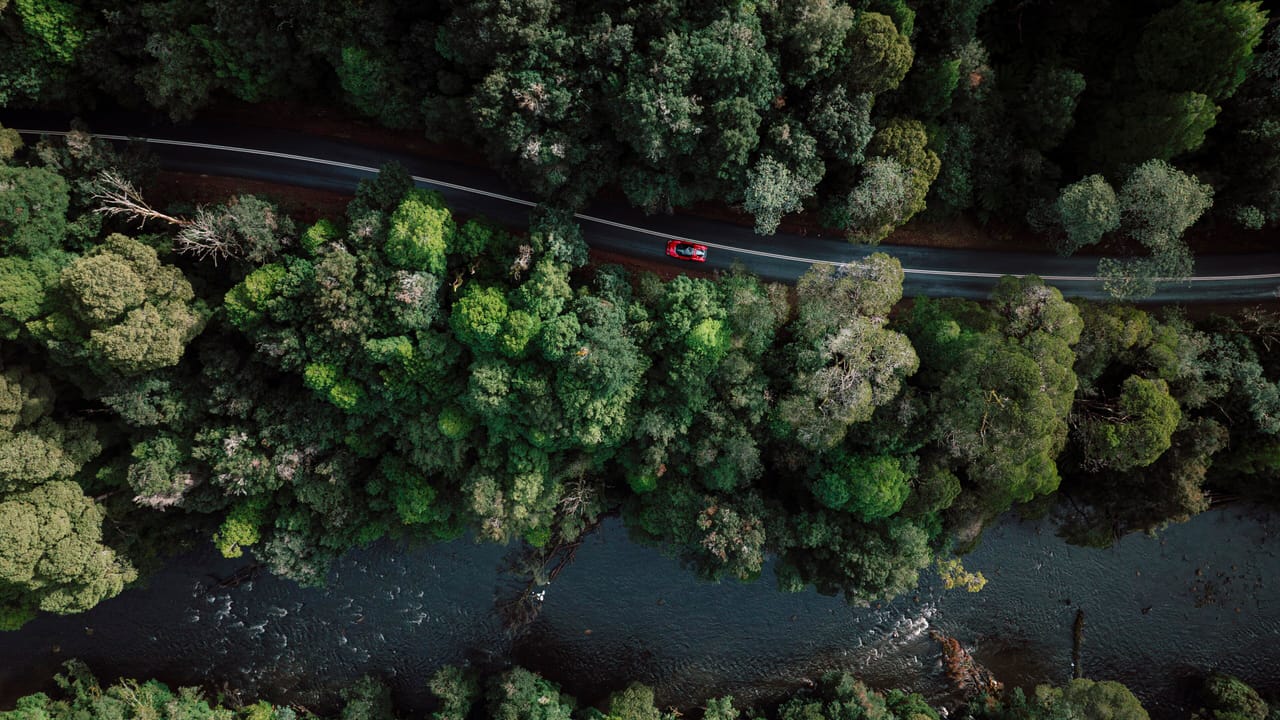
A quick browse on Google Maps reveals road after intestinal road, snaking through largely untouched wilderness, where you might not see another car for hours, making this one of the best kept driving secrets in the world. The only problem with getting to the world’s secret driving nirvana is you can’t actually drive there. You have to go by sea. Hence the Hail Marys while reaching for life jackets.
That hasn’t deterred some of the best drivers to have lived from answering its siren call, taking part in Targa Tasmania – a tarmac rally inaugurated in 1992 and one of the world’s last great motorsport events held on public roads, inspired by the Targa Florio. Think Walter Röhrl, Sir Stirling Moss, Jochen Mass and Sir Jack Brabham.
Advertisement - Page continues below
When organising a car for such a trip – to a remote island, often with no phone reception – logic suggests an all-wheel drive SUV with a full-size spare wheel, sat phone and enough drinking water to last six people until next February. But that wouldn’t befit a pilgrimage, so instead we’ve got a car with almost no ground clearance, no luggage space and tyres that require airfreighting in should one go pop. Its name also starts with T and ends in A, which is all the justification we need.
Named for one of the most iconic supercars of the 1980s, the Ferrari 849 Testarossa replaces the somewhat unloved SF90 Stradale as the brand’s hybrid era series production flagship. At £407,617, our Tassie-bound Testa in Rosso Fiammante red has more than a bit of 1960s Ferrari 330 P3/4 about its devilish front and rear winglets.
Inside, the contrasting Alcantara Blu Elettrico interior is every bit as flamboyant. Sitting in the middle, a dry-sump 4.0-litre twin turbo V8 teamed up with three electric motors – one for each front wheel, one on the rear axle. The engine alone produces 819bhp at 7,500rpm and 621lb ft at 6,500rpm. Total combined power – hydrocarbons and electrons – is a dizzying 1,036bhp.
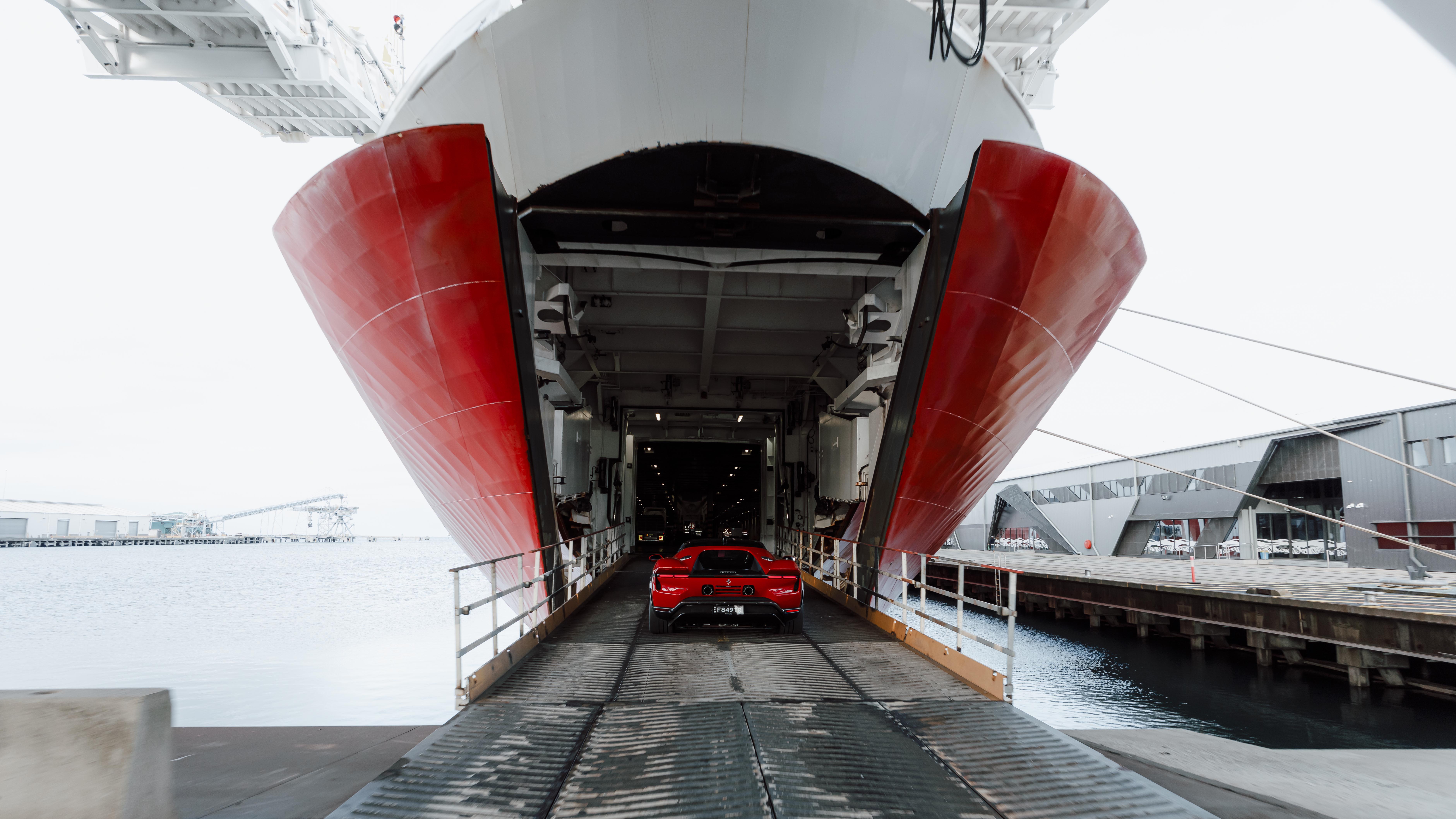
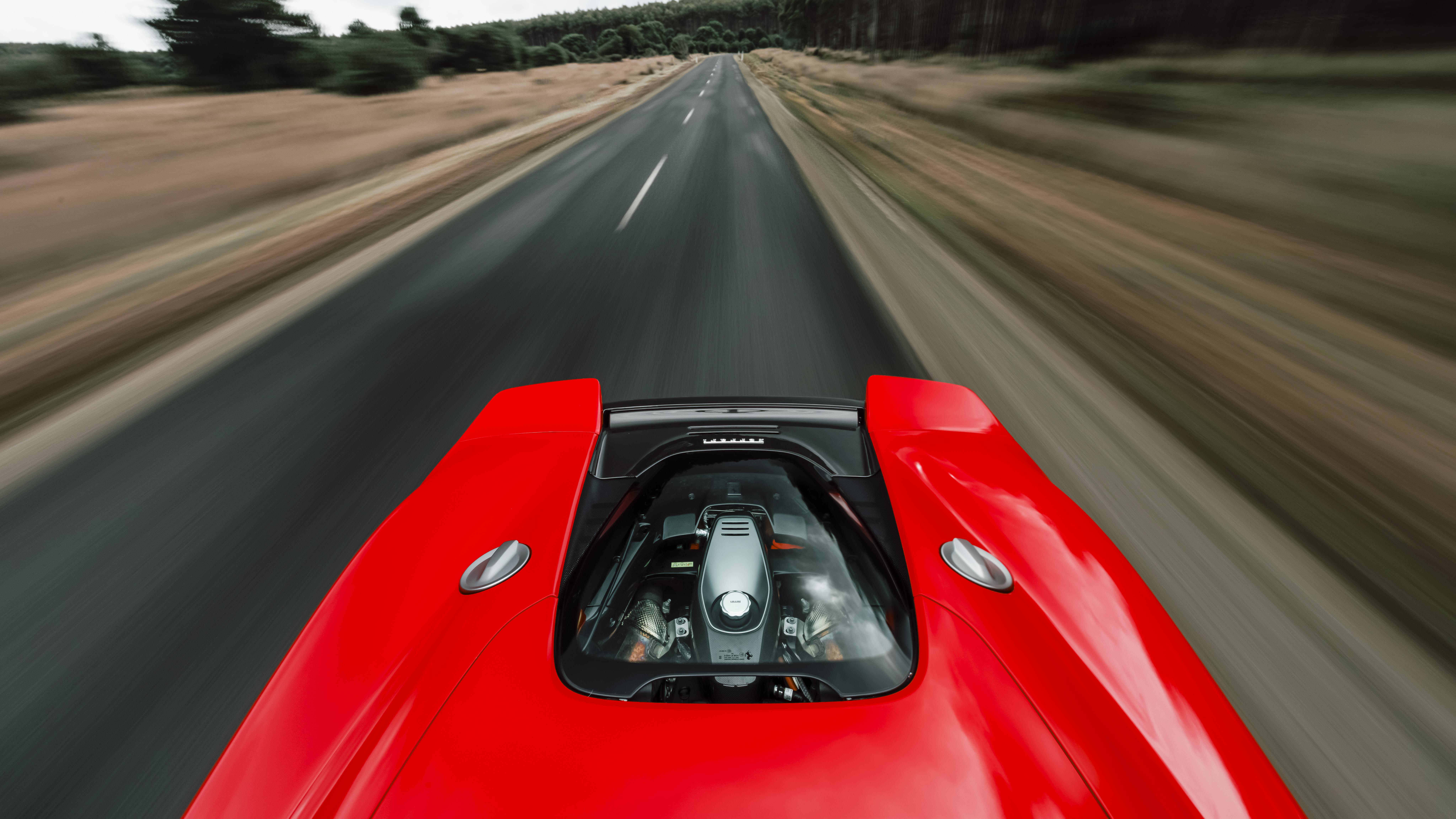
That’s nearly two per cent of the 56,600bhp of the boat that’s just made landfall. Having boarded in Melbourne – and after 10 hours wishing I hadn’t – it’s hard not to rub one’s eyes upon arriving in Devonport on Tasmania’s north coast. We drive off the ferry at about 7am (the car mercifully in one piece, same my nerves) and head west, skirting Tasmania’s north coast. Alastair the photographer and I are here for just three days, and to get to the first of the good roads requires driving approximately 19 miles to the seaside town of Penguin, then due south and inland.
First impressions of the Testarossa come flooding in. Funnily, the engine hasn’t piped up yet as we navigate our first few miles using only electricity. A plug-in hybrid, the 849 has a small 7.9kWh lithium-ion battery granting about 16 miles of front-drive, saintly, EV-only range.
In coastal Penguin, the morning sun beats down on Bass Strait and gives it a metallic shade of deep blue, but we’re drawn towards Tasmania’s interior. We turn off south and it doesn’t take long before we’re on a winding strip to ourselves. Hellyer Gorge is one of 35 public roads closed for Targa Tasmania each year, which covers over 1,200 miles across the state, and it’s easy to see why they picked this one. As the road ahead begins to visibly bunch in the satnav, I switch the 849’s eManettino from Hybrid to Performance, and there’s a burst of fizzing revs as the V8 awakens.
Tumbling down into a gorge, crossing a bridge over a fast flowing river flanked by damp, leech-infested forest, Hellyer Gorge is a 21-mile warm up in the truest sense. A foreboding blue tyre icon in the digital instrument cluster reminds us that the Pirelli P Zero R tyres – 265/35R20 front and 325/30R20 rear – aren’t yet up to temp.
Top Gear
Newsletter
Get all the latest news, reviews and exclusives, direct to your inbox.
On these cold, wet, 8°C Tassie roads, the 849 feels a little unsure. The gorge leads you into Guildford, after which the roads straighten slightly like someone’s pulled it taut. Despite being just 31 miles from the coast, it still feels like a place they’d drop Bear Grylls by helicopter – spookily quiet, only the distant caw of a cockatoo and I can hear the blood pulsing in my ears. First opportunity then to ignore the warning symbols and find out what a thousand horsepower feels like.
Switching the Manettino to Race, I select Manual mode using the little metal throwback shift lever, flick down into second and plunge the throttle pedal. There’s an instant reaction as electricity surges to all four tyres before the V8 pulls rank. Turbochargers whistle as an angry flat-plane induction note takes over towards 8,300rpm, blue and red LEDs frantically illuminating across the top of the steering wheel.
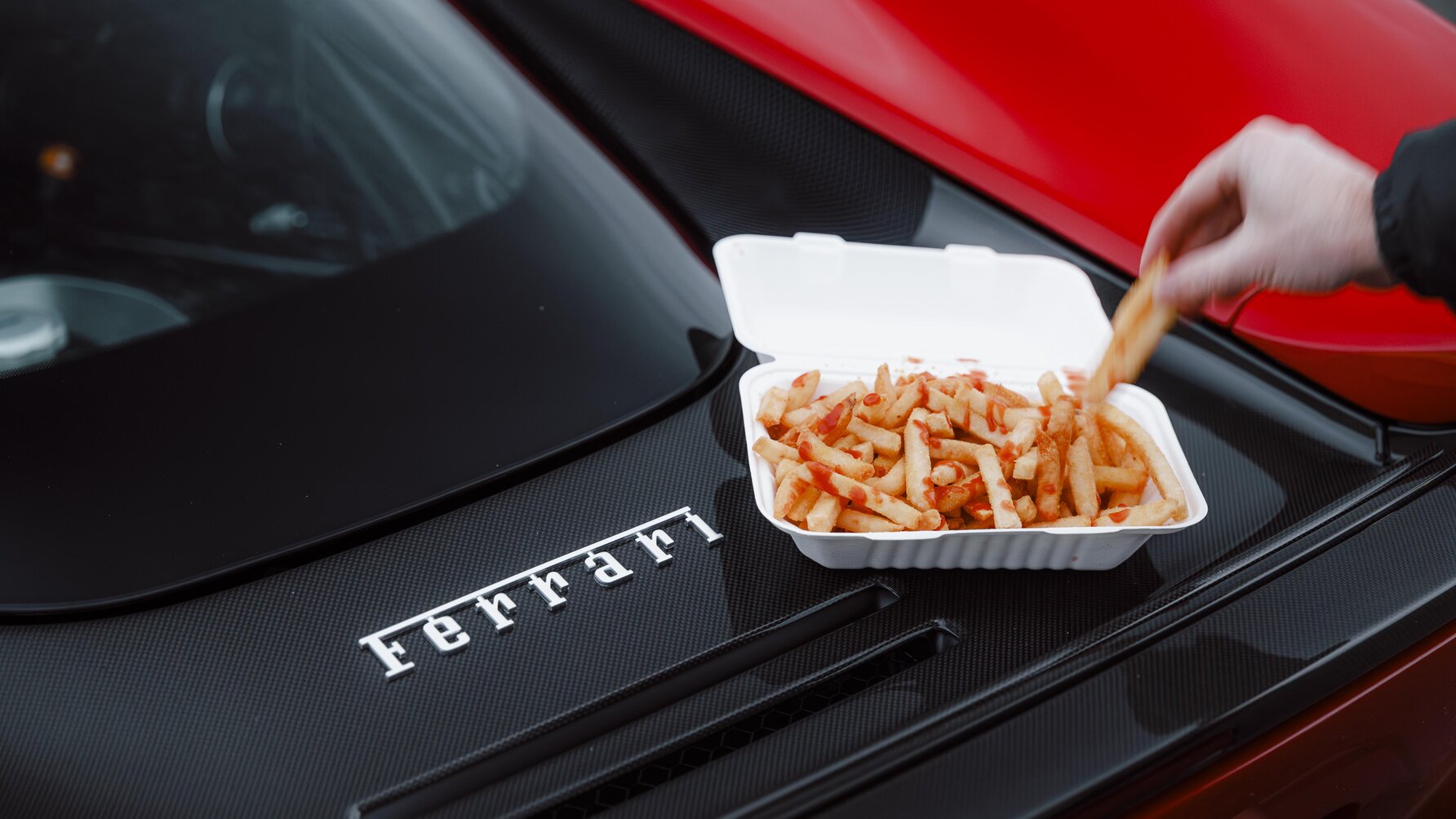
Ferrari claims 0–62mph in “less than” 2.3 seconds, 0–124mph in 6.35, quicker than a Bugatti Veyron Super Sport, so full throttle in this car requires planning. Even then, you can only take little swigs of it. A sustained depression makes you feel like your right foot is mixing liquid hydrogen and oxygen into a great nozzle somewhere aft of the tailpipes. It’s every bit as ferocious as you might imagine.
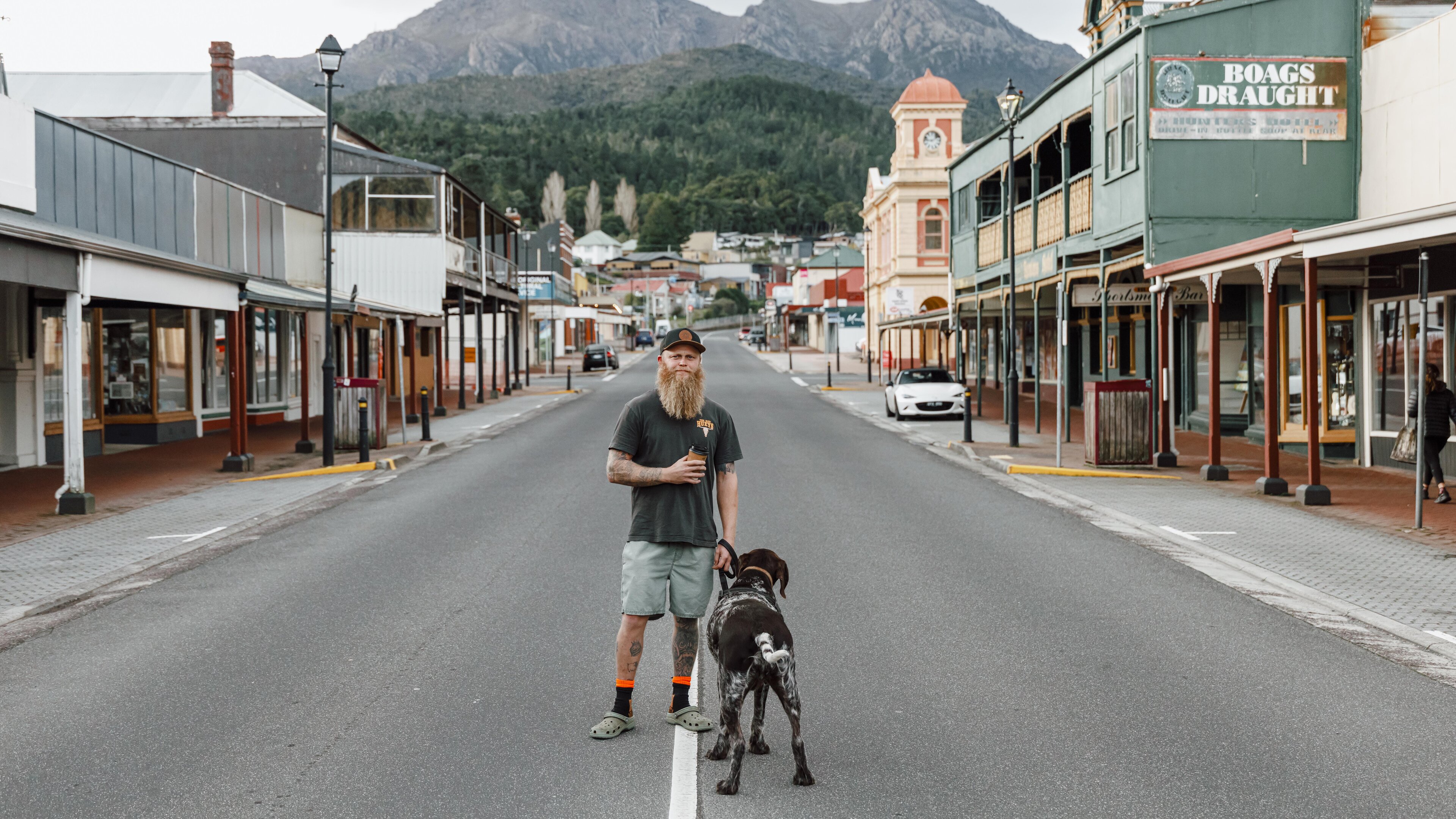
The bruised skies have merely threatened so far, but it’s not long before the roads are doused – time to quit while we’re ahead and find our motel in Tullah. We meet the cleaner Jody who silently studies the jutting front of the 849. We assume she’s about to make some comment about the gopping underbite. “That wouldn’t go over an echidna,” she says.
What follows is a 25-minute lesson in the best strategies for avoiding the various native animals inclined to leap in front of your car on the surrounding roads. “If there’s an echidna, toot your horn, they’ll curl up in a ball and you can go right over them,” she says. “Wallabies, you can’t do anything. Wombats continue the way they’re going. Tassie Devils usually keep running or stop.”
She looks at us, concerned, making sure it’s all going in. The next morning, we’re heading to Tasmania’s proudest ecological disaster, Queenstown, about an hour away. The best route is to Zeehan via Rosebery past Montezuma Falls. A road that would make the list of The Best Drives On Earth, but a mere transit leg in Tasmania.
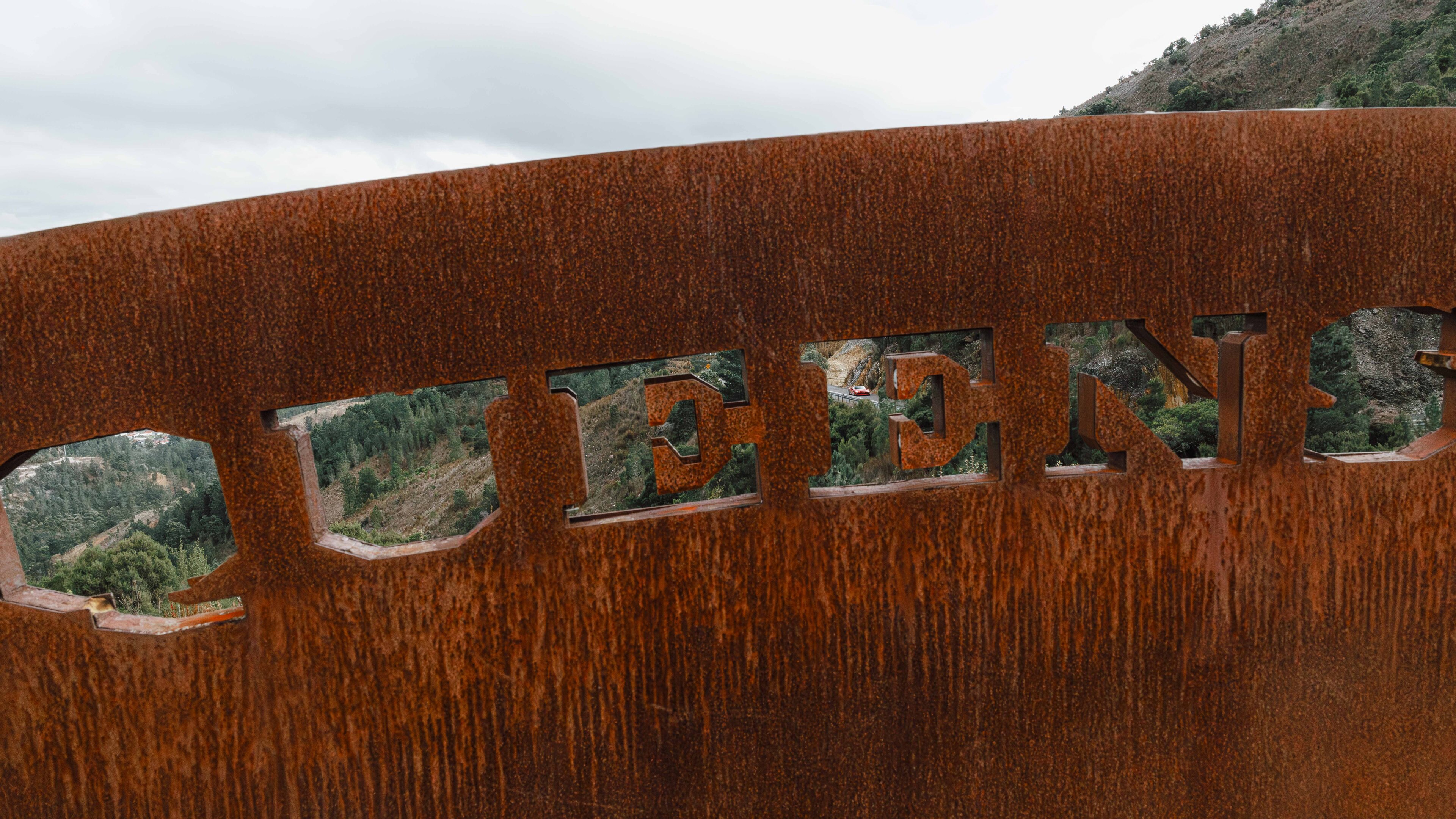
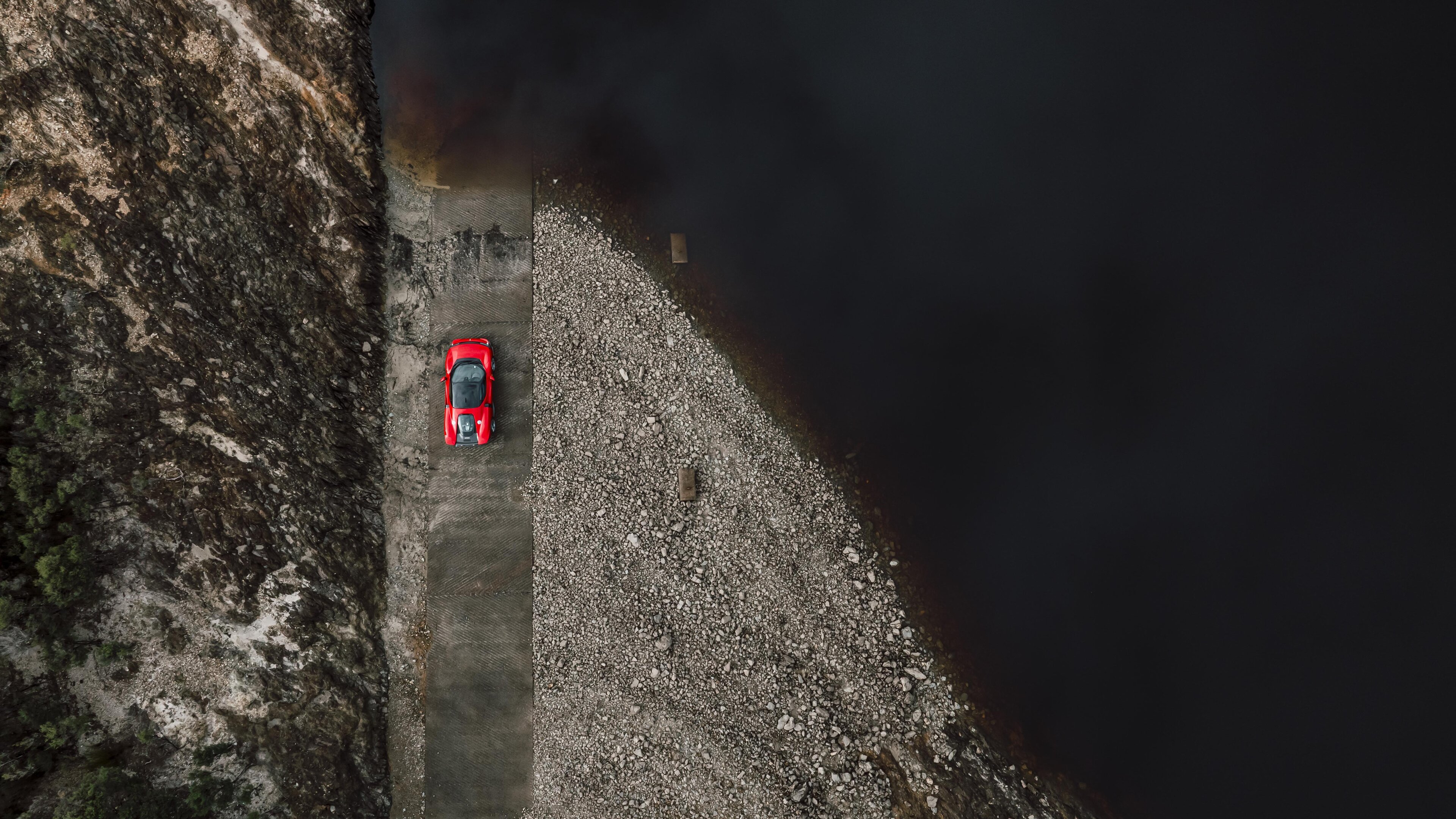
Queenstown feels like a Swiss mountain village surrounded by naked hills, giving it an otherworldly feel. In the late 1800s, all the trees were cut down and fed into copper smelters, which belched great clouds of sulphur into the local atmosphere, killing much of the remaining vegetation. Anything left was finished off by acid rain and erosion.
We’re here for a road called the 99 Bends. Images of helicopters chasing Porsche 911 GT3s on this road as part of Targa Tasmania come vividly to mind – today, it’s a drone and 849 Testarossa. Ascending about 250m in just three miles, the 99 Bends clings to the side of a Martian landscape with just a thin guardrail between you and an unwelcome feeling of weightlessness. It’s a road to sort of nowhere, meaning it’s mostly empty... and bone dry.
The Testarossa transforms into a different animal as the sticky Pirellis finally get some heat into them. With just 1.9 turns lock-to-lock, the super-fast steering means you can turn with thought alone and there’s a vertical wall of grip at the apex of each corner. Ferrari has never fitted larger turbos to a road car than it has in this one and it’s reason alone to put the windows down.
The turbos hiss like a bathtub full of snakes
Under load, right beside your head, the turbos hiss like a bathtub full of snakes; shut the throttle down quickly and you can hear fluttering and whooshing. It might not produce the eargasm wail of a nat-asp V8, but there’s enough going on for it to feel like a living, breathing thing, with smoother conversations going on between each axle than the SF90.
And like that our Tasmanian odyssey is over, three days gone in three minutes, but an 88-mile, two-hour ‘touring’ stage back to Devonport and the ferry gives us plenty of time to ponder. You could spend weeks exploring all the roads this island has to offer. Place names like Devil’s Gullet, Skullbone Plains, Hellfire Bluff, Dismal Swamp and, er, Middlesex, reflect the impression it made on the first European visitors. But what might stay with me most are the locals.
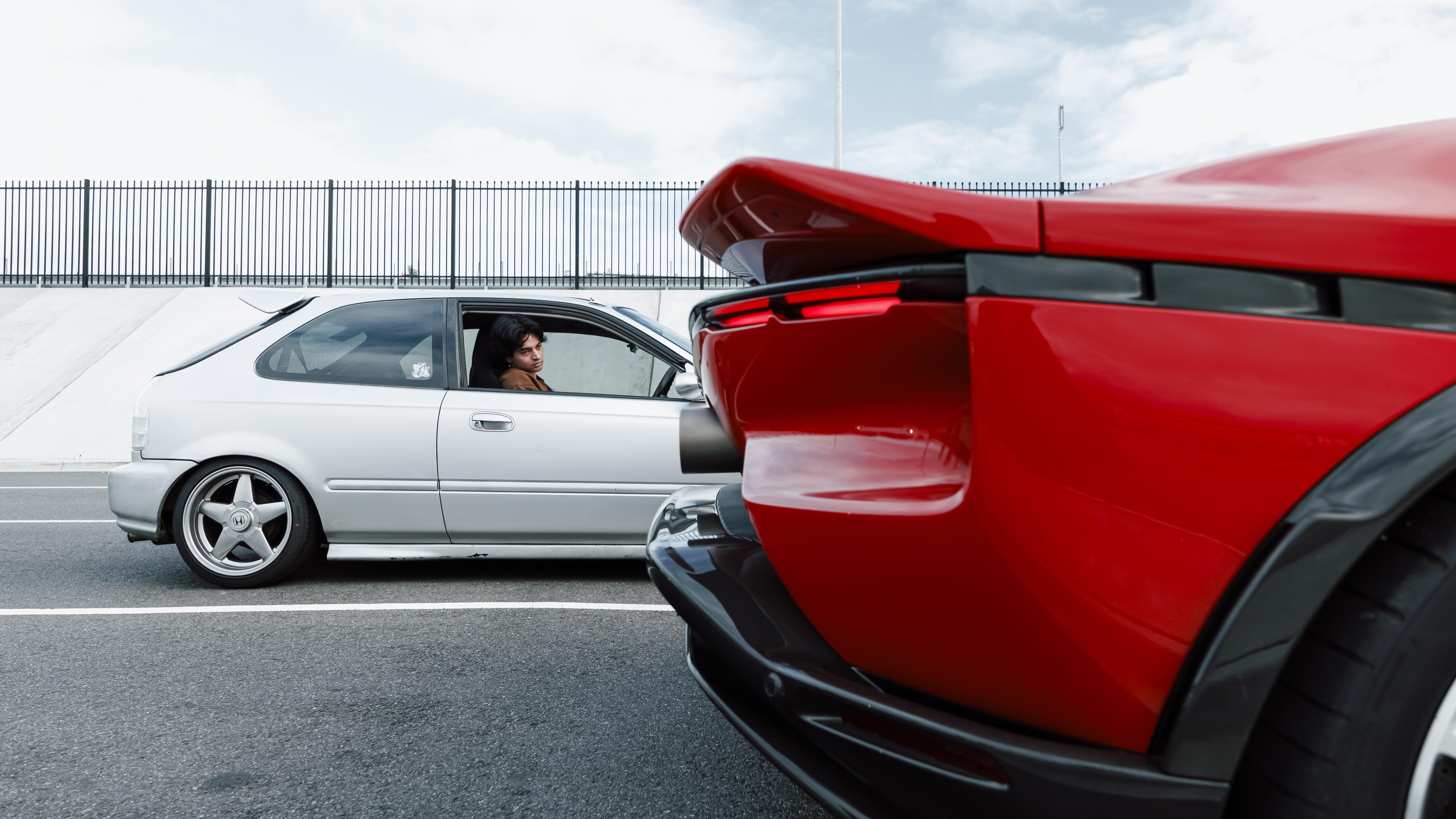
There must be more Italian blood here than I thought because in some towns, we’re literally chased down the road. If ever a small municipality needs to do an accurate census, they could just park a Testarossa in the middle of it and wait about 15 minutes. The born-again Testarossa is a freak of four-wheeled nature. Of course, bringing it to Tasmania’s mostly wet roads in winter felt like taking a wrecking ball to a game of conkers, but it offers more than just furious, brain melting speed.
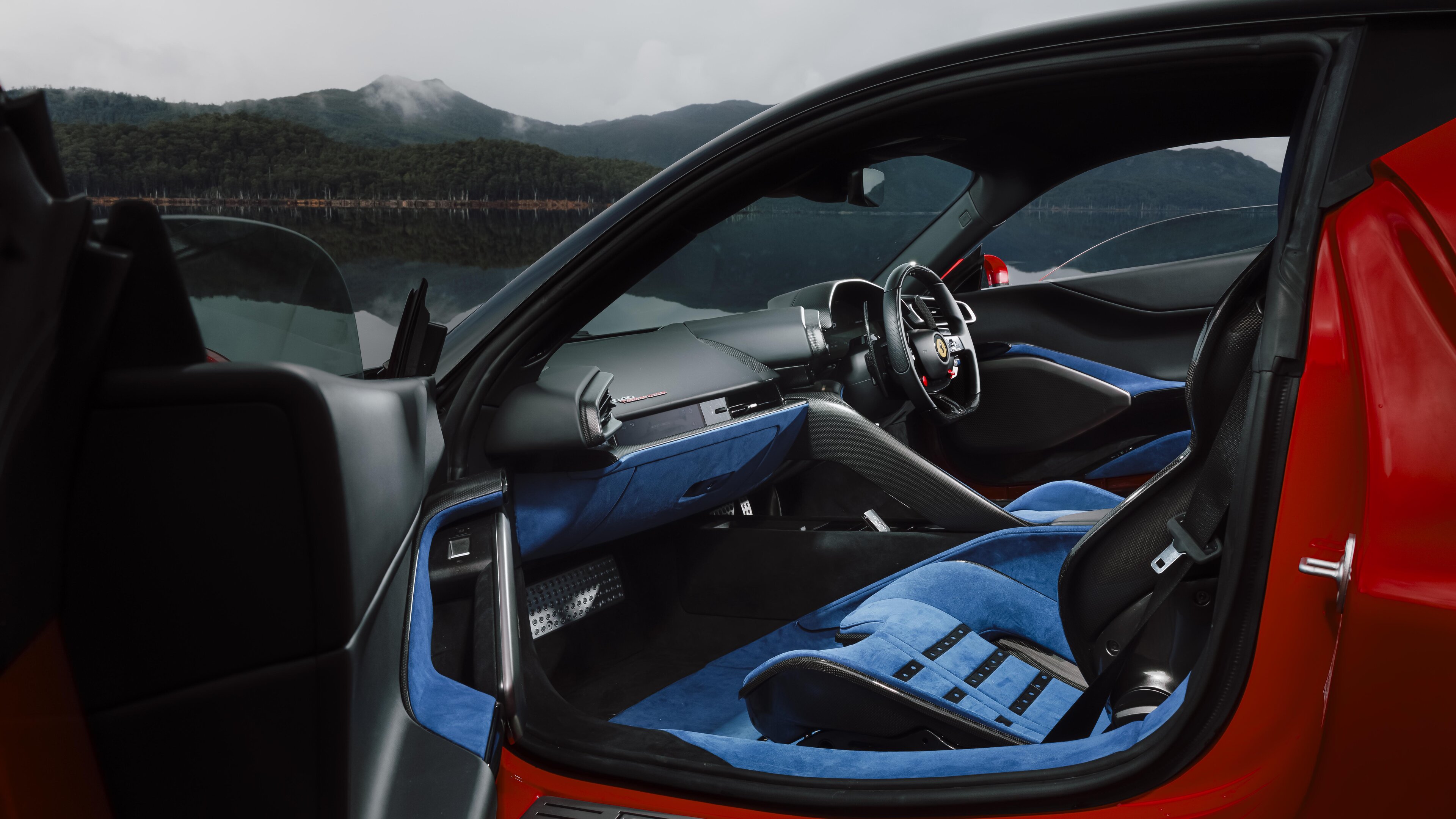
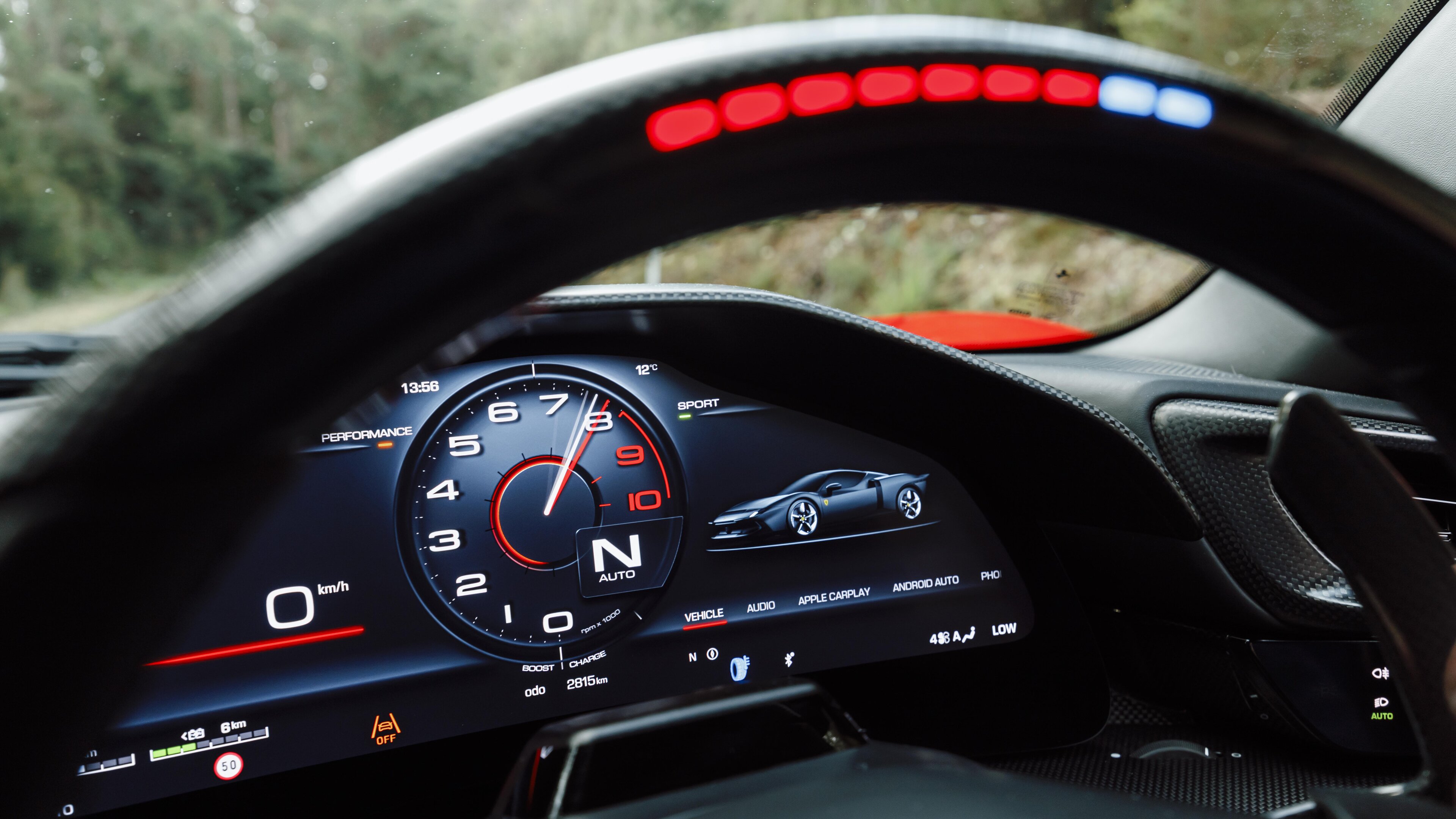
There’s actual ride comfort, especially in ‘Bumpy Road Mode’, where the entire car floats over imperfections as if suspended on a cushion of air. But then there’s the menu scrolling noises, which sound like a man gulping, and makes me want to gnaw my own fingers off. The dashboard creaks incessantly over crappy surfaces like HMS Victory in a stiff squall, and the 849 drinks like it couldn’t afford a psychologist.
As we close in on Devonport, we pass a locality called Promised Land, and Google Maps inexplicably wants to take us back south towards Mount Roland – another Targa Tasmania stage. Even modern technology isn’t immune to the gravity-like tug towards Tasmania’s best bits. It’s patently the wrong way, a 36-mile detour, but for another hit, we take it anyway. We’re running early, one last swig can’t hurt.