
Report 4
Pull this off, and one of the biggest barriers to EV adoption could be gone forever
Wireless car charging isn’t anything new. Porsche has been working on it for some time – and the Cayenne Electric can now be optioned with a wireless charging pad. But wireless car charging on the move? Well, that’s still some way off. Or is it?
As far back as 2022, Stellantis announced it was testing on the move inductive charging technology, and now Honda (yes, the same Honda that just binned all its next-gen EVs) has confirmed it is working on the technology alongside two partner companies, Taisei and Taisei Rotec, specialists in construction and road construction respectively.
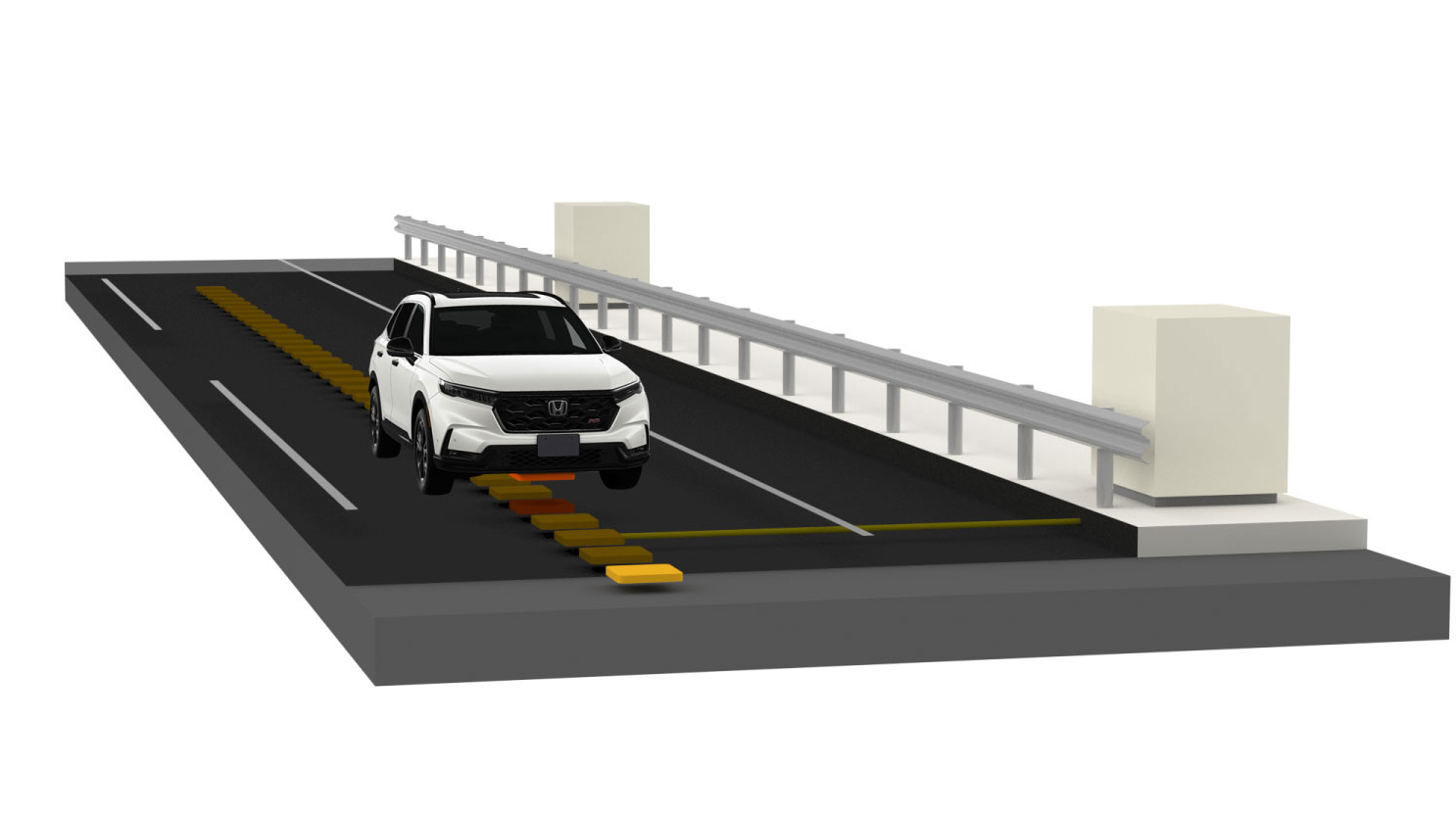
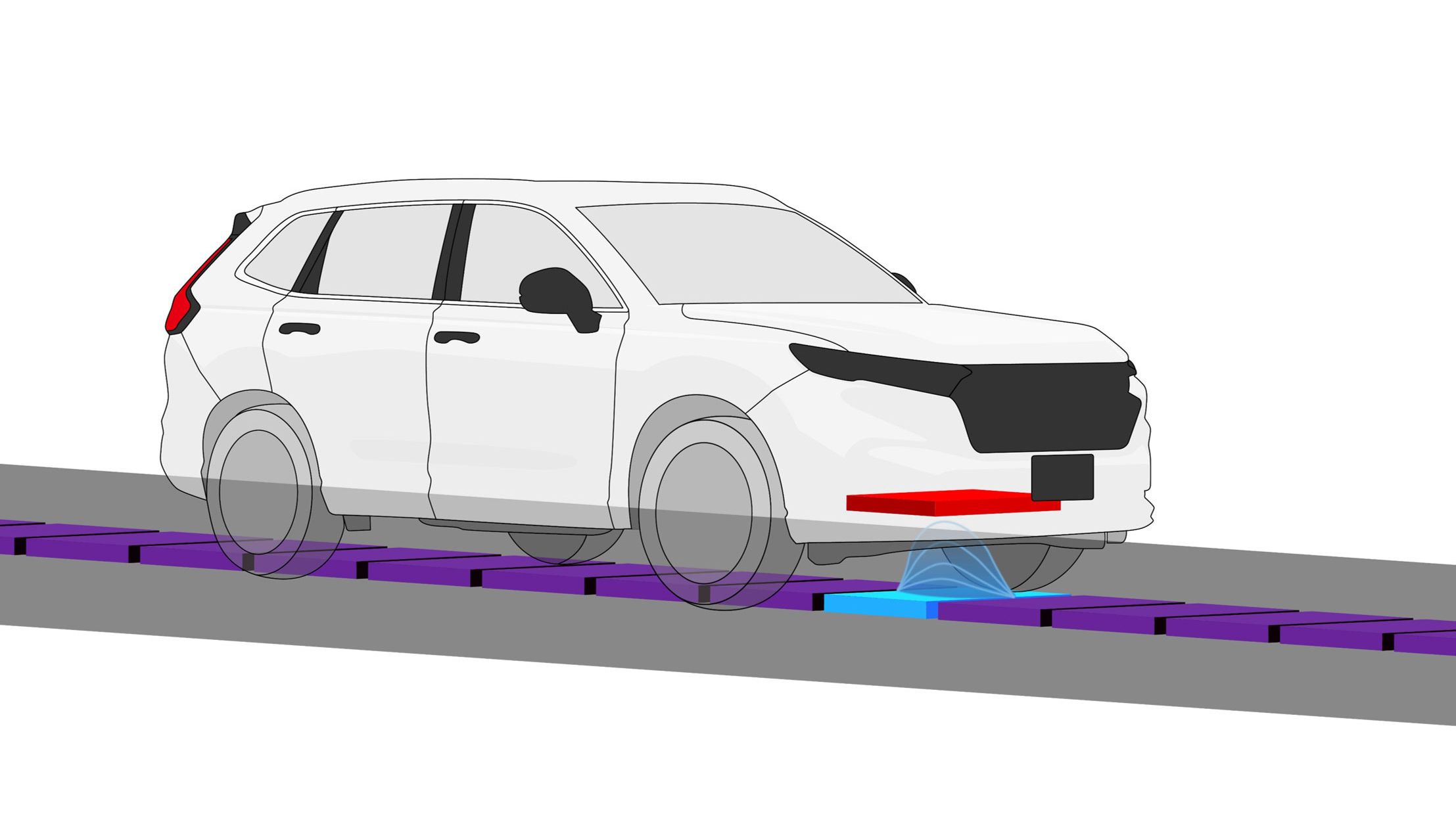
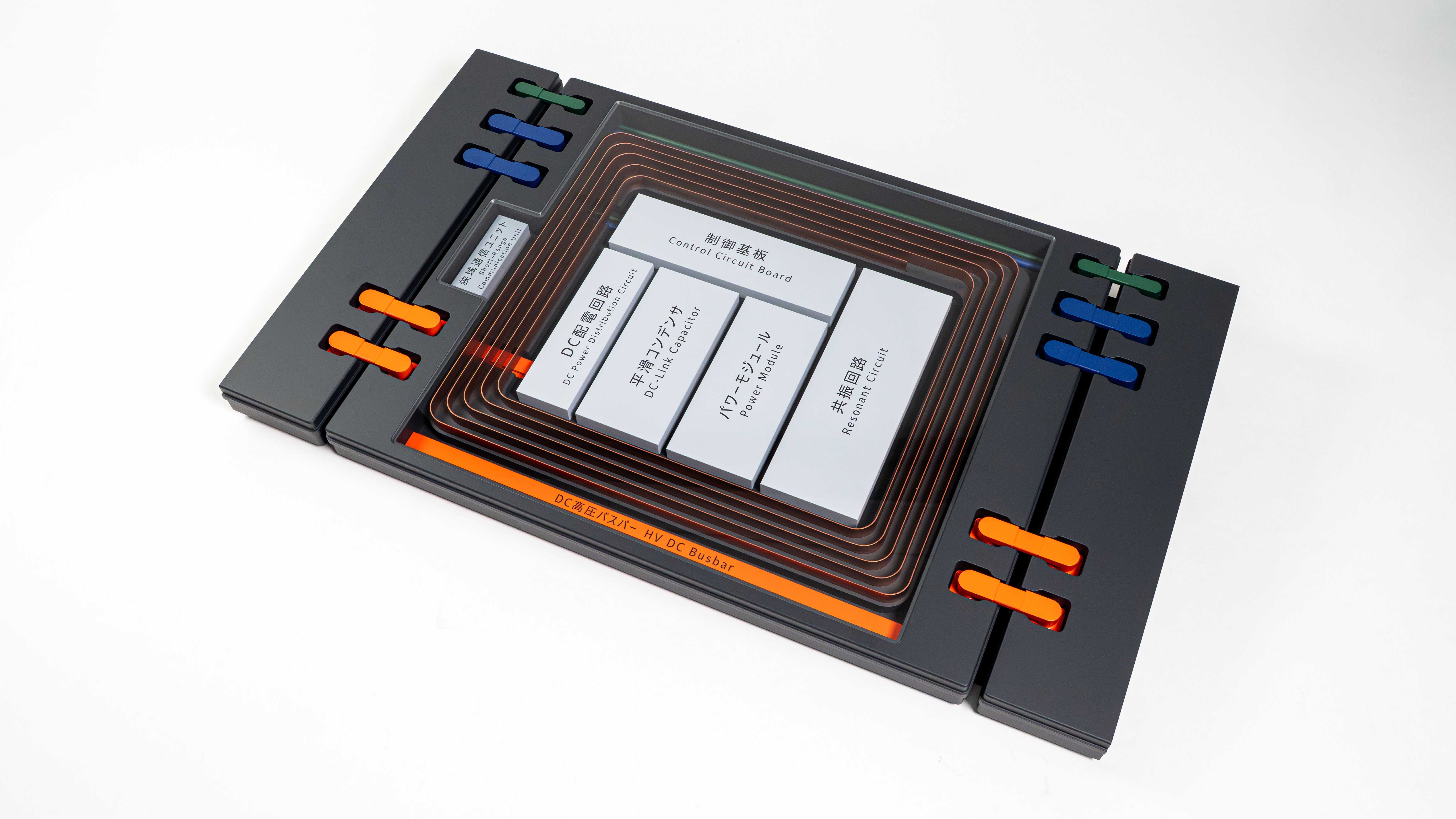
Catchily titled Dynamic Wireless Power Transfer (DWPT) technology, it combines Honda’s high-power-density receiver and transmitter units, Taisei’s high-response DC power supply system and Taisei Rotec’s technology for embedding equipment in road surfaces.
If that all sounds a bit wordy, think of it this way. The technology essentially consists of three key components: 1) a DC power supply system on the ground, 2) power transmitter units embedded in the road, and 3) a power receiver unit in the car. As you drive along, the alternating magnetic field induces a current in the car. Simples.
Target power output is up to 150kW, while targeted weight is anything up to 20 tonnes. That’s everything from passenger cars right up to commercial lorries.
Honda says that in late 2026, construction will begin on a ‘test drive roadway’ at Taisei’s Future Technology Field in Satte, Japan, to allow for durability, performance and safety assessment. Then, from spring 2027, real world testing will commence on the Tateyama Expressway in Chiba, Japan.
The advantages are many, helping to reduce range anxiety, addressing existing issues with charging infrastructure, and meaning our EVs can be fitted with smaller and cheaper batteries. But installing the technology will require ripping up roads, which'll be a timely, expensive and unpopular exercise. Food for thought.
Get all the latest news, reviews and exclusives, direct to your inbox.
Get all the latest news, reviews and exclusives, direct to your inbox.