





GamingTop Gear
Opinion: we need to make more ugly games
Risky concepts with terrible graphics will save the industry. By the end of this article, you’ll agree.
It won’t have escaped anyone’s attention that the games industry is struggling. Analysts will theorise the reasons for years afterwards, but the more obvious factors have been the Covid pandemic, the financial crisis caused by the Covid pandemic, and the huge and unsustainable surge in gaming interest during the Covid pandemic which the money men responded to by upscaling all their operations and agreeing private equity buyouts under the assumption that everybody would be playing and consuming gaming media as much as they did in 2020 forevermore.
They didn’t. In tandem with that downturn in engagement, a bunch of those private equity deals went bad when it transpired that the money used to buy and gut game development studios, er, didn’t actually exist.
Advertisement - Page continues below
Microsoft made a huge $80bn bet that if it bought up all the studios people cared about to secure their titles for Game Pass, one day it would generate enough revenue to offset the studio acquisition costs, and the lost revenue from direct sales. It was a losing bet. On paper, Game Pass became profitable, but not by nearly as much as the company needed in order to continue with that strategy.
Then the global economy took a hit after several major wars broke out, supply lines were disrupted, and… this is starting to sound like the scrolling intro text in a Fallout game. Long story short: it’s really hard to make games now.


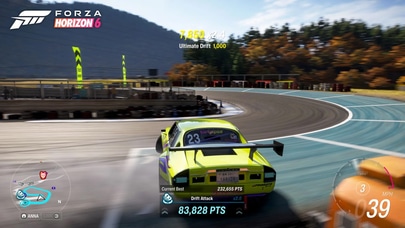
It’s hard not just because the global economy is so brutal or because gaming bosses made so many monumental miscalculations since Covid, but because making games has become an increasingly multidisciplinary task.
You need to pay a lot of people for a wide range of skills, in Unreal Engine and numerous programs that plug into it. And you need to pay them more than you did five years ago, because it costs them more to feed themselves, to fill their car to drive to work, and to shelter themselves when they’re not writing lines of code or building wireframes for you.
Advertisement - Page continues below
But here’s the thing: the costs are becoming untenable for just one specific type of game development. Bells-and-whistles games like The Witcher IV and Grand Theft Auto 6, the blockbusters whom we all look towards to set new standards in visual fidelity and interactivity. It’s true only of triple-A.
Making a triple-A game is a fool’s errand in 2026. It takes so much time and money to reach the standard people expect that it’s very unlikely you’ll turn a profit when you finally release it. The solution, clearly – clearly – is to stop chasing higher benchmarks for visual realism.
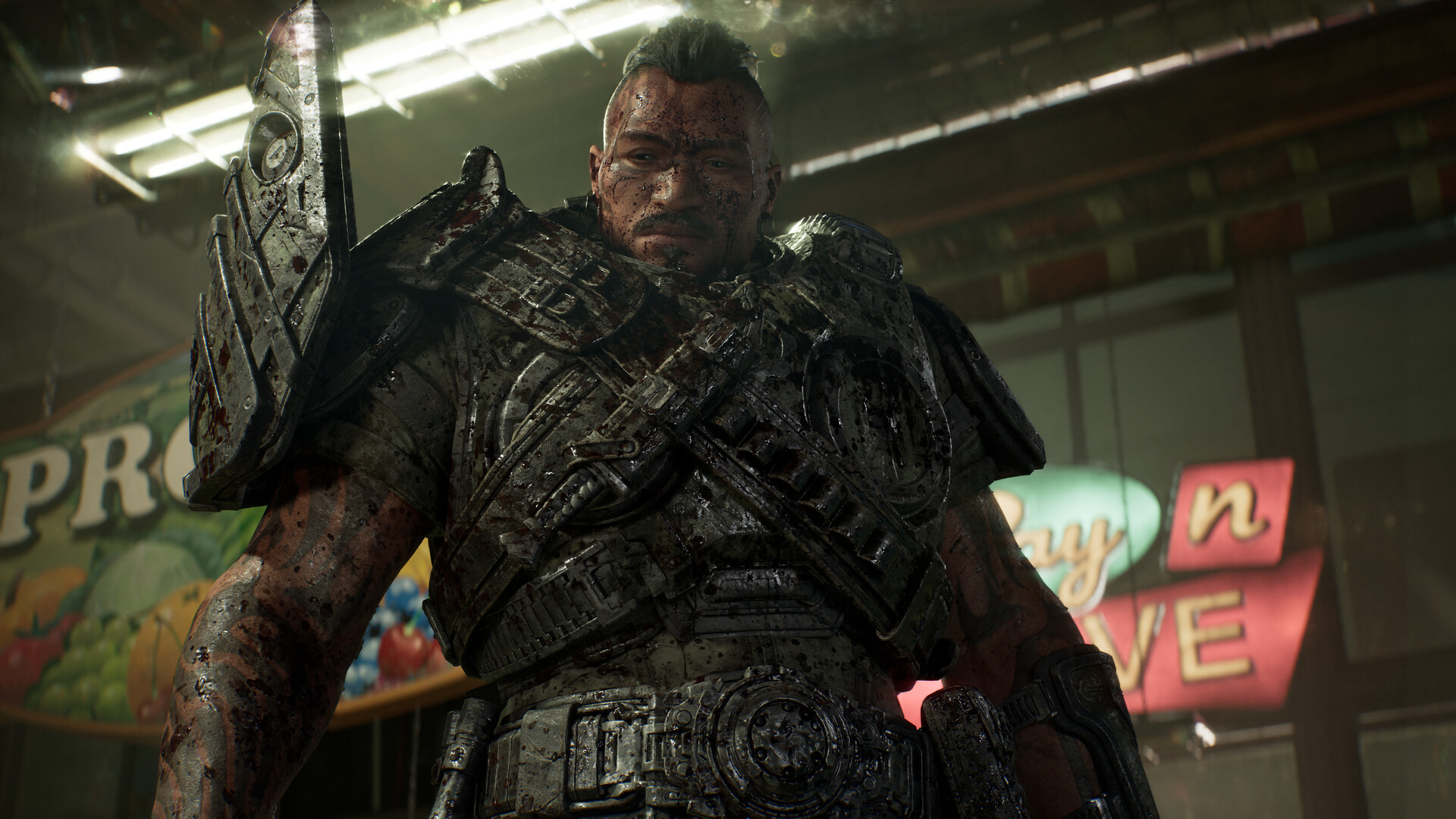
This isn’t the nineties anymore. Game visuals haven’t changed much in a decade. Console manufacturers aren’t selling units off the back of how the new Gears of War looks, because it looks the same as the last one. Because Moore’s Law broke a while ago and gaming hardware isn’t advancing at the same rate it once was. Ergo, game graphics just aren’t the marketing tool they once were either. Without massive innovations on the circuit board and a constant stream of new hardware standards, developers are having to work harder than ever to squeeze marginal gains out of engine tools and APIs.
Imagine if this was true of game audio instead. Imagine if game development costs were spiraling out of control because studios were breaking themselves to find better ways to compress lossless audio, running an unsustainable amount of recording sessions, and buying eye-wateringly expensive studio mics. You’d tell them to stop being so silly and focus on the bits that matter most.
Top Gear
Newsletter
Get all the latest news, reviews and exclusives, direct to your inbox.
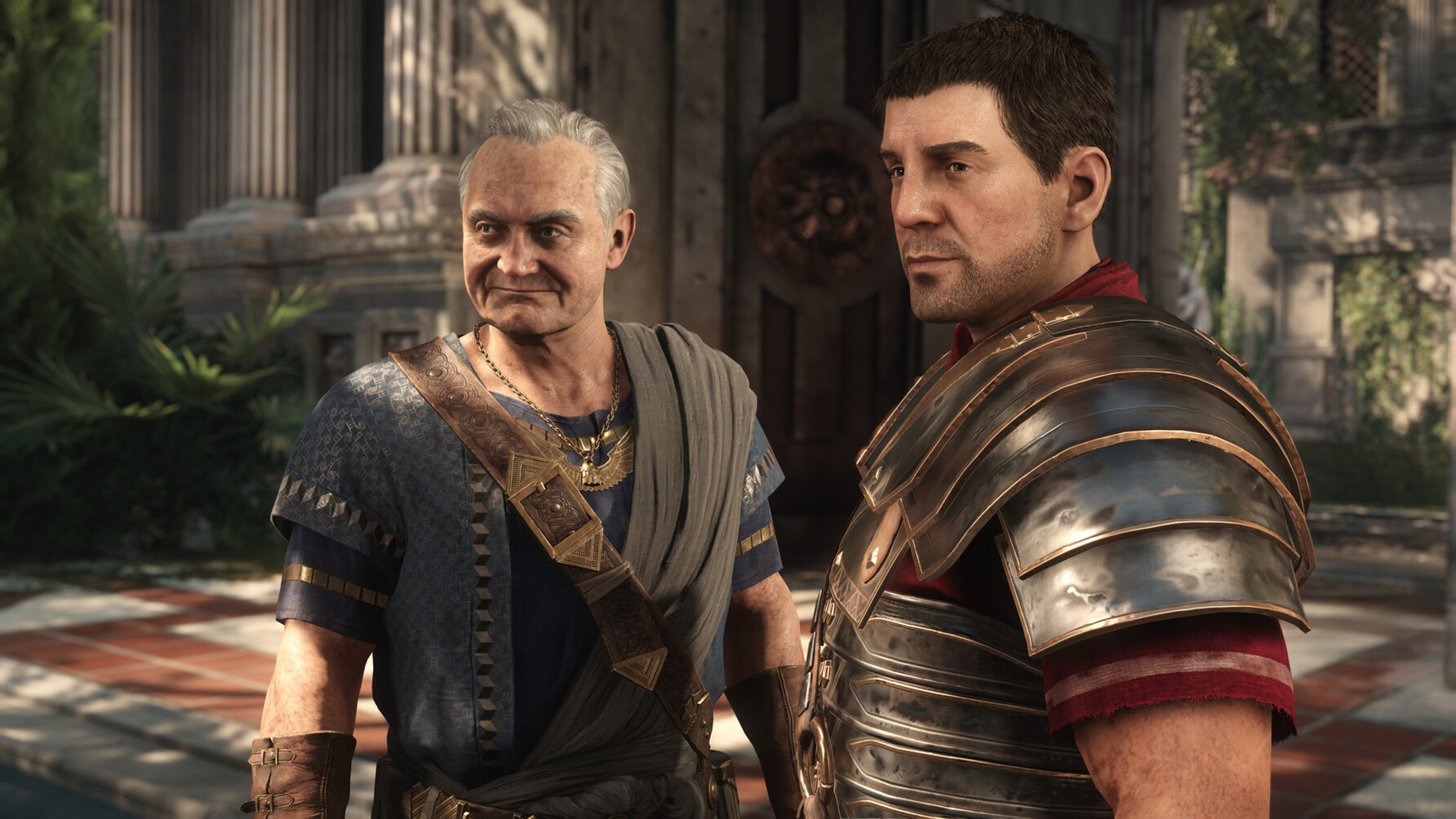
It’s the same proposition for graphics. If how a game looked was the most important factor in its overall quality, every ‘best games ever’ article on the internet would be full of effusive sentences about The Order: 1886 and Ryse: Son of Rome.
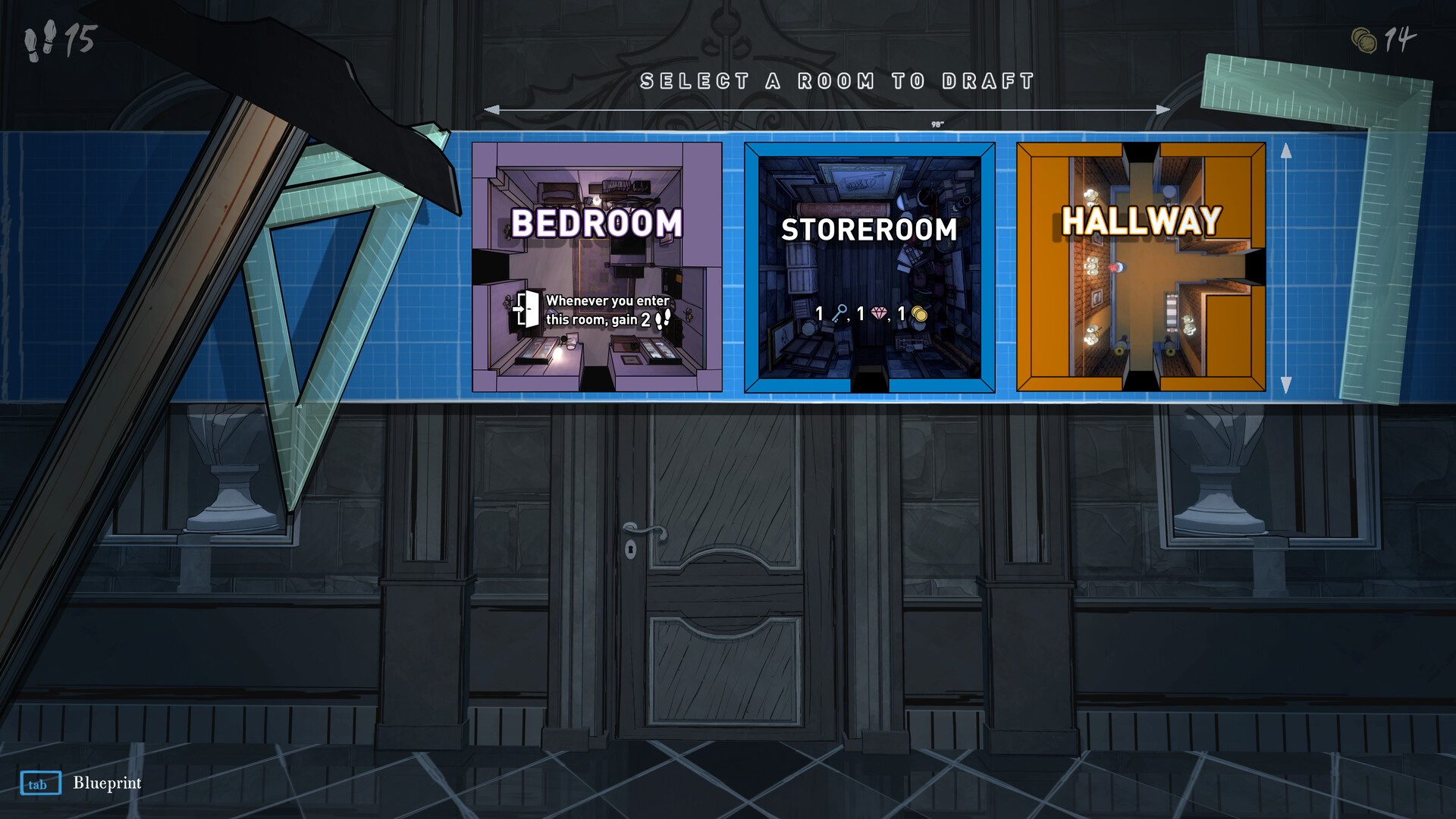
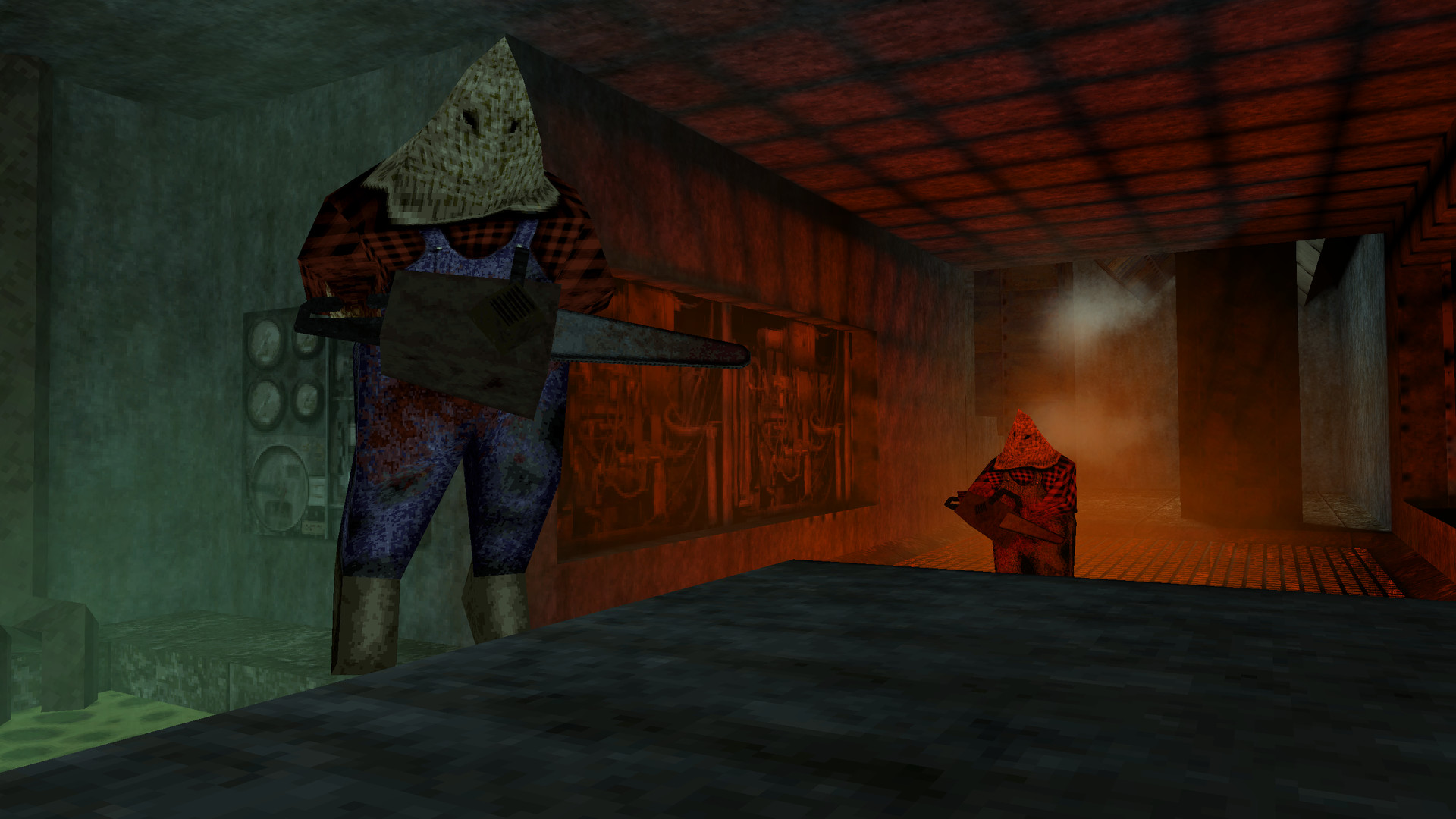
Conversely, some of the most exciting games of the last decade – Dusk, The Blue Prince, Hades – have completely rejected that pixel arms race and used cheaper visual techniques to far greater effect than their blockbuster peers. In short, making a game look good is about the stylistic choices you see onscreen, not how much each pixel makes your hardware wheeze.
So we need games to look worse. We need developers to turn the great big ‘graphics’ dial right down, and trust that we’ll enjoy the story, characters, systems, combat, puzzles and environments regardless. More than that, we need games to be worse. Less polished. Less expansive. We need fewer dead-eyed, tried-and-tested live service husks, and more noble experiments.
The really big games for the last two decades now have come more reliably from indie developers than the triple-A machine. Minecraft was a one-person project. PUBG Battlegrounds was a mod of a mod for reasonably obscure military simulator ArmA 3. Fortnite was a hastily tacked-on mode in a PvE survival game, made in direct response to PUBG’s success. They’ve become the benchmark that modern big budget live service releases compare themselves to, and then get canned when they don’t reach the same active user numbers.
Those games succeeded because they gave us genuinely new experiences. It’s as simple as that. Their developers made cool games, not commercially viable entertainment projects. That means putting a laser focus on the things people, y’know, actually care about.
A gaming ecosystem that doesn’t survive on bleeding-edge graphics but prioritises experiences instead. Hang on – have we just invented Nintendo? It’s true that this has been the Japanese platform holder’s apparent strategy for decades now. It didn’t always seem like a bulletproof one during the Wii U days, but as Microsoft and Sony have wandered into increasing difficulty with hardware pricing, first-party studio management and their game libraries in recent years, Nintendo is starting to look like the slow tortoise that won the race.
We don’t need a whole new console for this to happen. We just need the people who bankroll games to recognise that the industry’s built on creativity and risk. We need the creators being bankrolled to spend big on concepts and systems, and be penny-pinchers about graphics.
Worse games, then. Who’s up for it?

Trending this week
- Top Gear's Top 9
Nine funky Brazilian cars with Volkswagen engines
- Car Review
Porsche Panamera