




OpinionTop Gear
Why isn't the Nürburgring 24 Hour race a bigger deal?
One of the world's wildest and best races has gone under the radar for too long...
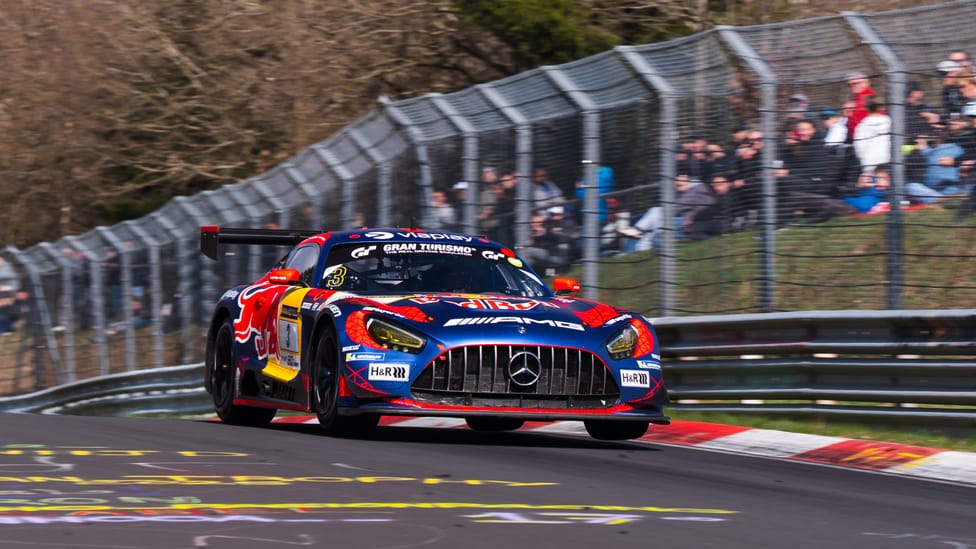
I recently attended the biggest simracing event of the year, and there was nary a loading screen or disconnection error in sight. Max Verstappen’s participation in this year’s Nürburgring 24 Hours is a story born from his late nights plugged into iRacing, falling in love with endurance racing on this track. So yes, I’m claiming this one for the nerds, folks.
I suspect, after the race, there are a fair few others who have fallen in love with it too. Attendance at the circuit itself was record-breaking, as was the viewership online, and sections of the race were shown on Sky Sports F1. The teams and drivers put on quite the show as well; the first nine hours of racing was more breathless than a brisk jog around Everest base camp.
Advertisement - Page continues below
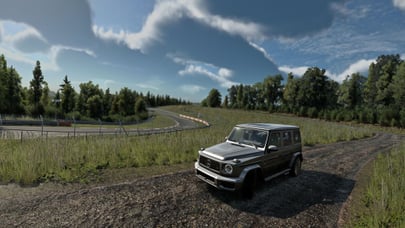
Personally, I’m ecstatic that people are finally beginning to understand the unique appeal of this special race. At the risk of sounding like a pretentious muso who ‘liked it before it was cool’, frankly I don’t understand why it’s taken so long. This is an event I’ve been obsessed with for over two decades ever since I first drove the track in Gran Turismo 4.
I remember sitting in the university library, back when wifi was a precious rarity, following the race via audio commentary and livestreamed CCTV footage when I should have been writing my final year dissertation. That’s probably the reason why I ended up in my own Red Bull-fuelled endurance race the night before hand in.
Manufacturers have understood the event’s relevance for some time. This year I was a guest of Dunlop Tyres, who provided a warm, sheltered vantage point from which to watch the race and enough Germanic cooked meats to trouble even the most robust digestive tract. Dunlop runs its own car in this race not just as traditional sponsorship, but because 24 hours around the toughest permanent circuit on the planet, in weather that this year included hail and snow, represents an unparalleled development challenge.
Stefanie Olbertz, Dunlop’s motorsport manager, described it to me as ‘a rolling test lab’ and this year the squad was testing ‘Sensing Core’ on the car during the race, a sensorless system for reading pressures, load and tyre wear in real time. Much as F1 pays lip service to road relevance, this is tech proven on the track that will eventually no doubt find its way to your local branch of Kwik Fit.
Advertisement - Page continues below
That’s just one of hundreds of stories from a race that featured 160 cars and almost four times as many drivers. And as for Max Verstappen? His car retired just a few hours from the finish and, if I’m honest, I’m glad he didn’t win the race. Not because I have any particular animus towards him, but because if he’d won he might have walked away, mission accomplished.
As it is, I suspect he’ll be back next year to try again, which means more people watching and more people bitten by the bug of this very special race.
Top Gear
Newsletter
Get all the latest news, reviews and exclusives, direct to your inbox.
Trending this week
- Long Term Review
We lived with the bestselling Alfa for six months. Should you?