


Advertisement
“Not the EV we’d recommend, but if you like the way it looks and battery-power suits your lifestyle then by all means”
Good stuff
Different to look at and sit in, same space and boot as the ICE version
Bad stuff
Inconsistent ride comfort, cramped in the back
Overview
What is it?
If you want a super-small, vaguely SUV-shaped, style-focussed thing, you're not starved of choice. The VW Taigo maybe, Toyota Yaris Cross, Nissan Juke, Fiat 500X or Audi Q2. However if you want one powered not by petrol or diesel but exclusively by electricity, you’ve got few options.
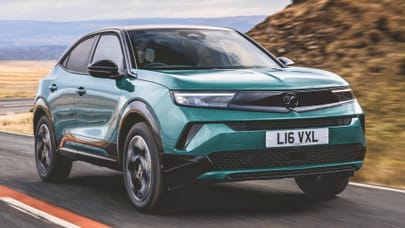
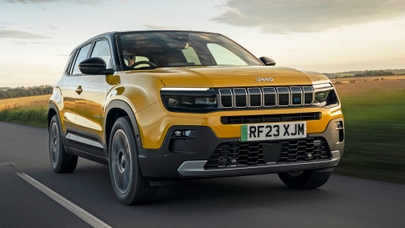
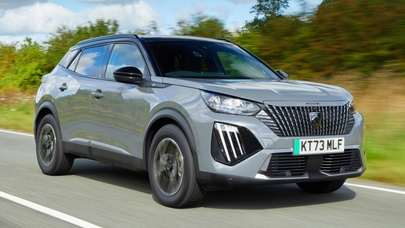
And they're all closely related challengers from the multi-armed Stellantis empire: the Vauxhall Mokka, Jeep Avenger and this, the DS 3 E-Tense. The related Peugeot e-2008 by the way is longer in the wheelbase and bigger overall.
Advertisement - Page continues below
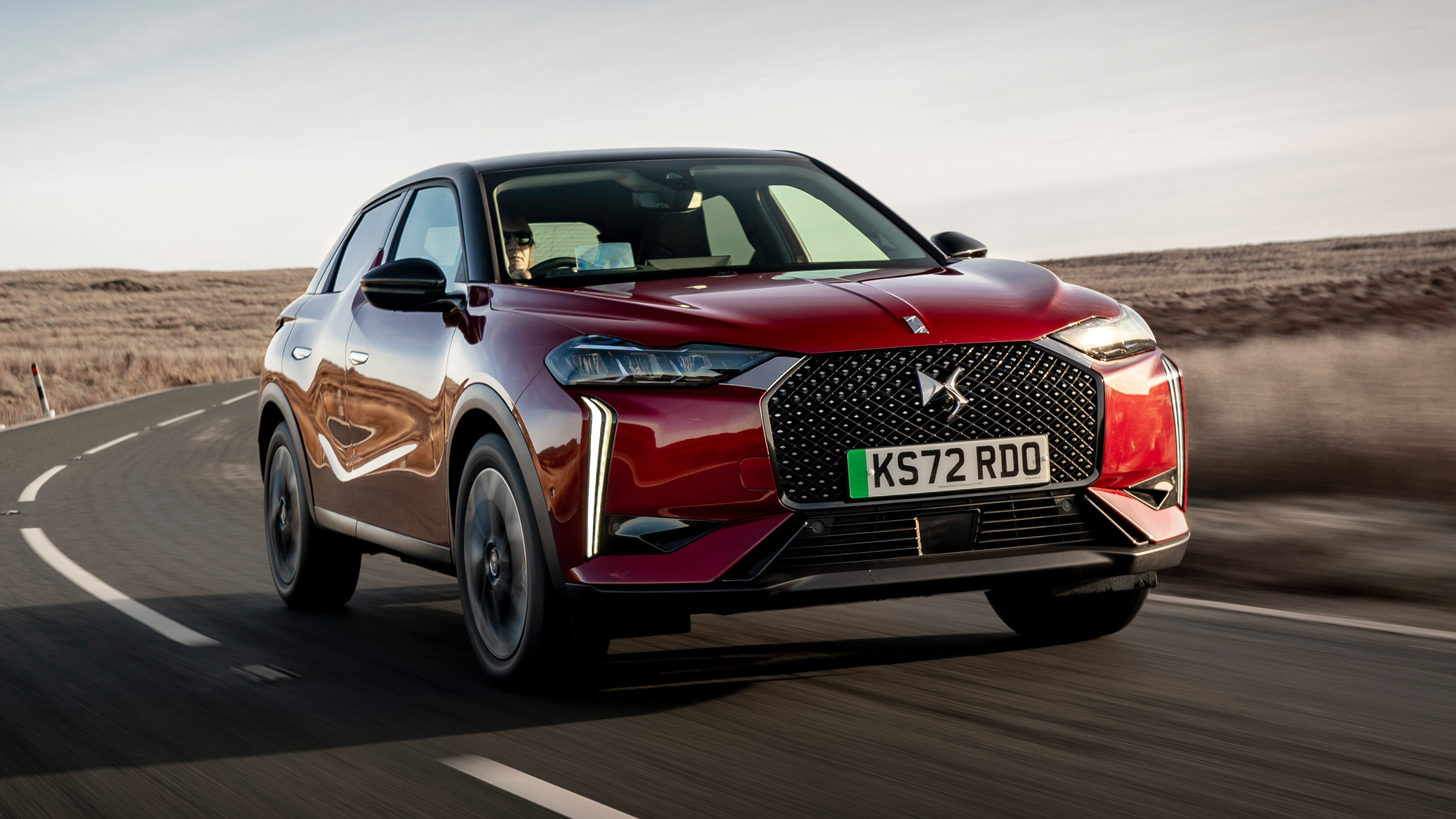
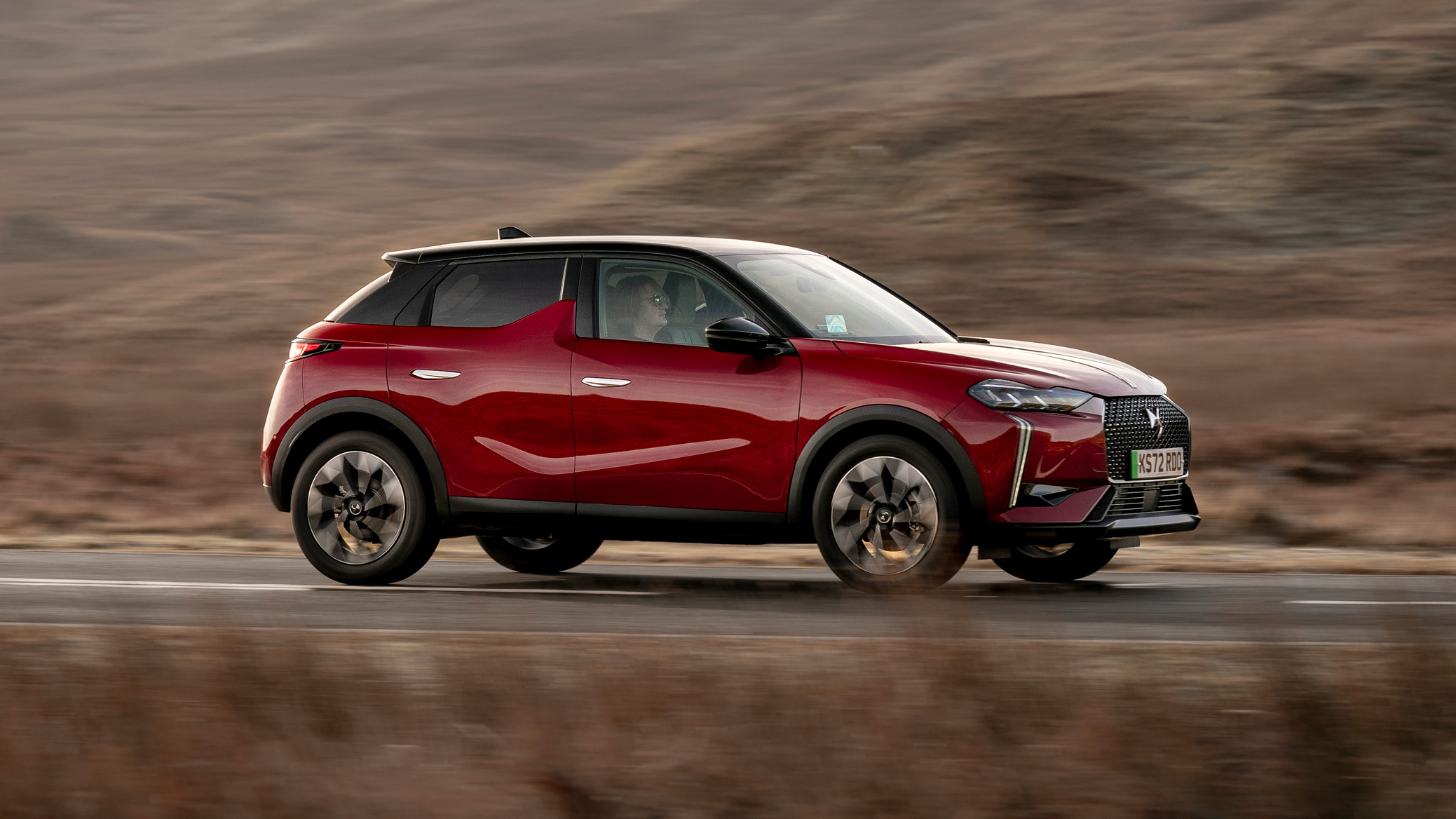
The DS 3 is a car that, frankly, you buy for style. The thick rear pillars make it feel cell-like in the back, and operating the ornate dash switchgear takes a bit of getting used to. It's certainly not vanilla. More like arôme Calvados-noisettes.
What’s new?
It has been facelifted. Like any good mid-life tweak of an electric car, that involves a battery bump. It's gone from the original's 50kWh (gross) to 54 (gross), meaning there's now 51kWh useable.
More on charging times and ownership in the Buying tab of this review. The old battery struggled to pass 200 miles WLTP. The new one is rated at 250 miles on 17-inch wheels.
If that sounds like more of an improvement than the new battery would imply, congratulations on your maths. Efficiency has also improved, thanks to an all-new motor and inverter. A heat pump is standard across all trim levels. The tyres are tall and narrow to cut drag, and for the same reason it now rides 10mm closer to the earth.
Advertisement - Page continues below
Any more for the facelift?
Yup, new lights, and a new front end, with a wider grille. That nose is said to help aero too. Inside, the screen interface is slicker. Had to be really. Standard kit includes phone mirroring, and built-in traffic-aware navigation is on the next trim up. Oh yeah, and the name. It's now a curt DS 3, no longer a Crossback.
Don't they do a petrol too?
Yup. As in all the Stellantis cars on this platform, the battery pack is an H-shape job, so they don't demand a new floor. There are cells under the front and rear seats, but not in the front and rear footwells. So space for people and in the boot is barely different from the petrol DS 3.
Even so, there isn't much in the back. It's a short-wheelbase car. The Jeep Avenger makes more space by sitting the back bench higher; the Peugeot e-2008 has a longer wheelbase.
There's no diesel DS 3. Combustion choices are just a 100bhp manual or 130 auto petrol, both the same 1.2-litre triple that's long been playing heavy rotation across the group. See the review here.
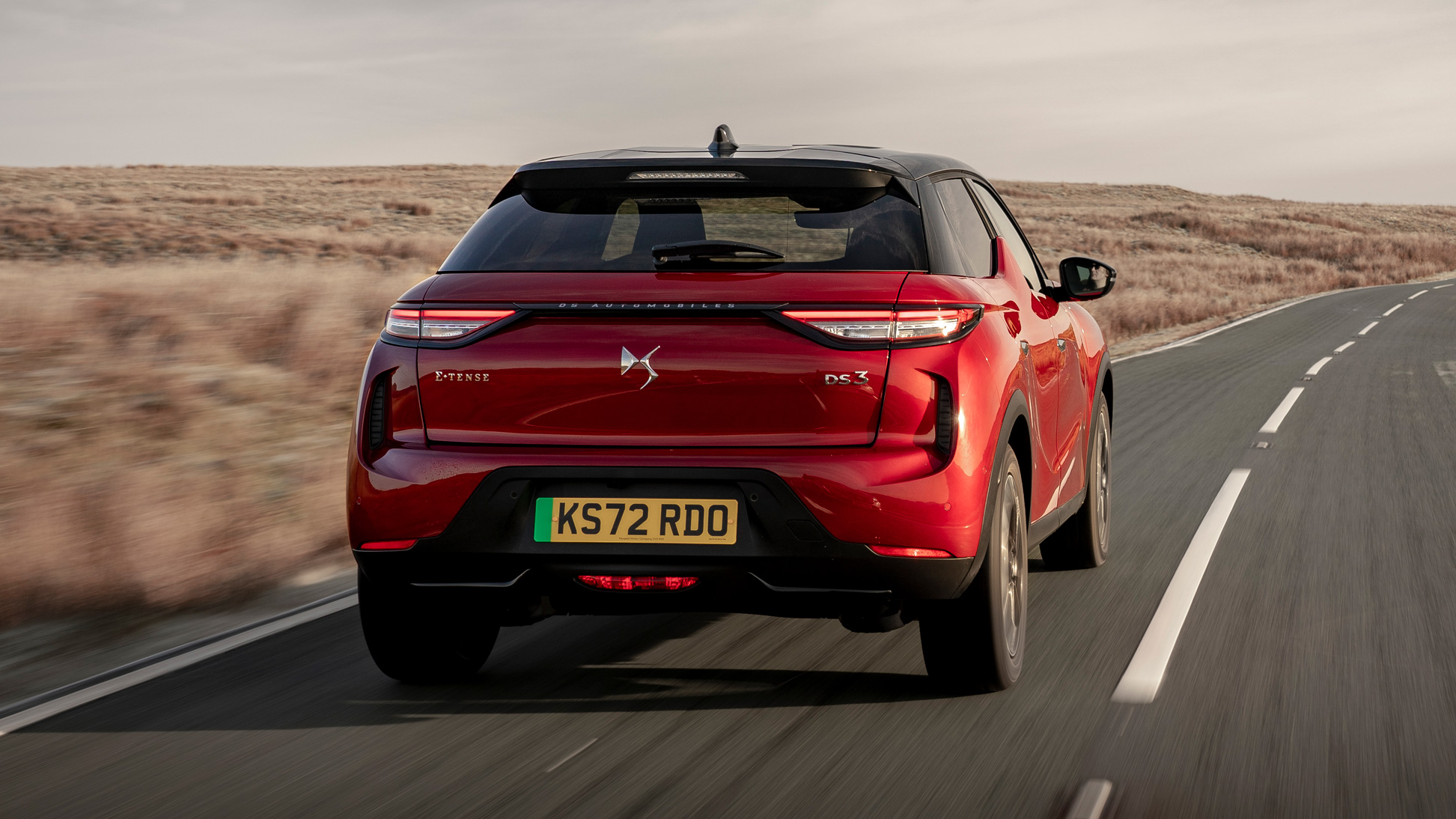
In fact you couldn’t identify the EV in a line-up of DS 3s. Well, if the subtle E-Tense badges were gaffer-taped over. There’s no blanked-off grille, different bodywork or special trim. The E-Tense is available in the same trims and with the same equipment. Indeed, it’ll be built in the same factory (near Paris), on the same production line.
For PSA, electricity is merely an alternative means of propelling your DS 3 - an option alongside petrol - rather than cause for a standalone model. We quite like that. Helps normalise the technology.
What's the verdict?
“The DS 3's quirky design, upmarket trim and premium features will be reasons enough to get one over more practical rivals”
DS doesn’t think the DS 3 E-Tense has any rivals, but it costs barely less than somewhat longer-range Korean EVs, the Hyundai Kona Electric and Kia Niro EV. And they're roomier, in their second generations, are easier to use and better resolved. That's why they sell so well to the city cabbing trade.
But the DS 3's quirky design, upmarket trim and premium features will be reasons enough to get one over the more practical rivals, even with those dynamic shortcomings. And no-one will think you're an Uber.