

MERCEDES-BENZ
CLA 250+ 200kW Sport 85kWh 5dr Auto
£44,185
Ride and comfort, refinement, well-sorted dynamics, efficiency and range with rapid charging too
Short on rear legroom, 'Digital Extras' confusing, it's £850 extra to use old low-power DC chargers
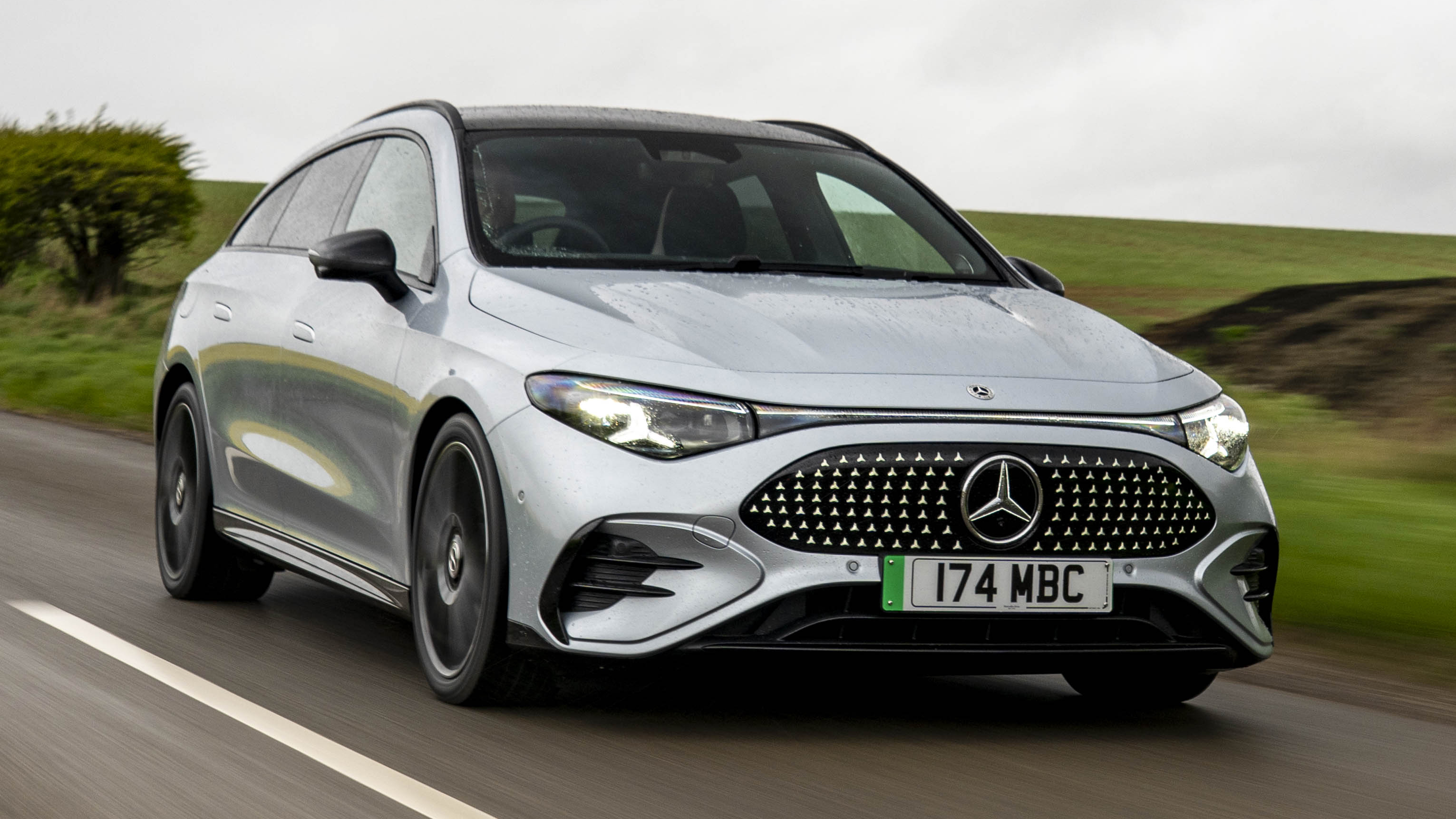
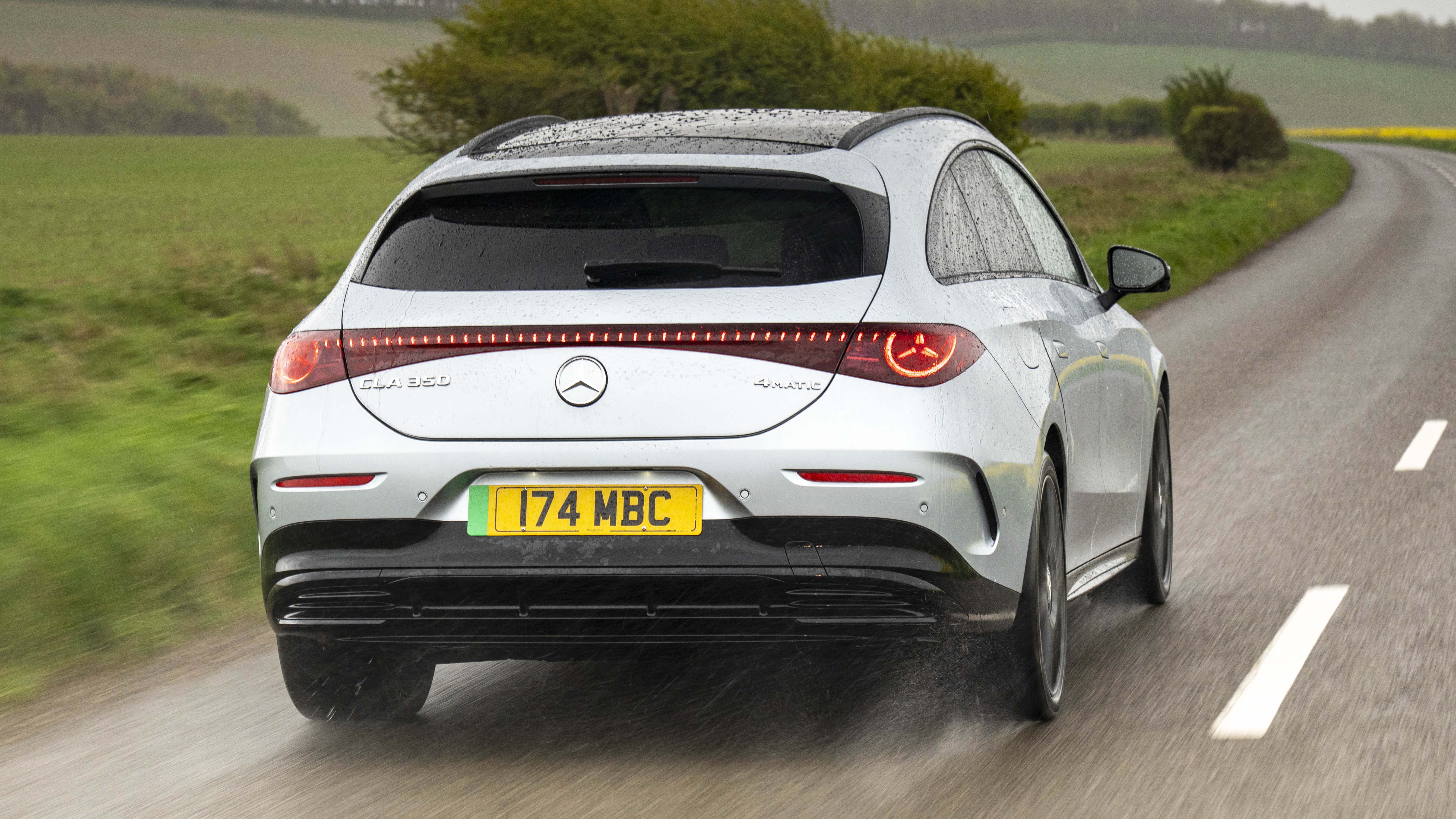
The Mercedes CLA was Top Gear's Saloon of the Year when it launched. This is the estate version, and an estate is always better than the saloon it's based on. That's just the law. So this Shooting Brake has an auspicious start in life.
The CLA is Mercedes’ smallest car, about the same as an Audi A3 saloon. The Shooting Brake is the same length as the CLA, but bigger in the boot and more versatile. It also has usefully more rear headroom, which is good because the saloon is a bit lacking there.
We're testing the electric version here. A petrol mild-hybrid is also available, though we haven't driven it yet. We're curious to know if it'll be as noisy as this electric one: it hums and whirrs, buzzes and beeps like an AOL dial-up connection. Be quiet!
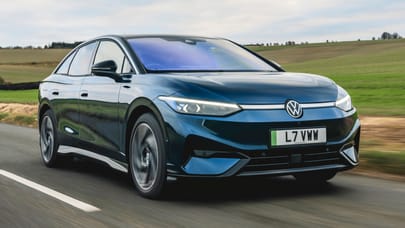
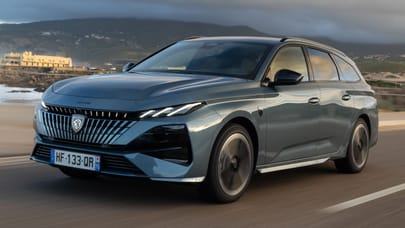
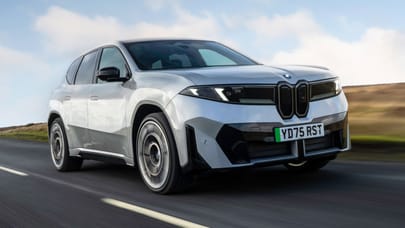
Frankly you wouldn't buy the Shooting Brake for its cabin or boot space. That banana-shaped profile encloses less space than something boxier. Estate rivals are scarce. Think Peugeot e-308 SW, and the bigger and very capable VW ID.7 Tourer. At the posher end of the scale you’ve got the BMW i5 Touring and Audi A6 Avant e-tron. And, of course, the Porsche Taycan Cross/Sport Turismo.
Absolutely. It's not just about smearing far too many LED stars onto the grille of an old car. The new generation CLA – saloon and Shooting Brake, and the related GLB and incoming GLA – are wholly new, and not just new but advanced.
Mercedes has developed an extremely efficient electric powertrain, and squeezed in a big battery for a smallish car. Wrapped in the CLA's aerodynamic body, this means huge range.
The stretchiest of the Shooting Brakes is the 268bhp single-motor CLA 250+ at up to 469 miles on the smaller wheel set. It starts from £44,250. In the near-identical saloon, we've actually done 360 miles real-world in a UK winter, mostly motorway, not hypermiling.
That 469-mile official figure drops to 439 decked out in AMG Line Premium Plus trim.
The 350 4Matic signals an extra motor for a total of 349bhp. It loses you just 15 miles WLTP range which isn't much for a second motor. We saw 330 miles in practice. Those two both have an 85kWh battery that can charge at up to 320kW, to add close to 200 miles range (small-wheel, WLTP) in 10 minutes.
One thing about charging, though. The disadvantage of Mercedes' 800V system is it can't take power at all from chargers that run at 400 volts, which is any charger rated at under about 130kW. That is, unless you spec the CLA with an optional converter for £850.
Home charging? Don’t worry about it. Otherwise though… that’s a huge inconvenience. The in-built sat nav will direct you to supported charging stations but if you're CarPlaying it like most people then you're at the mercy of the electricity gods. Who are known to be vengeful. Pray hard, plan ahead, or fork out the extra money.
Anyway. There's also a CLA200. This has a 58kWh battery of the cheaper but more robust LFP chemistry. At £40,150 it saves you £4,100 over the 250+, but costs you range. It's a spec-dependent 290-321 miles WLTP. Its charge power is lower but recharging 10-80 per cent time is similar because the battery is smaller. A weaker hose waters a smaller garden in the same time.
The interior is another place you'll find a massive makeover versus the old CLA, with a 'superscreen' that goes clear across the dash. On base versions the passenger-side screen isn't actually a screen, just glossy black plastic with a pattern of stars. Higher up the range it's an actual screen with its own infotainment apps and screening video. It's supposed to freeze when the driver looks at it, because a camera is watching the driver's gaze. We found it didn't, for far too long.
The main interface is AI infused, so it'll ChatGPT you all sorts of conversational info by voice interaction. Like the passenger screen, that's a surprisingly useless feature. The best bit is the online route planner with charge stop timings and accurate range predication, which takes into account upcoming gradients and likely speed. But the same applies to any car with onboard Google-based navigation, from the Renault 5 upwards.
Don't get us wrong, the CLA is the culmination of an extraordinary corporate engineering intelligence in the development of the drivetrain and safety. Mercedes has also paid attention to stuff that matters in the underlying car. The CLA has, for instance, multi-link rear suspension on all versions; several of the old CLAs had a harsh-feeling torsion beam.
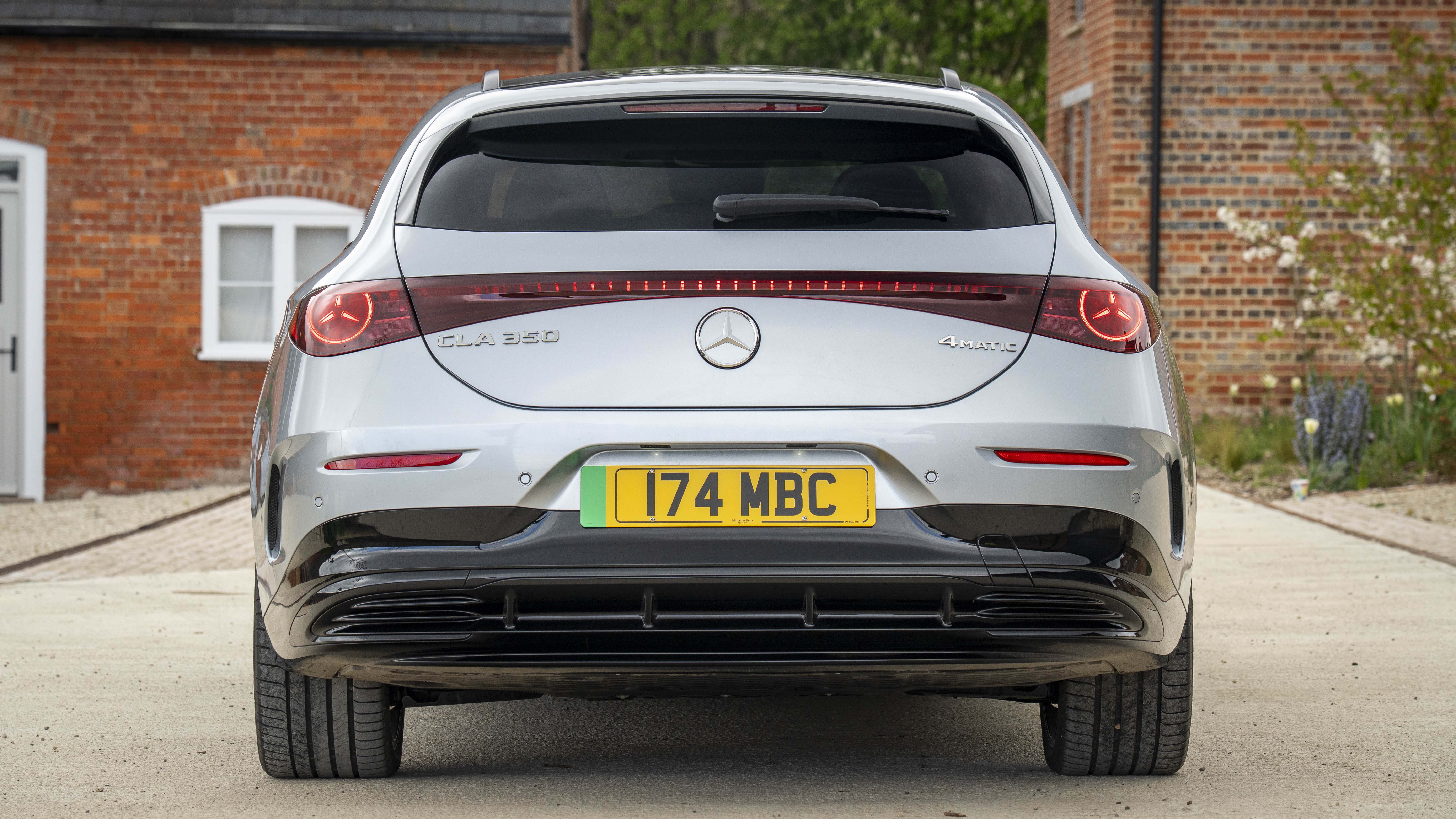
Well yes, the sleek style does bring compromises, and the rear is a bit cramped across the shoulders and tight for foot space. The boot's not bad: 455 litres below the blind versus 405 for the saloon. And there's a froot/frunk that can take two airline cabin bags. That applies whether or not you have a front motor.
The interior is stylish, and the trim materials are high quality. Switches aren't too abundant, but there are just about enough to give a better impression of quality than an all-screen control system. Plus they're easier to use. More details under the Interior tab of this review.
Very tidy. It feels like a Mercedes should: solid and trustworthy. It feels like it'd take you the length of the country in foul weather and keep you placid. It's not sharp or super-engaging, although the rear-drive one can serve up an amusing bit of a wiggle on the way out of a sharp corner in the damp.
Acceleration is far from brutal: the 250+ gets from 0-62mph in 6.8 seconds, which is not too quick and means you can drive smoothly. The 350 4Matic is 5.0 seconds, and with AWD wheelspin isn't an issue. Multiple easily-shifted regeneration levels add to the interaction.
Refinement extends to the ride too, which soaks up low and high speed disturbance without the lateral rocking of an SUV. More about all this, plus the driver assistance, in the Driving section.
Mercedes won't have a proper electric A-Class hatch until 2028. The Shooting Brake is somewhere between hatch and boxy estate, and more stylish than either.
It's also very satisfying to drive if not immediately inspiring, while the electric factors – range, efficiency, charge time – are really well sorted. But asking customers for another £850 to make the thing compatible with all (and not just some) public chargers is a real blunder that needs addressing ASAP.
Look past that though, and any EV newbies will have a car that's far smoother, quieter and more responsive than their old petrol or hybrid CLA SB. Ahh.
Get all the latest news, reviews and exclusives, direct to your inbox.