

PORSCHE
490kW S 113kWh 5dr Auto
£103,100
Breadth of dynamic talent, devastatingly fast, impressive refinement, spacious despite the roofline
Puffy looks, reliant on expensive options, so capable it’s almost boring, screen-adjustable air vents – really, Porsche?!
The most powerful production car Porsche has made in its almost 100-year history, a title it shares with the Cayenne Electric SUV. Ooft. That’s if you go for the Turbo, which detonates 1,140bhp and 1,106lb ft of torque from a pair of permanent magnet synchronous motors. God help you if you’re in the blast zone when they go off.
But because this is the Coupe and it has a sleeker, 911-inspired roofline, this one goes a little bit further on its 113kWh (108kWh usable) battery. We’re talking 390-414 miles, depending on which model you go for – about 11 more than the SUV. Hey, every little helps.
Three. The first is simply called the Coupe Electric, and it’s equipped with a comparatively sensible 436bhp (or 402bhp without boost) that’ll fire you to 62mph from a standstill in 4.8 seconds. Not what you’d call slow.
Then there’s the S version, which ups the ante to 657bhp (536bhp) and 3.8s and lifts the top speed from 143 to 155mph. The Turbo nominally places 845bhp under your right foot, but engage the Push-to-Pass button on the steering wheel and it’ll nuke you into next week with 0-62mph in 2.5s and a Vmax of 162mph. Which it will do without blinking. It’s an absolute psychopath.
You’d better believe it. Porsche has thrown the kitchen sink at the Cayenne, which it had to in order to make this 2,530-2,650kg electric beast handle anything like the brochure says it will.
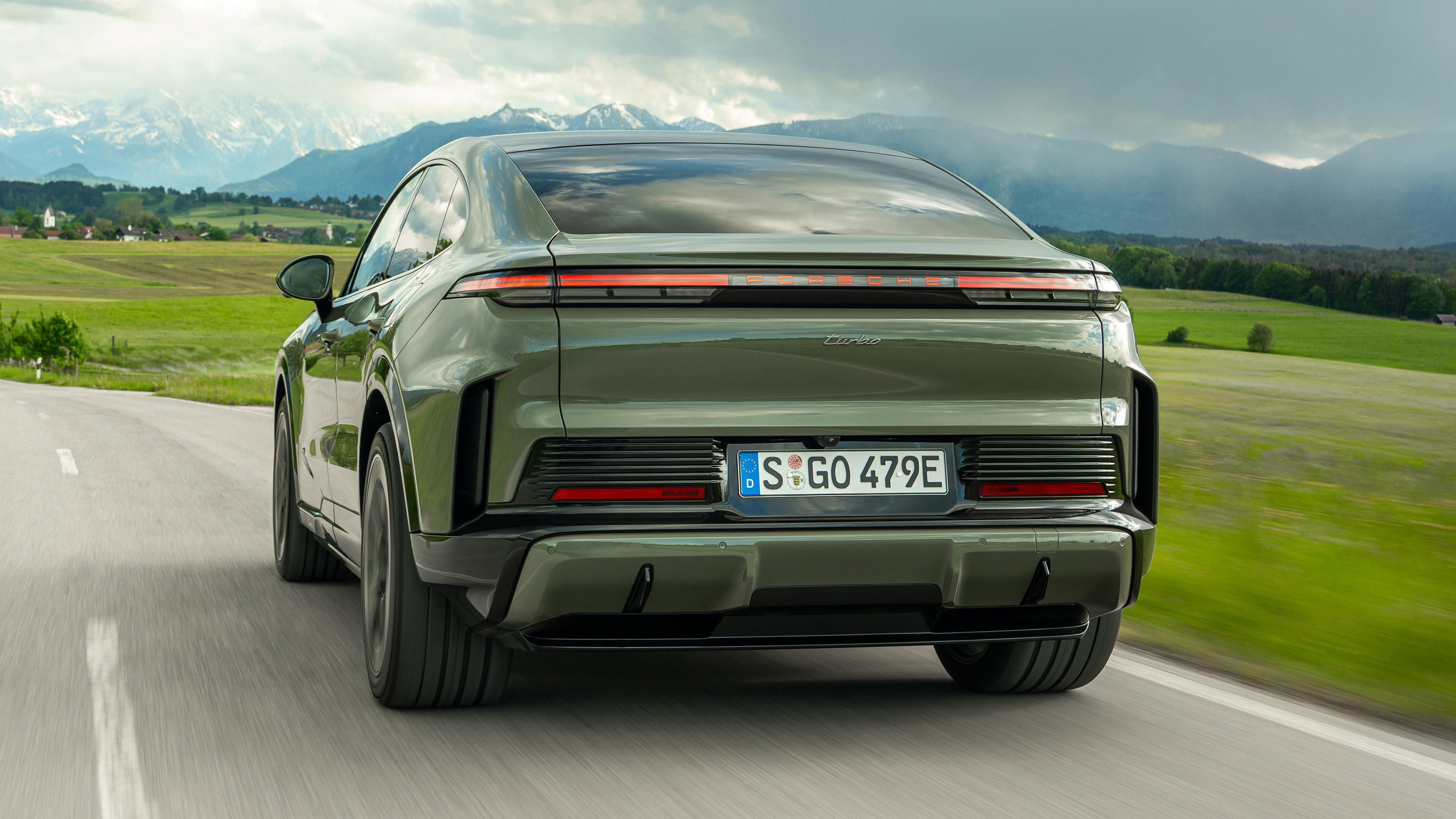
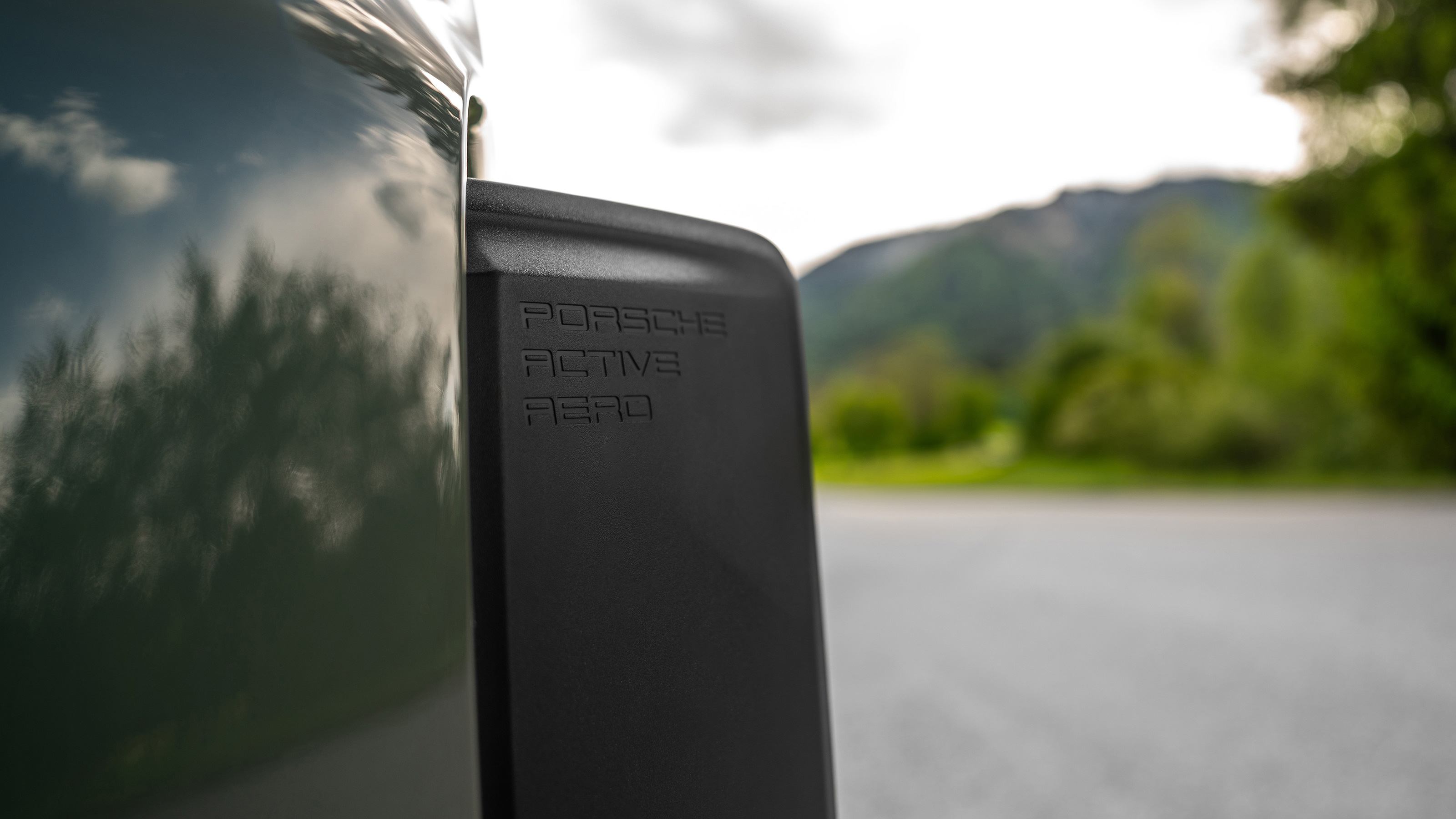
Deep breath. This is the first Porsche SUV with active, self-levelling air suspension, with the damping for each wheel controlled electronically via two-valve tech that deals with rebound and compression separately; torque vectoring allows an electronically controlled rear diff lock with fully variable power distribution (optional on the S, standard on the Turbo); active ride control (optional on the S and Turbo) keeps the body parallel to the ground and makes up for the lack of anti-roll bars while off-roading; rear axle steering – with as much as five degrees of steering angle at low speeds – drops the turning circle from 12.7 to 11.6 metres, or provides extra stability above 62mph. That too is optional. The Turbo gets a pair of Aeroblades – essentially fins – that stick out the back above 34mph for improved airflow.
The battery is Porsche’s own, with a modular design that incorporates a cooling system above and beneath the cells in order to maximise efficiency and charging. Which it will do at up to 390kW DC, enabling 10-80 per cent blasts in as little as 16 minutes on a capable charger.
Meanwhile the rear motor borrows cooling tech from Formula E, meaning the current-carrying parts are directly oil cooled for an efficiency of 98 per cent and sustained peak performance. Brake recuperation of up to 600kW – with up to 97 per cent of normal braking done without the discs – has also trickled down from motorsport.
As if that wasn’t enough, this is also the first Porsche to be compatible with inductive charging. Porsche will sell you a pad for your garage or driveway, which can supply up to 11kW AC with no need for a cable. Neat. And yes, it’s feline-friendly.
Last one, promise: this is the first Porsche with interior surface heating. So in tandem with the heated seats, the door panels and central armrest will heat up to evenly warm the cabin without needing to stick the fans on full blast.
Just as well then that the interior is magnificently appointed, with hugely comfortable seats that come with more massage options than backstreet Soho. Although Porsche has tumbled down the rabbit hole of screens, screens and more screens, with the central one curved like one of those folding phones. It’s… a bit weird, if we’re honest. Find more on that under the Interior tab.
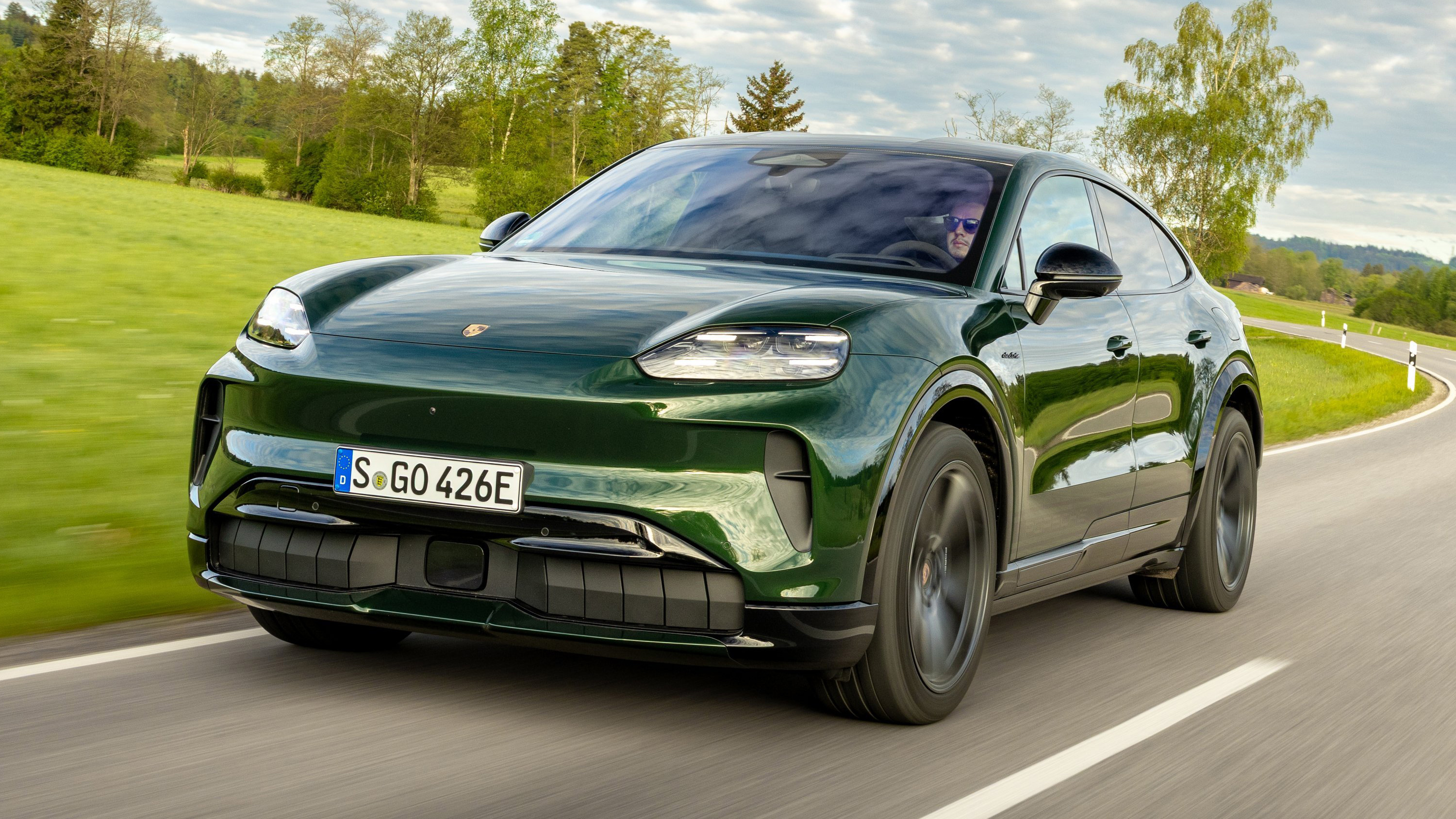
Naturally the Coupe loses some bootspace to the SUV, but space in the back isn’t too badly compromised despite 24mm being lopped off the roof. It makes the Cayenne a bit sleeker in profile, but that swollen, no doubt wind-tunnel developed face is hard to love.
Unbelievable. The Turbo’s acceleration is best described as torrential, the irony being that we drove it in a relentless downpour on our test drive in Germany. Even without getting all the power down, full throttle is borderline violent, and you’ve got to question what sort of owner would do it to themselves repeatedly without a long line of friends all queuing to experience the blunt trauma for themselves.
Away from standing starts the Cayenne is a well-mannered thing, its movements so tightly managed by the various suspension systems that the only way to realistically induce a bit of body roll is to drive it off a cliff. And even then, Porsche’s probably already invented Anti-Freefall with eight levels of mitigation.
You ready? Prices start from £86,200, but balloon to £103,100 for the S and explode to £133,300 for the Turbo. And that’s before you’ve added any options. Which is unavoidable, because this Porsche – if it made pizza, the sauce, cheese, toppings, garlic dip, delivery and the box it came in would all be extra.
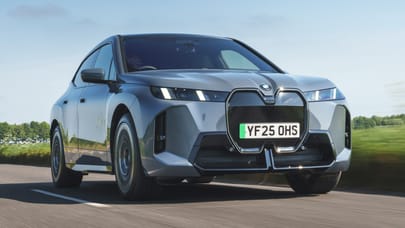
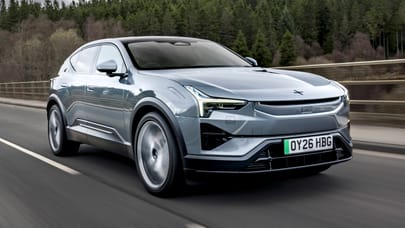
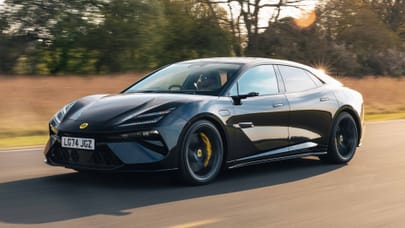
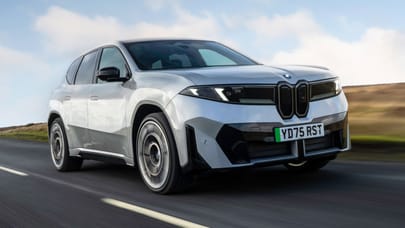
Audi doesn’t make the Q8 e-tron any more, so that’s out as a rival. The BMW iX is probably the closest thing to the Cayenne on paper, but it’s a step removed on performance (and price); the Polestar 3 is cheaper again, but isn’t as rangey or anything like as fast; Lotus has the Emeya, which is more comparable on cost but not in the same league as far as handling goes. What we’re saying is, the Cayenne Electric is a very expensive bargain. Classic Top Gear consumer advice.
Although, consumers clearly aren’t convinced: the plan had been to sell this electric one alongside the previous-generation Cayenne until petrol was fully put out to pasture, but because EV sales aren’t what was hoped… work has begun on a new one with internal combustion. Awkward. Massively expensive EVs are a hard sell right now, even to the money no object crowd.
The Porsche Cayenne Coupe Electric is a stupendous technical achievement. Two-and-a-half tonnes and five metres of metal has no right to handle this well when it’s this high off the ground, and the acceleration – especially in the Turbo, but also in the S – is genuinely frightening. It will reshape what you think should be possible (and allowed) in a big family car.
But it’s so comprehensively capable, so thoroughly engineered that it lacks any sense of theatre. Without the fake engine noise it’s striking just how uneventful the experience is. Y’know, unless you’ve pushed the boost button. And there’s no escaping what the car’s tremendous weight does to your trust in the grip when you’re really exploring what it can do. That’s always been the paradox with sporty EV heavyweights like this.
If this is your jam, there’s nothing better in this arena. Just remember that it’s clinical rather than audacious, and the screen – complete with those mental touch-operated air vents – requires zen levels of patience.
Get all the latest news, reviews and exclusives, direct to your inbox.