



25
Key to the UK price is the Electric Car Grant, and that's not yet settled because it doesn't go on sale here until the end of 2026.
But Renault promises it'll start under £20,000. So after the government discount it'll be one of the cheapest EVs you can buy, and likely less than the Citroen e-C3 and BYD Dolphin Surf.
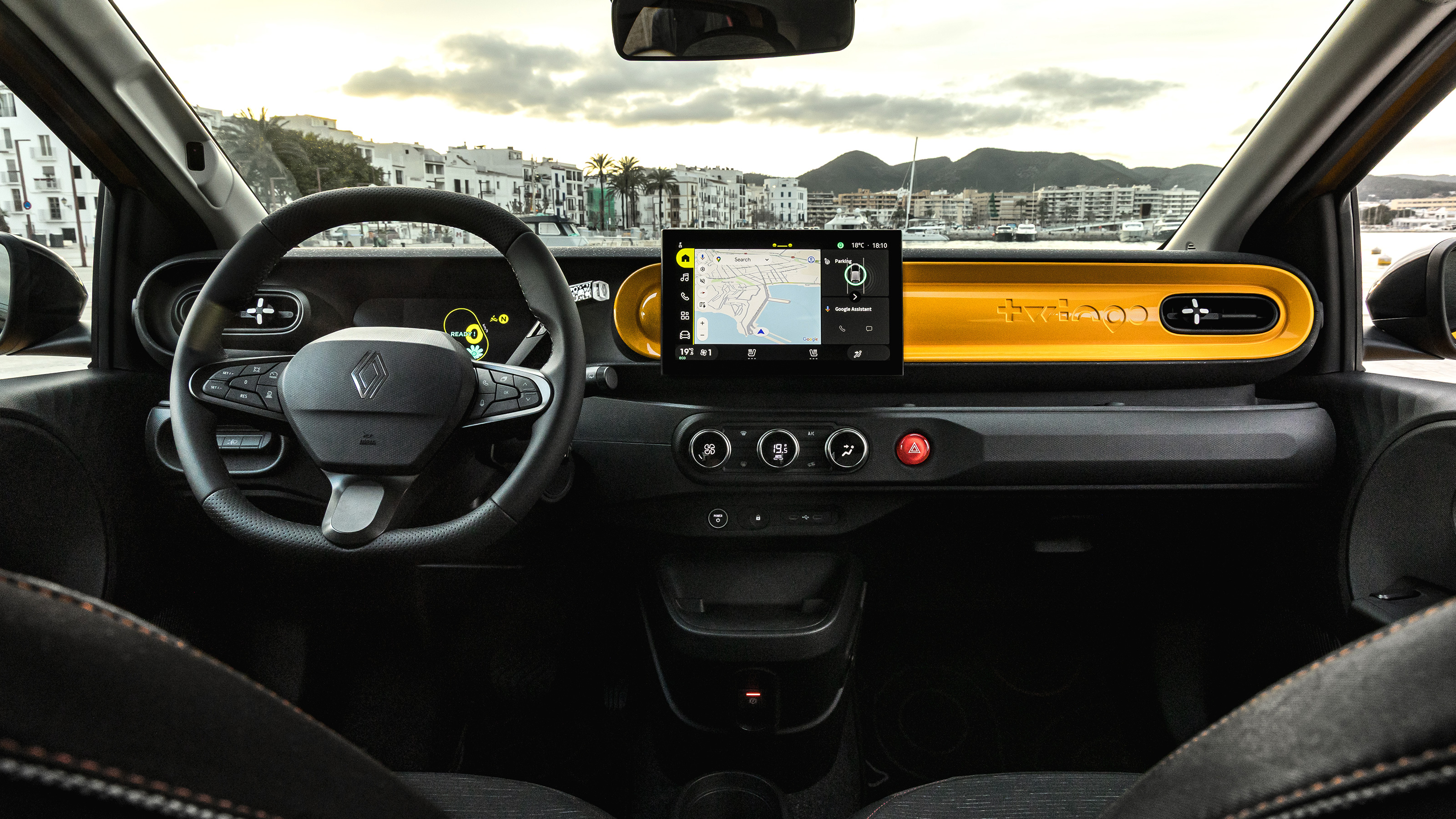
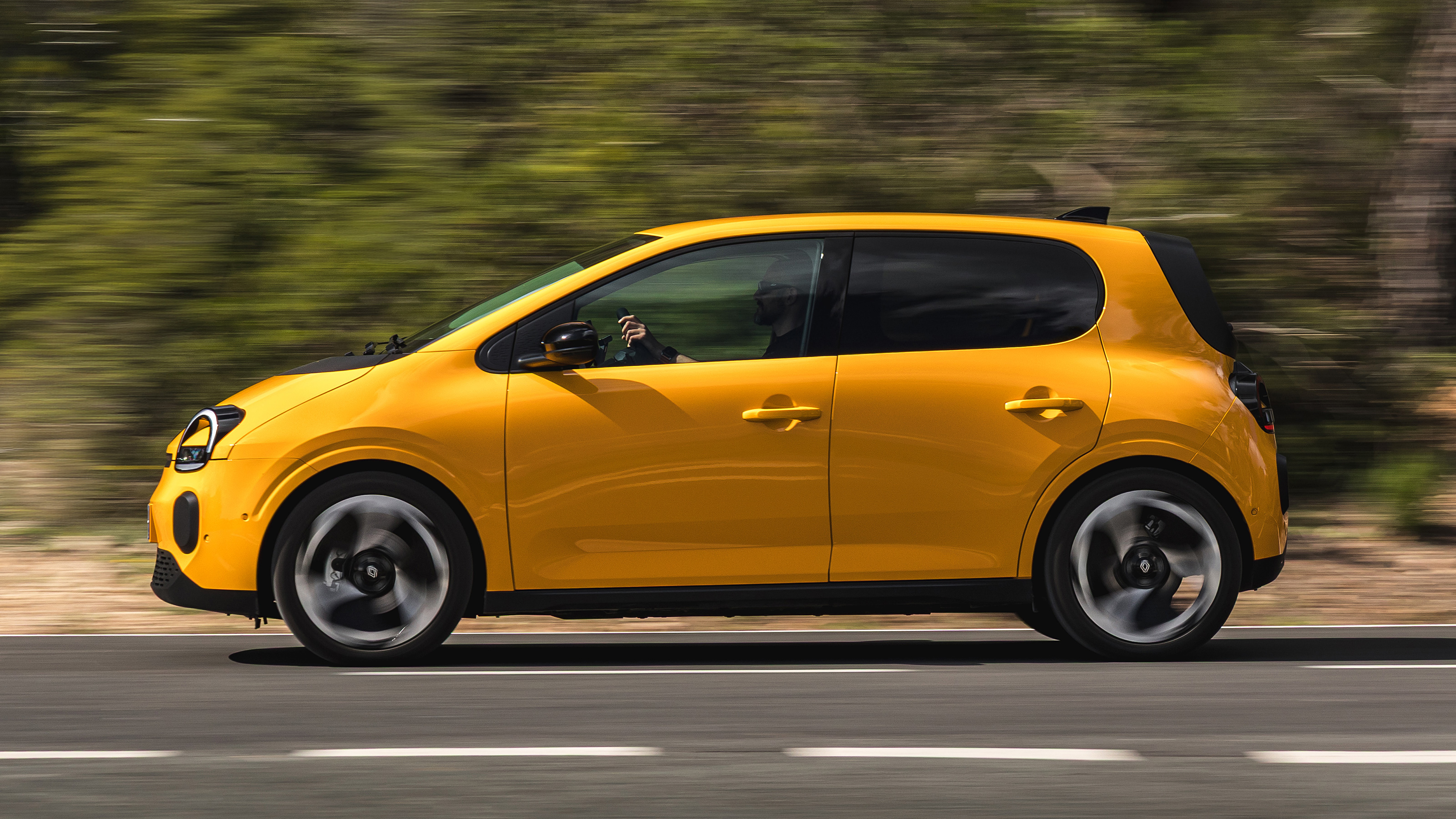
Even the base model, Evolution, is likely to be well equipped. Those split rear seats are a certainty, and twin screens and 18-inch alloys and a colourful interior.
Techno trim gets the full connected nav via Google with EV route planning and wireless smartphone mirroring, plus a reversing camera, one-pedal driving and hands-free parking tech. Not that you'll need it in a car this small. TG's test car had heated seats, but these are listed as optional.
Standard in both is bi-directional charging, with at least the potential for V2G – a huge potential saving for home-charge people – if the thickets of UK electricity supply bureaucracy can be penetrated.
It has an 11kW AC input for 10-100 per cent in just over two-and-a-half hours. A 7kW home wallbox would be four hours. On 50kW DC it's 15-80 in half an hour.
Warranty is three years and 100k miles. The battery is warrantied to eight years or 100k miles, at 70 per cent state of health.
To cut cost and get the car on the market fast (which brings in earlier revenue) Renault set up a Shanghai development centre, most of its 200 engineers themselves Chinese. They know how local companies can work so fast. The end of their work day is Paris morning, where another team of engineers would pick up the thread.
Also key to that speed was not re-visiting earlier decisions, and stamping out mission creep, and obsessing on making as few versions as possible.
To explain why there won't be a choice of a bigger battery or more power or an Alpine version. Those are jobs for the R5. The Twingo isn't an R5. It's more relaxed, more urban, more versatile. Take it or leave it: one motor, one battery, two trim levels, few but bright colours, almost no options.
Get all the latest news, reviews and exclusives, direct to your inbox.
