

the fastest
P12 500kW 117kWh Ultra 5dr AWD Auto
- 0-623.9s
- CO20
- BHP670.5
- MPG
- Price£70,295
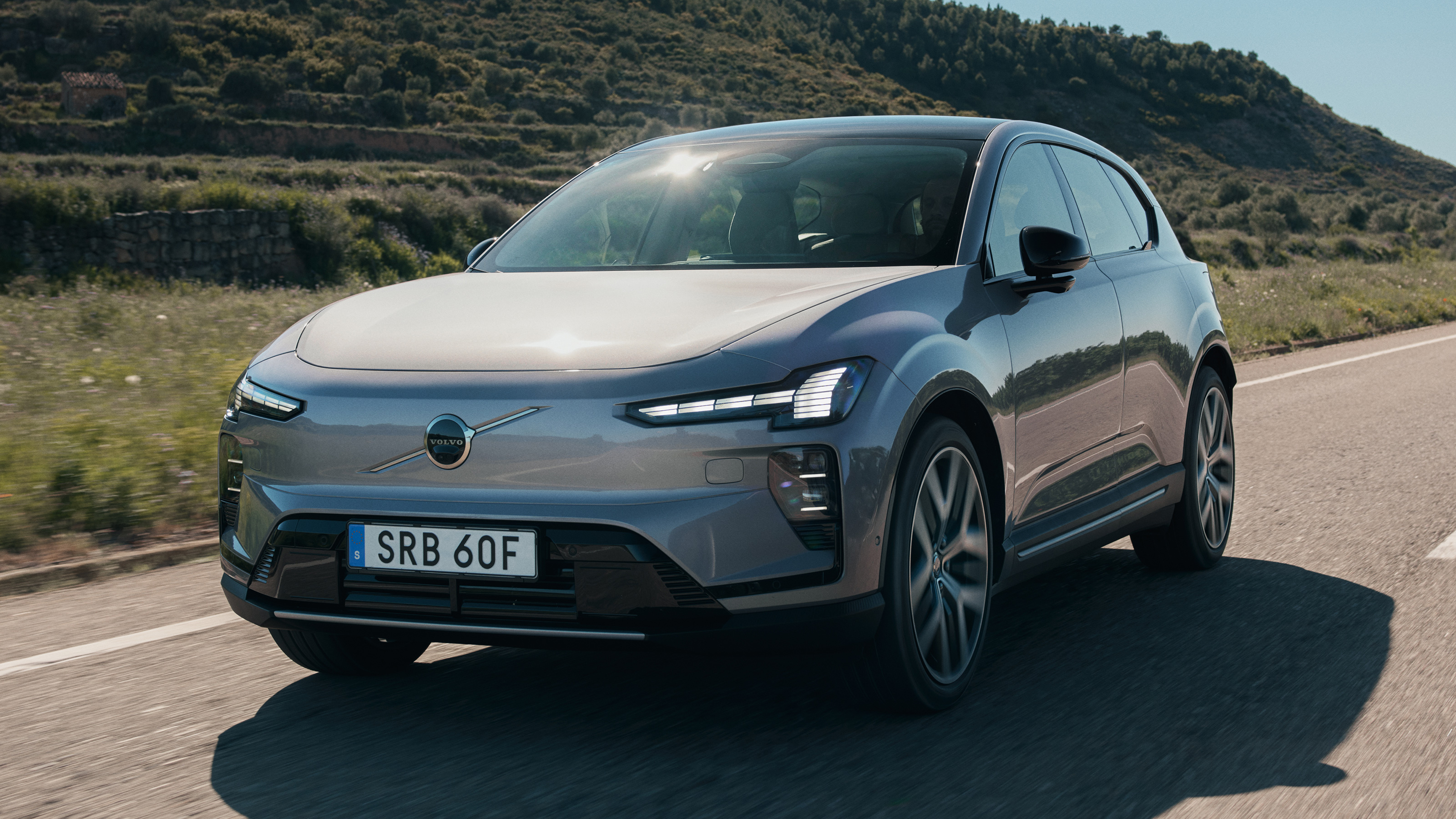
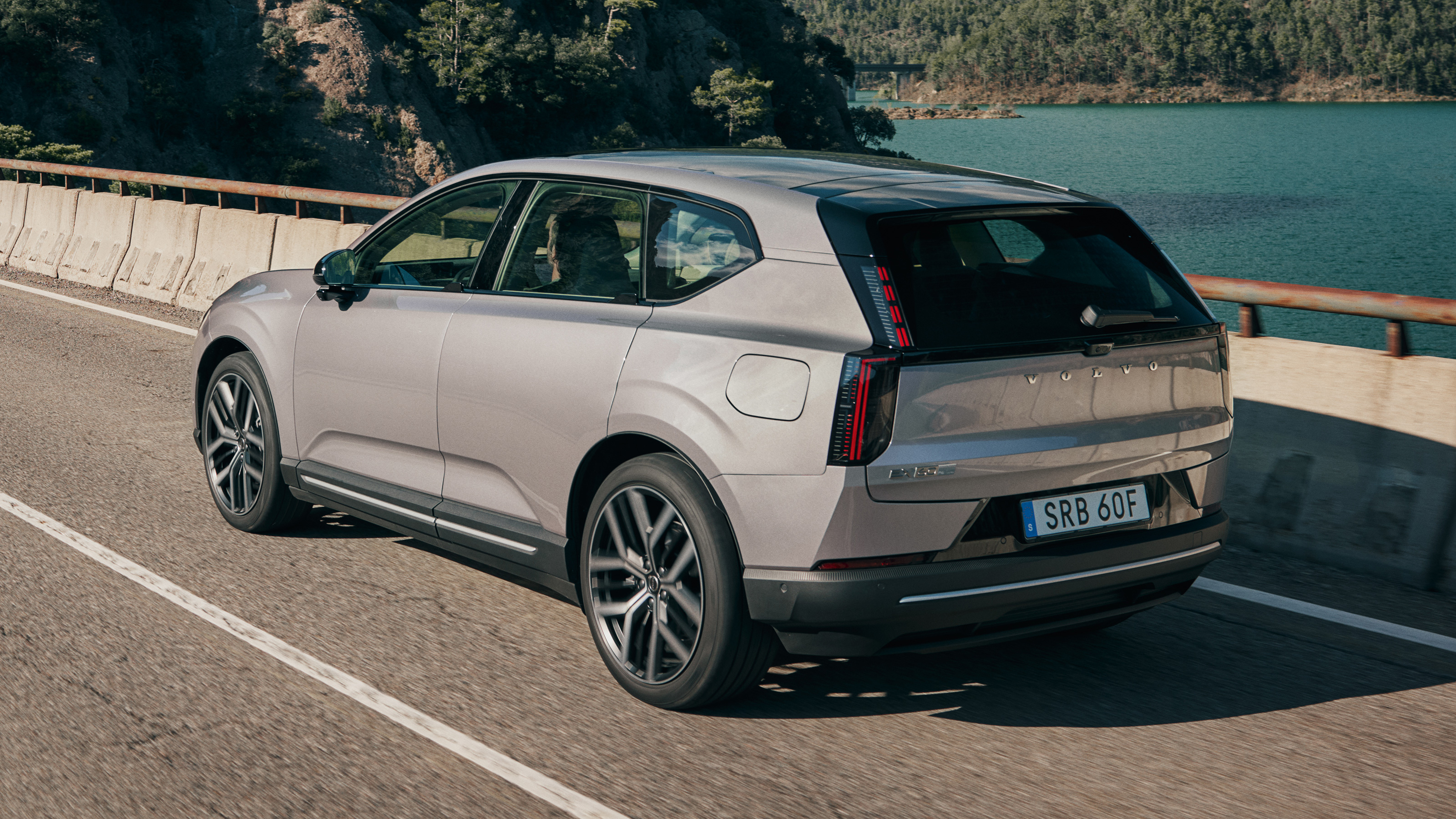
Slick and very refined, if a little remote. But we need to give credit where it’s due: this is a mid-sized SUV with the sort of comfort and well-being generally reserved for larger, far more expensive cars. The aero, flush glazing and flat under-floor all help reduce NVH, and the cell-to-body helps enhance torsional rigidity. You can feel the benefits of all that on the move. There’s also acoustic foam in the body cavities, and active noise cancelling tech. It’s very quiet indeed.
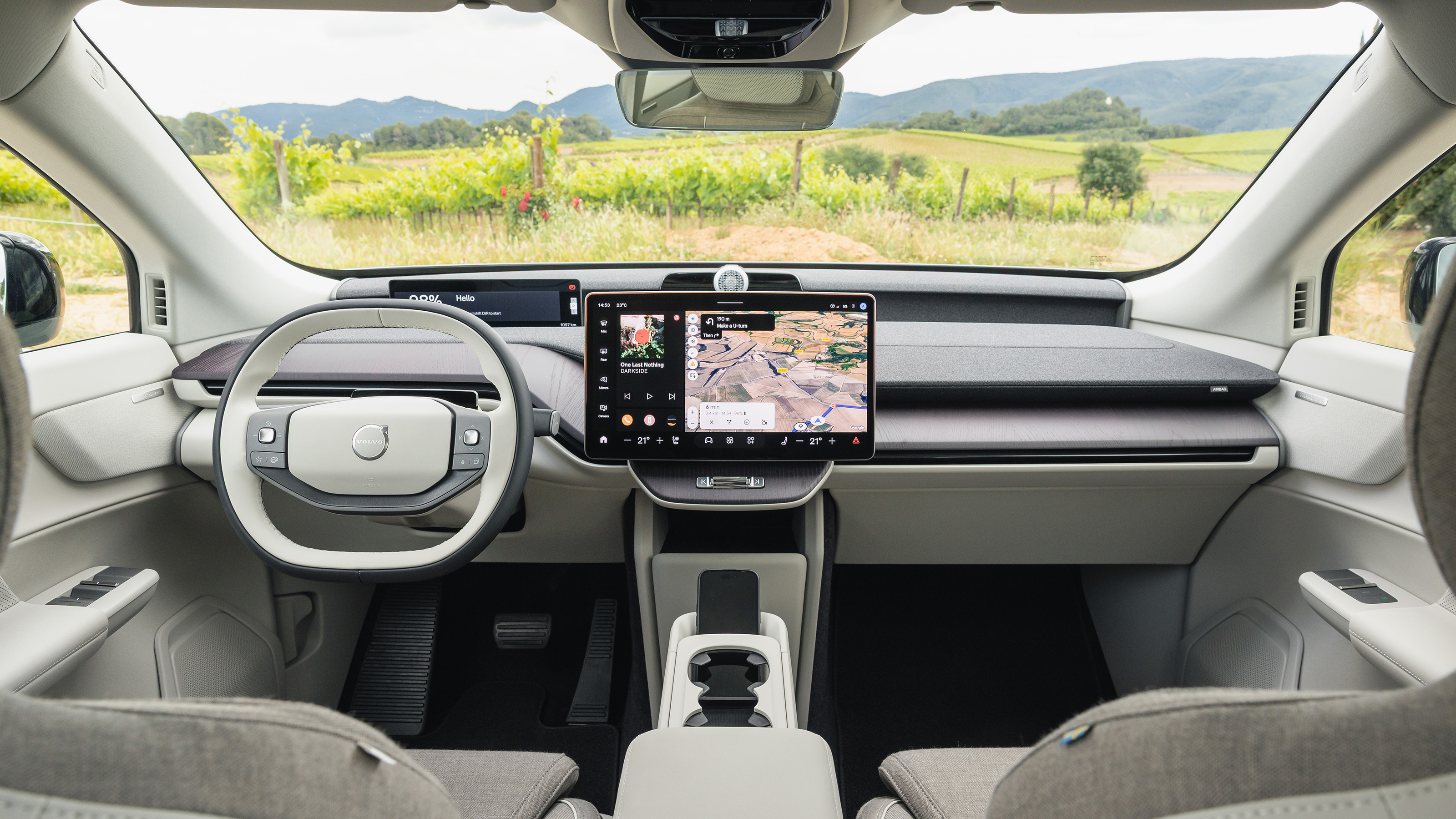
Delve into the main screen menu and there’s adjustment to be had – Soft, Standard, and Firm – but the middle one is the Goldilocks set-up. The multi-choice single-pedal drive mode is pretty effective if you like that sort of thing, and as this is a Volvo it feels brand-appropriate. The brakes are otherwise nicely modulated. There are four drive modes: standard, range, off road and performance.
In single motor guise, the EX60 is plenty fast enough, with nicely calibrated pedal response, but the combination of a small ‘squircle’ wheel and the absence of genuine steering feel deters you from pushing on too hard. It’s much happier at a steady state lope.
It’s suspended via double wishbones at the front and a multi-link rear, but we preferred the fixed damper set-up to the ‘frequency selective’ active damping that we tested on the more powerful P10. That felt a little restless at times, even on the marvellously smooth surfaces of the Spanish test route.
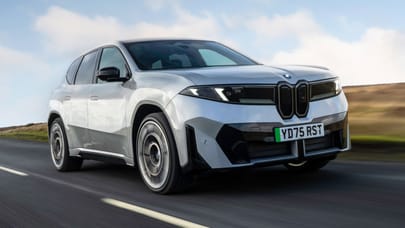
After a few exploratory full-bore blasts, we didn’t feel the need to rinse the more powerful car. In truth, the BMW iX3 is a superior dynamic all-rounder, although it too has a slightly choppy ride, especially on bigger wheels.
As with the EX90 and ES90, the EX60 feels as much like a device in which to filter out the content overload of the modern world as it does a car. Though it’s connected up to the eyeballs, so on another level it’s inviting the modern world right back in again.
Volvo claims 4.2 mi/kWh for the single motor P6. We weren’t generally at full tilt and saw 3.7 mi/kWh, so a real world range of 400 miles is realistic. The P10 AWD claims 4.0 mi/kWh, but we’d expect more like 3.5.
That’s always been a Volvo USP, and you’ll notice the little script on the seatbelt that says ‘since 1959’. The company has long advocated that no one should be seriously injured or killed in a new Volvo. Now it wants to avoid its cars even getting into collisions.
The EX60 calls upon five cameras, five radar and 12 ultrasonic sensors to deliver a real-time 360-degree view of what’s going on outside. Volvo is backing all this up with its Driver Understanding system, which uses two interior cameras and IR sensors and capacitive sensors on the wheel to detect if the driver is drowsy, distracted or impaired. That’s far less irritating in operation than many rival set-ups. The collision avoidance systems can be adapted for earlier intervention if things are going seriously awry. And the car can stop itself in an emergency.
Volvo has maxed out on the ADAS stuff – there’s too much to list here – so any talk of how easy it is to switch it off feels like a slap in the face for the people who’ve devoted their lives to developing it. What can we say? We’ve experienced far more annoying warning bongs and alerts.
Note that the battery, though integrated into the chassis, is also positioned in the middle of the car, as far from the car’s deformation zones as possible.
Get all the latest news, reviews and exclusives, direct to your inbox.