



25
Polestar 4 Long Range Dual Motor
367 miles
1cc
536.4bhp
3.8s
We tend to obsess on DC charging power – the time for a 10-80 per cent replenishment part way through a long journey. But if you've a lengthy range you seldom use DC chargers. In this car it's been four times in 5,000 miles.
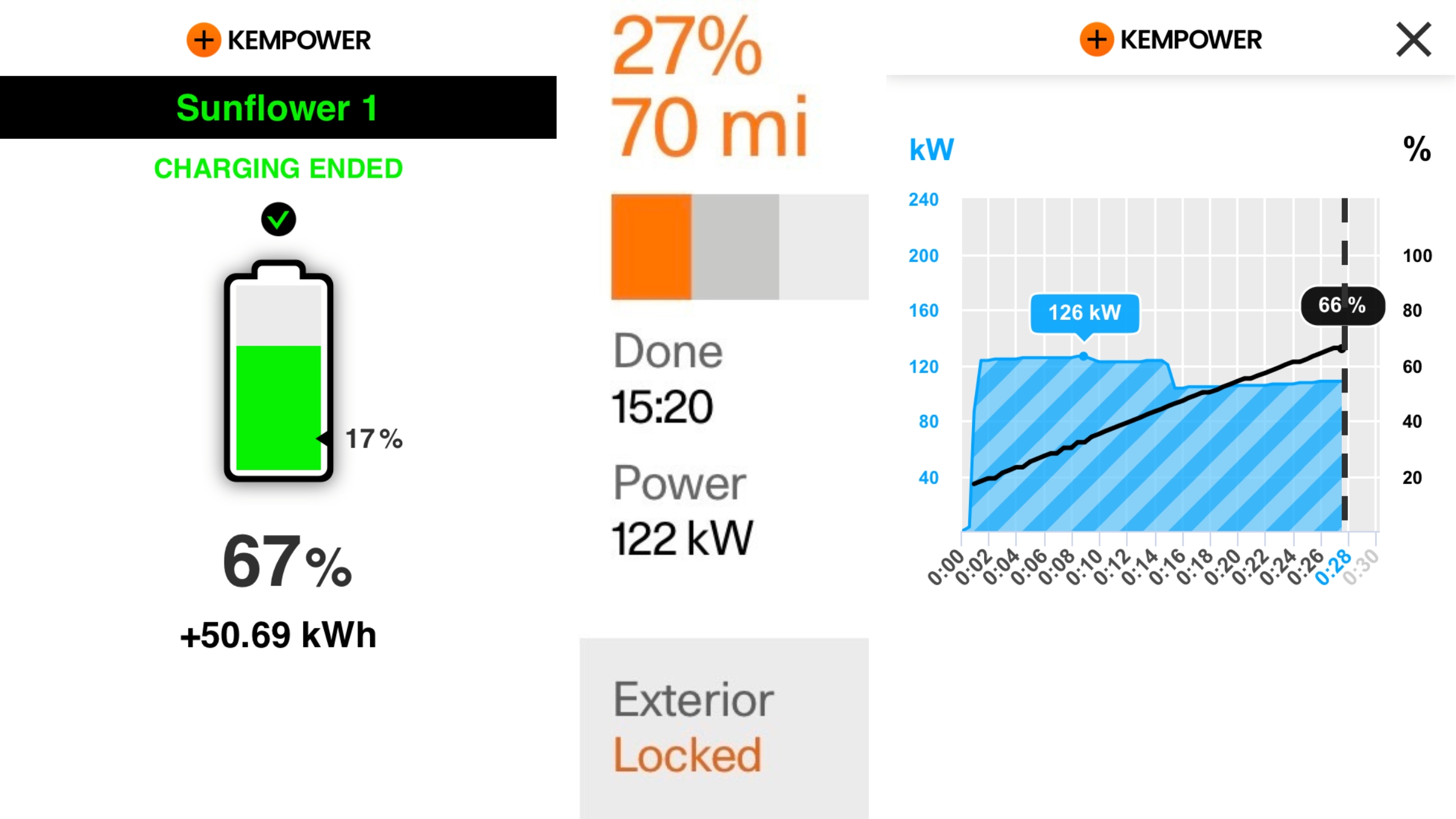
None of those occasions has matched the spec. It's supposed to draw a peak 200kW, and not taper down too steeply as it warms and the charge proceeds. That means a rated 30 minutes for 10-80 per cent. That's not my experience. (Obviously you need to have a charger capable of delivering full power – you'll never get more than 50kW off a 50kW charger, whatever your car's capability.)
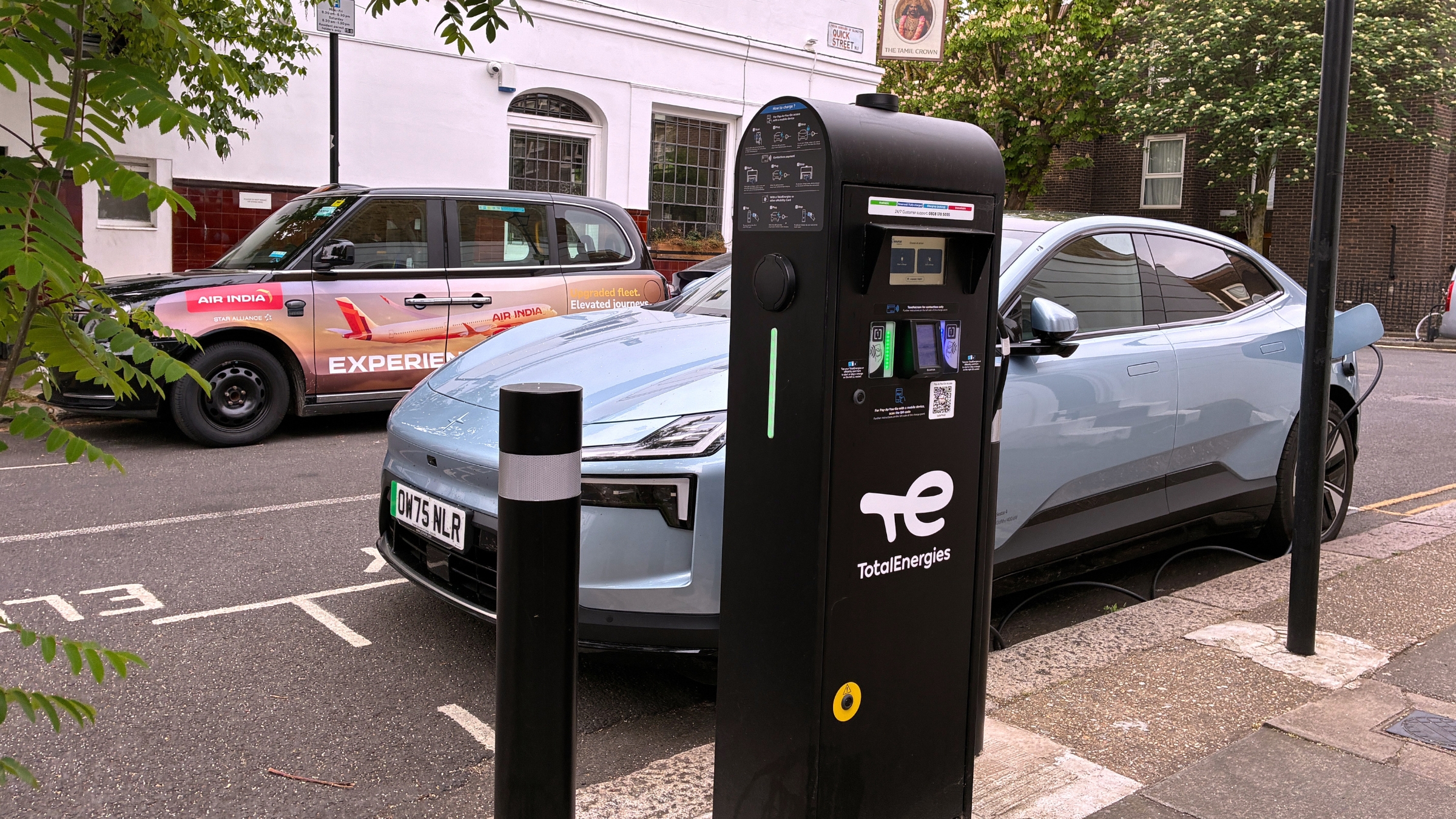
Well, the three I've used were 150kW, 180kW and 300kW and they all gave the same peak: about 125kW. The good news is it didn't de-rate much as the charge went on. That meant for example a 27 minute charge from 17-67 per cent, so 50 per cent added. The charge station sent me a graph. Mind you it's not widely publicised that most chargers will only give you half their rated power if another car is connected to the other cable, as it was on that occasion. Try to get one to yourself.
Half a battery with my driving makes 150 miles. It was lunchtime so I didn't mind the delay and the extra 150 miles was plenty. I'd set off full, so that one stop allows a 450-mile trip if there's charging at the far end.
Even if each of those four charges had needed the full 10-80 and it had taken 15 minutes longer than it was supposed to, I'd only have lost an hour across five months, so I can live with it. That said, soon I'm driving to Spain so might be watching the clock more.
A bigger win is the Polestar's ability to accept 22kW three-phase AC on its on-board charger. Lots of cars have 11kW but that's not really much of an advantage.
These 11kW cars are an artefact of the prevalence of three-phase in continental European houses. In Britain's homes we mostly have just single-phase, so even a car with the possibility of 11kW (designed for 16 amps on three phases) will just draw 7.4kW when plugged into our 32 amp single-phase. An 11kW car on an 11kW charge post will be full in a third less time than on a 7.4kW post – not that much of an advantage.
But 22kW has real uses for someone like me who can't charge at home. On a 22kW charging post it's three times as quick as normal home charging. The Polestar's socking great battery is five hours flat to full on 22kW. So I can get a useful boost on the post round the corner from me in a morning, an afternoon or an evening. Or if I'm away at a car park with 22kW charge posts, it happens while I do whatever I went there to do. Most usefully, those posts cost the same per kWh as 7.4kW public posts. Whereas DC can be up to twice as dear.
Oh I also have sockets in lamp posts in my street, but they deliver only 5kW, so a full charge on the Polestar would be all night and all day too. It's a 94kWh battery and like all EVs you get 10 per cent charge loss, so you need 100kWh from near-flat to full, or 20 hours on the lamp post.
Note the distinction between 'charger' and 'charge post' aka 'wallbox'. The charger is the thing that communicates with the battery management unit and delivers DC at 400V. When you plug into AC you're using the 'on-board charger'. It's the circuitry in the car that takes 240V coming down the cable and rectifies it to 400V DC for the battery. The device on the wall or street you plug into is what I'm calling the charge post, or if we're being pedantic EVSE (electric vehicle supply equipment), basically a fancy earth-trip device that supplies the current as demanded by the on-board charger.
Whereas when you plug into 50kW and above, the ones with the tethered cable and high prices that deliver DC, you're using the infrastructure's charger. It bypasses the on-board charger and has to communicate directly with the battery management unit. Failed comms was probably why in the early days of EVs it sometimes didn't work. These days it's far better.
One more charge-related wrinkle and than I'll stop. The single-motor Polestar 4 has a front boot just big enough to take the charge cable. This twin-motor one has one too but it's barely big enough for a loaf of bread. So the cable lives under the boot floor.
Oh, you want to know the other piece of obsessively mentioned info? Range – 310 miles now the weather is warmer, even when I don't hang about. As I've mentioned before I never look at the miles-to-go guess-o-meter as they're all hopeless, but set the built-in satnav and it gives you an impressively smart prediction of battery percentage at destination.
Get all the latest news, reviews and exclusives, direct to your inbox.
