




Big Reads
Ford boss Jim Farley on the future: "no more generic vehicles"
We pull Ford’s boss for a chat to get the lowdown, and discover what else the future holds
The locals call it a ‘baby blizzard’. It’s the sort of thing that would be declared a national emergency in the UK, but Detroit powers on. Formerly America’s most formidable industrial city, Motown has seen good times and, more recently, bad. But it’s currently resurgent.
Michigan Central Station – bought and renovated by Ford to the tune of $950m overall – is arguably the most potent symbol of this socioeconomic comeback.
Advertisement - Page continues below
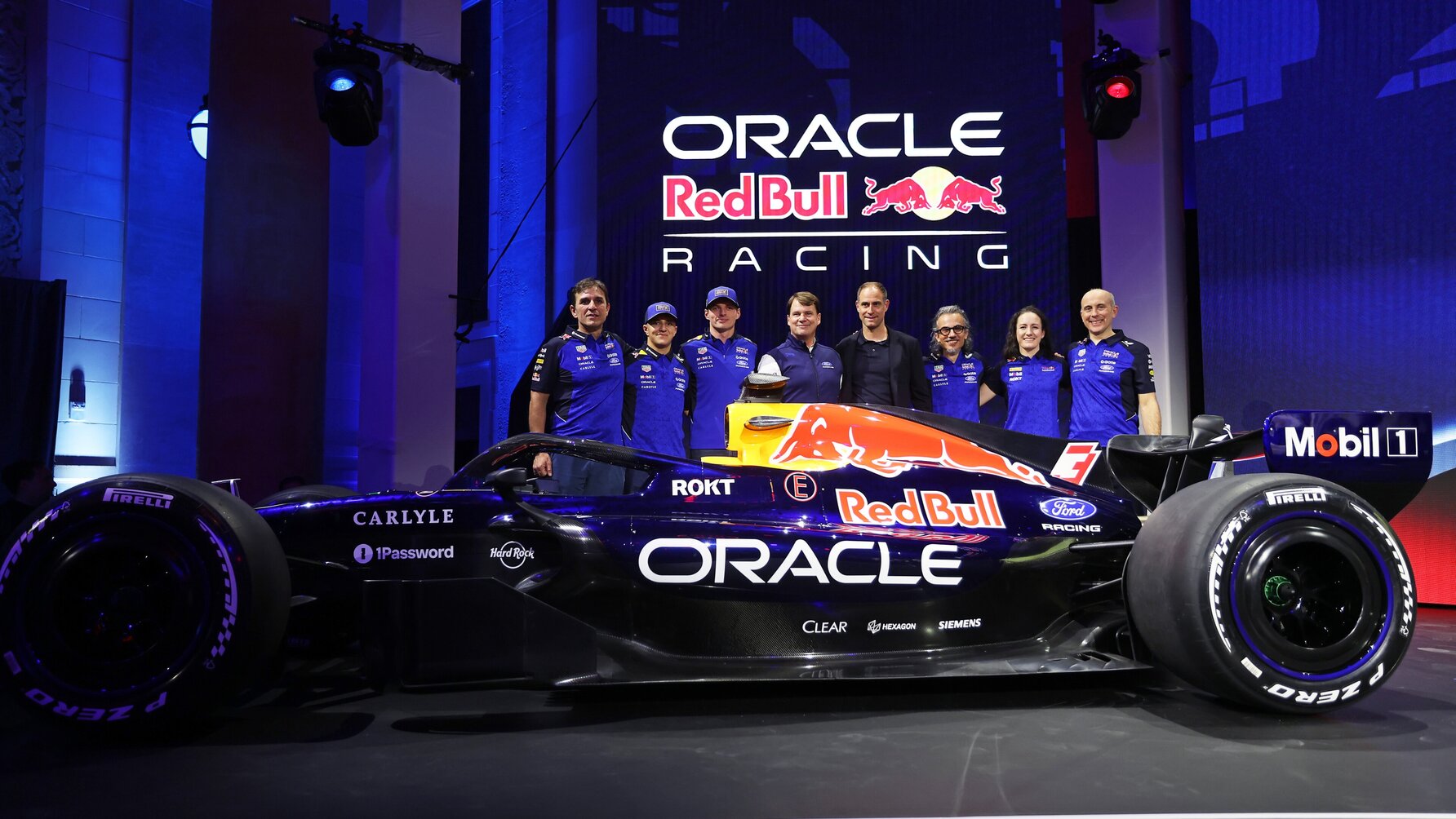
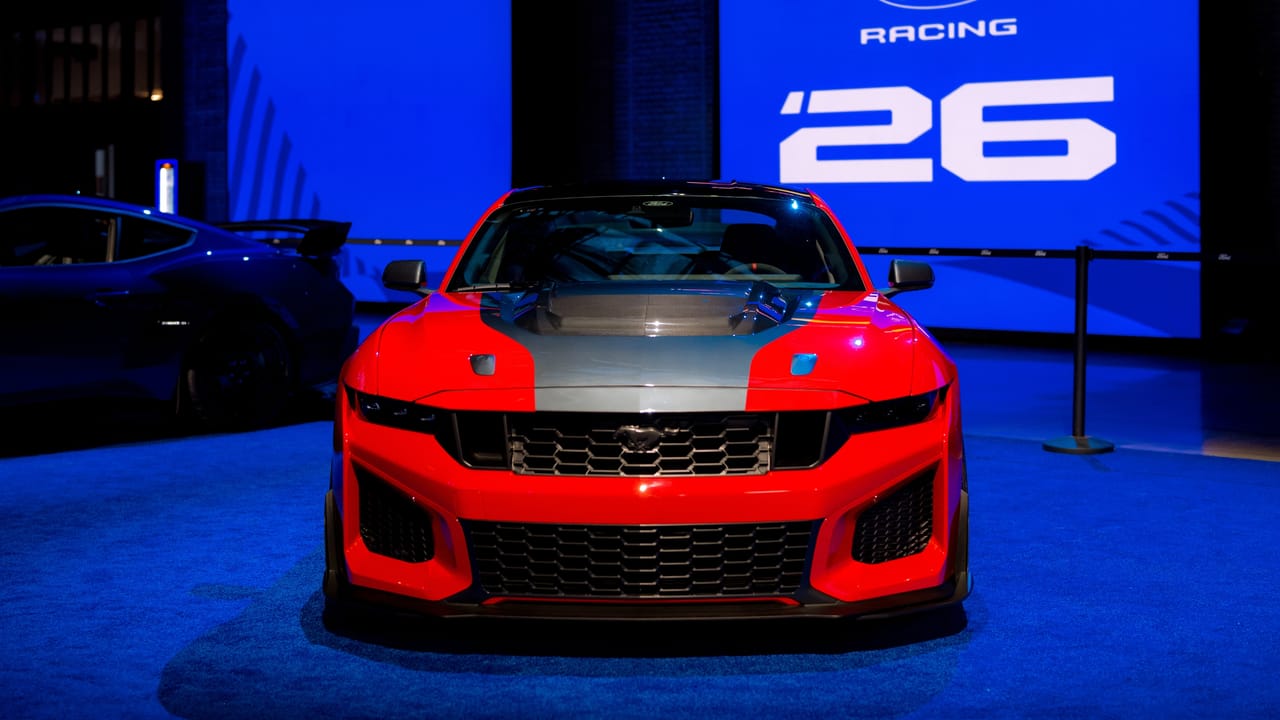
Intended to be a cultural and innovation hub, it’s also an events space – and events don’t get much bigger than the Ford Racing launch, culminating in the unveiling of Red Bull’s two-team F1 contenders for 2026. Close to 2,000 guests are expected, including Ford workers and excited locals.
When the proposed Porsche deal collapsed in 2022, former Red Bull F1 boss Christian Horner diverted the private jet via the US where he found Ford – and CEO Jim Farley, in particular – a receptive potential partner. Farley, a keen racer, saw huge value in reigniting Ford’s dormant interests in F1.
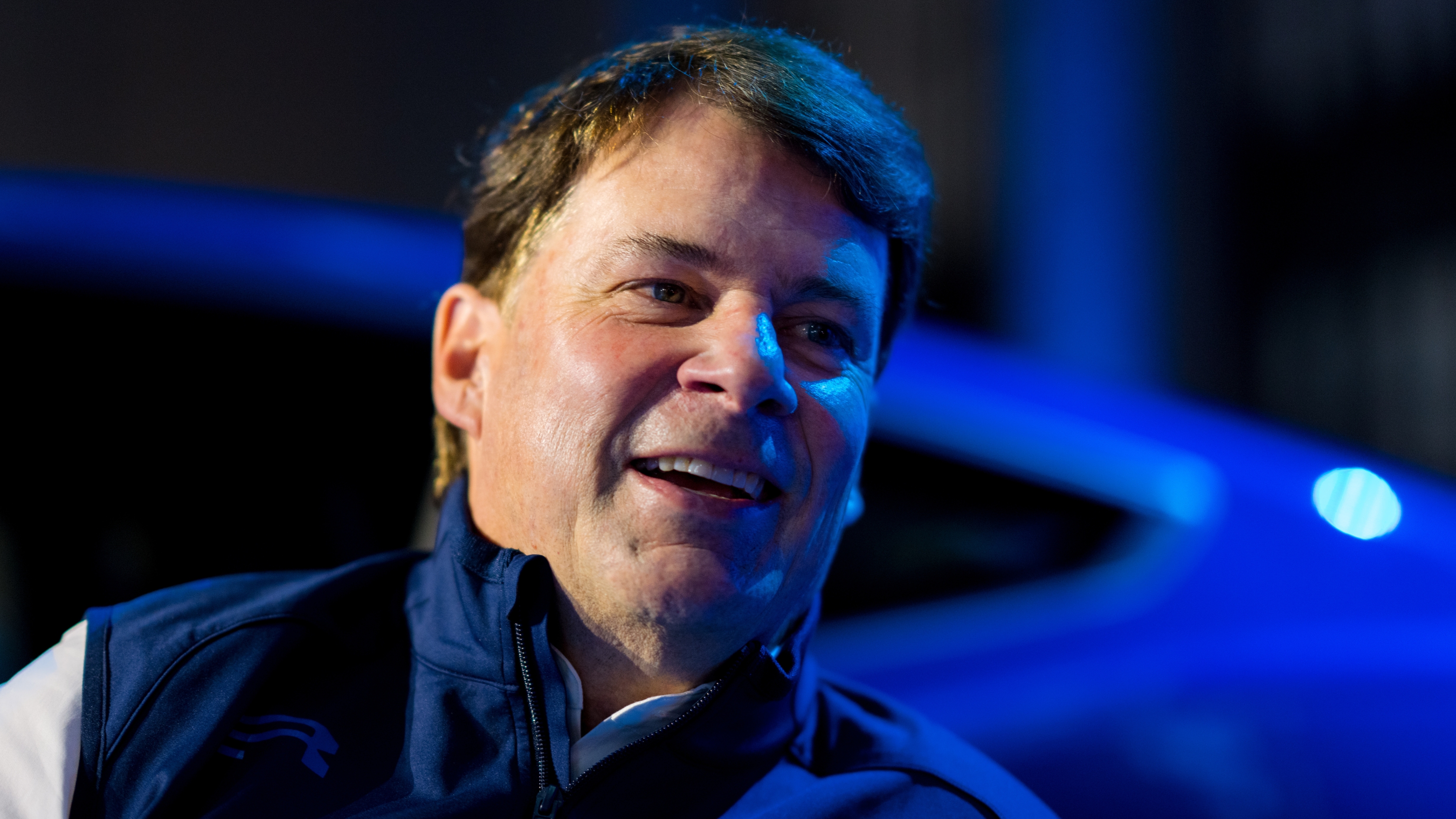
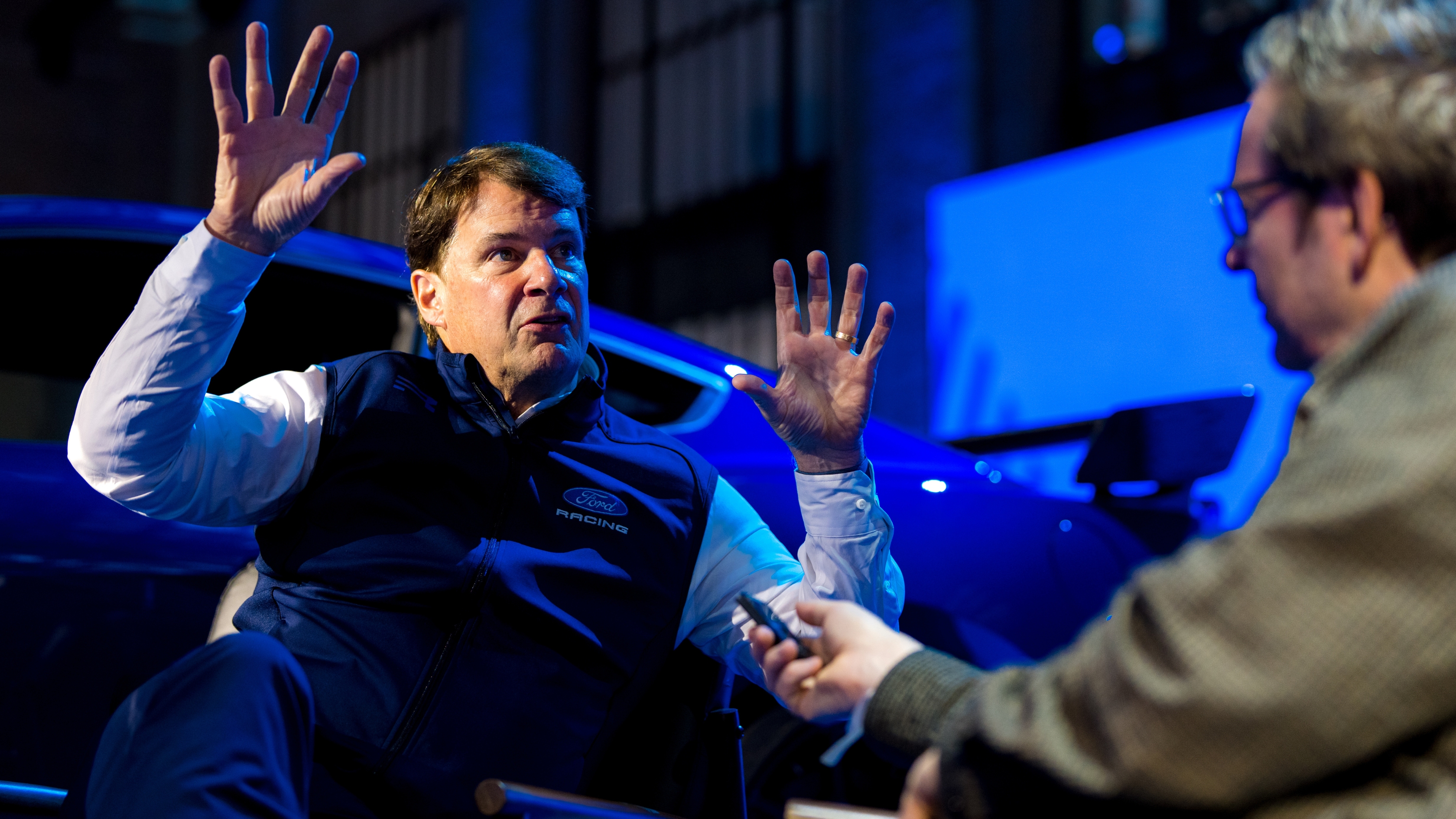
Top Gear was in Manhattan for the initial announcement. Now we’re here in Michigan Central Station, three years on, for a private audience with Farley. It’s 8am on the morning of the big day, and while we’re blinking away the jet lag, Farley has already engaged maximum attack mode. There’s showbiz in the Farley DNA, and you can tell he likes an audience. But don’t mistake that for lack of focus or a deadly seriousness.
“I gotta tell you, this PU [power unit], it’s one of the hardest things we’ve ever done,” he says with a sigh. “We’ve been out of it for a long time and when we were last in it, F1 was a whole different game. Yeah, this is really one of the hardest things I’ve ever done.
Advertisement - Page continues below
"It may be one of the most challenging technical projects in the history of motorsport, to land all aspects – not just the performance but the driveability and reliability. I think you’re going to see engineering updates every race.”
We stick with F1 for a moment. Ford has a limited number of personnel embedded in the Red Bull Powertrain operation in Milton Keynes, but Farley insists the deal helps tackle some of the existential issues facing all carmakers.
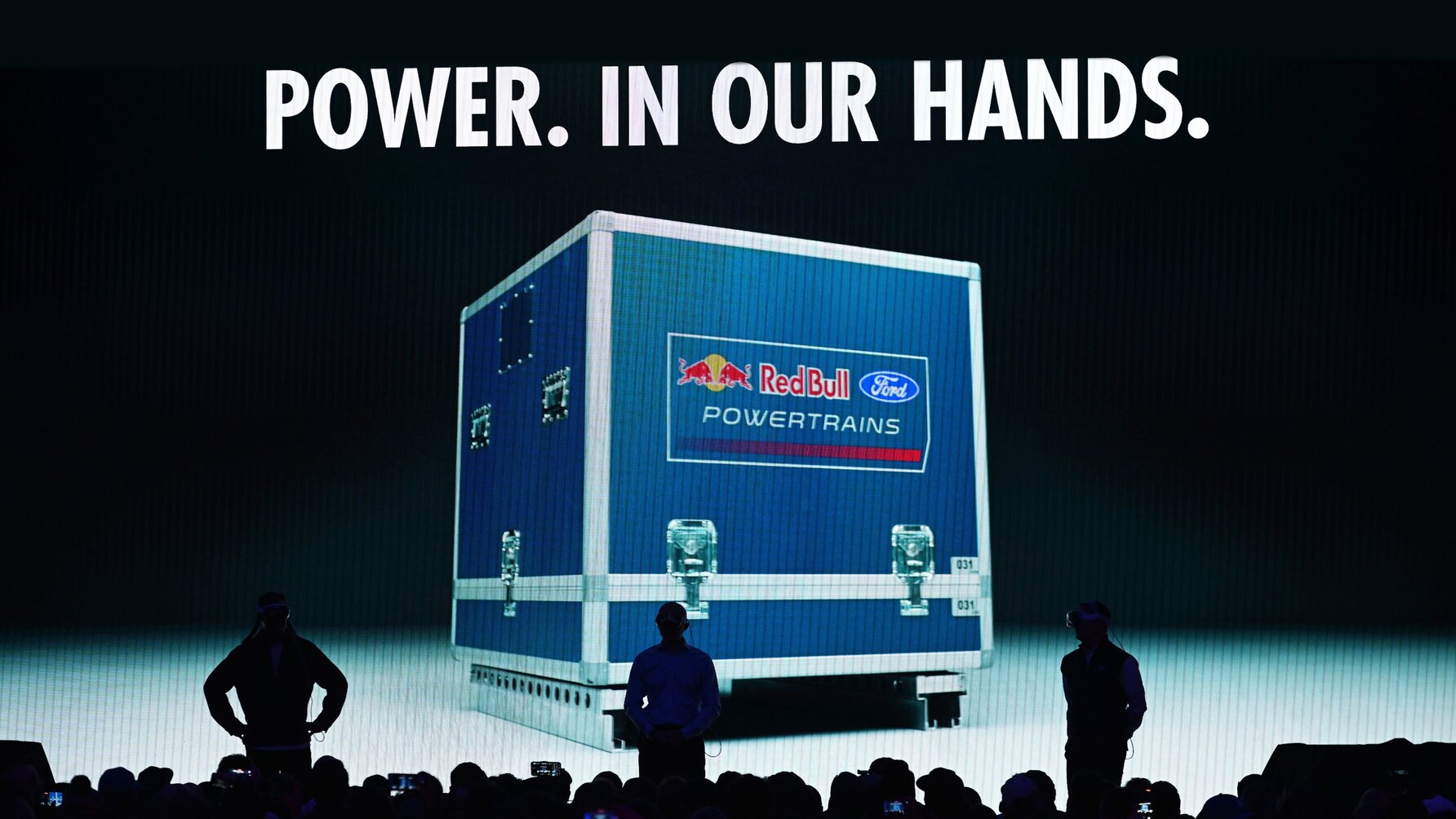
“We don’t want to use someone else’s engine, we want to go into this and solve one of the biggest problems in modern transport. We’re in a different reality here now. High discharge batteries, aerodynamics, predictive failure software, software control for the hybrid system... those are the tech transfers of today, things we didn’t know we could do better than F1.
"I remember thinking about all the problems we would have to solve during the transformation of the company to lower CO2 drivetrain vehicles and software defined vehicles. Where were the best people? In F1.”
Red Bull, of course, joins Ferrari and Mercedes in developing its own chassis and powertrain. It’s a huge challenge that a 600-strong team has been dedicated to surmounting since 2022. That pre-dates the Ford deal, but it’s now a two way street. Some examples: Ford’s expertise in Direct Metal Laser Sintering (DMLS 3D printing) is helping create 12 components in the power unit.
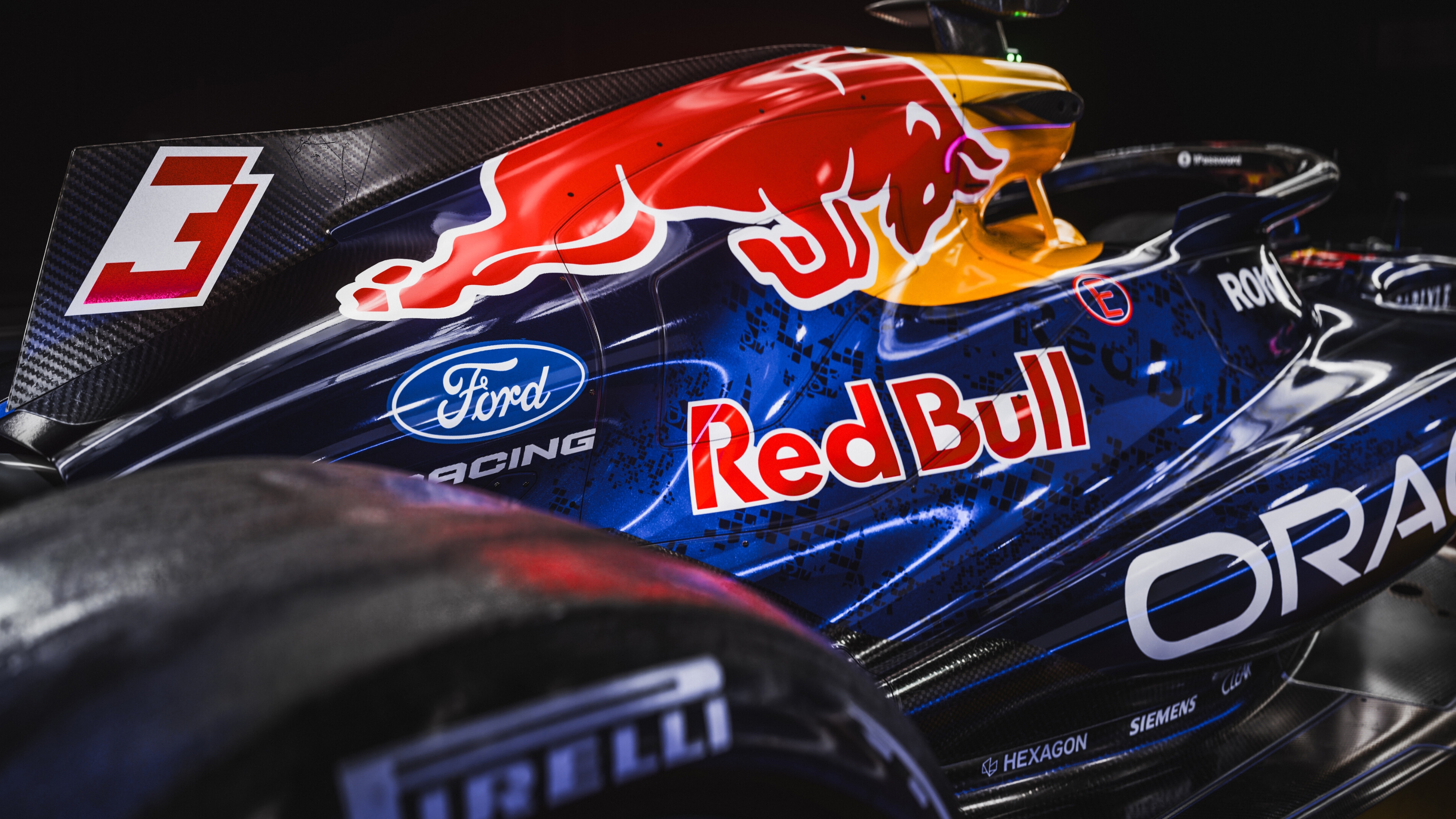
And Ford Racing’s simulation system works 1,000 times faster than real time, which is helpful in F1’s tightly regulated cost cap era. Mention Cadillac F1 CEO Dan Towriss’s recent barb that it’s “a marketing deal with very limited impact”, and Farley’s demeanour visibly darkens. “It’s laughable. It doesn’t even merit a comment.”
Understood. Onto the bigger picture. Honestly, who would want to be a car manufacturer right now? Tariffs aside, the transition to EV continues to cause problems and has prompted a substantial rethink. Nonetheless, in the US, the company reported sales of 2.2 million vehicles in 2025, its best annual numbers since 2019. Wall Street analysts are broadly happy, with revenues likely to outpace projections.
Top Gear
Newsletter
Get all the latest news, reviews and exclusives, direct to your inbox.
Yet the company finished third behind Toyota and old rival GM as the US’s largest automaker, and sales of its all-electric cars were down by 14.1 per cent – 52 per cent down in the fourth quarter. Indeed, 86 per cent of the company’s volume last year was in combustion engined vehicles.
The F-150 Lightning has been cancelled; large EVs aren’t profitable, and the pivot now is to hybrids. I ask Farley to outline the new strategy – and wonder if there is mission creep.
“Like most global car companies, it’s different by region,” he says. “In the US, we just did our EV reset, and we’re taking a different approach, which is a very high volume, low cost EV and we’re going to go from 100,000 EVs to 300,000. We’re really going big on EVs but not across the board in one particular area.
"The real decarbonisation in North America is going to be our expansion on hybrids and when we start to introduce EREVs [Extended Range Electric Vehicles] for trucks. But in Europe we have a totally different strategy.”
Ah yes, Europe. Time to bring the mood down again. Farley ran the Blue Oval’s beloved but troubled European outpost before landing the big job in 2020. He’s a ‘car guy’, so he listens patiently and nods as I wibble on about Ford’s place in the warp and weft of the British automotive fabric. Sure, it made more money licensing the brand to Lego than it did making the Fiesta, but still: whither the heartland cars?
“Well, I’m very proud that Puma is the bestselling vehicle in the UK. We shouldn’t just walk past that. And it’s based on the Fiesta platform and when I ran Ford of Europe that was my car.” He shifts in his seat. “Look, I don’t know how to simplify it other than to say we have the same aspiration in Europe with our EV strategy as we do anywhere.
"Which is no more generic vehicles. People loved Focus and Fiesta because they were affordable vehicles with great driving dynamics. They were not boring vehicles.”
Ford, of course, recently formed a ‘major strategic partnership’ in Europe leveraging Renault’s Ampere platform to build two new EVs (as well as light commercial vehicles). A new Fiesta to compete with the smash hit R5? It’s 1984 all over again. “Our EV strategy is changing in Europe and we intend to compete differently,” Farley says. “The cars will have a specific feel that is not mid-market. Even in the EV world I think that’s possible, but we’re going to have to take some risks.
"We’re making passion products, this is not a marketing conversation. This is a Steve Jobs kind of conversation. I’m challenging the concept that the Fiesta ST is the best example of democratised performance at Ford. Whether they’re based on a VW or Renault platform, we’re going to execute those cars with a swagger that’s specific to Ford of Europe.”
Farley has also been vocal about the threat posed by the Chinese carmakers. During an ideas summit last June, he told writer and journalist Walter Isaacson that his visit to China and exposure to its in-vehicle technology was “the most humbling thing I’ve ever seen”.
Battle is now joined. He tells me: “To beat BYD, you’ve got to get close to them on cost and you’ve got to beat them on product appeal. Look at Europe and the UK today, brands are swarming all over the market with five to six thousand euro subsidies from China. And the customers love them because they’re great value. They might not ‘speak’ to you, but there are a lot of people they do speak to, and I have to figure out how to beat them.”
Enter the Ford Universal EV Production System, a total rethink that’s 40 per cent faster than existing processes, with fewer workstations and parts. The resulting car is presided over by Ford’s chief EV, digital and design officer, former Apple and Tesla engineer Doug Field. (NB: Field began his career at Ford in 1987.) Farley lights up as he talks us through the plan, which he’s famously described as a 21st century Model T moment. There is simply no stopping him.
“In the US, we go down market, we put our most advanced level three, eyes off highways driving software into it, and we go for product appeal. So when people see it, they go, ‘it’s not a generic, affordable compliance vehicle for the government’, it’s actually an aspirational vehicle that kind of redoes what an EV can be as a mainstream vehicle.
“To do that we’ve had to take a completely different approach, like Henry Ford did, on manufacturing, supply chain and engineering. So we had to radically simplify the vehicle. We kit the parts not on the side of the manufacturing system, we stuff them inside the vehicle. We make it in three separate parts, so the operator can actually be inside the car to make it."
No pause. “It’s 30 per cent more efficient if you break the car up, the operator doesn’t have machines to put in the instrument panel or the seats, they’re actually inside it. We can radically shrink the footprint in the plant and reduce the cost. We have large unit castings in the front and rear, which massively changes the body shop.
"You take massive amounts of stampings and welding out of the system. We use the battery as the floorpan, it’s a structural member, and we’ll have LFP [lithium iron phosphate] batteries. We have to attach the front of the vehicle in a way that no one has ever done before. No one’s ever built a car in high volume like this... a car every 50 seconds.”
The first product of this paradigm shift is a mid-size pickup, due in 2027 and priced from $30k. Meanwhile, we can expect a lot more from Ford Racing, too, whose global programme spans pretty much every form of motorsport worth being involved in. Mark Rushbrook runs that, an empire within a bigger empire, with Bill Ford’s son Will – joining the company from the venture capital world – charged with leveraging the brand equity.
“There’s a big opportunity to reinvigorate our European business,” he tells me. “There’s a lot of love for our brand in Europe, especially the UK, and we haven’t really been serving the market with vehicles that people can be passionate about, like they were in the past. It’s definitely a focus of ours going forward. There’s good stuff coming.”
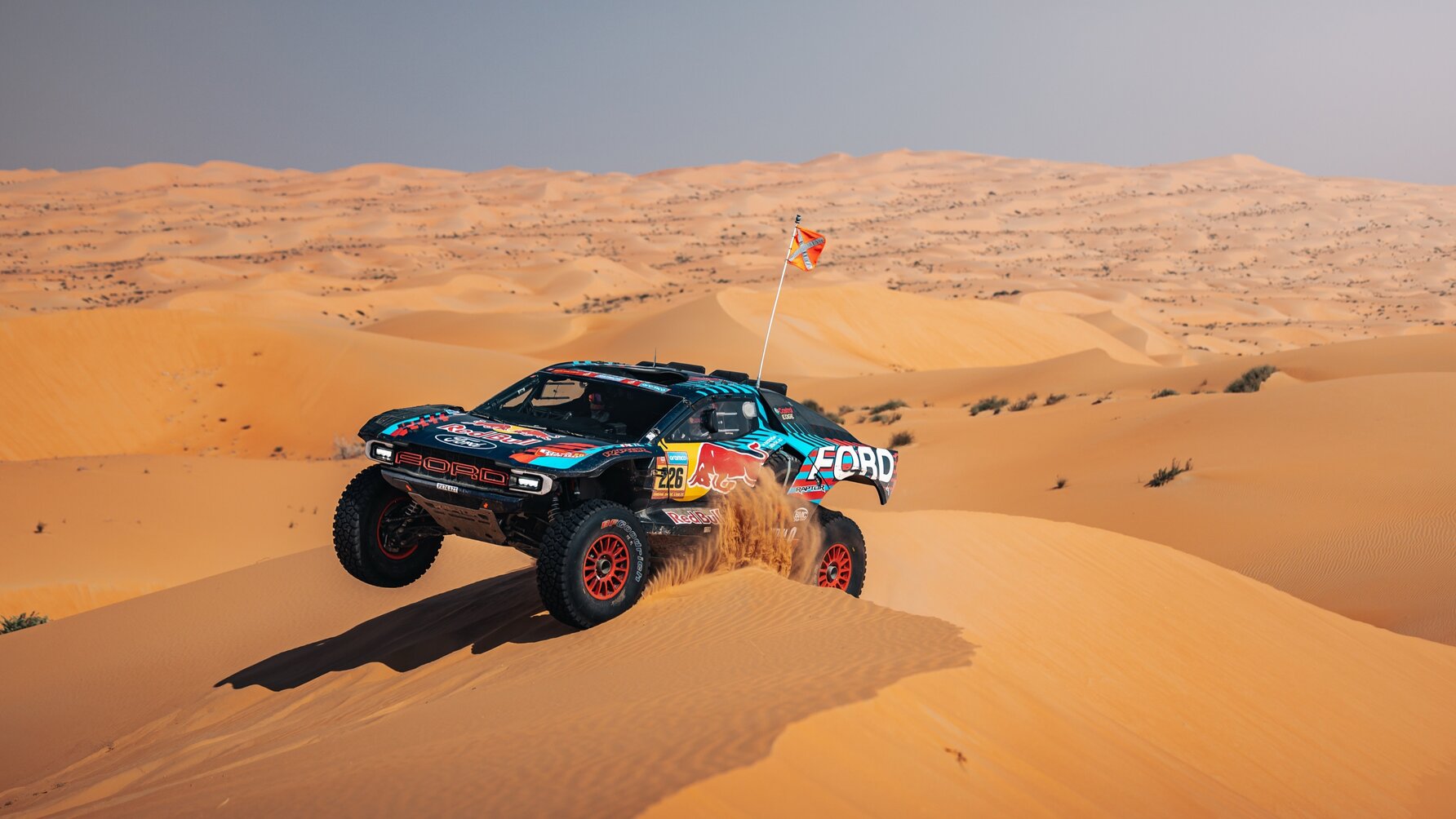
But back to Farley, to whom it’s only right to give the last word. “We’re unapologetically American,” he insists, as his people gather behind. “We like loud engines. The Dakar T1+ is a great product. And you know, what should our next supercar be?”
So you’re pondering that too, TG says... “No, we’re not pondering, we’ve answered it.”
Mic drop. And with that, he’s off.
Trending this week
- Top Gear's Top 9
Nine funky Brazilian cars with Volkswagen engines
- Car Review
Porsche Panamera