




Electric
Is Renault's new Twingo the happiest little car of 2026?
Renault’s retro revival continues, and the Twingo has the biggest job yet...
If you want an unbiased Twingo review, I might not be your guy.
I had an original Twingo in the 1990s. It was a happy car, and fitted my life in ways a great car does: it created for itself use-cases that no other car would have satisfied. The new one is intended to remind us of it, and believe me the effect is authentic. Never mind the transformed propulsion, driving this feels uncannily like driving that.
Advertisement - Page continues below
So how can I be detached and professional? Maybe I’ll be too kind to this Twingo because it brings rose-tinted recollections of a life-stage empty of responsibility and full of hope. Or maybe instead I’ll be unkind, as it brings the baleful realisation that such spontaneous energy has receded into my emotional rear-view mirror.
Photography: Olgun Kordal
So to start, let’s cleave coldly to the facts. The new Twingo’s task is to remind people of that original, a phenomenal success (if not in Britain because it was LHD only). A part of its appeal – by no means all – was that it was phenomenally cheap. To be cheap is far harder with an EV. Battery cost means it’s hard to be absolutely cheap. To be relatively cheap versus competition from China is even harder. But Renault has brought this to us in two versions, at least one of which will be well under £20,000. Before you ask, its 27.5kWh battery is rated at 163 miles range.
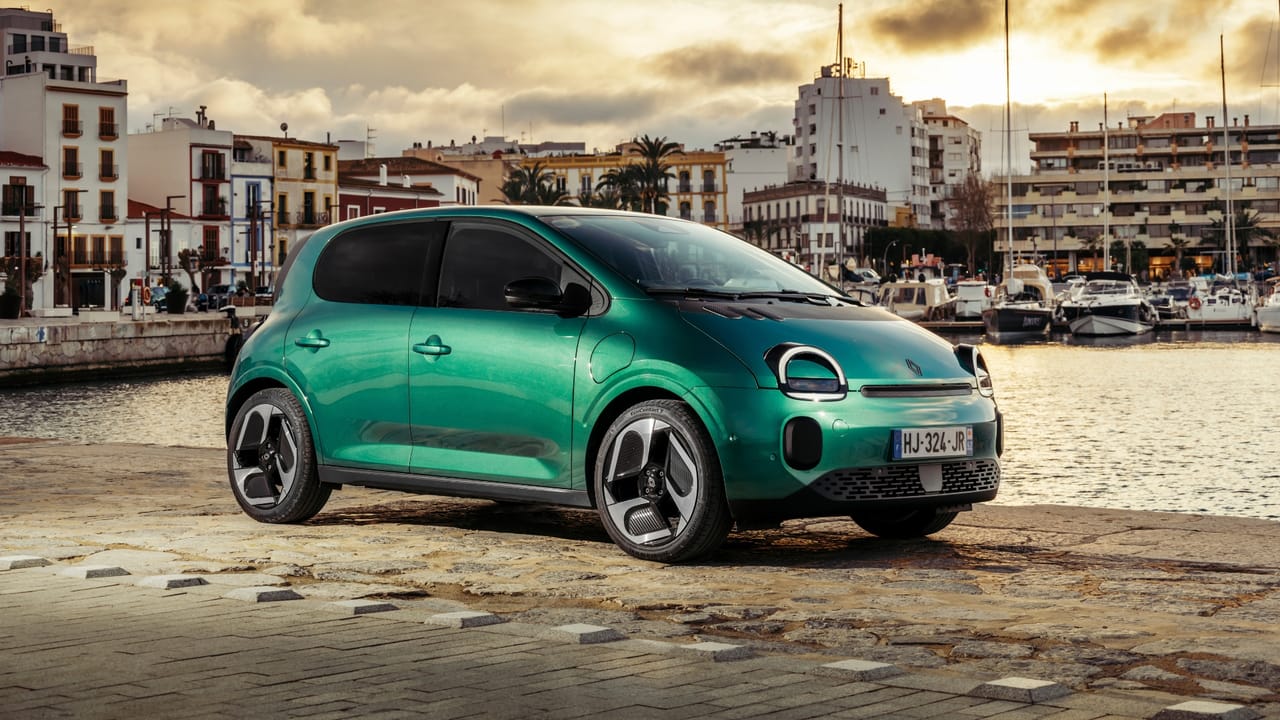
Its design is the first Renault done wholly under Gilles Vidal. Although it adds two more doors and a longer wheelbase, it honours the original’s one-box shape, the shovel-front’s windscreen going as one plane into the bonnet. You know, like a Countach. The arched LED lights and smiling air inlet, the soft panel curves, the rounded rear side glass, the form of the tailgate. The entire confection is a knowing backward glance.
Advertisement - Page continues below
It’s not short of sophistication. The rear side glass lies flush, which looks crafted and expensive. Paradoxically it’s a cost-saver. The glass is pulled tight to the metal because it’s a front-hinged flap, like a three-door car’s. If it wound down that’d be more expensive. Yet at speed its venting effect is apparent. The little ears above the rear lights control draggy turbulence, as does the rear window surround.
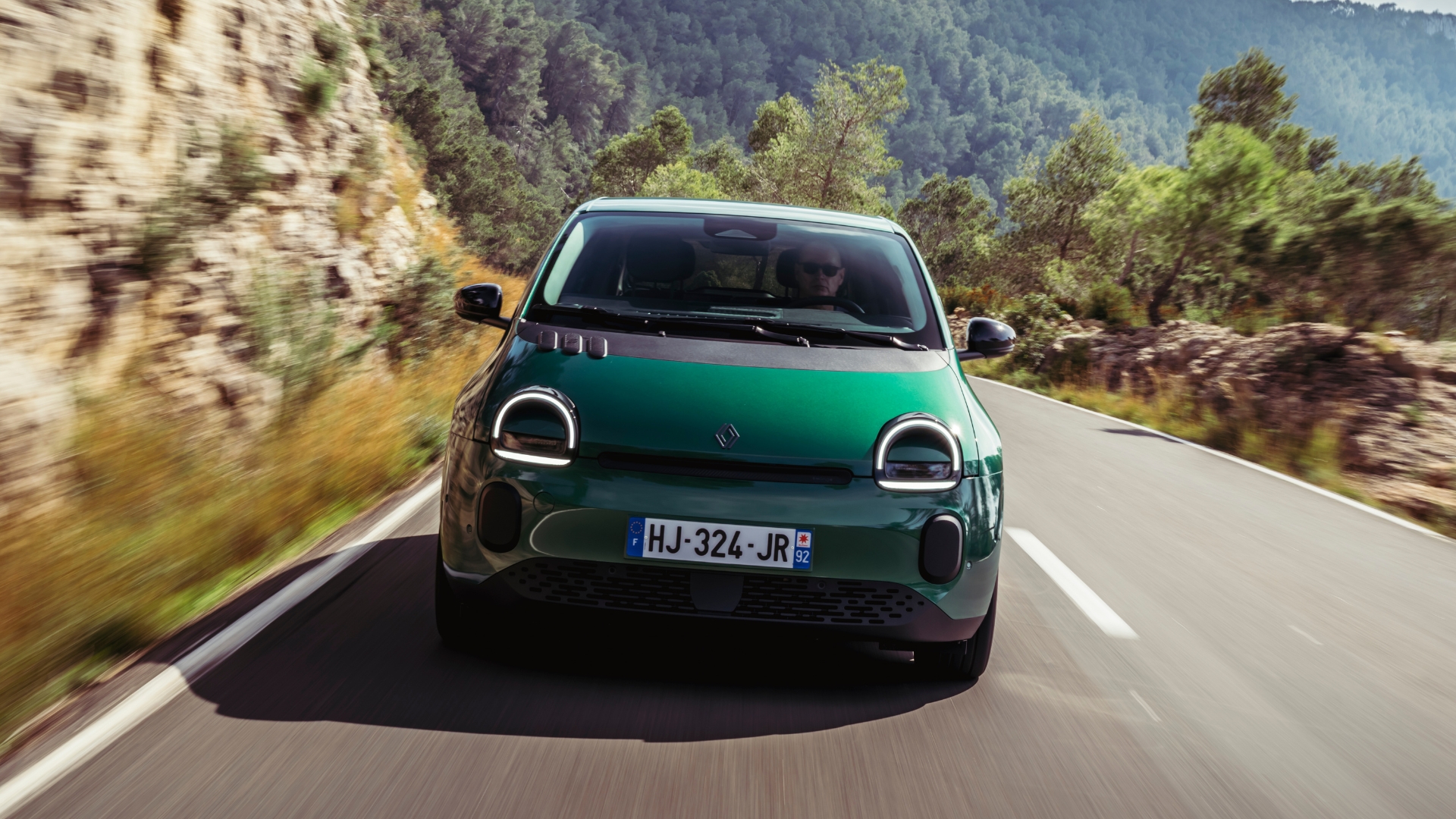
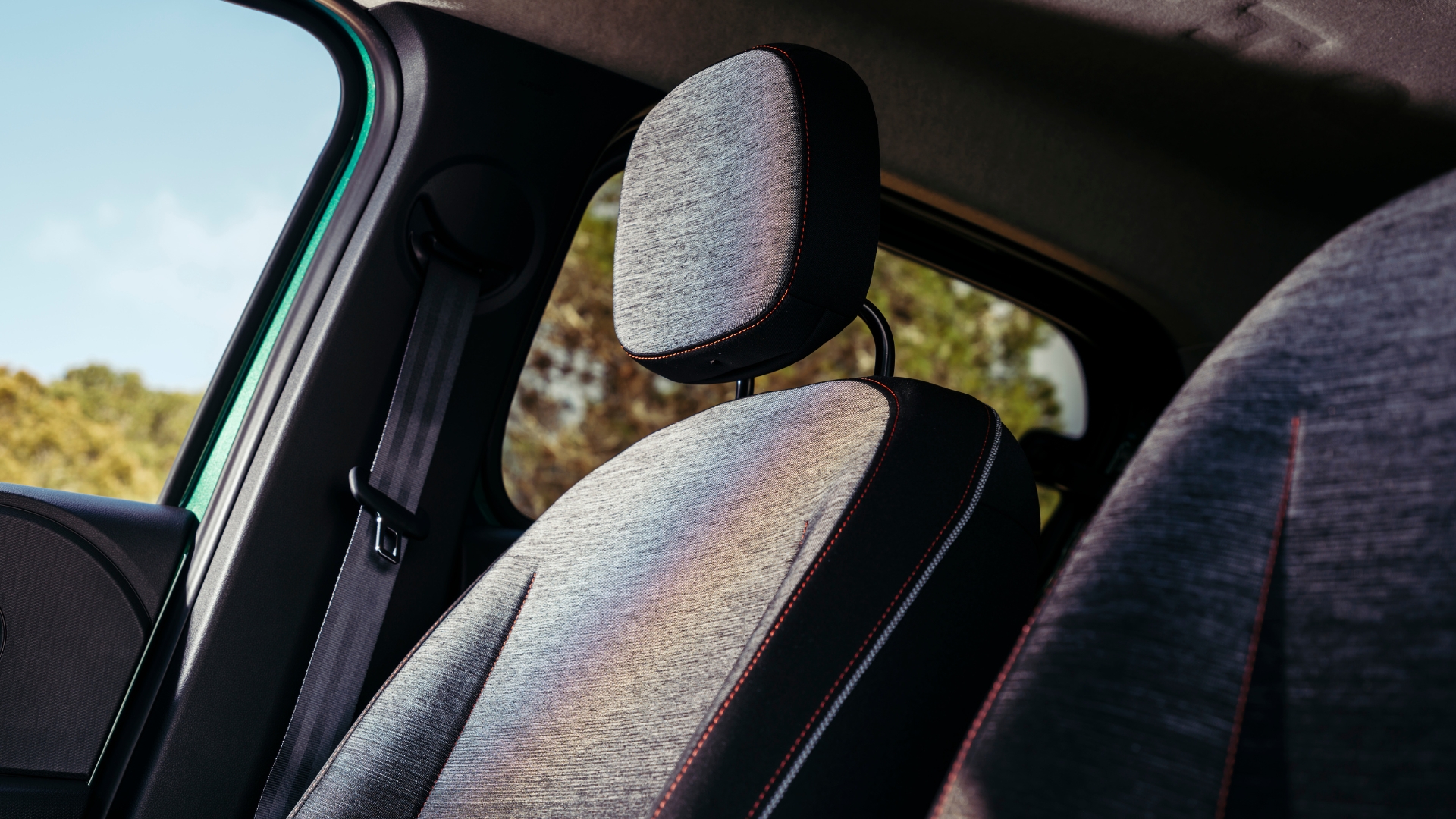
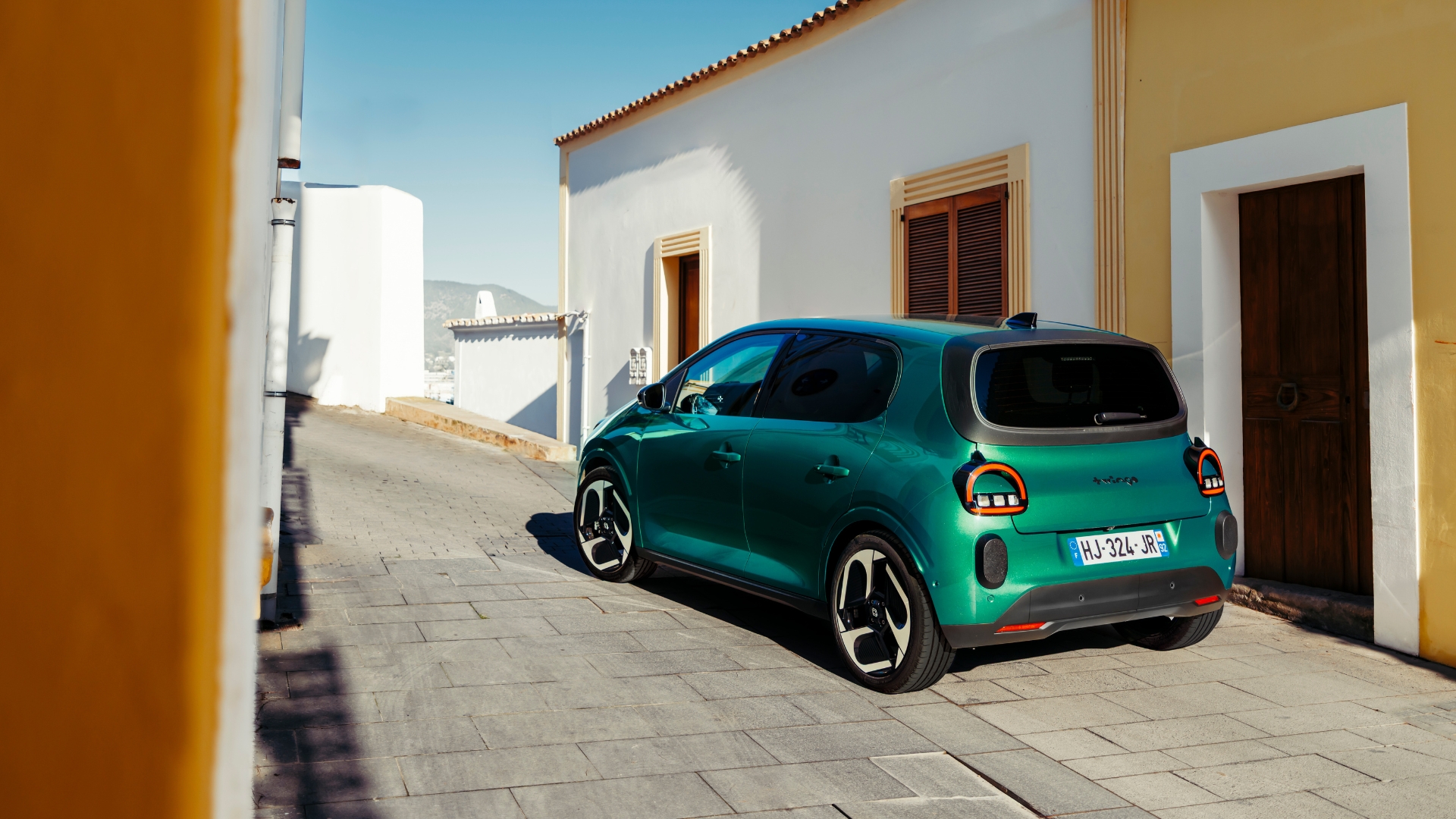
Inside, the main early Twingo throwback is sliding rear seats. They move independently so you can have a bigger boot on one side and more legroom on the other. Slid back there’s the legroom of a Megane. For a baby seat it’s fantastic. Kids need no legroom, so you pull their seat forward and feed them snacks. Since my single days owning an original Twingo, I’ve learned that the biological requirements of a toddler will always prevent you travelling non-stop for long enough to deplete even a 27.5kWh battery.
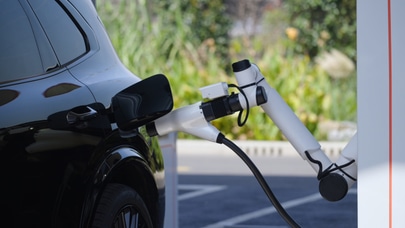
The Twingo was conceived in Paris on the R5’s platform, but with vital cost savings baked in. A torsion beam rear axle to replace the multi-link. A very compact new 82bhp motor. And a cell-to-pack battery with LFP cells, not the higher-density but more expensive NMC. The pack also has an electric heater to liven it up on cold days, but saves money and weight by doing without liquid cooling. So it can charge at only 50kW peak. But because it’s small, 15–80 per cent is still only half an hour. All those things make the pack 20 per cent cheaper than a modular NMC equivalent.
The small motor means a limited 81mph top speed, and a decidedly gentle 0–62mph time of 12.1 seconds. But that motor is light, and with less torque its gearbox is lighter, and the brakes too. All at less cost. The battery weighs just 212kg, the whole car 1,200kg. There are no soft plastics in the cabin. But it looks good and perhaps it’s only road testers who rap the dash with their knuckles to measure ‘quality’.
The Twingo isn’t an R5. It’s more relaxed, more urban, more versatile
With limited performance, you’re more likely to approach the WLTP range. I got 6.2mpkWh in gentle warm-weather driving and better than 5.0mpkWh when I sped up, although still with no motorway. That’s the best I’ve ever got in any production EV. Two-thirds of a battery took me 87 miles, extrapolating to 131 miles total real range. That’s almost what I got out of a late-model BMW i3, double the price six years ago.
To compete with the Chinese, Renault went to China. It set up a Shanghai development centre, most of its 200 engineers themselves Chinese. They know how local companies can work so fast. The end of their work day is Paris morning, where another team of engineers would pick up the thread. The whole car was developed in two years, half the usual time. So it’s on sale sooner, more modern at launch, and brings in two years’ more revenue. Key to that speed was not re-visiting earlier decisions, and stamping out mission creep.
Top Gear
Newsletter
Get all the latest news, reviews and exclusives, direct to your inbox.
So there won’t be a choice of a bigger battery or more power or an Alpine. Those are jobs for the R5. The Twingo isn’t an R5. It’s more relaxed, more urban, more versatile. Take it or leave it: one motor, one battery, two trim levels, few colours, almost no options. Simplicity cuts cost.
It’s actually got all you need, including full connectivity and a biggish screen with a connected electric route planner. The one in these photos has intelligent cruise and self-parking and a surprisingly OK stereo. In both trims the legal ADAS has a kill switch. The climate controls are real knobs. It’s all very useable.
On the road it feels more expensive than it is. The suspension is plush and quiet over coarse zitty surfaces, and supple and nicely damped in swallowing bigger upsets. Acceleration is at leisure, so you won’t be doing much open-road overtaking but it’s fine for daily biffing around. At speed there’s some wind noise but otherwise life is quiet.
Here come corners. Load the tyres up and the steering gives you good feel. It talks of its grip and stays pretty neutral. The meek torque means no traction loss or writhing of the wheel. You get regeneration paddles, and mostly the brakes are well integrated, but regen level four is one-pedal driving, activating the discs at low speed, and you can feel the automated transitions.
That simpler rear suspension brings a different character versus the R5. It’s not as precise in bends and you can’t use the accelerator to tighten or free your cornering line. The more straightforward and gentler input-output protocols of the Twingo probably make it more relaxing for the everyday. Besides, versus the rest of the world’s cheap baby cars, this thing is a paragon of decorum.
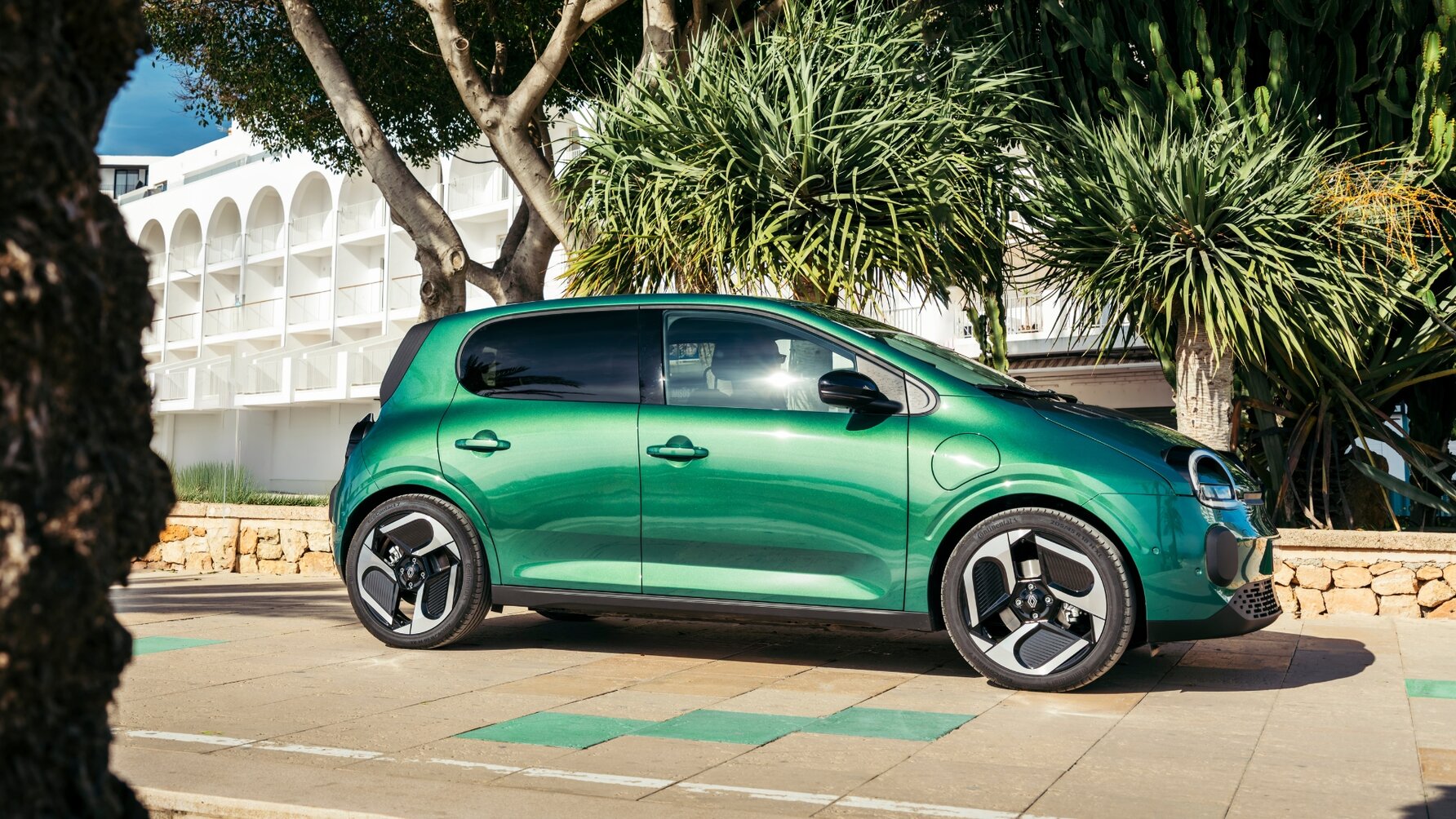
The original Twingo was so void of choice they didn’t even offer RHD. I rather liked LHD in London. You parked at the kerb and hopped out onto the pavement. In narrow streets you checked your nearside wasn’t going to scrape and let the oncoming driver take care of the gap between you. For this generation, Renault UK asked for RHD and of course that’ll take time: until the turn of this year.
The Twingo’s cleverness is it brings cheapness through strategies that don’t make it a chore to use. It’s adaptable in many ways and restricted in only two – just four seats, just two non-stop motorway hours. It’s refined and comfortable and good to drive. Crucially, as our era demands it’s green and cheap. That’s all very rational. Perhaps enough to be our EV of the year.
But we also choose cars irrationally, and the Twingo speaks to that. The Twingo’s spirit – and so its driver’s too – remains forever young. It radiates optimism like it did in the 1990s. That seals the award.
Renault Twingo
Price: Sub-£20,000 (est)
Powertrain: Single motor, 80bhp, 129lb ft
Transmission: 1spd auto, FWD
Battery/range: 27.5kWh/163 miles
Performance: 0–62mph in 12.1 seconds, 81mph
Weight: 1,200kg
Trending this week
- Car Review
Tesla Model Y