




Advertisement
“A cleverly packaged and efficient little EV, that also happens to have some proper character”
Good stuff
Supremely practical for something so small, efficient, proper sense of humour
Bad stuff
Teeny EV range, plasticky interior, only four seats
Overview
What is it?
It’s a kei car in the UK!
A what car?
It’s short for kei-jidōsha, which translates to 'light vehicle'. It’s the class of car introduced in Japan just after World War Two to get the market back on its feet, but it’s still going strong today. The dinky Honda N-Box has been the best-selling car in Japan for the past four years.
Advertisement - Page continues below
The last major update to the kei car regulations came back in 1998, when crash safety regs forced an increase in the maximum dimensions to 3.4m in length and 1.48m in width. There’s been a 2m height limit ever since these cars were first introduced in 1949.
Ah, so this fits within those dimensions, does it?
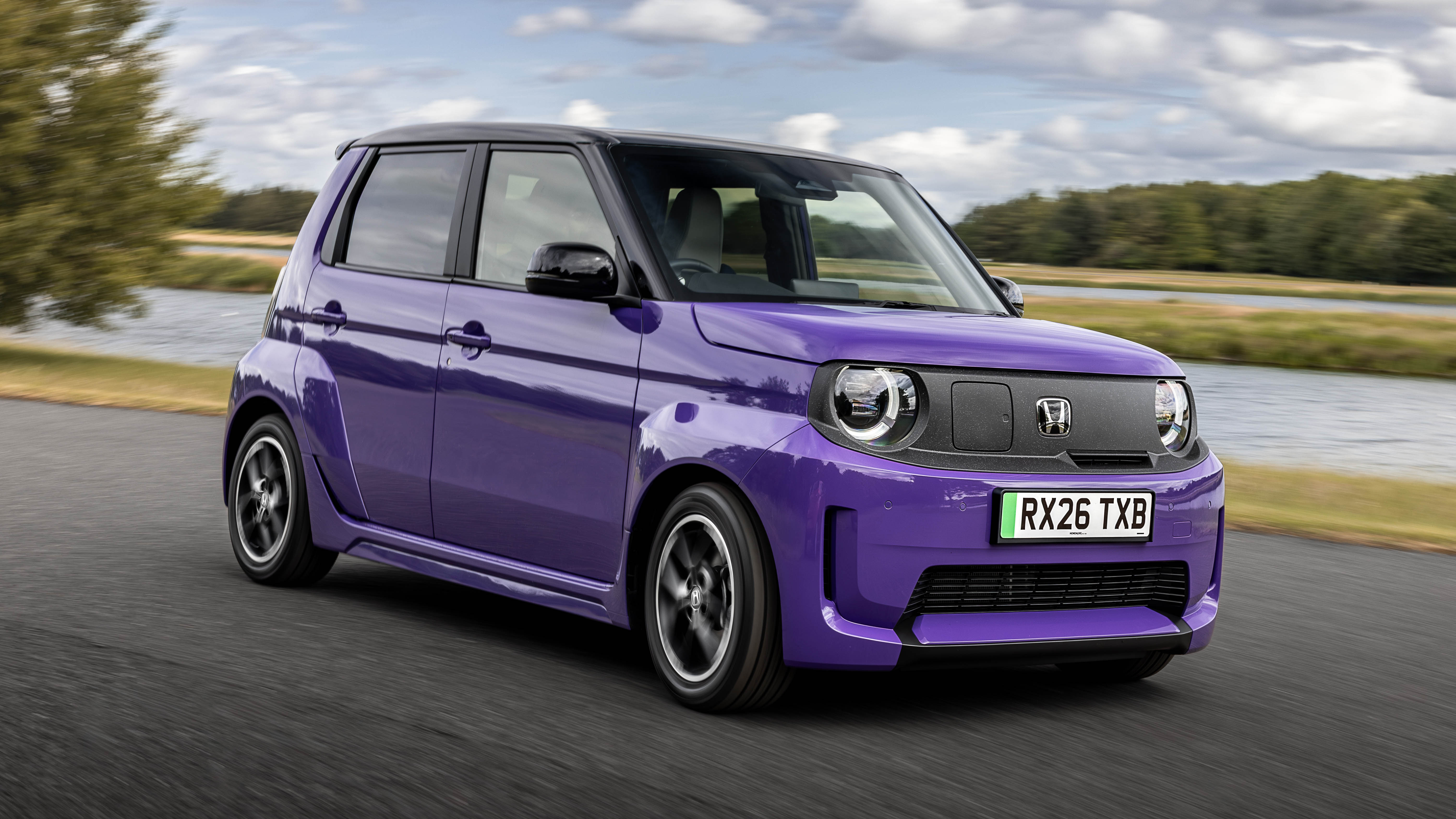
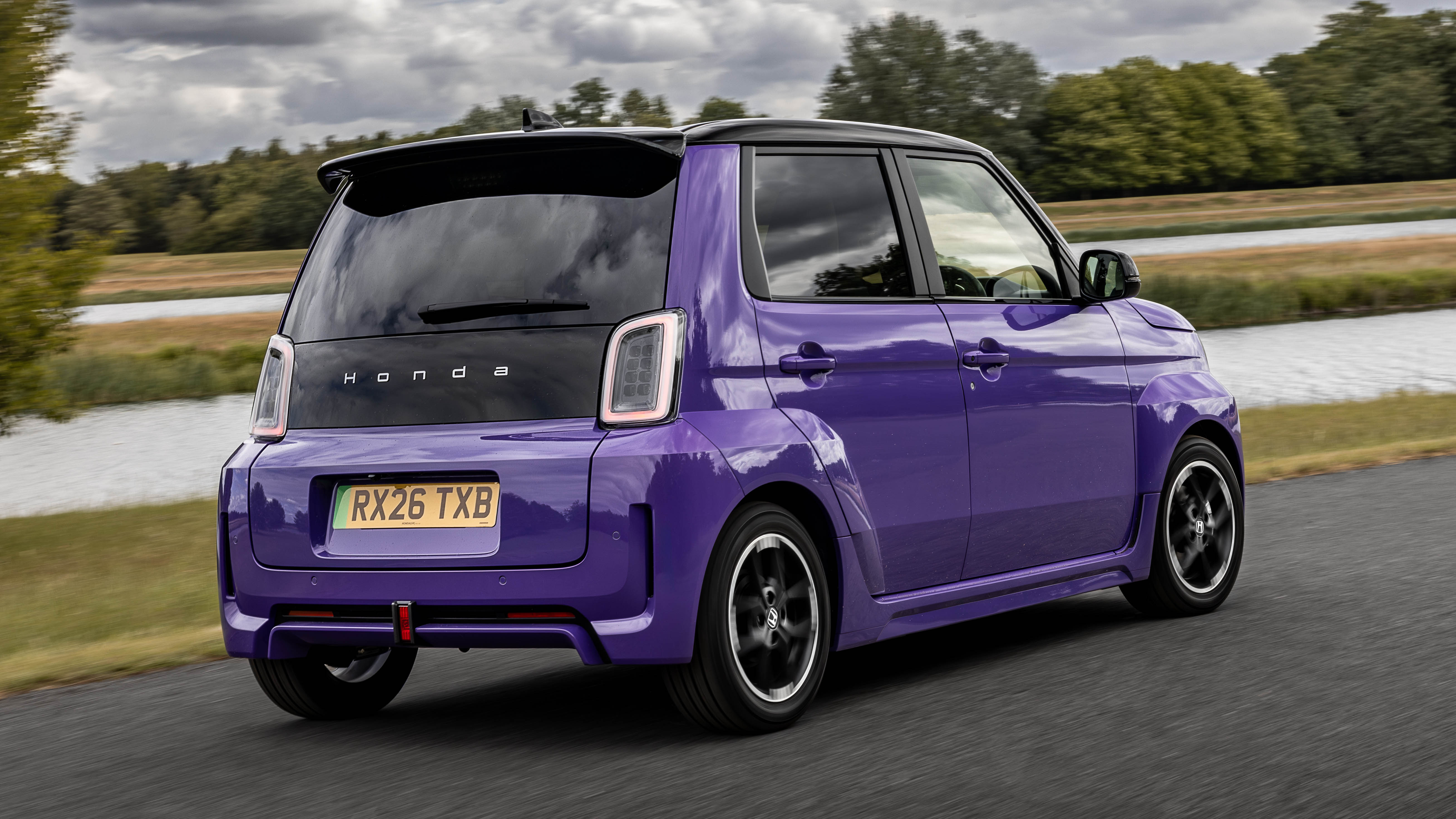
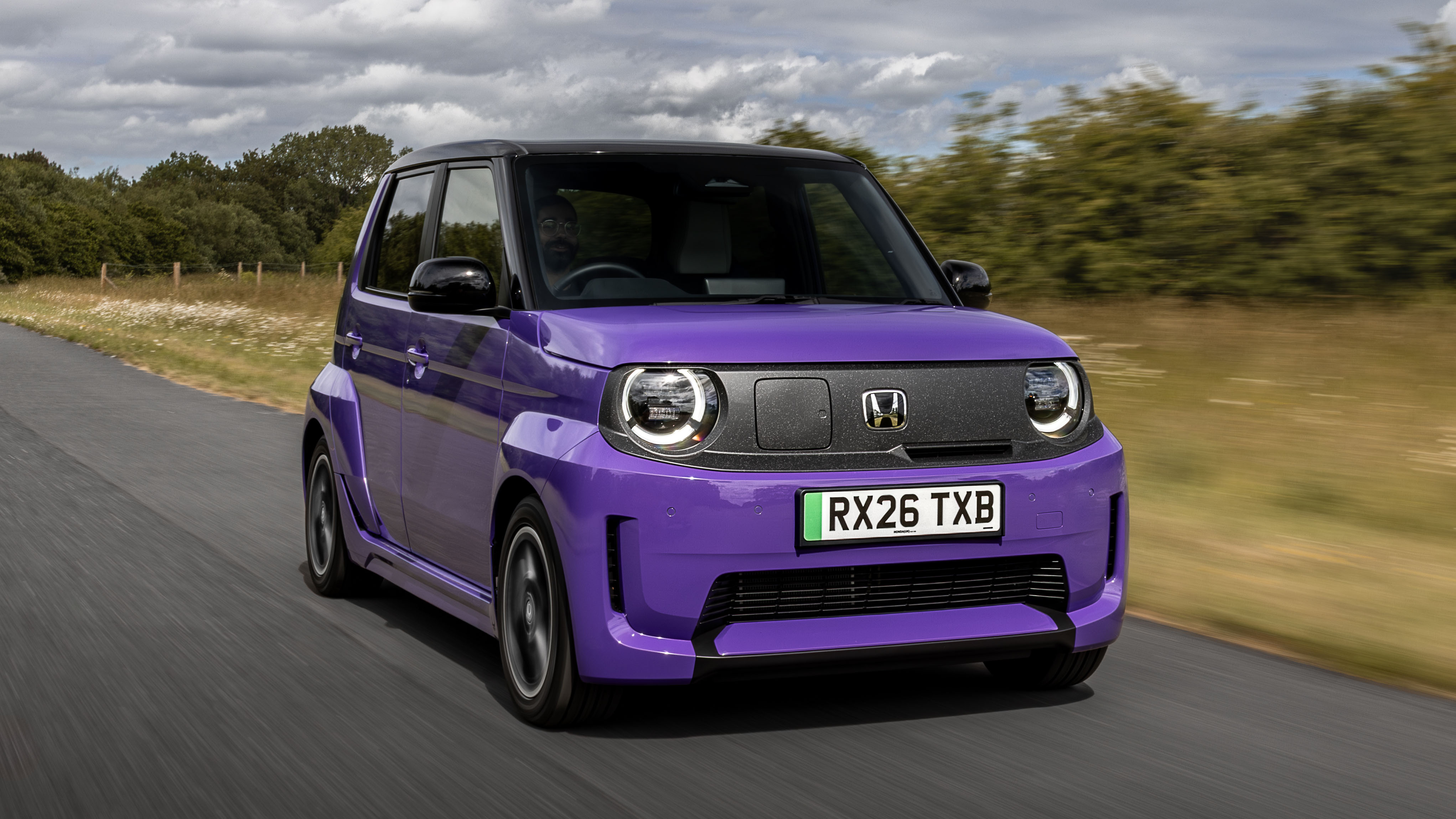
Erm, not quite. Honda does sell the all-electric N-One e as a proper kei car in its domestic market, but to transform it into this Super-N it has fitted a wider track, chunky arches, uprated brakes, bespoke alloys, a proper little spoiler and protruding bumpers. Apparently, the pugnacious look was inspired by the brilliant City Turbo II of the 1980s, which was given the nickname Bulldog in its home market. Very apt.
Kei cars get tax breaks and parking exemptions in Japan, but they’re also subject to a maximum power output of 63bhp. In everyday driving the Super-N tows that line, but you might have noticed a little ‘Boost’ button on the steering wheel. Give that a prod and the front-drive electric motor unleashes a mighty 94bhp. Steady on now.
Why is it coming to the UK now?
Great question. Having failed to replace the brilliant e and then discontinued the disappointing e:Ny1, Honda has recently been left without a full EV in its UK line-up. It reckons this teeny city car is the best way to attract new, younger buyers to the brand, while also giving its current customers something to swap into when they want to chop in their hybrid Jazz for an EV.
Advertisement - Page continues below
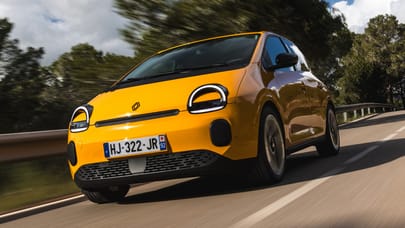
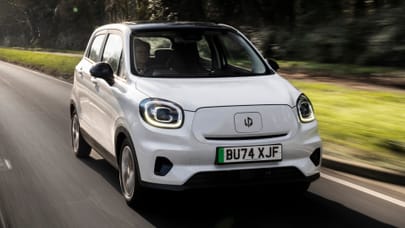
It’s also predicting that by 2029, 5.1 per cent of all electric cars sold in the UK will be in this teeny A-segment. Rivals include the Leapmotor T03, the Dacia Spring, the Fiat 500e, the BYD Dolphin Surf and the upcoming Renault Twingo.
How much does it cost?
Well, at launch the Super-N won’t qualify for the UK Government’s Electric Car Grant, but the price is still punchy. Just one trim level is available with plenty of kit, and it’ll cost £18,995. Head to the Buying tab of this review for more info.
What’s the range?
On the WLTP cycle the Super-N scored 128 miles of range from its 29.6kWh (gross) battery. Not a huge amount, but Honda does reckon that if you stick to the city, you’re looking at closer to 200 miles between charges.
Is there anything ‘Super’ about the way it drives?
“Our aim was not just to develop another EV, but to develop a car that’s going to provide the joy of driving,” said project leader Hidetomo Horita at the Super-N’s launch.
So, in addition to that Boost mode, you’ve also got a simulated seven-speed gearbox with flappy paddles behind the steering wheel, plus a futuristic four-cylinder sound that can be pumped through the car’s speakers. It’s not trying to be an out-and-out hot hatch, but it gives the Super-N a bit of character to match the looks. Click through to the Driving tab for more.
What's the verdict?
“Finally a kei car for the UK. Let's just hope Brits get on board”
The Super-N is supremely tiny, but we love that Honda is giving us a crack at a kei-ish car here in the UK. It may not have massive range, but on first impressions it seems to be properly efficient and much more fun to drive than its closest rivals.
Honda reckons it’ll sell 3,000 units in its first year in the UK, and we can only hope that the buying public gets on board. As a little city car this thing is easy to park, comfortable enough and looks fantastic. All together now: “You don’t need an SUV!”
The Rivals
Trending this week
- Car Review
Skoda Peaq