



Interview
Top Gear
Audi's creative boss: "big screens are not the best experience"
Is Audi taking a bold new direction with the F1 car and Concept C... or simply returning to a bold older direction?
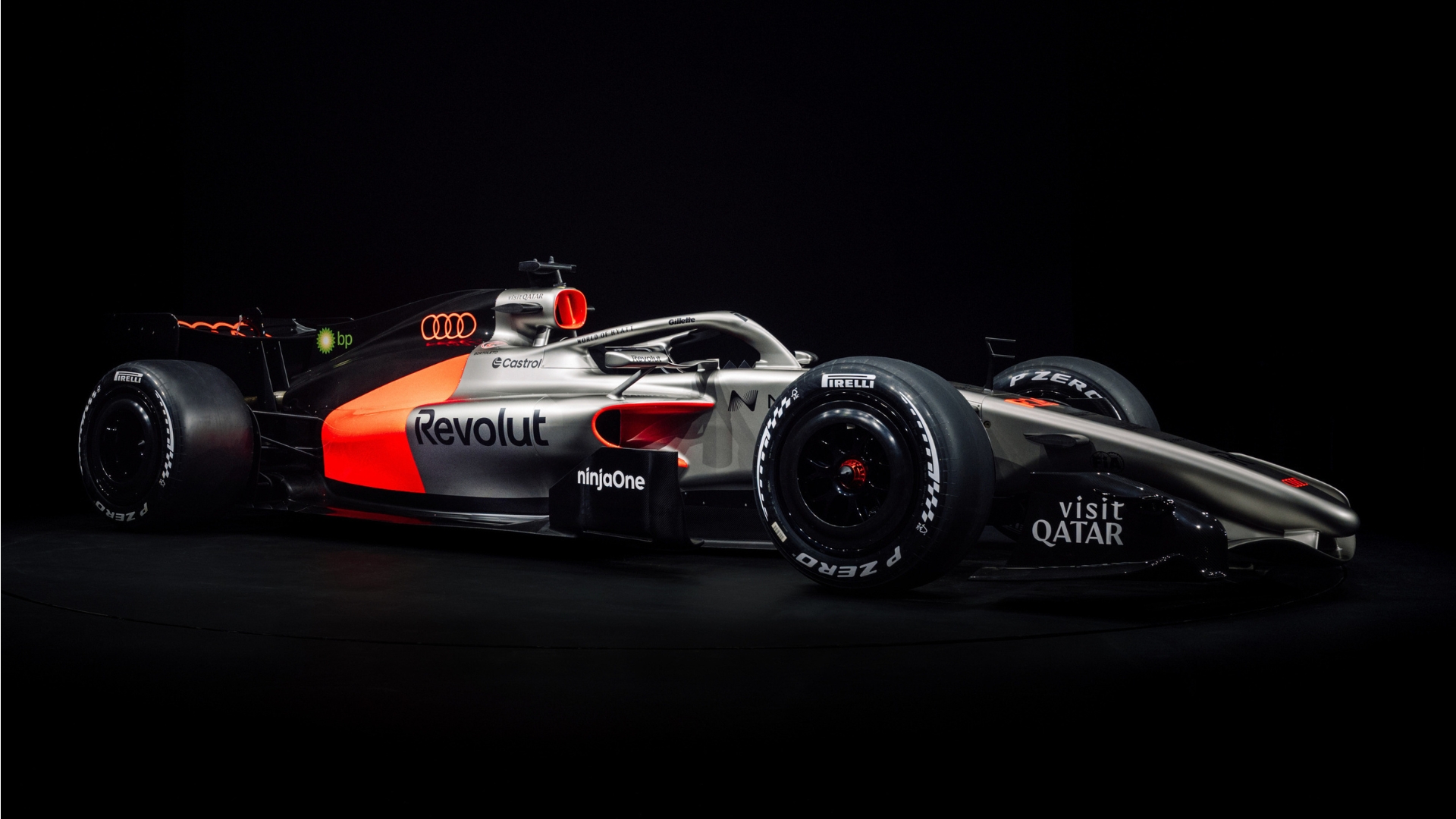
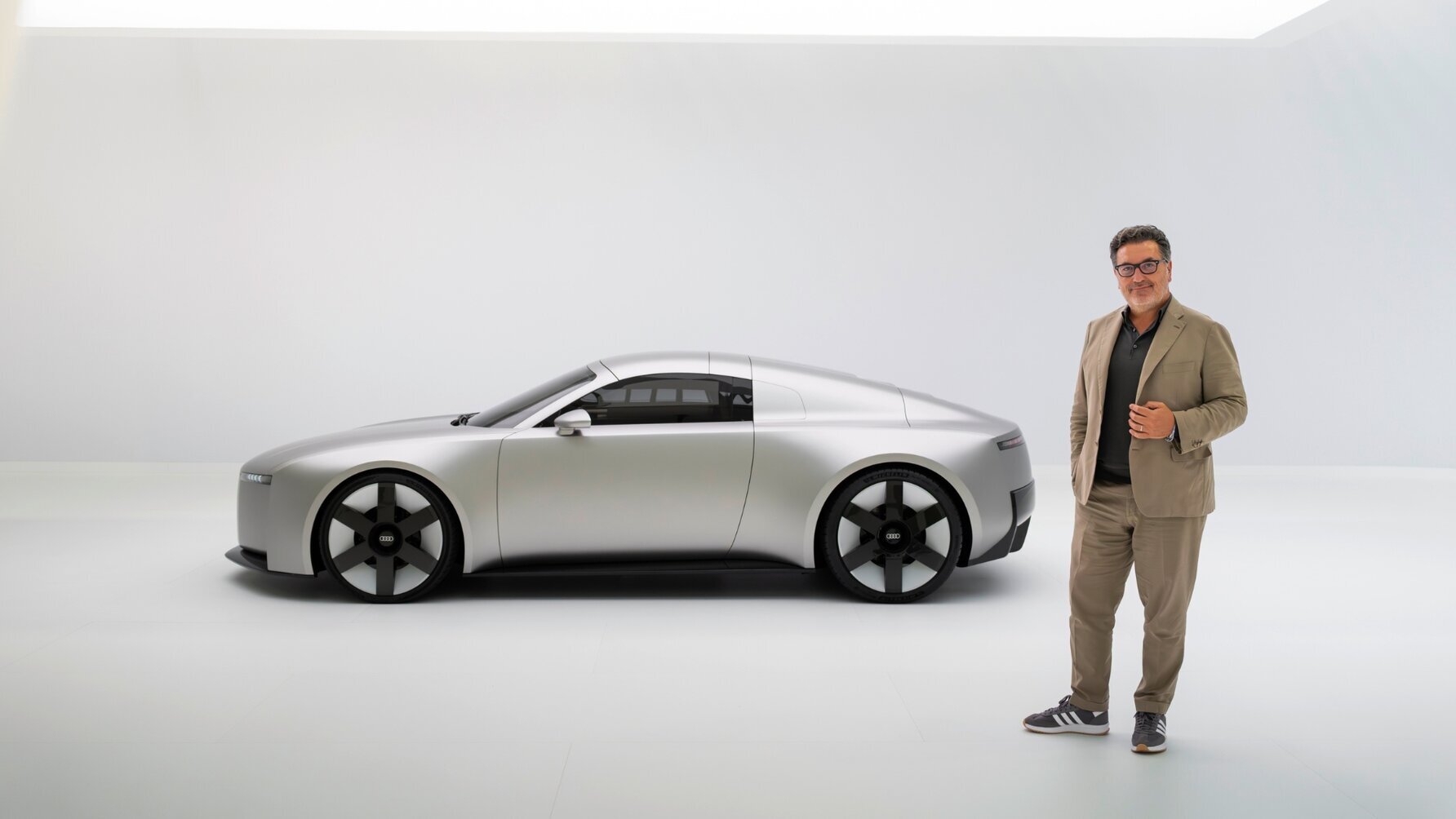
Two Audis you can't buy show a lot about the company. The new Formula One car and the Concept C, which will become a very similar production car. They show the company is taking a bold new direction. Or you could say returning to a bold old direction. One it has lost.
Will the Formula One team's combination of drivers, engineering, strategy and tactics result in alchemy or chaos? Too soon to say. For sure it's a noble attempt to recapture motorsport glories of the ages: the 1930s Auto Union GP cars, the IMSA and DTM saloons, rallying Quattros, a decade and a half ruling Le Mans.
Advertisement - Page continues below
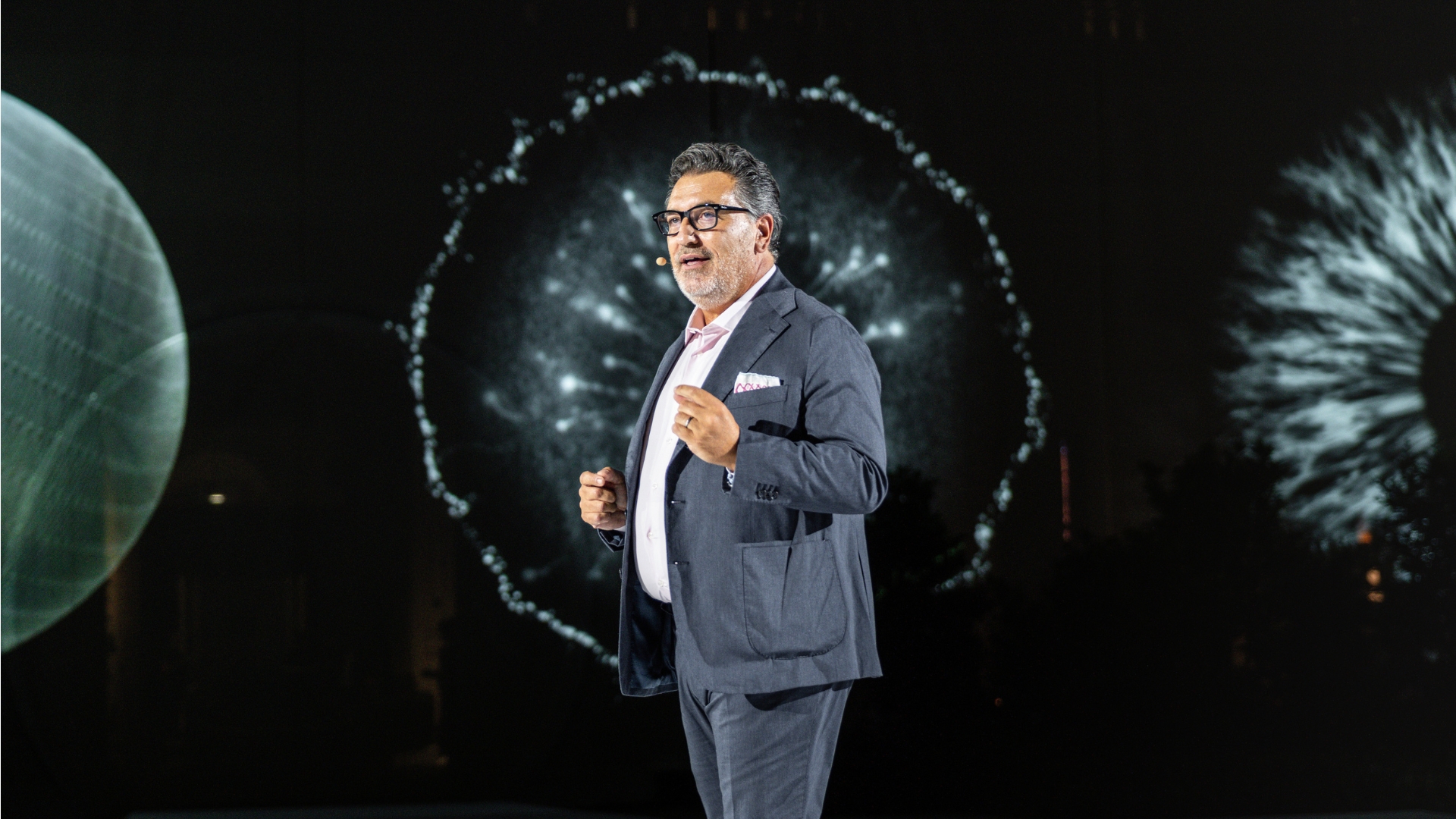
More evident already is that Audi is getting back its design mojo. Its chief creative officer was a high-profile hire. Massimo Frascella was lead exterior designer at Land Rover, responsible for the Velar, then Defender, and Range Rover.
Frascella is intent on drawing together every outward facet. The F1 livery is Audi's familiar silver/red/black diagonal. At its launch he said: “We are introducing a unifying design system to bring together every aspect of our organisation. At its core are our four rings."


Four. It matters. Quattro. The logo. Four intense adaptive dots in the Concept C's headlights, a departure from Audi's fancy light shows – "incredibly restrained, but technical and recognisable". And since arriving at Audi in 2024 Frascella has developed a new written expression for the design philosophy. It's four words: 'clear', 'technical', 'intelligent' and (as a result of the other three, he says) 'emotional'. "Rationality turns into emotional."
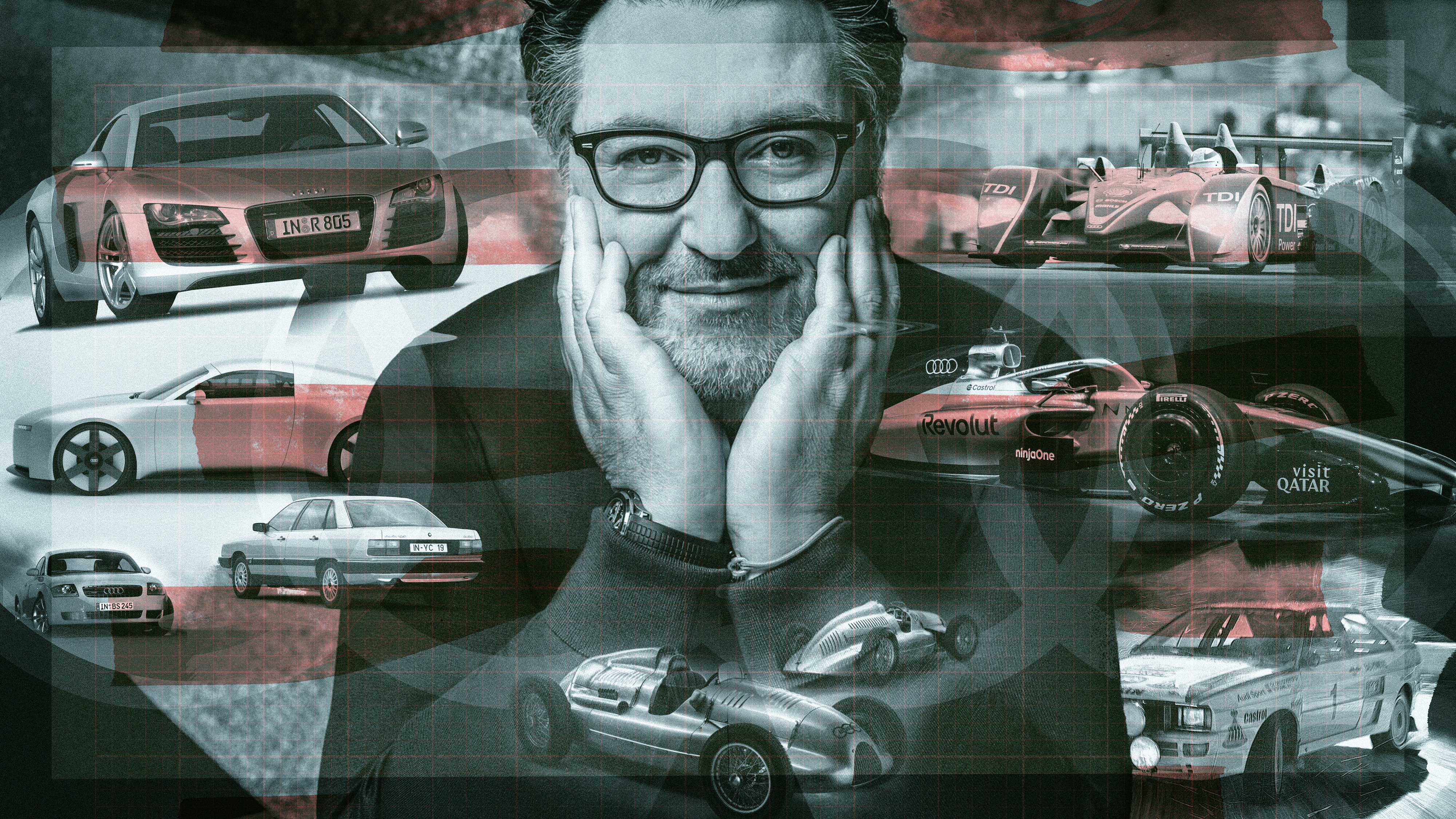
Sitting down with Frascella, I say there's a gold seam to dig up: Audi design used to be definitive. He agrees, mentioning the original TT, the A2, the incredibly pure 1997 A6, and those Auto Union racers. The Concept C references those cars. I venture Audi design began to wobble around the turn of the century, first with 'emotional' designs - baroque and over-complicated - then with the more recent softer shapes that lack identity.
Advertisement - Page continues below
He gets animated. "No other brand has managed to have that restraint, that rigour, that discipline, that form of discipline and that purity, that clarity, that geometry and yet deliver a highly emotional design that's Audi." To him, the fourth word in the design philosophy, 'emotion' isn't an input, it's an output.
Solid visual simplicity is a very German thing. I mention the way other German cars have become more ornate in a fruitless attempt to sell more in China. "I'm glad you say Germanic. Audi is global but by nature German, it's part of the identity. When brands try to appeal to everyone they lose the essence of what they are."
With his team he was defining that philosophy – and each of the four words has its own sub-paragraph of course – at the same time as building the concept car that represented it. So there's no need to reverse-engineer the words onto the car. Will he facelift the current range with front ends that fit his new design themes? No. "It's much more zoomed out to follow that clarity. You cannot mix and match, you cannot adapt, you cannot morph."
The Concept C returns to simple solid forms. "It's very Audi, this solid metal feel on the surface. The rear fender and rear part of the cabin has a real controlled sense of solidity. That's the difference between being organic and free-form and having that rigour and precision in the sections. Everything contributes to the final perception of the car."
Top Gear
Newsletter
Get all the latest news, reviews and exclusives, direct to your inbox.
Audi has an amazing record in aerodynamics, from the flush-glazed 1982 100 to the A2 and R8 and new ultra-slippery A6 e-tron. Must the cars visually express their aero properties? "The foundation design is proportions. We need to deliver on aerodynamics, but ultimately you cannot compromise on the foundations of the design.
"I often get asked, do electric cars need to look electric? My answer is no. A car needs to be electric, and be efficient, but it needs to look premium in execution of proportions. These are the foundations. [Otherwise] the technology drives what you are doing instead of you driving the technology to do something for your brand and for the customers."
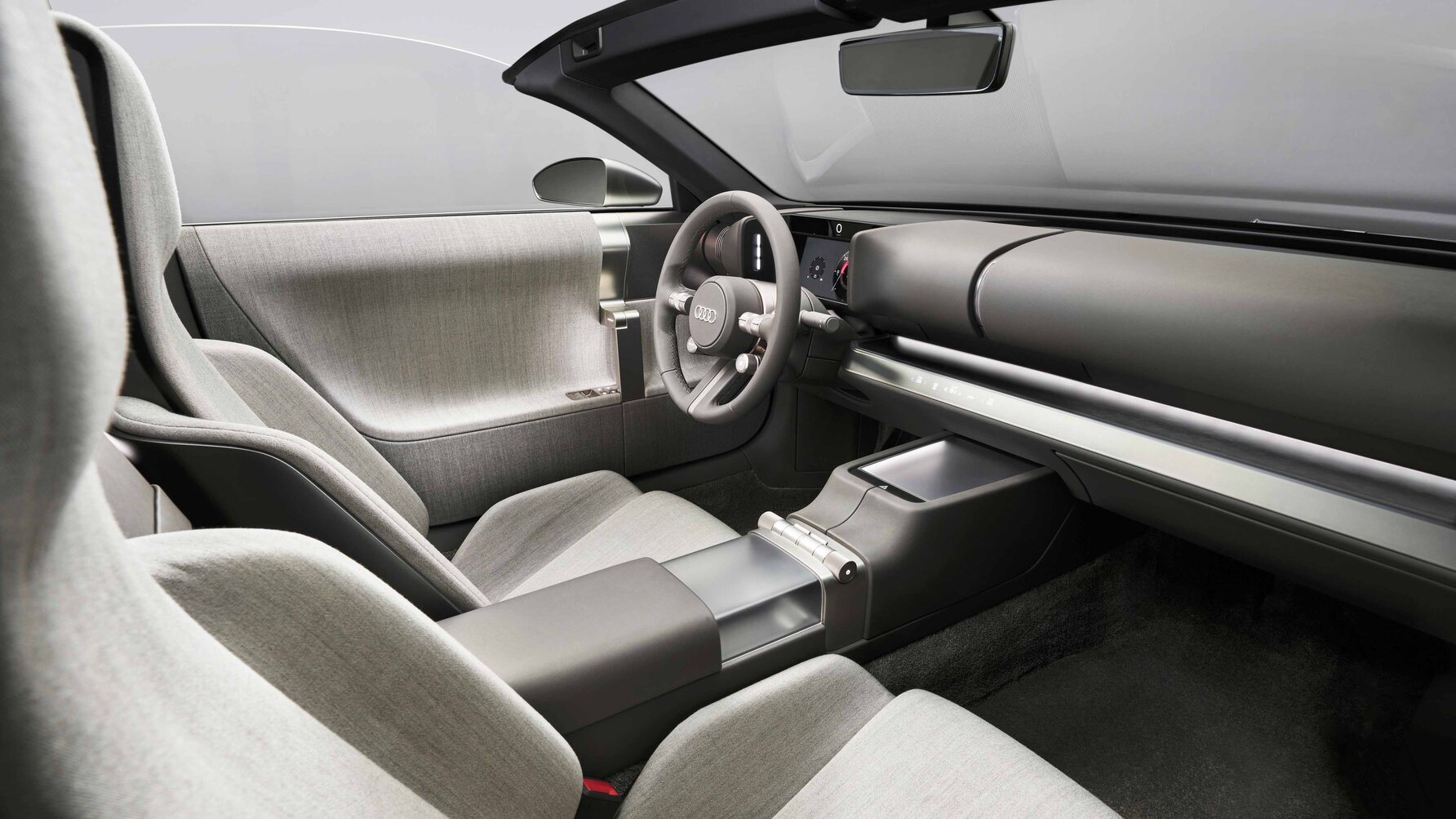
While we're gazing back into Audi's great days, we get to interiors. They used to have an absolutely peerless quality feel. Recently they veered towards generic mega-screens and shiny plastic. The Concept C pushes back with a small screen area and lovely materials.
"Audi has always been at its best when it has been confident. So you have to listen to what the customer needs, then find your own way to deliver that with your brand experience, not like everyone else. It's not about taking things out, it's just offering the technology and the functionality in a way that's beneficial for the customer. And is premium.
"Tactility is very important. Big screens are not the best experience. It's technology for the sake of technology. For us, technology is there when you need it, not there when not needed. This mix of digital and analogue, the tactility, the perception of quality that is so important for Audi, the precision, the metal parts… we talk about the Audi click. These made Audi what Audi is."
He's not copying the past, but aiming to mine the best of its spirit, whether the interiors or exteriors design, or come to that the F1 livery. "It is important as Audi to be recognisable and that's why we start from our heritage, like an anchor in the values of Audi."