




Motorsport
Top Gear
Will 800bhp, 200mph cars make Formula E unmissable?
Electric racing has spent 12 years explaining itself. Will Gen4 make Formula E impossible to ignore?
Twelve years ago, Formula E began with milk-float jokes and drivers changing vehicles halfway through races. Yet this summer, motorsport’s premier all-electric racing series finally had the sort of uncomplicated public moment it had spent much of its life trying to engineer. And it only took 42 seconds.
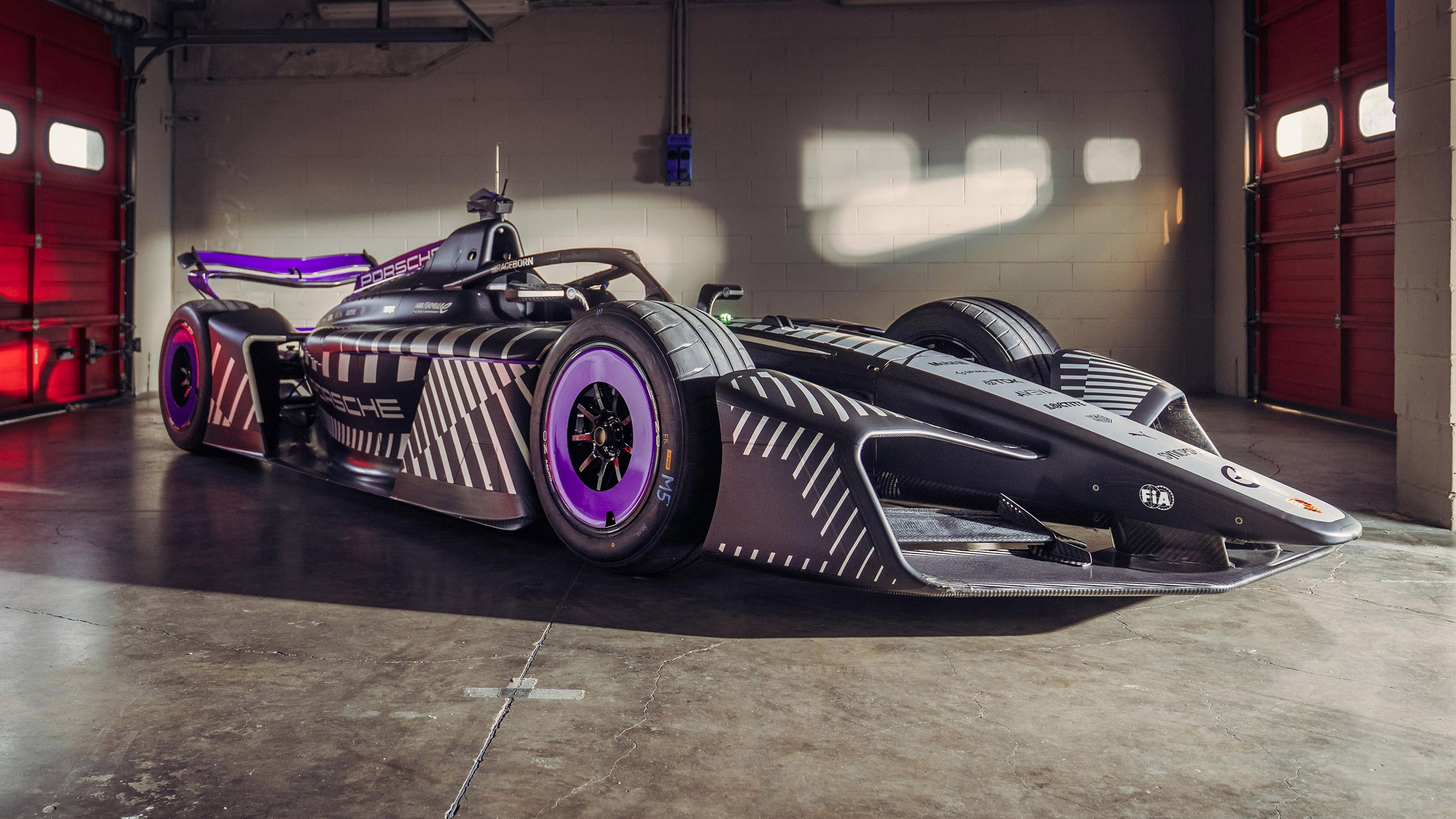
During the Goodwood Festival of Speed, Formula E’s mulleted, not-so-media-trained driver Dan Ticktum pointed FE’s upcoming Gen4 car at the Duke of Richmond’s driveway in the Sunday Shootout. With 800bhp, four-wheel drive and a set of slicks, he gritted his teeth and went for it. Attacking every element of the climb, he finished second, less than 0.5sec from victory against Romain Dumas’ insane Pikes Peak car. He clocked the fifth-fastest time in Goodwood Shootout history – just 0.86sec shy of Nick Heidfeld’s once-untouchable 1999 run in a McLaren Formula 1 car.
Advertisement - Page continues below
It was a ‘yikes’ moment from doing something incredibly simple: going like hell. Formula E needed that.
“It massively shifted the perception of Formula E,” Ticktum tells TopGear.com two weeks later at FE’s penultimate Tokyo round. “The step from Gen3 to Gen4 is a ‘quantum leap’ and it’s a very, very serious race car,” he says. “Gen4 is arguably the first proper race car in my opinion.”
Indeed Ticktum, no stranger to calling it out straight, once told Formula E CEO Jeff Dodds to simply “make it look good… ultimately it’s a show".
He's right, because Formula E has spent 12 years explaining itself. Why cities? Why did drivers change cars? Why are they slowing down? What is Attack Mode? Is it electric F1, a laboratory, a green marketing platform or an actual sport? Its peculiar problem is that FE got cleverer much faster than it got sexier.
Advertisement - Page continues below
And that matters because Formula E has largely won the technical argument it was created to have. Electric cars can be fast. They can race. Batteries can last. Manufacturers can learn useful things. The harder question now is whether anybody cares.
Even Jeff, the candid man in charge of running it, admits Formula E may have arrived before the technology was ready. “Arguably we probably launched a series too early,” Dodds told TG. Quite a thing for a CEO to say about the thing he is currently CEO-ing.
When Formula E started racing in 2014, mainstream electric cars were still curious objects purchased by curious people. Range was limited, charging required patience and a Nissan Leaf appeared to be designed specifically to advertise its owner’s recycling compulsions.
Formula E’s idea was radical: race electric cars in the centres of major cities, force the technology forwards and prove the future didn’t have to be beige, slow and humming. Except the technology wasn’t ready. Gen1 produced 200kW – around 270bhp – and managed roughly 140mph, but its 28kWh battery couldn’t finish a whole race.
Top Gear
Newsletter
Get all the latest news, reviews and exclusives, direct to your inbox.
Embarrassingly, halfway through, the driver climbed out and got into a new, fully charged car. It was easy to point and laugh. So people did.
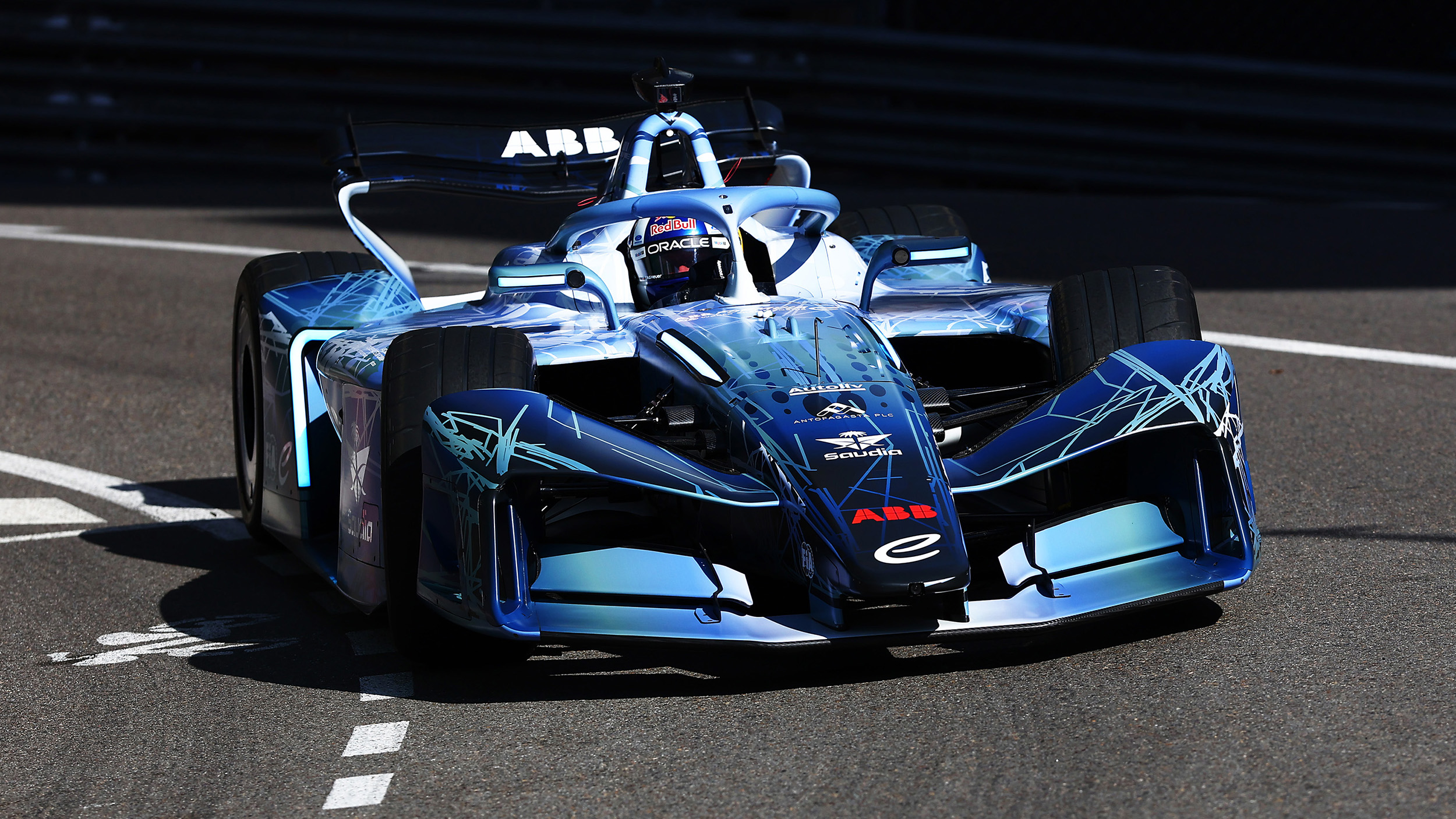
Gen2 arrived in 2018 with enough battery to finish. Gen3 then pushed power to 350kW, regenerative braking eventually reached 600kW and Gen3 Evo added temporary four-wheel drive and 0–62mph in around 1.86 seconds. Underneath, it became fantastically sophisticated. From the outside, quite a lot of people thought the cars looked a bit rubbish. Including the drivers.
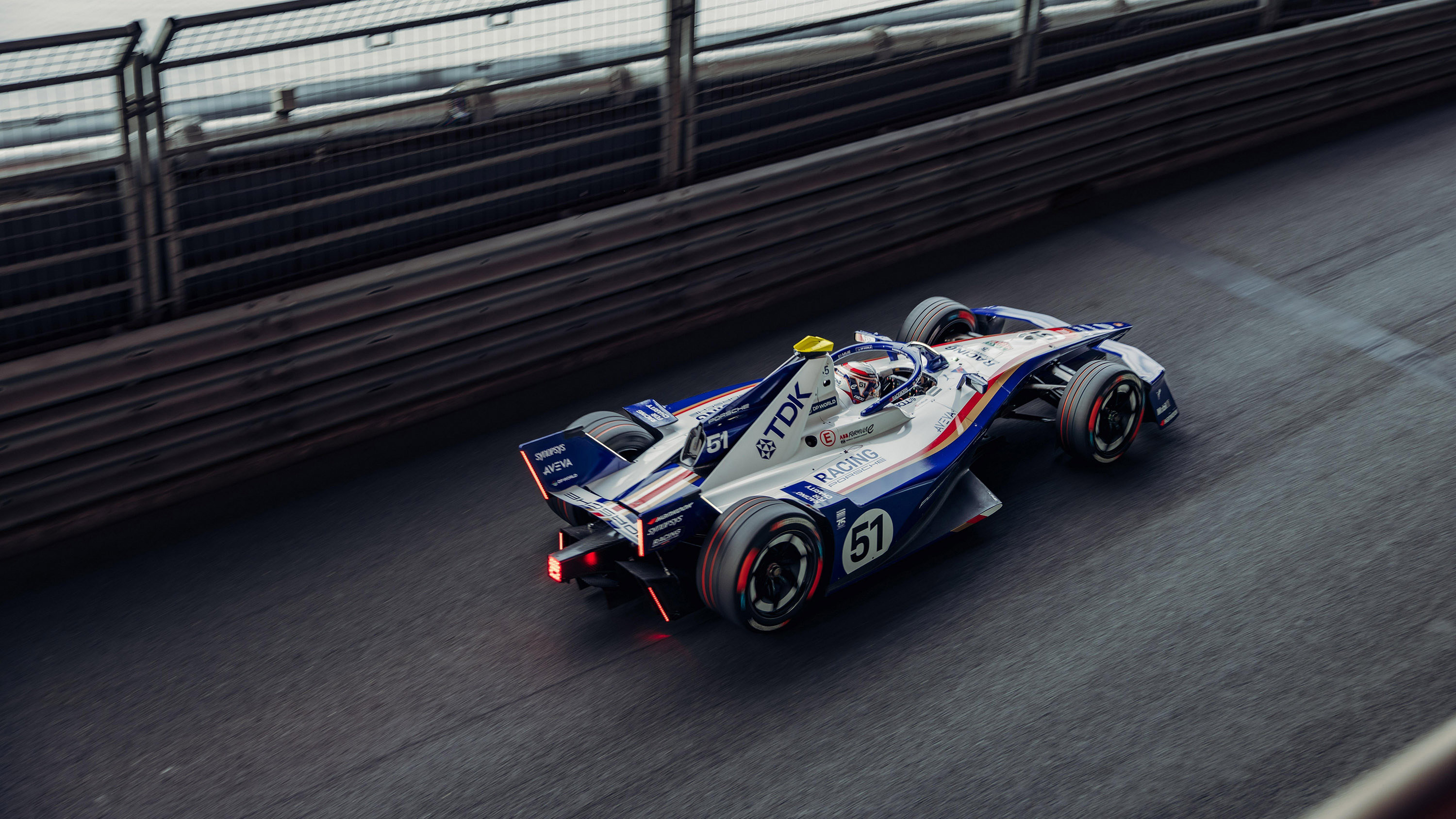
Gen3, actually became harder to drive, according to António Félix da Costa, 2020 Formula E champion and now Jaguar driver. More power without anything like F1 levels of tyre grip or downforce. Circuits like Tokyo comprise narrow roads, bumps, painted lines, drain covers and race-ending concrete barriers waiting inches beyond the bit you’re supposed to racing wheel-to-wheel on.
“We don’t have a lot of grip. We don’t have a lot of downforce, but we have a lot of horsepower. So it’s a very difficult car to dominate,” he said.
Very little of this is obvious from your sofa. Da Costa points to Formula 1. An F1 car bottoms out and throws sparks, and your monkey brain immediately computes it as fast, violent and difficult. Sparks are motorsport’s jazz hands. Formula E’s cleverest bits are software. And software does not spark.
What you may not know, is that FE cars can alter their behaviour corner by corner – differential, braking, regeneration, torque delivery – according to where they are on the circuit. Technically, this is remarkable. Visually? Less so.
The same problem comes when following a race with your eyes. It can look baffling as somebody takes the lead, then seems rather keen to lose it. Drivers lift early, gaps swell and collapse, a car drops backwards and nobody looks particularly concerned. Then, towards the end, the whole thing goes potty. That’s because energy management isn’t an irritation attached to Formula E racing. It is the racing.
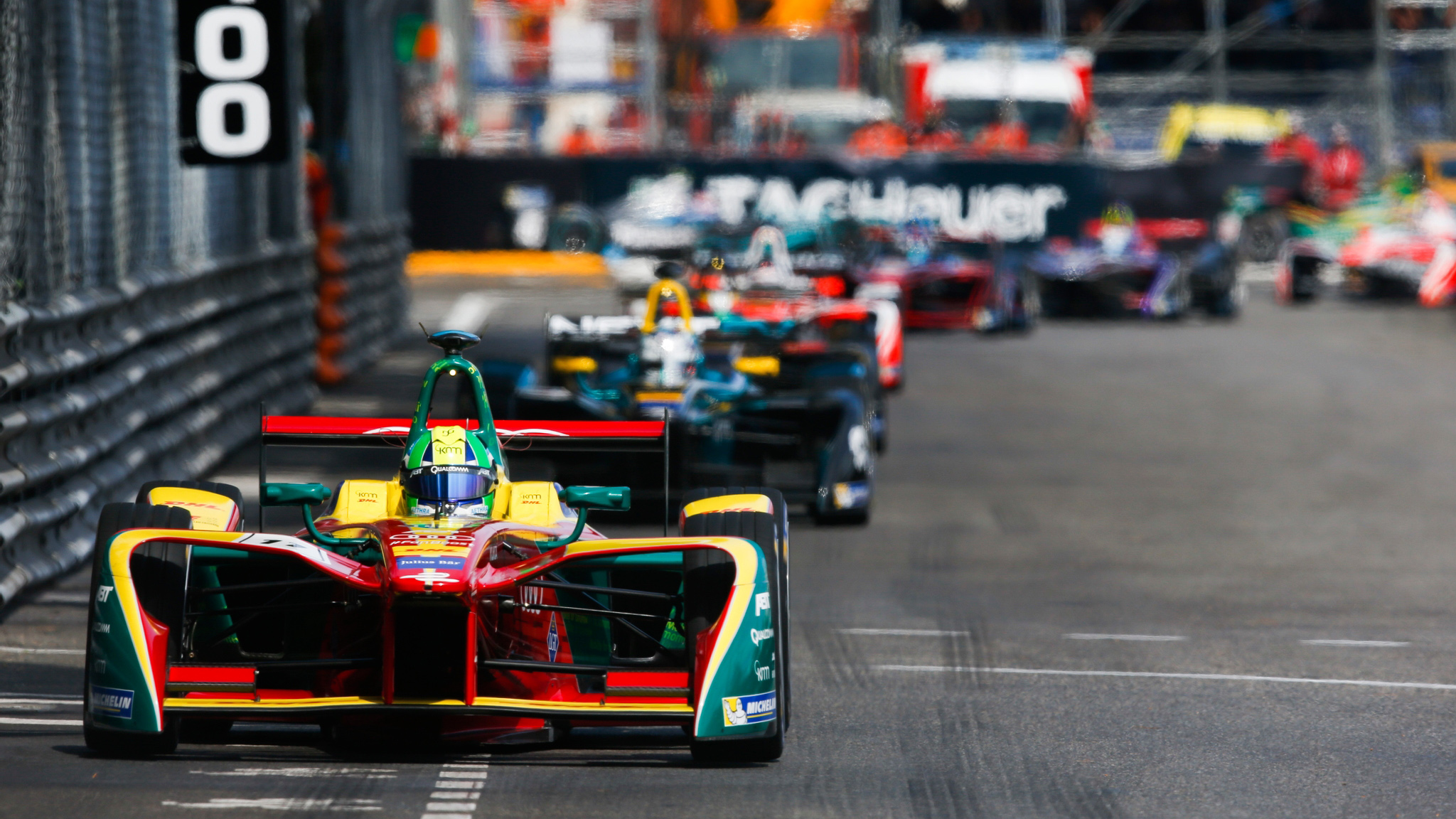
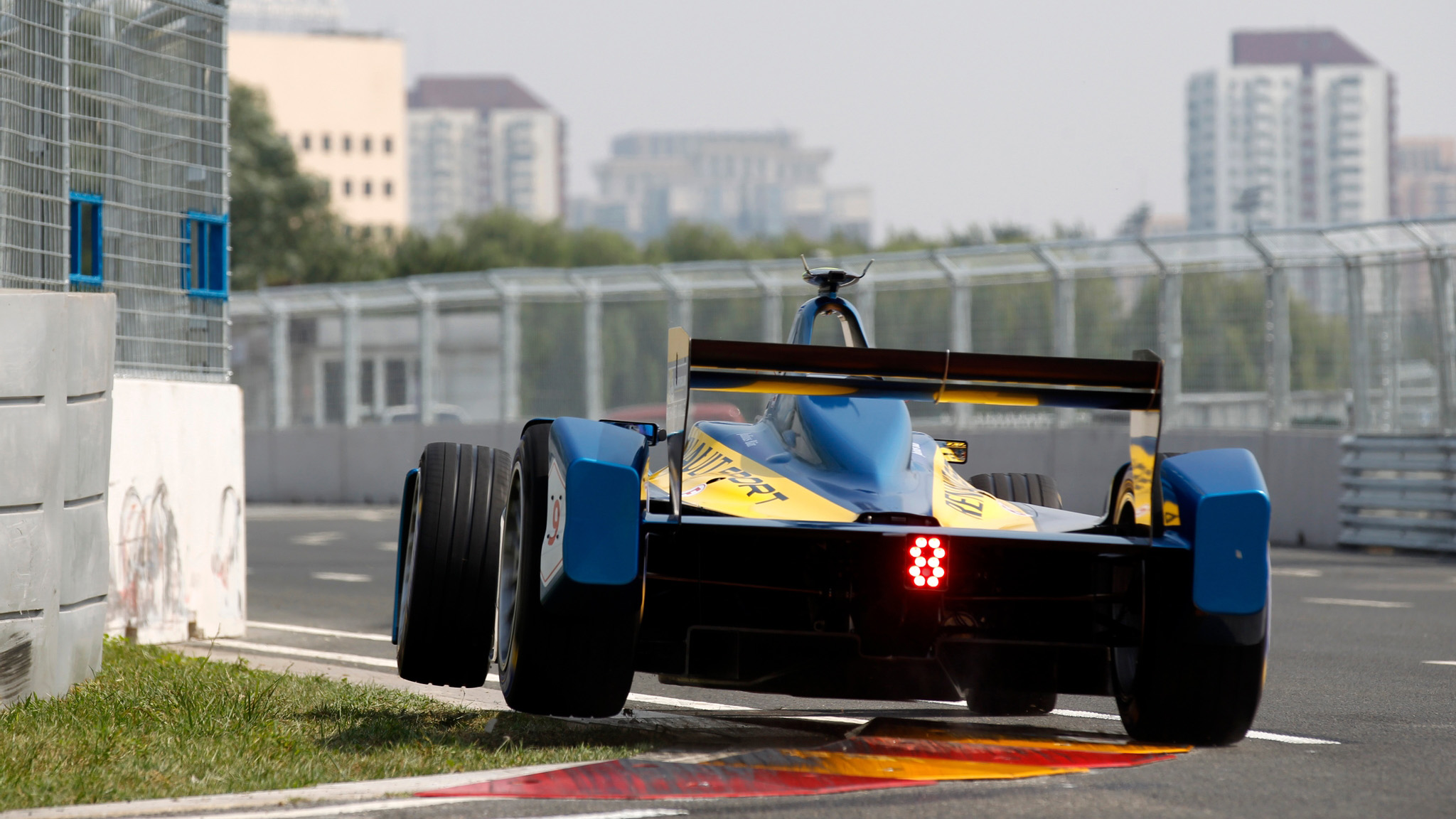
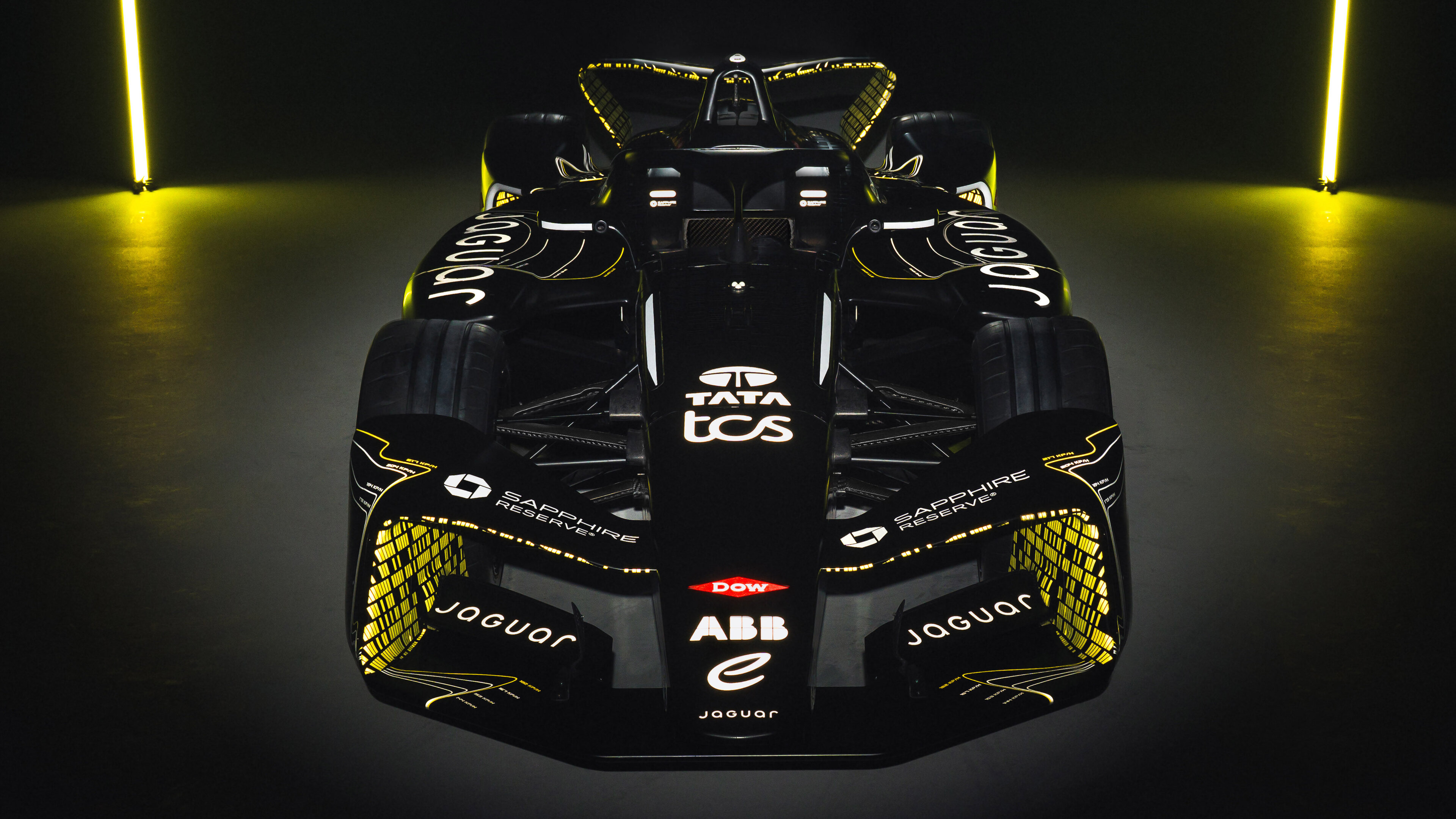
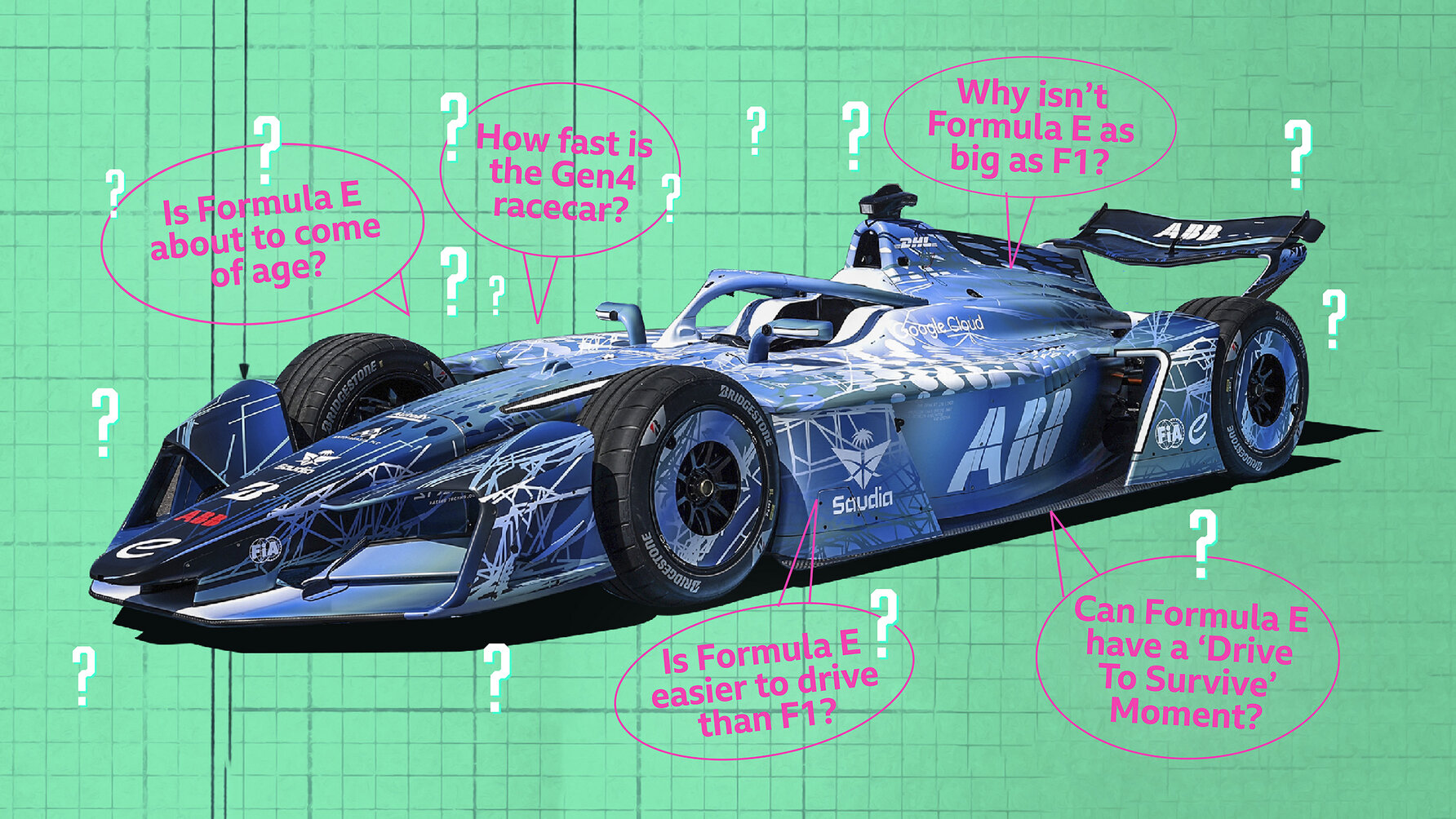
Which brings us back to Goodwood. Gen4 can do 0-62mph in around 1.8 seconds. It has permanent all-wheel drive and considerably more energy than anything Formula E has raced before. Compare that with Gen1: around 270bhp becomes 800bhp, 140mph becomes more than 200mph, and a battery requiring two cars becomes one capable of finishing the job. In 12 years.
Jag’s Ian James remembers one of the first drivers testing Gen4, climbing out, removing his helmet and grinning. “Okay, this is going to actually be cool,” he thought. That may be Formula E’s most important development metric: its own drivers fancy the car.
The championship is changing too, with 21 rounds across 13 events and proper circuits like COTA, Zandvoort and Brands Hatch joining the city races which will no doubt help the casual observer get into the racing. Tokyo at night looks ace and Monaco remains Monaco, but an 800bhp all-wheel-drive racer occasionally needs somewhere wider than the access road behind a conference centre to race.
The next challenge is people need to find it. Formula E worked with more than 50 broadcasters last season: impressive reach, a dreadful answer to somebody asking what channel the race is on. From Gen4, Disney+ becomes home to 144 territories alongside domestic coverage.
Distribution alone won’t turn Formula E into the major ‘Tier 1’ sport Dodds aims for. Streaming platforms are full of things nobody has the slightest desire to see. The championship needs to harness the heroes, villains, rivalries and the deranged tribalism that makes perfectly sensible adults hate strangers. Proper sport, basically.
There are signs of it. Gen3 bowed out in London with team orders, old grudges and manufacturer games before Pascal Wehrlein emerged champion: bitter, political, pleasingly human and still quite difficult for anyone arriving cold to follow. Which rather neatly describes Formula E at the end of Gen3.
So the series has largely won the technical argument. Electric cars can be very fast, they can race and the competitive environment can teach enormous car companies useful things. What Formula E hasn’t yet won is the emotional argument, and Gen4 removes its easiest excuse as nobody can watch an 800bhp all-wheel-drive racing car doing more than 200mph and claim electric racing is inherently too slow. 42 seconds at Goodwood proved that.
So now the job is to make the racing understandable, make the drivers famous, make Jaguar beating Porsche feel like Jaguar beating Porsche, and make 20 metres of saved energy feel as important as a late-braking pass. Formula E spent 12 years proving electric racing works. Gen4 has a harder job: make us want to watch. Will you?
| GEN 1 (2014-18) | GEN2 (2018–22) | GEN3 / GEN3 Evo (2022–26) | GEN4 (2026/27+) | |
| Max Race Power | 170 kW–200 kW | 250kW | 350kW | 450 kW (600 kW Attack Mode) |
| Top Speed | ~225 km/h | ~280 km/h | 322 km/h | 330+ km/h |
| 0-100 km/h/acceleration | ~3.0s | ~2.8s | 1.86s (Gen3 Evo AWD) | < 1.8s |
| Min. Weight (incl. driver) | 888KG | 903KG | 859KG | ~930 kg (due to larger battery) |
| Usable Energy | 28 kWh (Car swap required) | 52 kWh | 47 kWh | 55 kWh |
| Max Regeneration | 100 kW (Rear only) | 250 kW (Rear only) | 600 kW (Front + Rear) | 700 kW |
| Pitch Charging | None | None | 600kW (30-sec Pit) | Ultra-Fast High Energy Charging |
Trending this week
- Car Review
Skoda Epiq
- Top Gear Advice
Here are 17 cars that’ll (probably) do 300,000 miles or more
- Car Review
Mazda CX-6e