




TechTop Gear
Can old wind turbines speed up the transition to electric cars?
A new report suggests that, yes. Yes they can. Maybe. Few caveats, of course
One common fear over the transition to electric cars is that it'll be held up by supply restrictions and increasing cost for the minerals needed for batteries and motors. Take neodymium, used in permanent-magnet car motors. Even an average-power car, say a Nissan Leaf, needs 1kg – or £85-worth – of those neodymium magnets.
But a new report inverts that thinking. It points out that ageing wind turbines are a potentially abundant source of the magnets used in EV motors. Remember a generator is a motor, but with torque input (by the wind in a turbine) rather than output (to the road in a car).
Advertisement - Page continues below
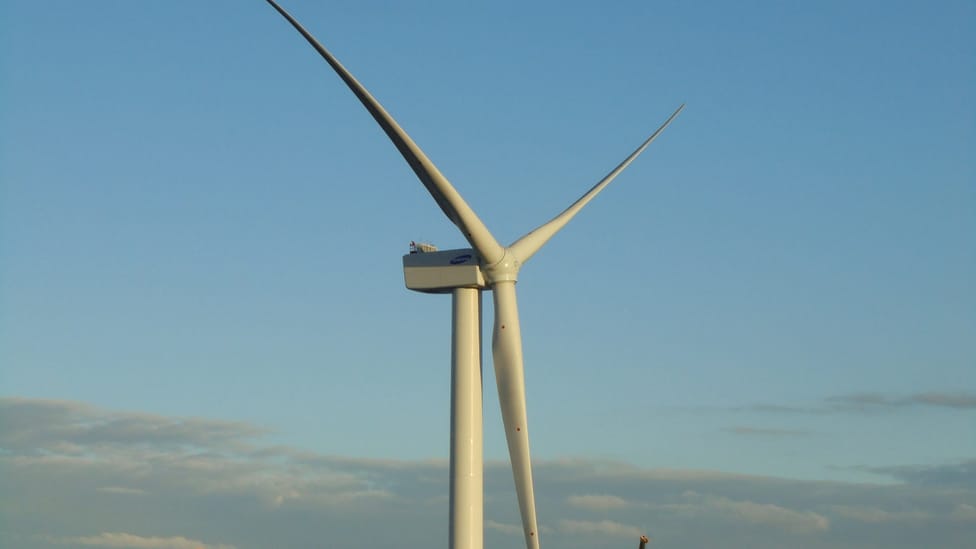
The National Engineering Policy Centre's report points out that every 12MW offshore wind turbine as deployed in the next few years contains neodymium magnets – a tonne per MW or 12 tonnes per turbine. So to return to the Leaf, one dismantled turbine could provide magnets for 12,000 cars.
The Centre reckons it will likely be possible to remanufacture those magnets by cutting them up, rather than melting them down for recycling. That uses a whole lot less energy, and energy means cost. Virgin magnets are responsible for the emission of about 75kg CO2e for 1kg of magnet, because of the energy in mining and refining. So to avoid mining new mineral saves CO2 and earth destruction and cost, and keeps the supply chain local.


The Centre puts the cost of 1kg of remanufactured magnet at £25 – £60 less than new. If you offered a car maker the chance to save £60 per unit it'd bite your arm off. That represents perhaps £200 in the retail price of the car.
Of course there are hurdles. First, the wait. The design life of a turbine is about 15 years, but the ones that are 15 years old now weren't designed for easy dismantling.
Advertisement - Page continues below
Also won't replacement turbines be competing for the same magnets? Well, it's expected that by 2040 the UK will have most of the wind capacity it can use, so turbine installation would be at replacement level not growth level. Even so, the report acknowledges that to free up the magnets for non-turbine use, new turbine designs would be needed with less mineral content.
That's not impossible. Generator/motors called EESMs that use no magnets are in common use already – BMWs and Renaults have been driven by them for years. However, most other car manufacturers have decided not to use EESMs so the assumption is that neodymium will remain in demand. Anyway, best to prioritise re-use over digging up more.
Top Gear
Newsletter
Get all the latest news, reviews and exclusives, direct to your inbox.

Trending this week
- Long Term Review
Mille Miglia 2026: in search of Alfa’s soul