




Advertisement
“A well sorted, mature and very complete family hatchback. The new Prelude's smoother sibling”
Good stuff
Smart design, inside and out. Briskly smooth powertrain shared with the new Prelude
Bad stuff
No thriller to drive, though. Especially annoying speed limit bong
Overview
What is it?
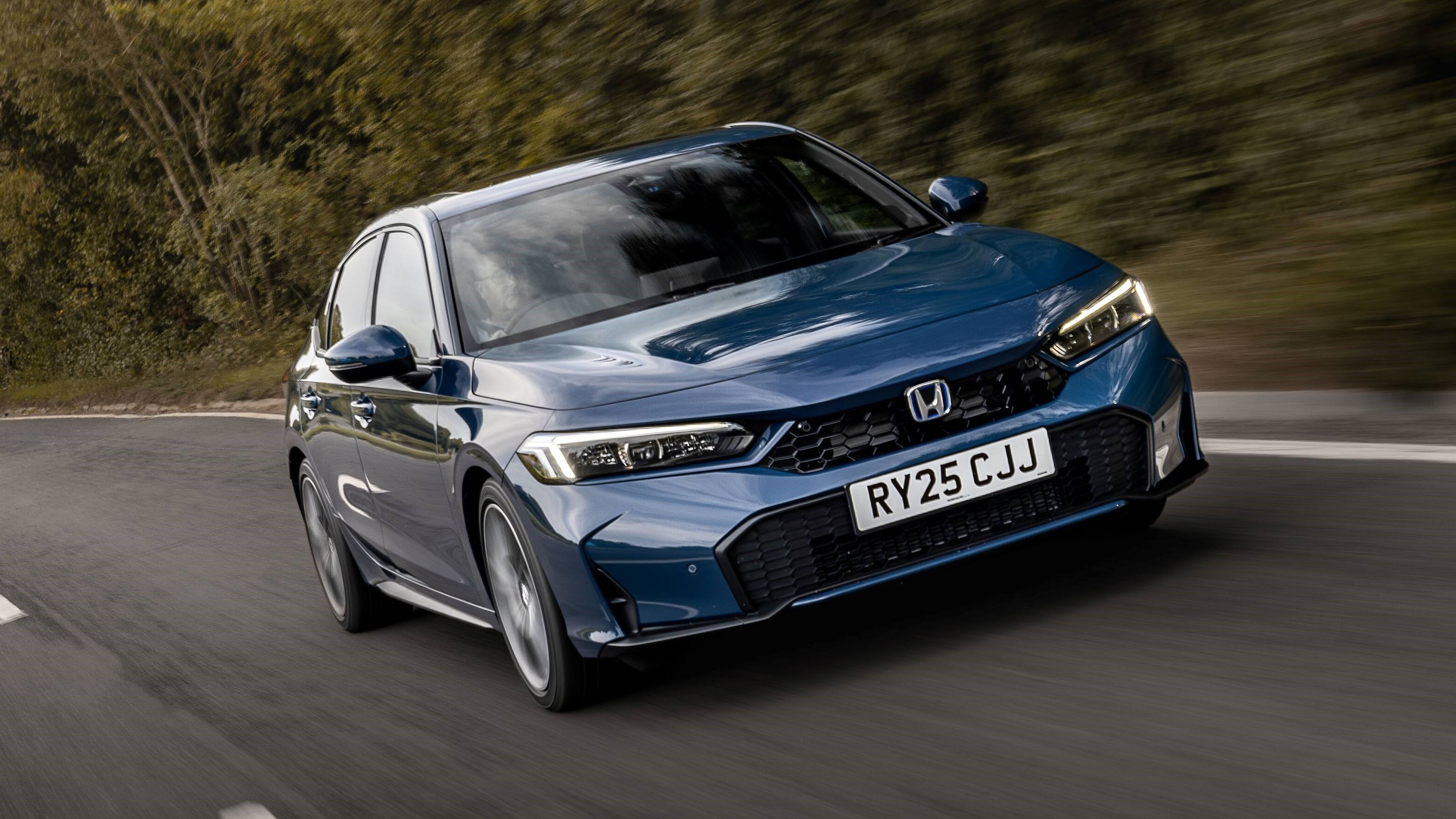
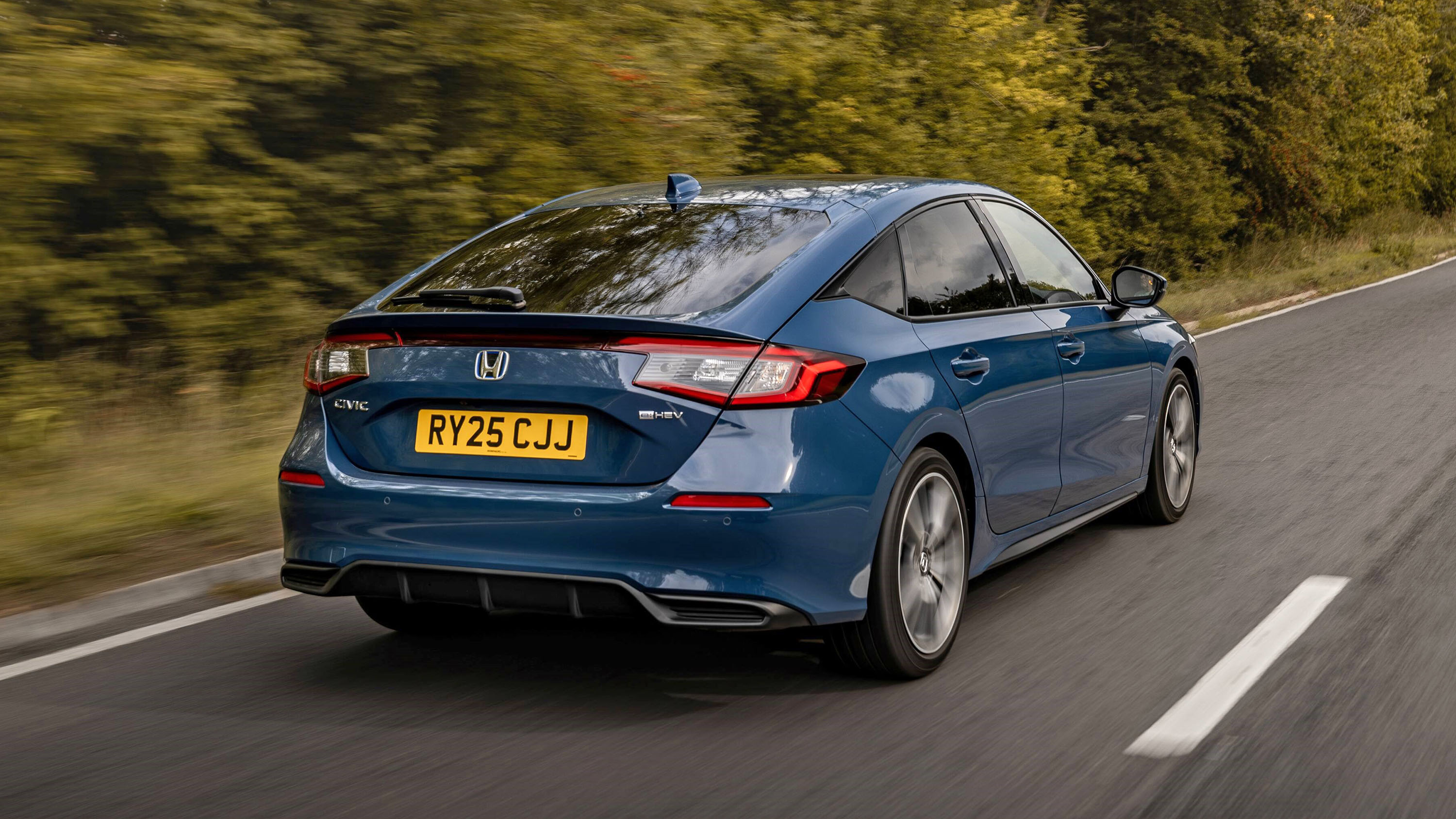
Seems like it's eleventh time lucky for Honda, with what is quite possibly the most improved normcore car of recent times. Right off the bat, let’s just confirm that the new Civic hatchback has taken football pitch sized leaps and bounds over the previous car, which drove with a certain verve but had a laughable amateur-hour interior riddled with dated displays and naff switchgear, wrapped in bodywork best described as ‘busy’. Launched in 2022, no wonder the mid-life, 2025 facelift of this gen of Civic has been so mild. There wasn't much wrong in the first place.
Changes are limited to tweaked exterior styling, though you'll need old 'n' new alongside each other, or gold membership to your local Honda owner's club, to spot the difference. The colour palette has been jazzed up a bit too. We suppose the biggest news is that there's now a sole powertrain option - with the mesmeric Civic Type R now retired, the only brand new hatchback you can buy in a British Honda dealer is this Civic eHEV.
Advertisement - Page continues below
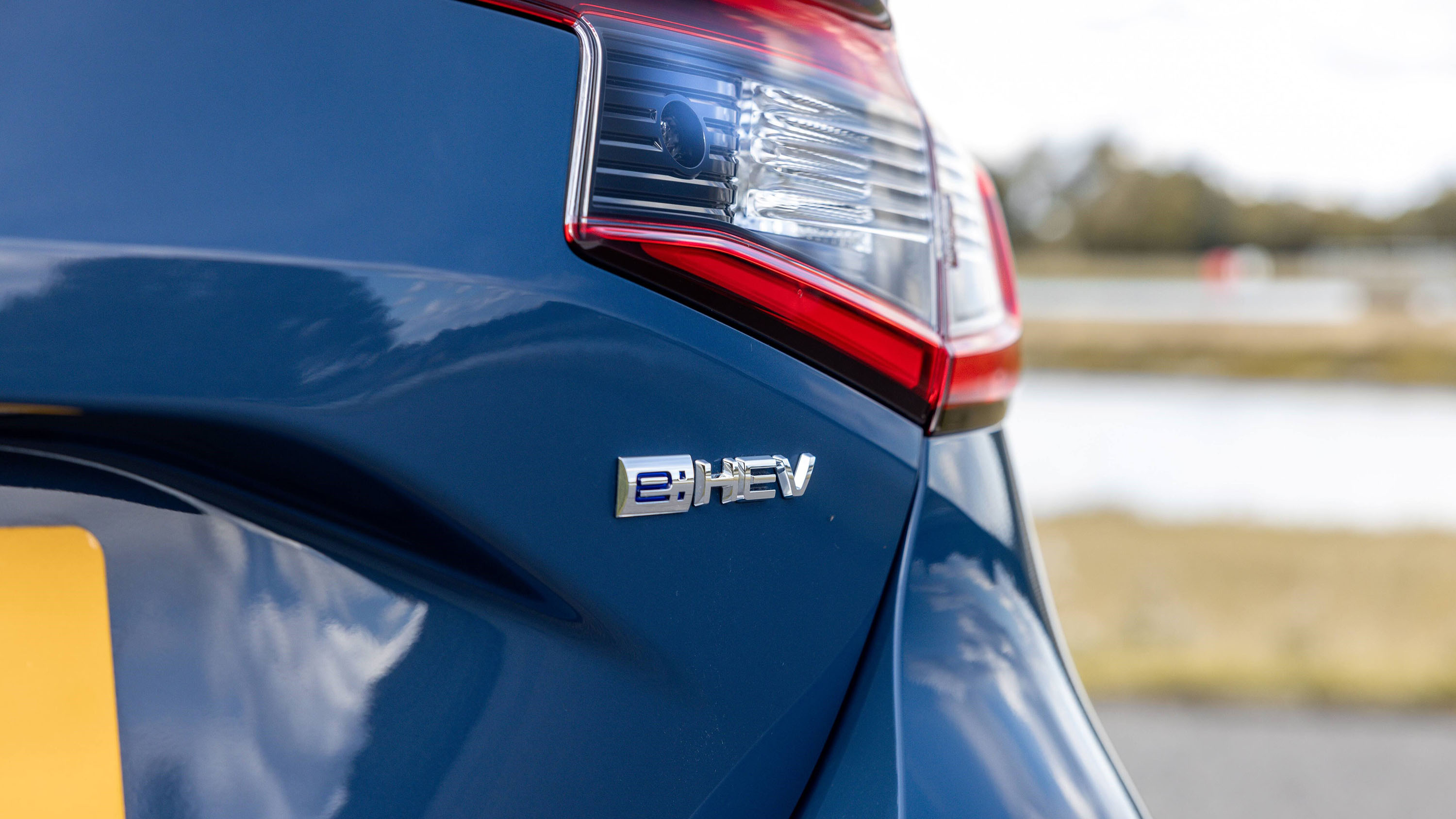
Honda insists the 2.0-litre four-cylinder petrol with full-time hybrid assistance – branded ‘eHEV’ – is more frugal than the 1.0-litre turbo triple of older-gen Civics, while offering superior torque to the previous diesel and more poke than their zingy 1.5-litre petrol. Big claims.
What'll it do?
The claims are 181bhp and 232lb ft, punchy (ish) figures that yield 0-62mph in 7.9 seconds and a 112mph top speed. The numbers you probably care more about are its claimed 56.5mpg and 113g/km of CO2 emissions. Or, the fact the seductive new Honda Prelude uses this same powertrain to broadly similar effect.
How does the hybrid tech work?
When it's called upon to action, the 2.0-litre petrol engine is mostly used for powering the electricity generator, but at motorway speeds will power the wheels directly, because it’s apparently more efficient that way. This is one of the main points of difference between Honda and Toyota when it comes to hybrid stuff – where Toyota uses a complicated planetary gearbox to send power off in all directions, Honda's system does without one altogether, the fixed gear system cutting down on friction.
You get regen paddles for juicing up the batteries instead of frittering everything away in wasted brake energy. It’s a bit annoying that in every mode except Sport (there’s Eco, Normal and Sport available) the regen resets back to the middle after a short while, so you end up flicking away at the paddles like an F1 driver down a sedate country lane. The whole powertrain is effortless to use, however, and the Civic wears its tech in a very unthreatening manner.
Advertisement - Page continues below
What about rivals?
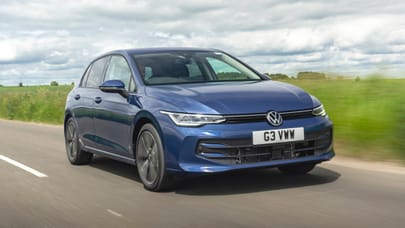
Honda says the main rival it’s targeting is the sharp-looking Toyota Corolla, which is the only other family hatch currently sold purely as a full-time hybrid. Honda’s also hoping to pinch sales from the likes of the Seat Leon and lower-end VW Golfs. It’s certainly worthy of being on the shortlist, because the MkXI Civic is the strongest in its lineage, at a time when the current crop of European hatchbacks have somewhat taken their eye off the common sense ball. Or given up completely, in the case of the retired Ford Focus.
What's the verdict?
“This is a well sorted, mature and very complete family hatchback”
Honda took an interesting tack with this Civic: honing the drivetrain for impatient European tastes first, then adapting it for lazy American driving afterwards. It shows: this is a well sorted, mature and very complete family hatchback, well kitted out and impressively refined.
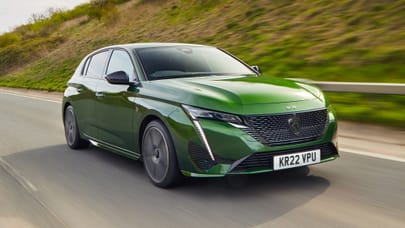
All it lacks is some killer desirability – the factor that makes you secretly want a Mazda 3 or Peugeot 308, even though you’re not quite sure why. We'd expect the new Civic will be largely bought by buyers of the old Civic. It’s one heck of an upgrade. Shame that everyone else will miss out.
The Rivals
Trending this week
- Top Gear Advice
Here are 17 cars that’ll (probably) do 300,000 miles or more
- Car Review
Mazda CX-6e