

SEAT
1.5 TSI 150 FR Sport 5dr [DAP]
£34,050
Smart looks, excellent practicality, only costs slightly more than the hatch
Not overly engaging, firm ride on bigger alloys, few physical buttons
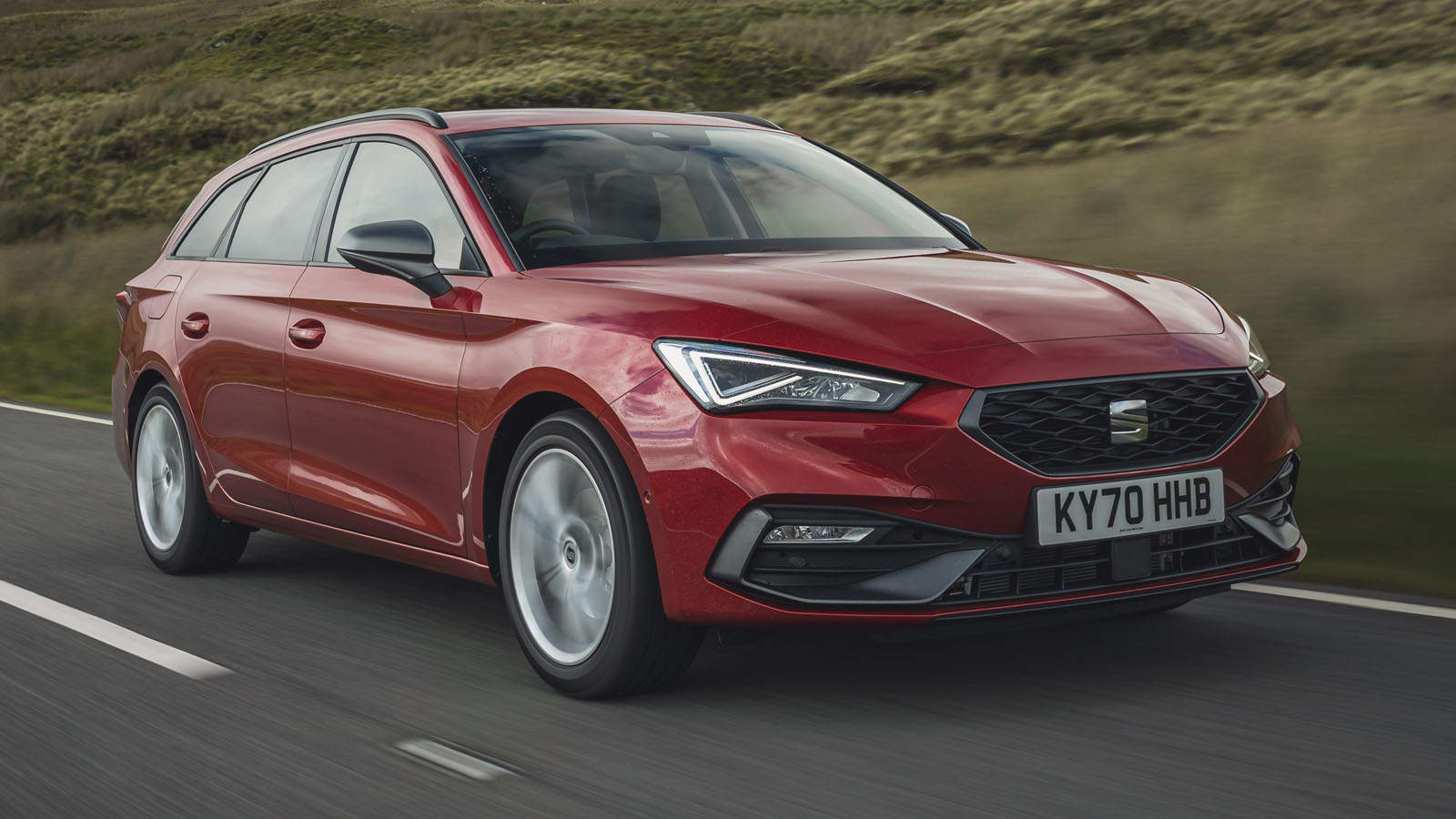
The kind of car you really ought to buy if you have one or two tiny little people of your own. Much as we rate some five-seat crossovers, the humble estate has just as much space for all your clobber and is every bit as safe, but better to drive, more economical and more often than not, cheaper.
So, parents of the Internet, before you stick a deposit down on that Qashqai, go have a look at one of these.
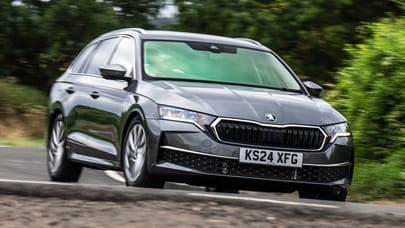
Particularly because – spoiler alert – the Seat Leon Estate is very good indeed. It’s based on the same MQB platform as the new VW Passat (no Golf Estate any longer remember) and Skoda Octavia Estate, as well as the go faster Cupra Leon Estate.
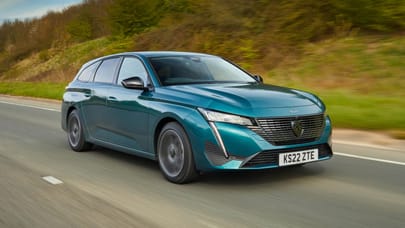
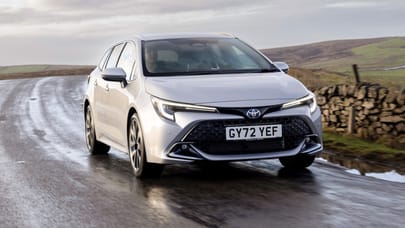
Other rivals include things like the Vauxhall Astra Sports Tourer, Toyota Corolla Touring Sports and Peugeot 308 SW. No Ford Focus Estate anymore – that's gone the same way as the Golf.
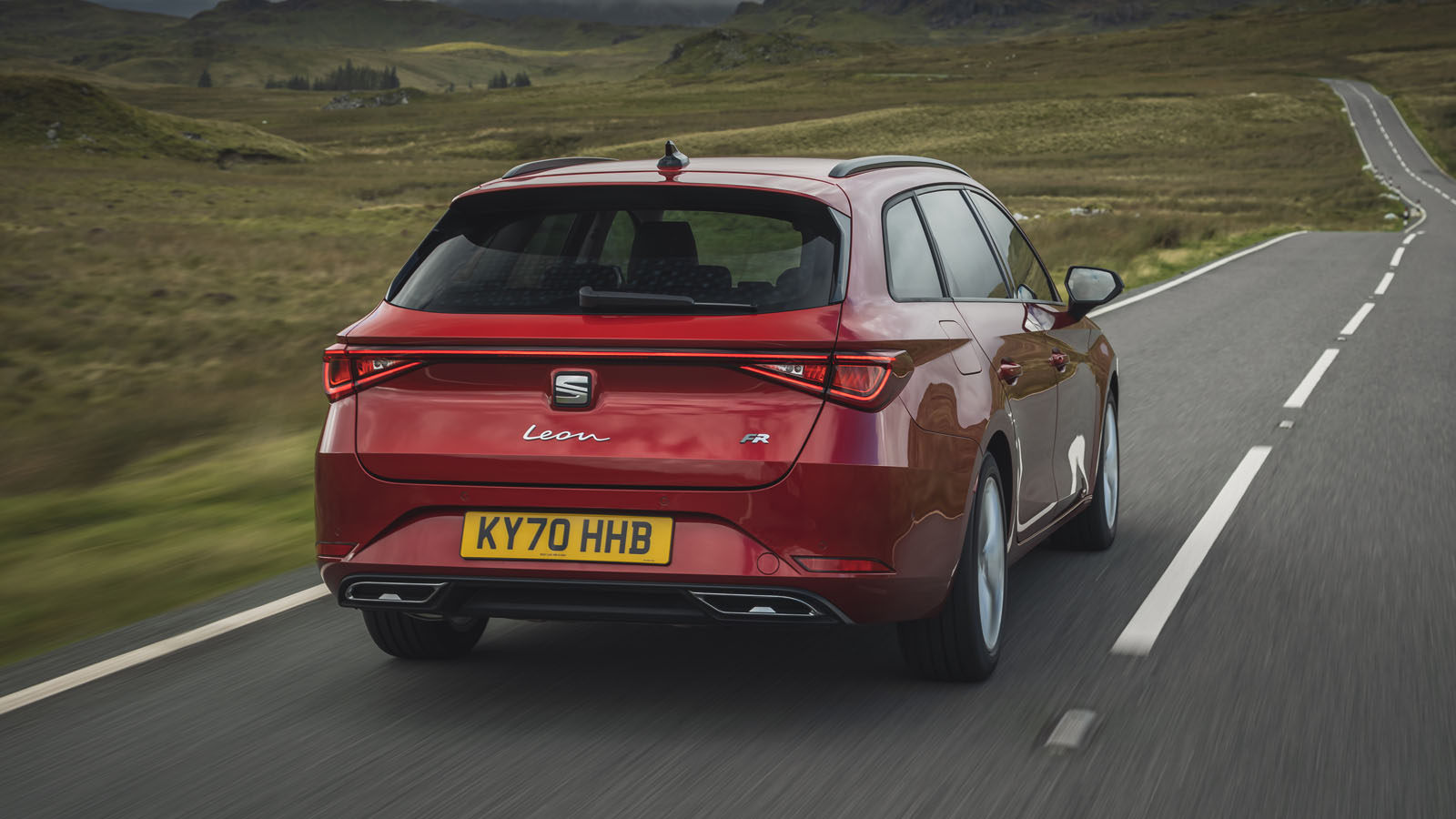
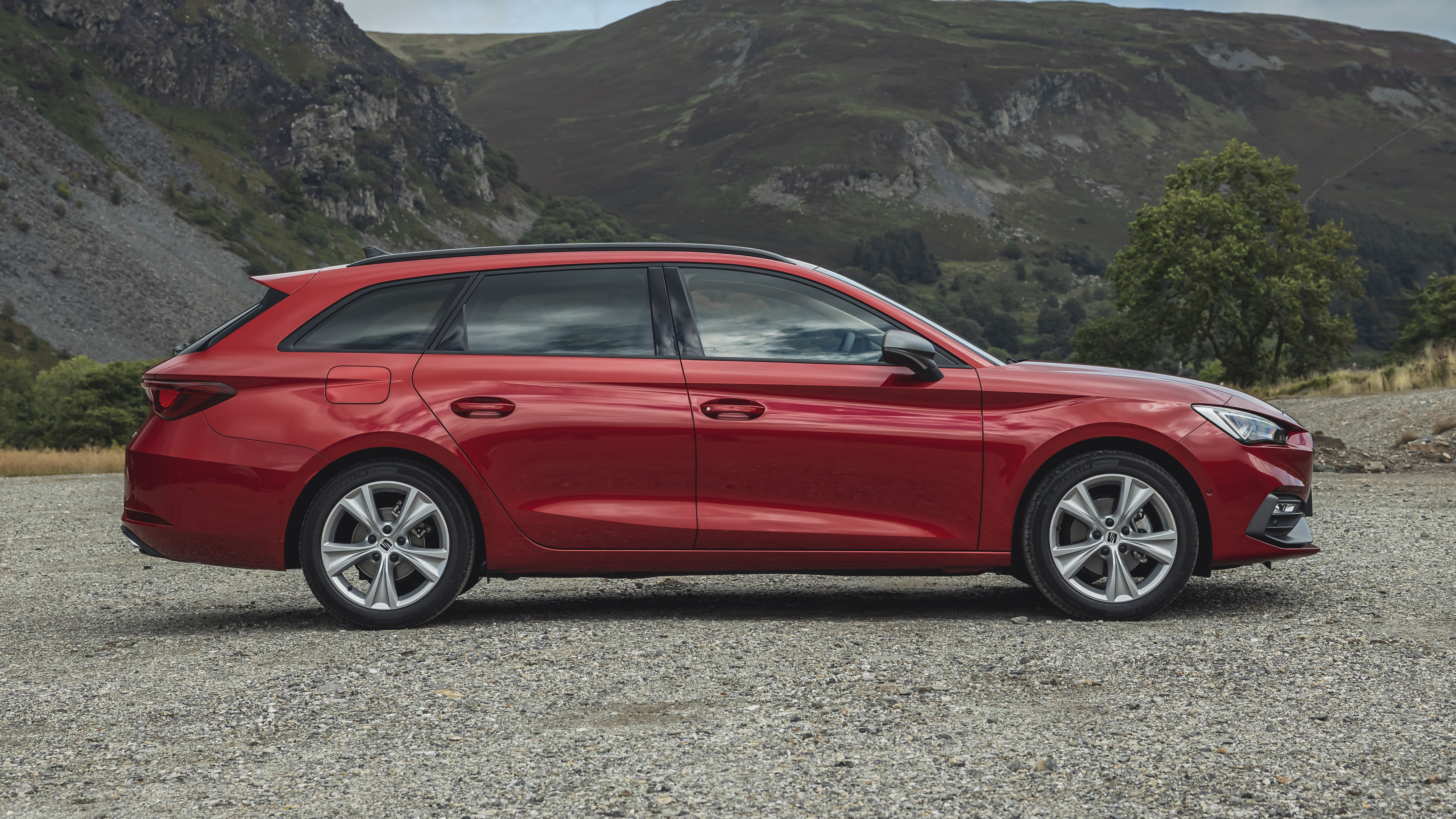
The wagon (the last gen was called the Leon ST, for ‘Sports Tourer’, but now it’s simply the Leon Estate) is 274mm longer than the hatchback and 93mm longer than the old Leon ST. That means it has a bigger boot – 620 litres with all the seats up, some 240 litres more than the hatch.
The cabin itself is standard VW Group fare, complete with 10.25-inch instrument cluster and either 10.4in or 12.9in infotainment display. Thanks to a facelift in 2024 it’s better than it used to be, but proper physical switchgear is still few and far between and the swipe, slide and touch surfaces and displays will test your patience.
The Leon estate is available with the choice of two petrols (both 1.5-litre four cylinders with either 113bhp or 148bhp), two diesels (both 2.0-litre with either 113bhp or 148bhp), and mild- or plug-in hybrid versions.
The former pairs either petrol with a 48V system, while the latter now mates a 1.5-litre petrol engine with a 19.7kWh battery for 201bhp and up to 77 miles of electric range. A full hybrid powertrain is planned for launch in 2028. One for your diary. Maybe.
Prices start at £26,865 for the SE – that’s about £1,500 more than the equivalent hatchback, which isn’t bad given all the extra car you’re getting.
The standard spec includes LED headlights, front and rear parking sensors, cruise control, a 10.25-inch display and keyless start. A top-spec FR Sport comes with everything but’ll cost you a little over £33k.
An excellent effort from Seat. This is a good looking, practical, economical family estate. It's only marginally more expensive than the hatch, and has more going for it than anything in the Stellantis empire, even after several years on sale.
It also rides and handles far better than that SUV you’ve got your eye on. OK, it can be slightly firm on the bigger alloys, but otherwise, seriously, go have a look at one of these before you stick a deposit down on that crossover.
The infotainment system is also much improved post-facelift, and though it could be more user friendly, its shortcomings are no longer in 'dealbreaker' territory.
Get all the latest news, reviews and exclusives, direct to your inbox.