

the fastest
350e 165kW Takumi 77 kWh 4dr Auto
- 0-628s
- CO20
- BHP221.3
- MPG
- Price£72,480
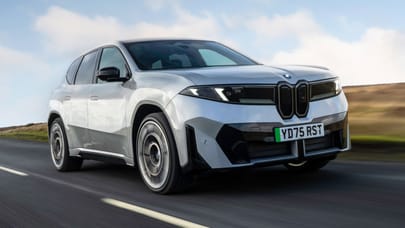
Well, if you’re actually looking to drive your big executive saloon, the Lexus ES probably isn’t the car for you. Just get the BMW. Even the soft, cosseting Volvo ES90 is probably more engaging than the Lexus, with the ES’s front-wheel drive layout robbing it of any real dynamic ability.
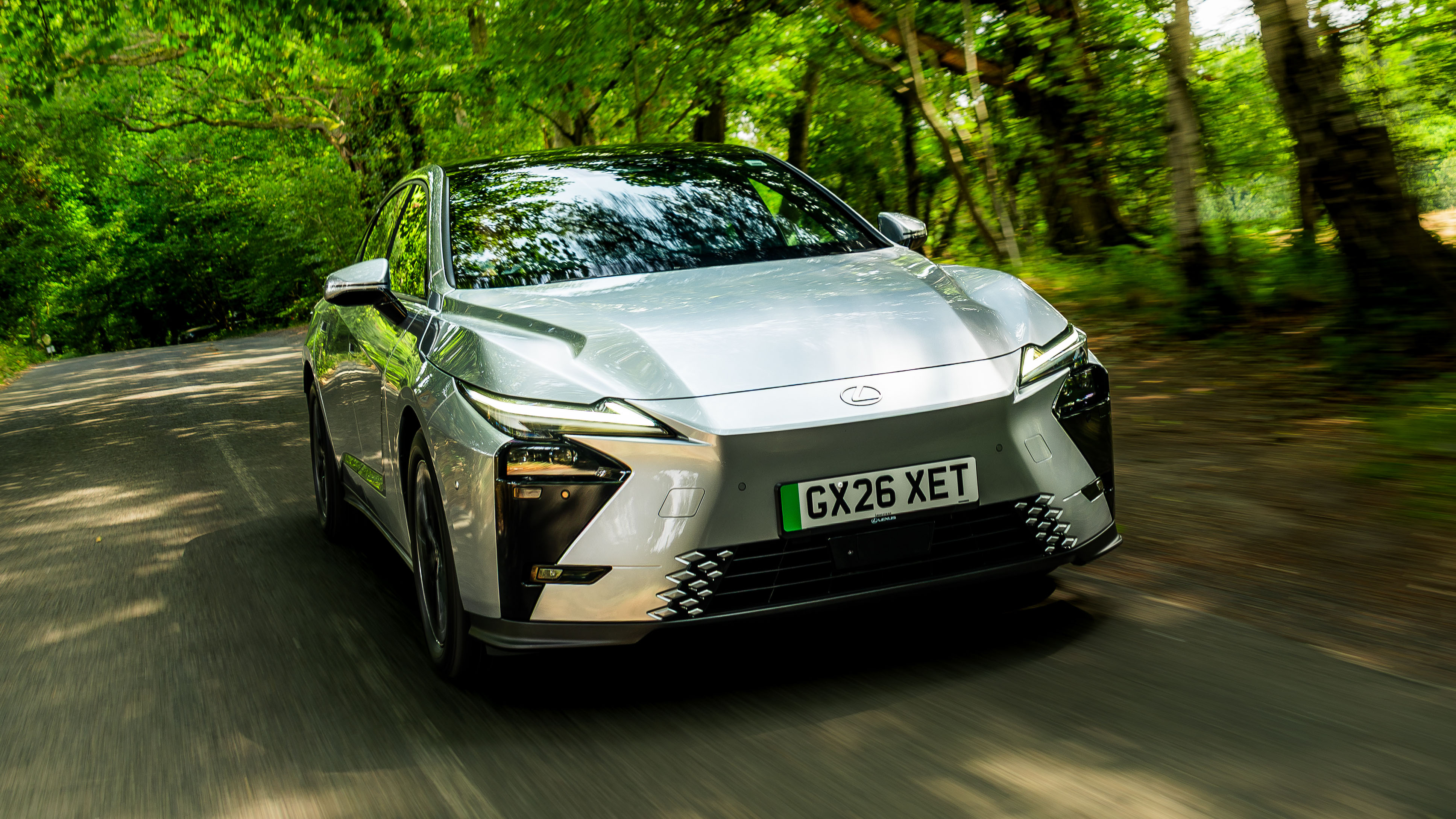
Throw it into a sharp bend or a roundabout and the Lexus washes wide with plenty of understeer and then a scrabble from the front end as it tries to find some grip to get power down.
The battery being mounted under the floor helps with a low centre of gravity, but the ES gets a super soft passive suspension setup and there’s still a fair amount of body roll through bends. There are paddles to adjust the regen and even a sport mode, but that just sharpens up the throttle response and adds a sci-fi style whooshing noise, plus a little bit of weight to the otherwise supremely light steering.
Despite its electric motor there’s only 198lb ft of torque (BMW’s entry-level i5 eDrive40 sends more than half as much again to its rear wheels), so the big 2.2-tonne Lexus never really feels that quick. And a 0-62mph time of 8.0 seconds confirms that.
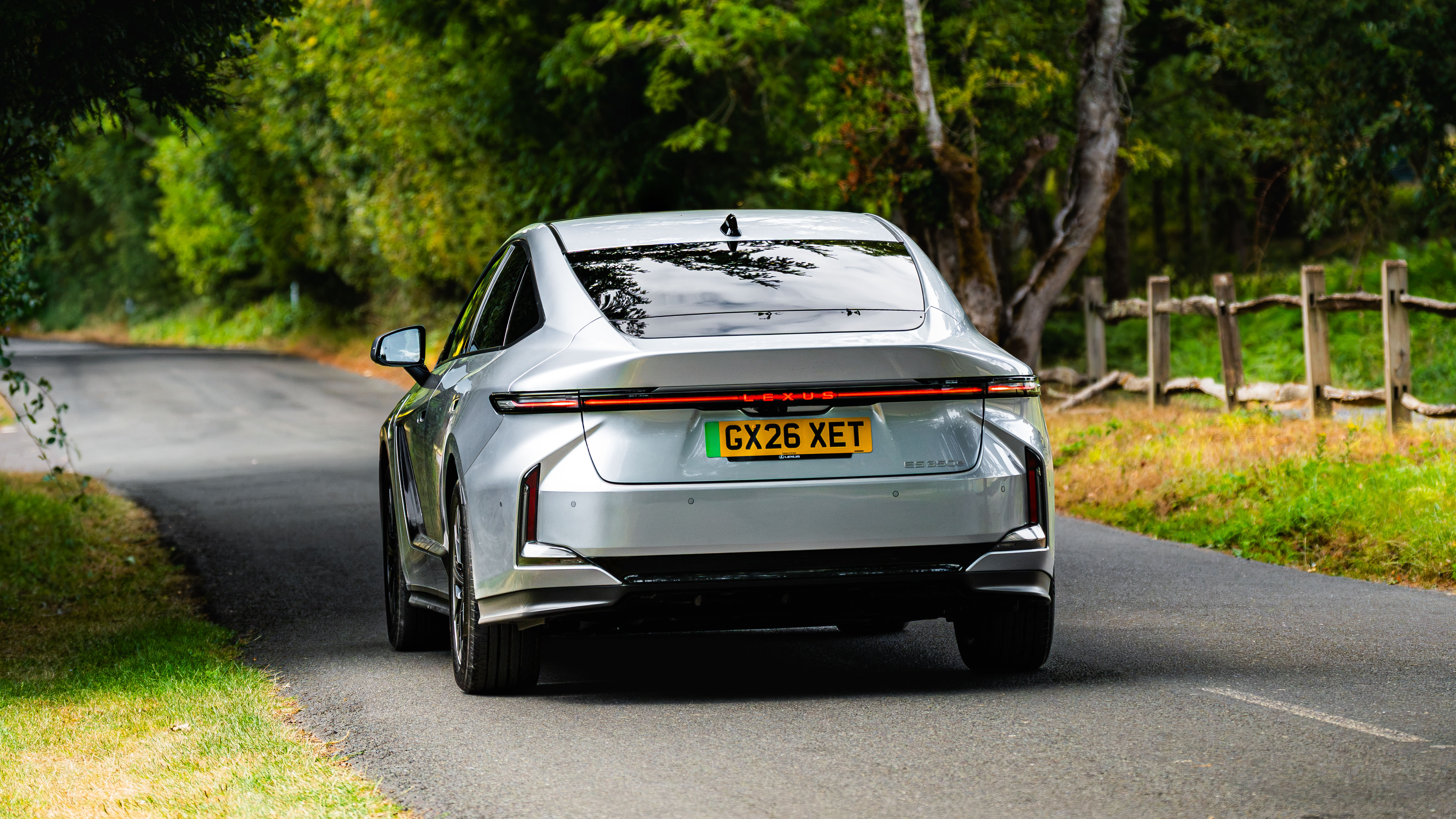
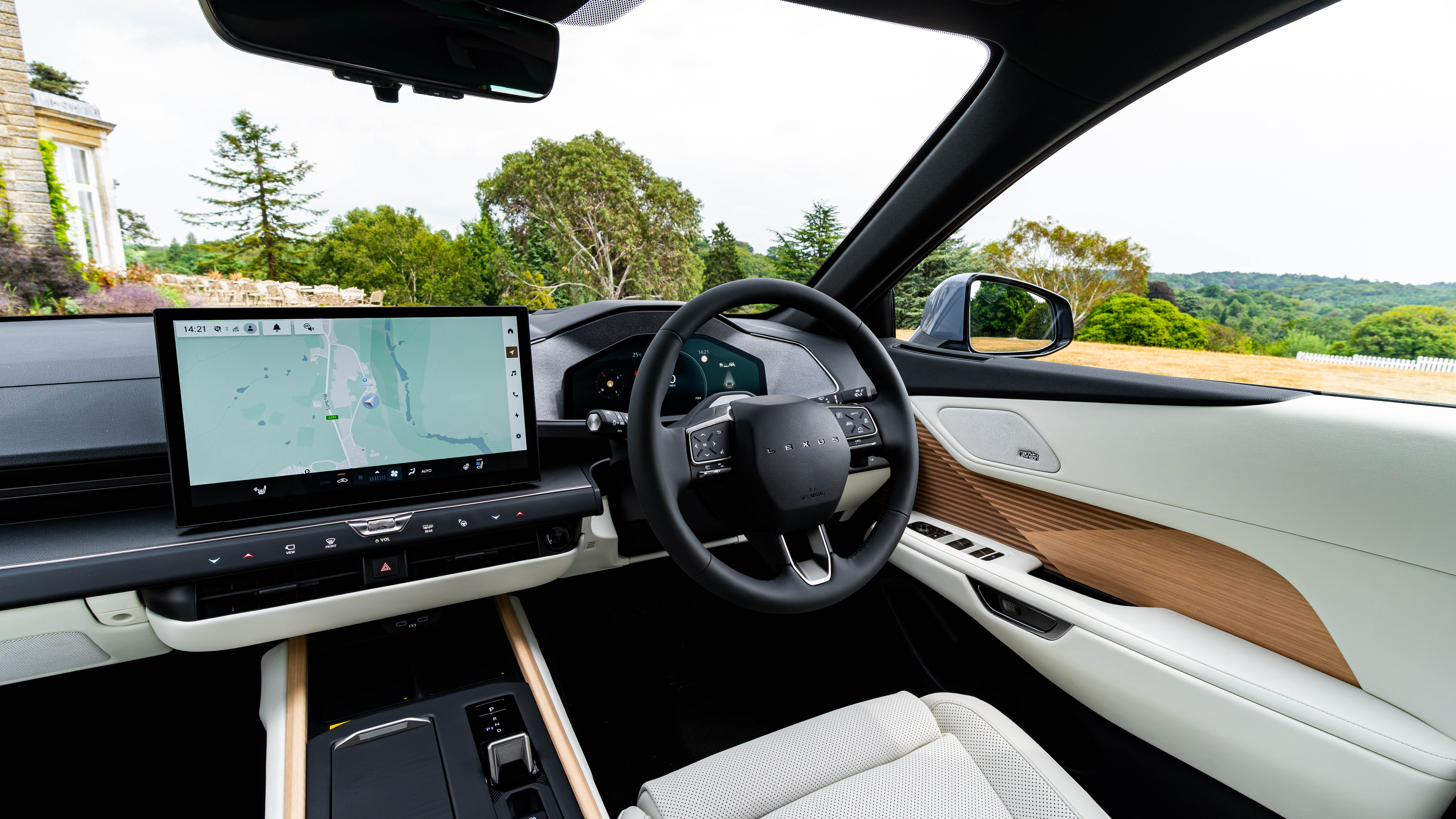
Nail, meet head. The ES feels wilfully different, and those same choices that make it less dynamic to drive do help in delivering a very comfortable cruiser. It soaks up bumps in the road and stays refined at motorway speeds, with not a lot of wind noise and just a little bit of road roar allowed into the cabin. We did find that the overly intrusive lane assist spoiled the serenity of it all, though.
We’ve only driven the ES in its middle-of-the-road Premium Plus trim so far, but we have tried it on both the standard 19-inch wheels and the optional 21s.
The WLTP range for the Premium Plus is 359 miles, but ‘upgrade’ to the bigger wheels and that official figure drops to 329 miles. Even the former puts the Lexus behind its rivals in the range wars, with BMW’s cheapest i5 and the entry-level Mercedes EQE comfortably outlasting the Lexus. Hmm.
We did see decent efficiency from the ES though, with an average of 4.0 miles per kWh showing after a 50-mile route on the 19-inch wheels. A similar run on the 21-inchers dropped our average to 3.6 mi/kWh. That’d mean a real-world range of less than 300 miles even in the more frugal car, but both of those runs were done on a mix of roads in 30-degree heat with the air conditioning working hard.
On first impressions there doesn’t actually seem to be too much of a compromise there, so it’ll just be your range taking the hit if you want the bigger alloys. The ride is maybe ever so slightly busier with less tyre sidewall, but the ES is still a very comfortable car, and we actually found that there was less road noise making it into the cabin.
Much more grip too, although that was all down to the Michelins on the 21s finding more grip than the Dunlop tyres fitted to the 19s.
Get all the latest news, reviews and exclusives, direct to your inbox.