

LEXUS
350e 165kW Premium+ 77 kWh 4dr Auto
£68,180
Comfortable, quiet, huge space in the back
Lacking dynamic ability, less rangey than rivals, not enough buttons inside
It’s actually the eighth generation of the Lexus ES, with the very first one launched alongside the original LS all the way back in 1989. Europeans will be forgiven for not knowing the model’s history inside-out though, because this is only the second one to make it to our shores after we were treated to the seventh-gen ES 300h hybrid back in 2018.
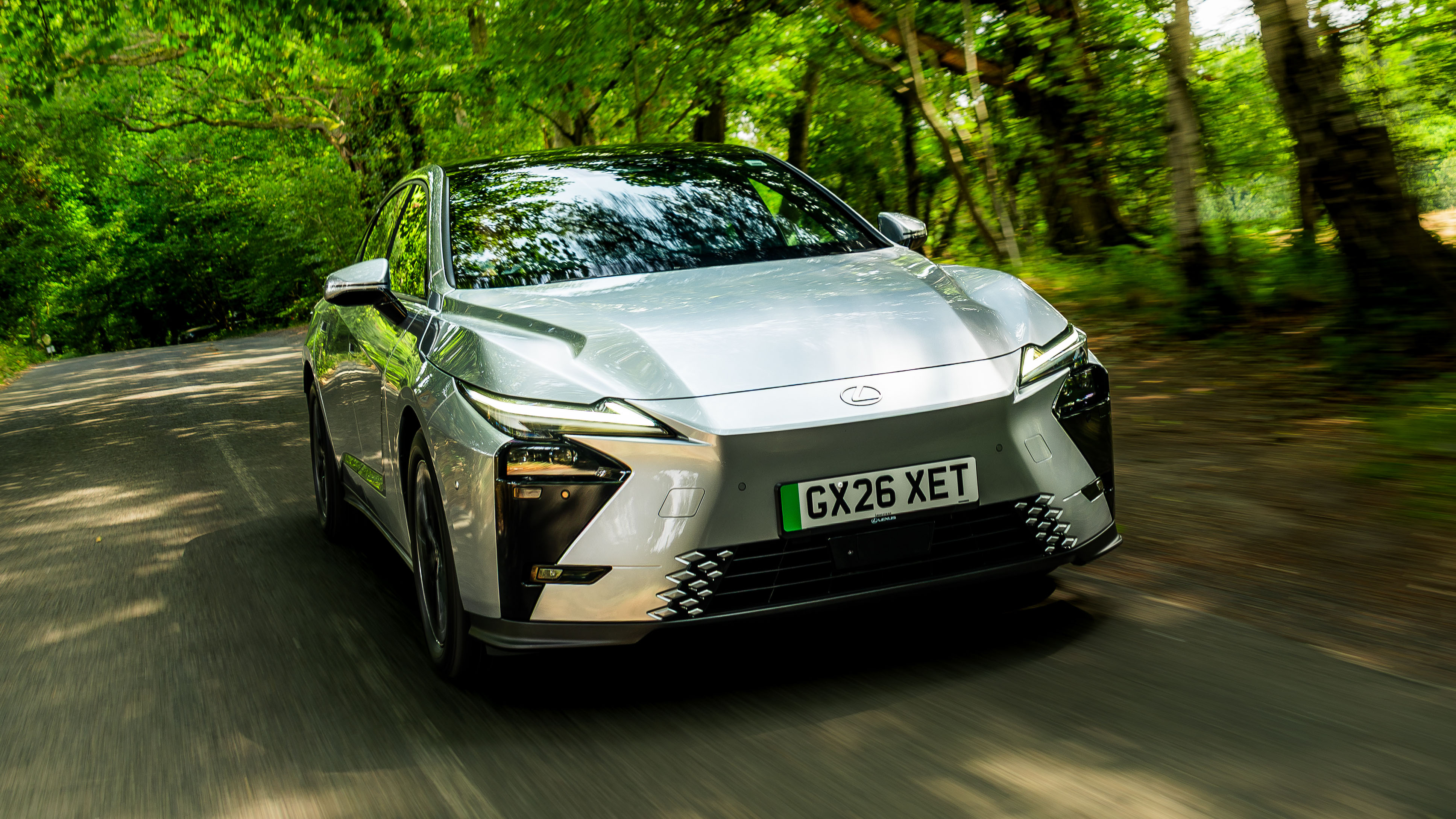
Well, it certainly looks dramatic. We’re told that it was inspired by 2023’s LF-ZC concept, and there’s much less grille up front than the previous car. Lexus now refers to its look as a ‘spindle body’ though, with the shape of the old family feature now stretching from the bottom of the front bumper right up onto the bonnet. On either side there’s a split lighting setup, with the LED headlights sitting below the daytime running lights and indicators in a sharp, twin L-shape.
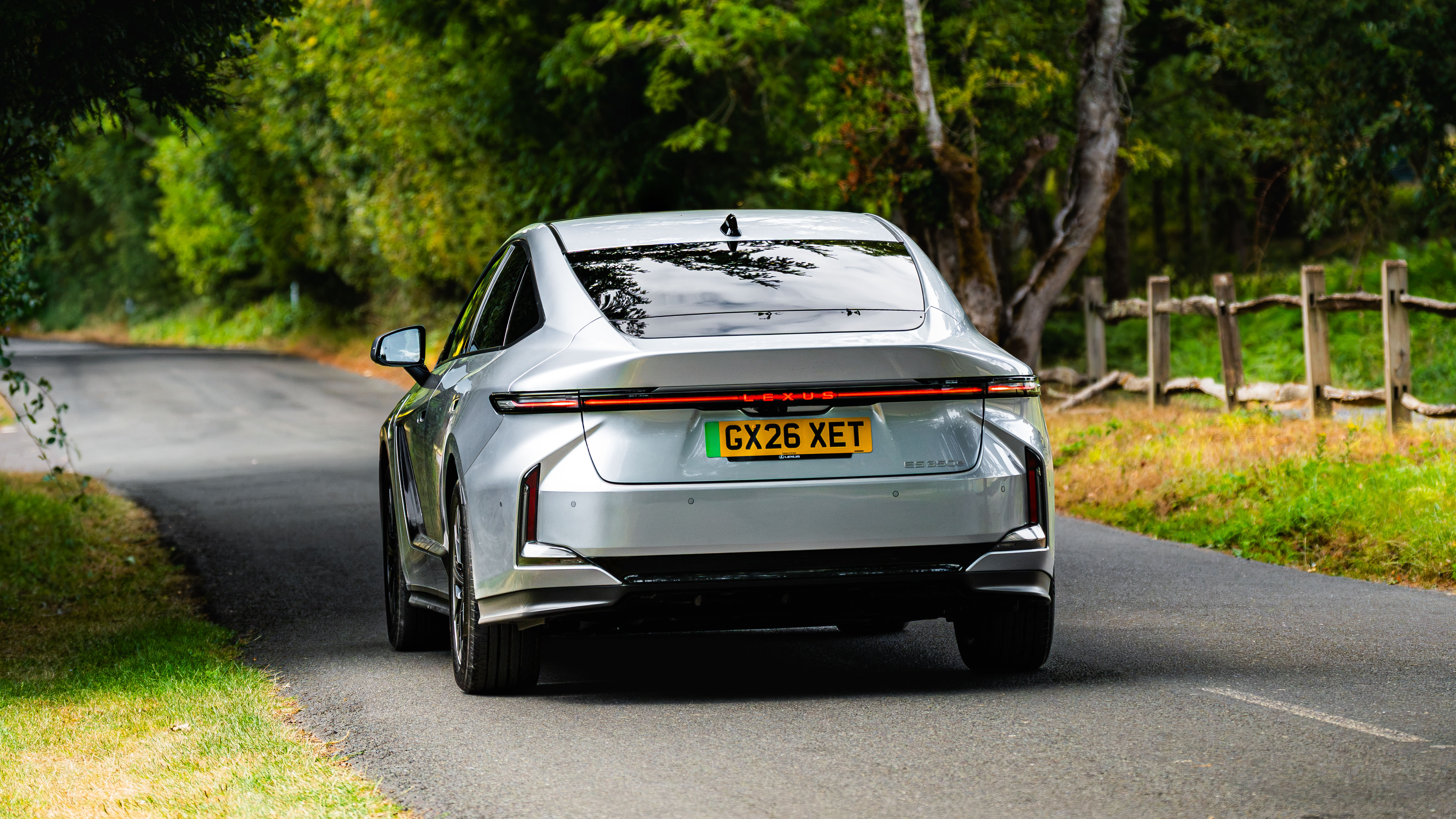
Down the side of the ES there are semi-flush door handles and a couple of dramatic lines, while a fastback roofline sweeps down towards a rear end dominated by a rather generic lightbar.
Not for UK buyers. There are two different hybrid powertrain options available in other parts of the world, but here in Blighty we’re only getting a single, all-electric setup. And even that isn't built on dedicated EV architecture: it’s actually an adapted version of the GA-K platform that also underpins things like the Toyota RAV4 and Camry.
It’s badged the ES 350e and pairs a 72kWh usable battery with a single electric motor driving the front wheels. That means you’re looking at 221bhp, 0-62mph in 8.0 seconds and a maximum WLTP range of 361 miles.
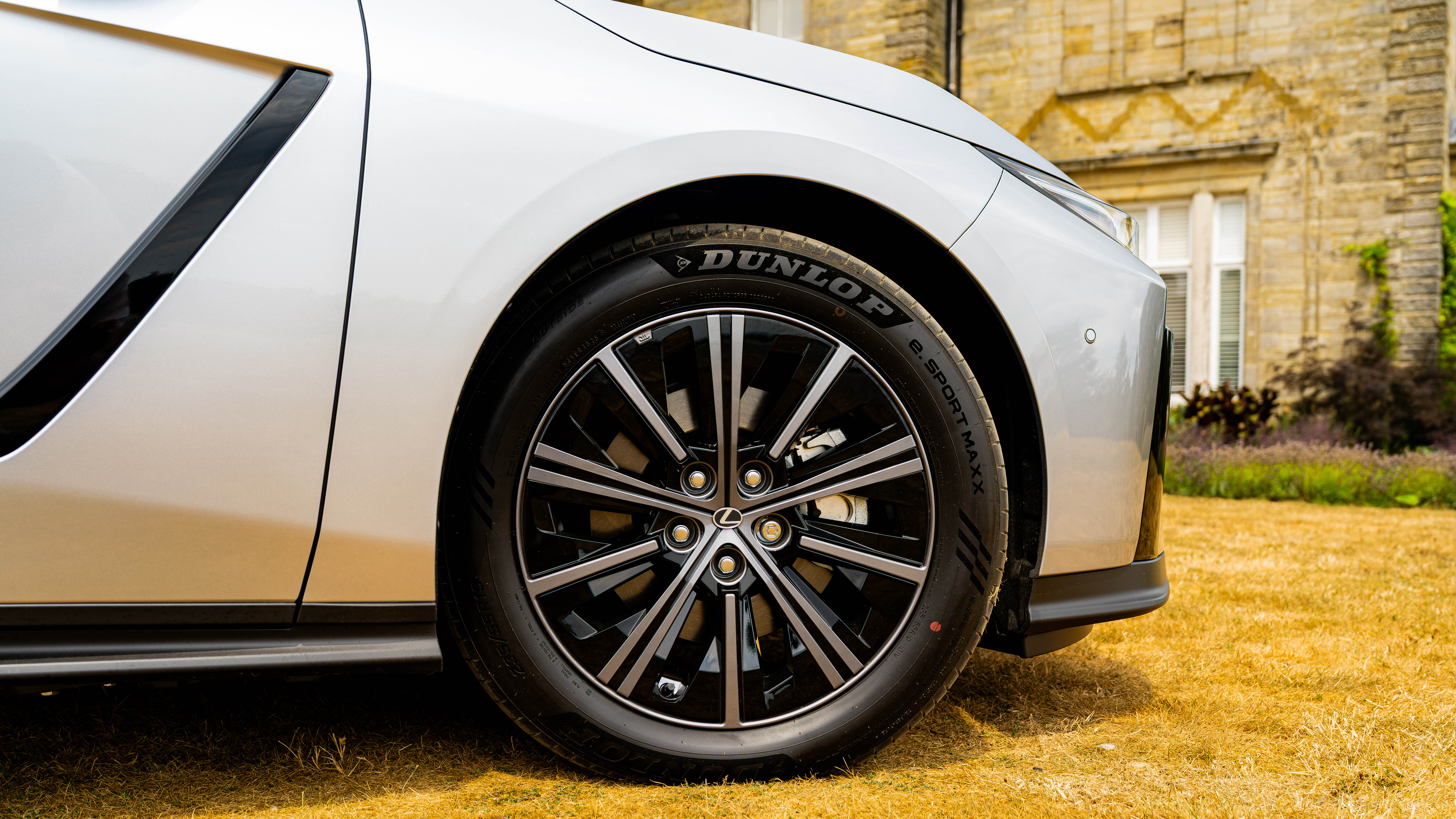
Be warned though, because that figure is chopped right down to 326 miles if you go for the top spec Takumi trim with its larger 21-inch wheels. Ouch. Thankfully there is 22kW AC charging, although it’ll only top out at 150kW on a DC rapid charger.
Elsewhere in the world there’s also a second EV with all-wheel drive and 337bhp.
Well, you can click through to the Interior tab of this review for more detail, but the headlines are all too familiar these days – many screens, confusing menus and fewer physical buttons (although there is a line of ‘hidden’ shortcuts on the dash).
There is some good news too though, because you’ve also got the option of some stylish bamboo trim, and there are new, slimmer seats plus a next-gen steering wheel with a thinner rim and proper buttons. Hurrah!
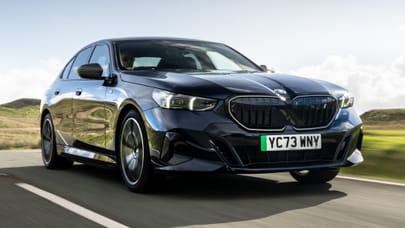
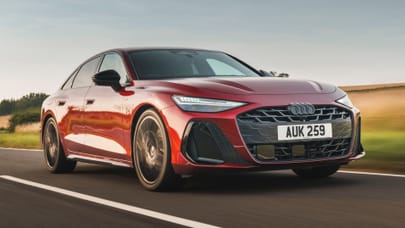
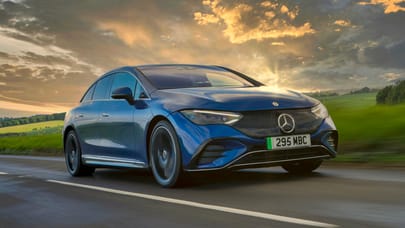
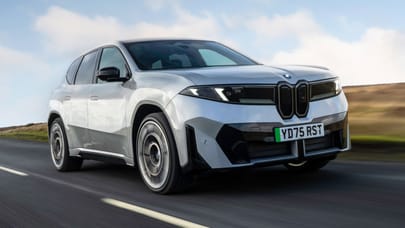
Great question. Obviously, the segment is dominated by ze Germans, with the Lexus priced to compete directly with the BMW i5, the Audi A6 e-tron Sportback and the Mercedes EQE, although the latter will soon be replaced by a more conventional-looking electric E-Class. Thankfully Merc’s smooth, pebble-shaped EV era is almost over. You could also have a top-spec Volkswagen ID.7 for not much more than an entry-level ES, or if you want something less Germanic there’s the Volvo ES90.
With just one powertrain option the ES range is actually fairly simple to understand. You’ve got three trim levels, with prices starting at £59,345 for the entry-level Premium model. The better equipped Premium Plus is then £68,245, with the top-of-the-tree Takumi setting you back £72,545. Head over to the Buying tab for more info on what each step up the ladder gets you.
In all honesty, if we were looking for a left-field alternative to the all-electric German exec saloons, we’d probably land on the Volvo ES90. Lexus’ own ES won’t excite its driver and crucially won’t go as far on a charge as any of its main rivals, but it is an exceptionally quiet and comfortable thing to travel in.
You get the sense that it’s being held back by a front-wheel drive platform that wasn’t purpose-built for EVs, but then again, we do like that interior with its bamboo trim and soft leather surfaces. Huge amount of space in the back too, which means the ES is probably best experienced as a passenger.
Get all the latest news, reviews and exclusives, direct to your inbox.