

MAZDA
2.0 [184] Exclusive-Line 2dr
£32,100
Wind in your hair fun, cheap to run, simple to live with
Cramped for tall people, loud buffeting, not very upmarket
The MX-5 is among the most recognisable sports cars on the planet, inspired by one of the best: the Lotus Elan of the 1960s. Back in 1989, Mazda sought to replicate the impeccable steering feel, driving purity and featherweight build of the Lotus in its own convertible format. The result was the modern classic that is the MK1 MX-5, and the Japanese carmaker has been churning them out to applause ever since.
Not at all. As of 2015 the MX-5 entered its fourth generation, and no mere British sports car knock-off any more: it’s an icon in its own right. Mazda sailed past a million sold back in 2016 - earning a spot in the Guinness Book of World Records - and it’s piled on another 250,000 sales in the time since.
Others have tried to get close to the MX-5 formula, most have failed. It’s a winning effort honed over decades, with power from a naturally aspirated petrol engine going through the rear wheels; no AWD or turbos here. And those engines - while not very powerful - are cleverer than ever, benefiting from all the nuanced tech that comes from Mazda’s ‘SkyActiv’ engine development.
Yup. So much has the sports car segment slowed down in the last few years that Mazda has been under no pressure whatsoever to keep the MX-5 at the cutting edge. And with sales still relatively steady after a post-Covid boom, why meddle with the recipe? We also know Mazda is actively thinking about an electric one, although that’s the kind of knock-it-down-and-start-again job it would really rather put off for as long as possible. So the Mk4 will soldier on for a few years yet.
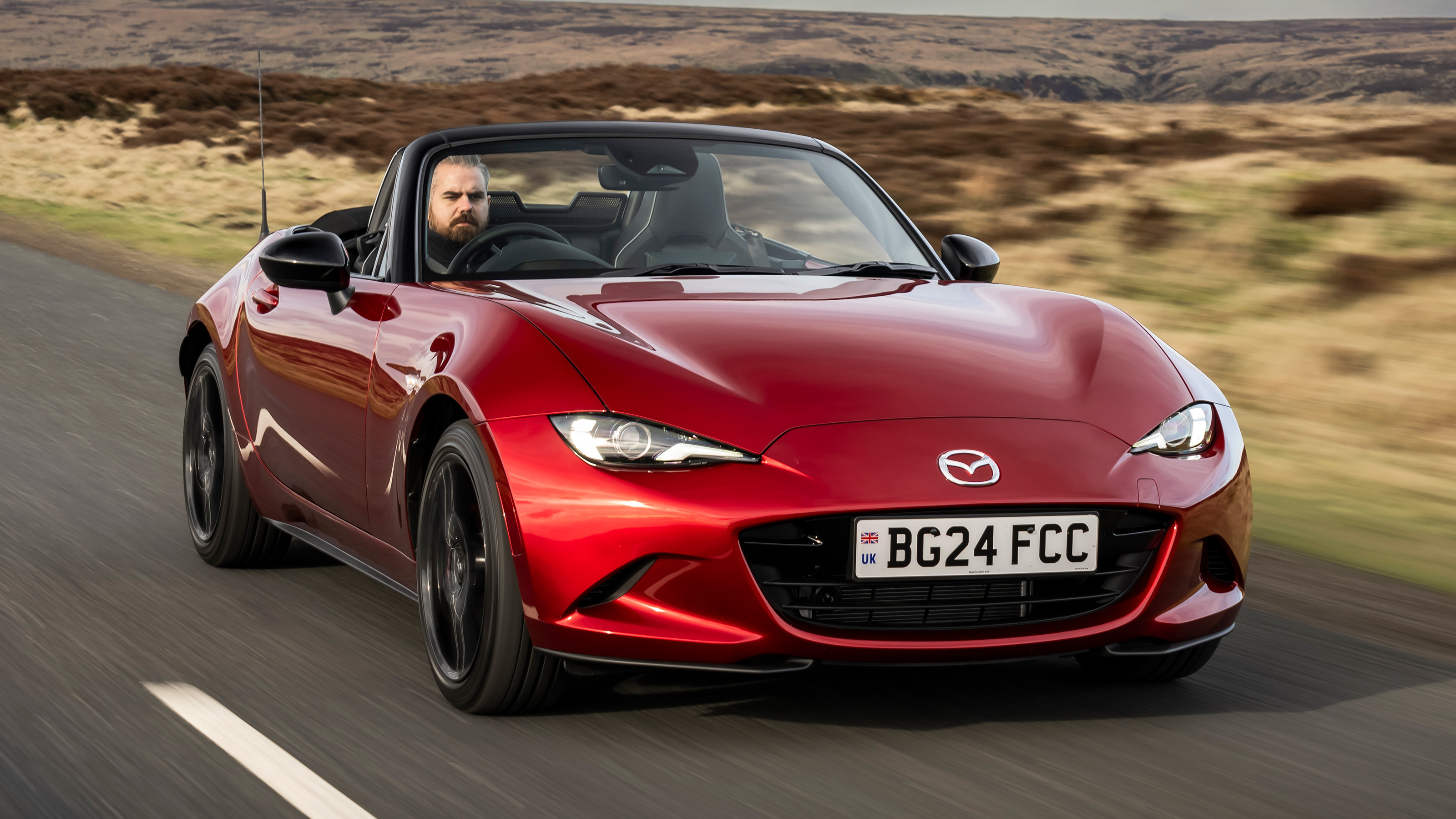
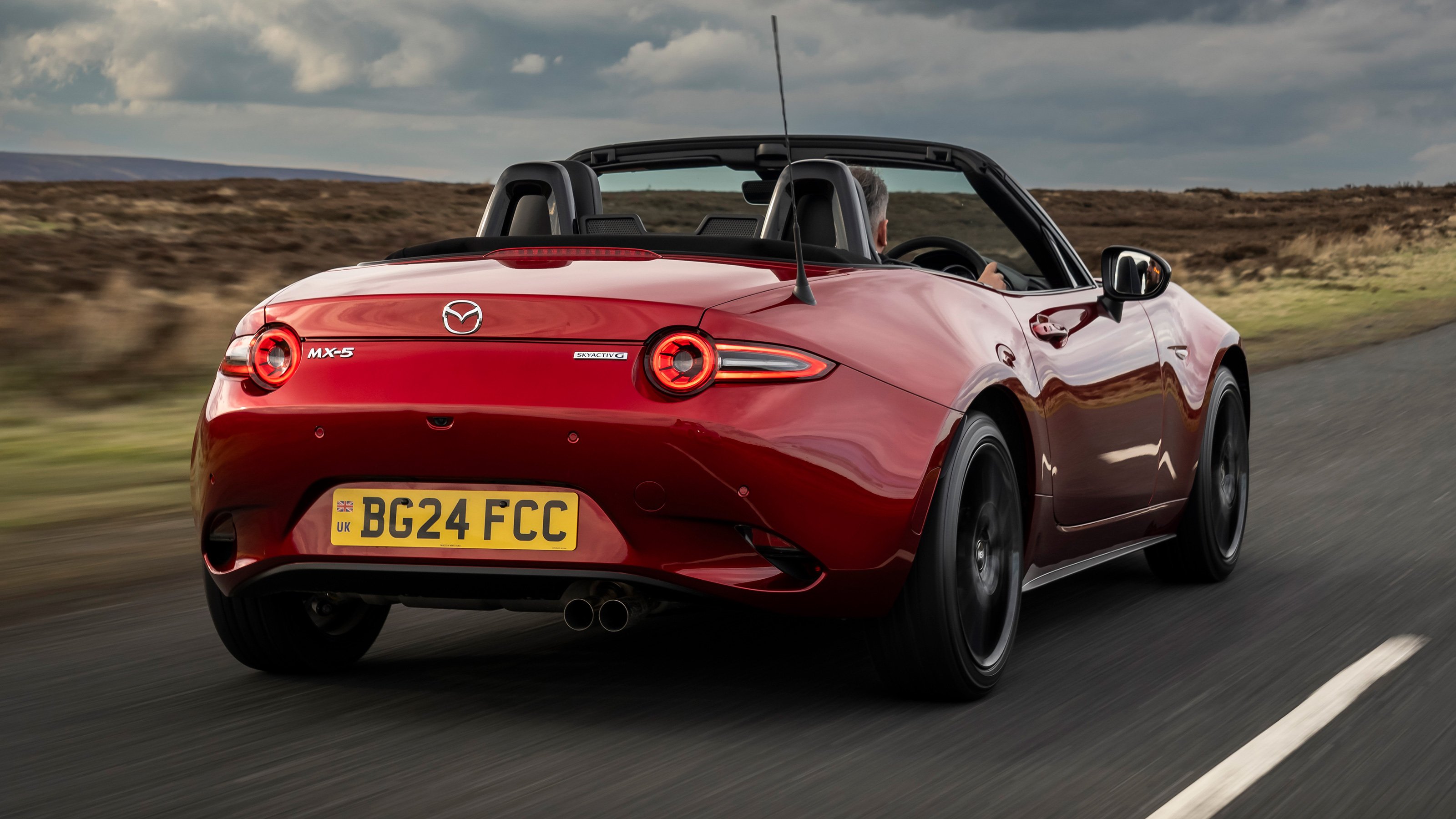
In 2024, Mazda made a few changes to keep the MX-5 fresh (ish). New LED headlights mark the first ever change to the ND car’s design, while a new asymmetric limited slip diff and a bigger touchscreen gives the marketing department just enough to work with. There's also a handy 'halfway off' traction control setting now, so you can learn to slide with a safety net. This is what the MX-5 is all about: accessible fun.
Your choices are still between a 1.5- and 2.0-litre engine, both of which now feature extensive stop-start technology that recoups energy under braking to help power the ancillary electronics to save fuel. The 1.5 produces 130bhp and 112lb ft and hits 0-62mph in 8.3 seconds, while the 2.0 is good for 182bhp, 151lb ft and the same sprint in 6.5s. Both are revvy little triers, with the 2.0-litre really zinging as it zips past 7,000rpm.
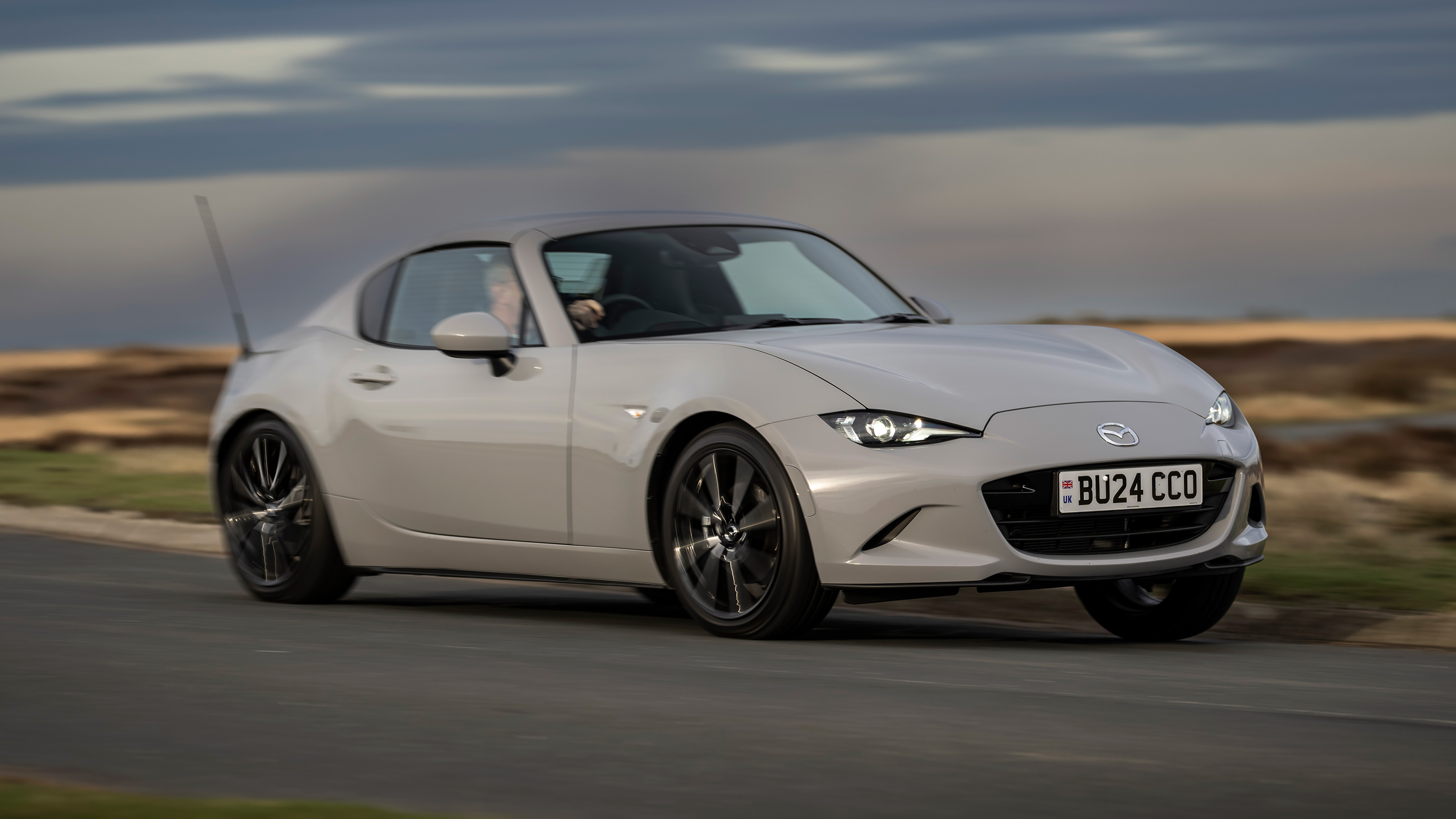
You’d be missing out on the full MX-5 experience to shrug off the manual folding soft top (it’s great, you can put the roof up and down from the driver’s seat with one hand) in favour of something heavier and electronically assisted. Mazda has however made a minor concession to modern tastes (no, not an electric SUV) and offers the MX-5 these days with an electric folding hardtop.
That model is badged RF for ‘retracting fastback’. Yeah, it does sound cooler when you don’t know what it means. It adds an extra 30/40kg, and with it a few tenths to the car's acceleration stats. You used to get the option of an automatic gearbox, but we decided to ignore it and apparently so did Mazda’s customers, because it’s no longer offered. Good, because the six-speed manual is a delight.
Indeed the whole driving experience is a lovely antidote to the anaesthetised, overly assisted, electronically supervised drive you’ll often find in other supposedly sporty cars. The entry level MX-5 weighs but a smidge over 1,000kg and it’s because Mazda has remained laser focused on the car’s mission, avoiding the temptation to add ‘just one more thing’ and ending up with a block of lard.
If you’re happy only ever being able to give one friend a lift then sure, why not? The base spec car comes reasonably equipped: all models get heated seats, LED headlights, smartphone connectivity, climate control, native sat nav and cruise control as standard.
The 130-litre boot is rather tiny on paper, but you can stuff enough in there for a weekend away as long as there are no black tie events involved. If you’re swapping into the MX-5 from a plusher car you’ll find the interior plastics are on the durable side and that the car lacks some of the nice details. But you don’t get an MX-5 for the luxurious cabin.
As of November 2025 prices start at £28,515 for the 1.5-litre and £33,415 for the 2.0-litre engine car, albeit jumping up a trim level to unlock that extra power. The hard top RF is an extra £2–3k depending on spec. But it's still very much a bargain by today’s standards.
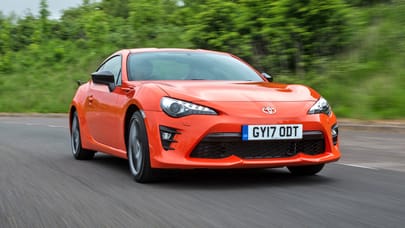
The MX-5 is pretty much peerless for the price because sports car sales have dwindled vastly in recent years. Only the Toyota GR86 really comes close and the UK allocation for that sold out entirely in an hour and a half.
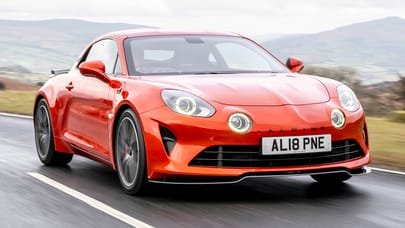
So allow us to throw some (now- or nearly defunct) names at you: Alpine A110, Lotus Emira, BMW Z4, Toyota Supra, Mini Convertible, Audi TT RS, Caterham Seven, Porsche Cayman. Lots to choose from, if the depths of your pockets allow.
The Mazda MX-5 isn’t the world’s best-selling roadster by accident: its recipe of simple mechanicals and accessible fun mean it’s a car with low running costs and broad appeal. There's literally nothing else left in the segment that does so much for so little.
Mazda has resisted messing with the formula and created a car that just wants to put a smile on your face at sensible speeds. A day with the roof down in one of these will do your soul the world of good.
And yet… a decade of small adjustments have kept it ticking over, sure, but without a proper rival to hold its feet to the fire you might argue the MX-5 is beginning to feel a little predictable. The gearbox is still a hoot but given it leans more towards leisure than performance, it’s not an out-and-out driver's car, even though the Track DSC mode is a giggle. We'd like to see Mazda work on the steering for the Mk5, giving it more feel and feedback. Less floaty body control when you're really wringing it out wouldn't go amiss, either.
But what keeps the MX-5 more relevant and more of a tonic than ever is the fact it's so small, so light, so simple. An absolute blessing in an age of over-complicated, techy, bloated cars. So we hope Mazda doesn't bow to pressure to add electric boost, or more soundproofing, and extra elbow room. To do so would move the MX-5 away from the whole point of its existence: to give the world a modern successor to the classic 1950s/60s British roadster.
Get all the latest news, reviews and exclusives, direct to your inbox.