

TOYOTA
165kW Design 77kWh 5dr Auto
£36,930
Looks interesting-ish, sensible performance, good suspension control, strong warranty
Cheap and drab cabin materials, cramped compared to some rivals, peak charge speed could be quicker
A coupe-crossover electric car. The Toyota C-HR+ is very much not a Toyota C-HR. It's a standalone electric car that shares very few parts with the C-HR. Instead, under the skin it's a relative of the bZ4x.
Both do the same job: transporting families in coupé-ish crossovery style with a bit of driving fun. But one is hybrid, the other electric.
Audi sells two completely different cars, petrol and electric, both called A6. The electric one has a small e-tron suffix. VW will soon sell two Polos. One of which is an ID. And Toyota sells two C-HRs, this one with a +.
For several years the giant Toyota looked disinterested in EVs, and to be honest it still does: it's launched very few of them, including the electric version of the latest Hilux pickup and the (frankly terrible) Urban Cruiser. Which is really just a Suzuki eVitara in a moustache and sunglasses.
Well, the Japanese firm is starting to catch up. The bZ4x is one of the most popular cars of its kind in Europe, and has now spawned an estate version linked heavily to the Subaru E-Outback.
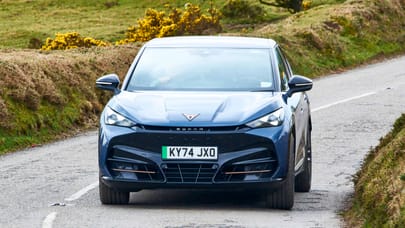
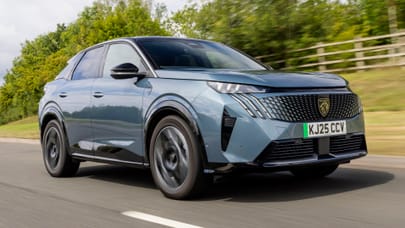
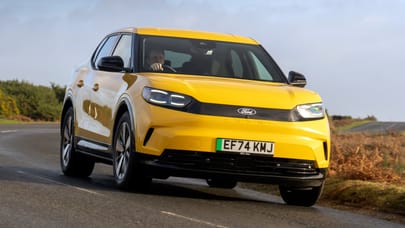
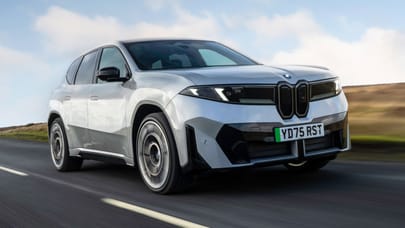
Think mid-size fastback crossovers: the Ford Capri, Cupra Tavascan, Peugeot E-3008, Skoda Enyaq Coupe, Nissan Leaf, BMW iX2, and Changan Deepal S07. Most have battery and motor specs that are close to some C-HR+ version or another.
It starts with a 165bhp version, with a 54kWh battery. Then there’s one with 221bhp and a bigger 72kWh battery. Both are front-wheel drive. Note Toyota quotes gross battery values, but ours are net figures here because that's what you can actually use between an indicated 100 per cent and 0 per cent.
WLTP range is 284 miles for the small battery, and a more useful 376 miles for the big battery. Your bladder will give out long before that.
In other parts of the world there's a twin motor/all-wheel drive one with 343bhp and 339 miles, but we don’t get that in the UK. No big loss. Range is the priority here, not straight-line speed.
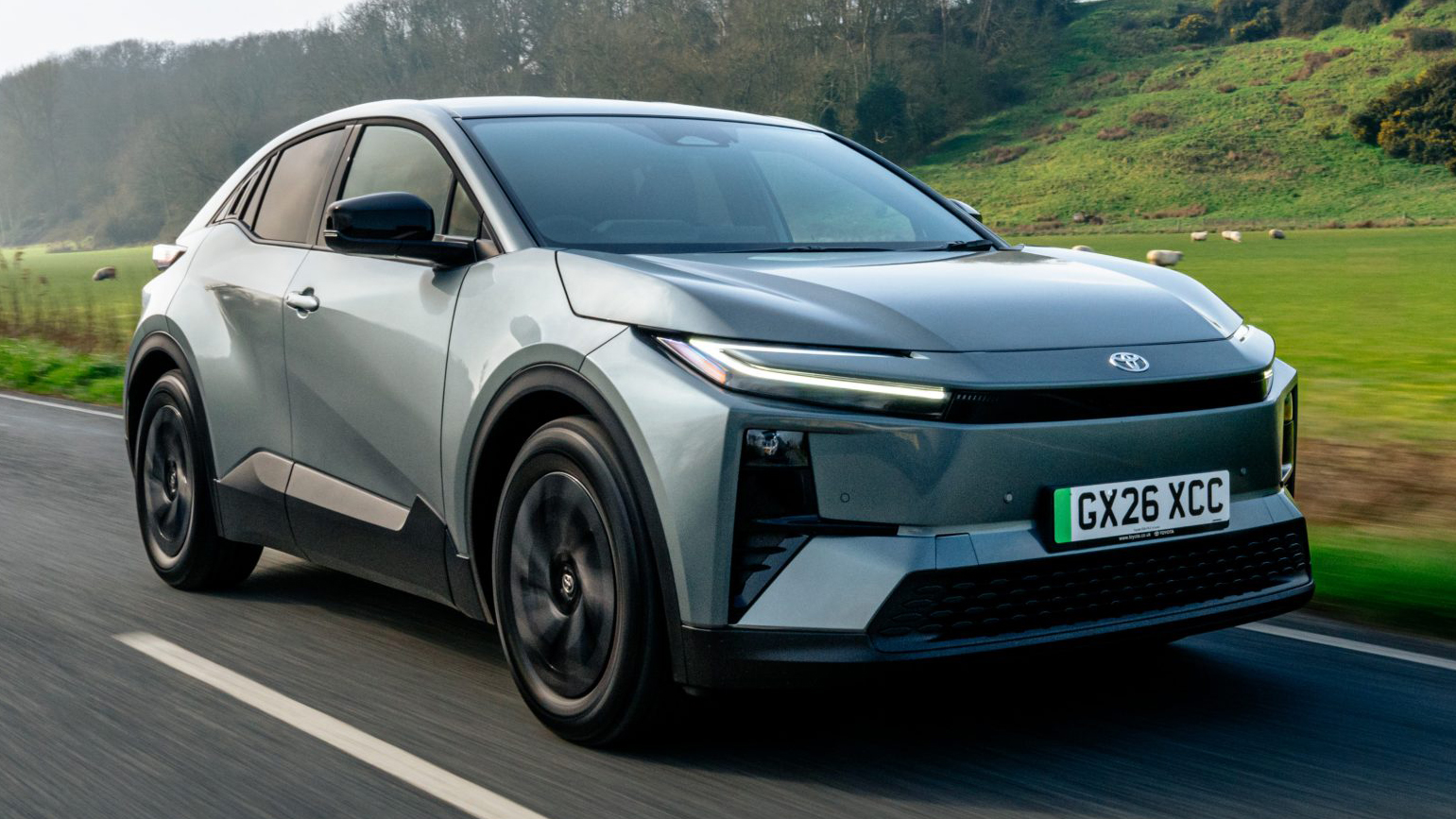
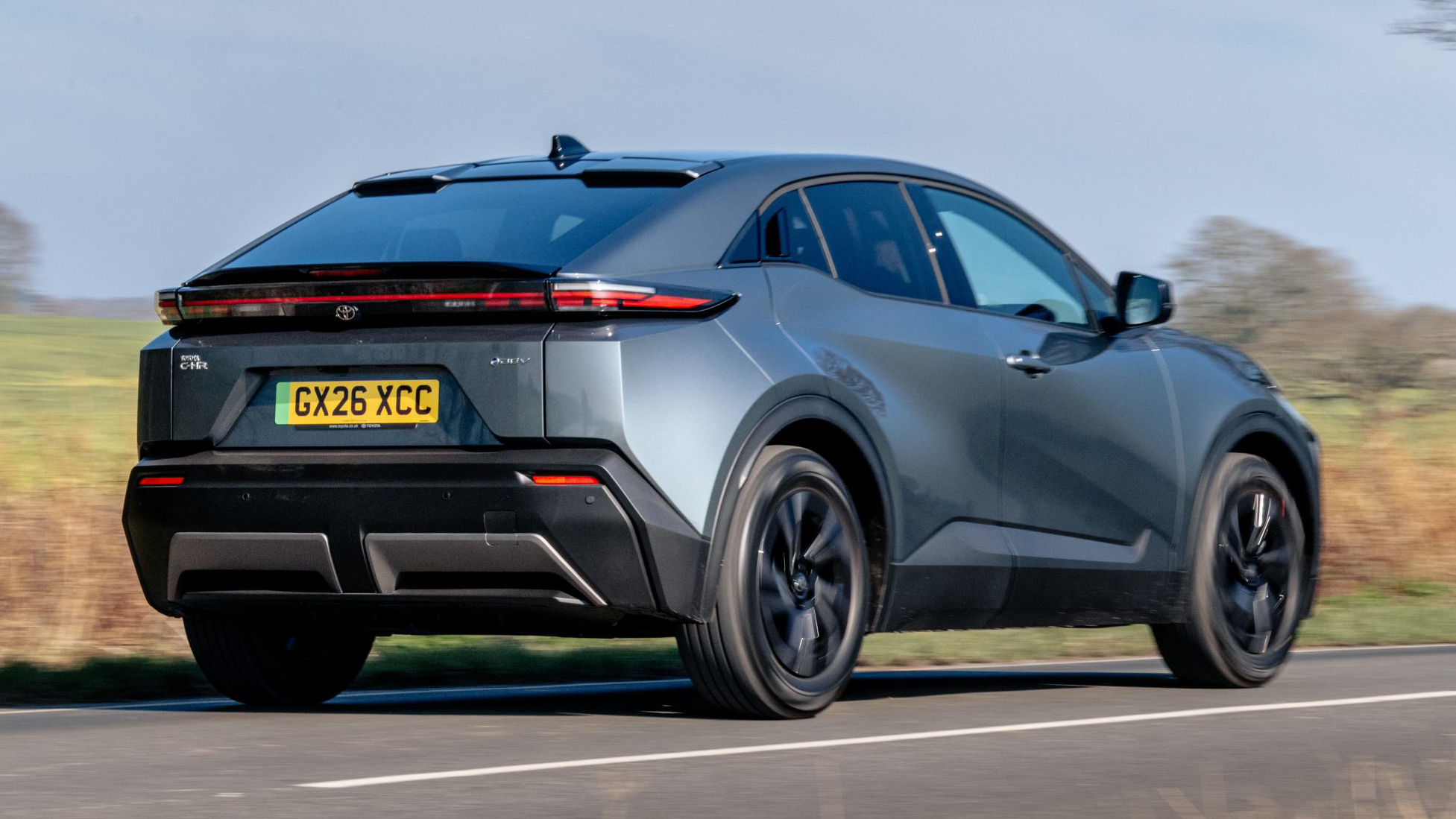
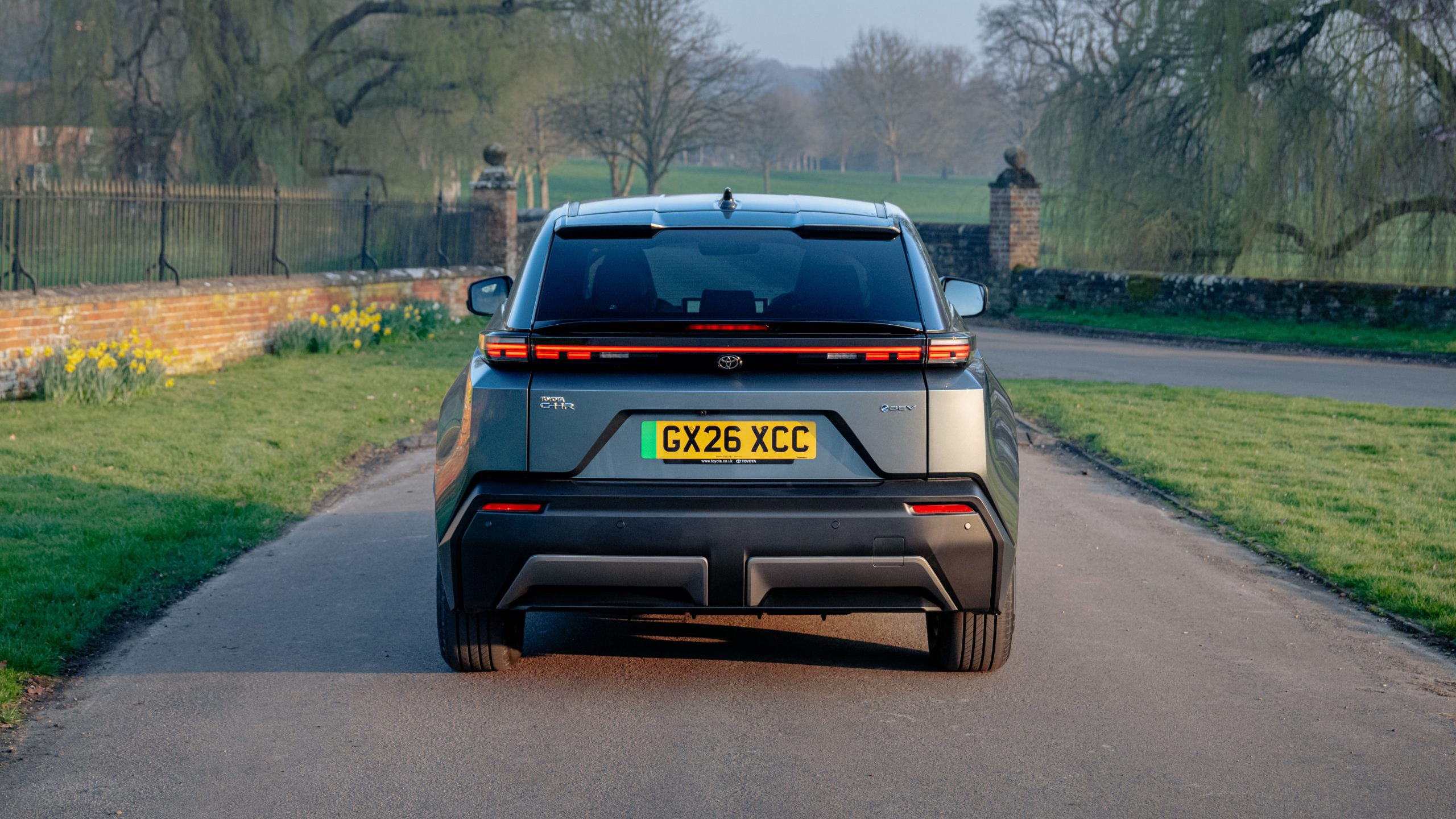
Toyota would have you believe it's both. The C-HR+ sets out its stall with a shark-like face and tapered side glass, and hidden rear door handles.
No crossover EV is exactly a statement style piece of course, but the C-HR avoids the frumpy look that would put off a solo driver. And by the same token your kids won't make you drop them out of sight round the corner from school.
The cabin puts the driver's screen and main display standing on the dash like photos on a mantlepiece. In that sense it's interesting enough, but Toyota lacked the commitment to follow it through with much interest in the materials.
Most rear passengers get enough skull space, and legroom is okay for a car of the length. That said, unless you spring for a glass roof there isn't much glazing back there so it feels more constricting. The boot is only 416 litres – tight for family trips.
More details on the Interior section of this review.
So far we've had access only to the bigger motor/more powerful version. Its seven-plus seconds 0-62mph time isn’t pin-you-back-in-your-seat quick, but it’s brisk enough from stationary and out of slow corners. And beyond: there's little sense of it running out of poke as you sweep into the overtaking lane of a motorway.
The steering is light but is pretty accurate and quick-acting. It's a fairly agile car, and impressively well-damped if the road gets wavy. Don't come expecting involvement, but it makes no fuss making quick progress.
The relatively firm springs means the ride can be a bit tight at town speed. But it's not drawn to your attention because the suspension and tyres are quiet.
The C-HR+ now qualifies for the £1.5k Electric Car Grant, meaning it’s cheaper than it was at launch. Prices start at £32,995 for the entry motor and battery combo.
Then it’s £36,150 for the 221bhp version with 72kWh cell. Worth it for the extra range alone. Full details on the Buying tab.
The C-HR+ is a competent but not standout EV when you check the battery capacity and range. But Toyota has learned from the early versions of the bZ4x, improving efficiency, and also range prediction and winter charging speed. It should make good use of every kilowatt-hour.
It's an easy car to get along with, and your feeling of secure wellbeing is going to be boosted by the awesome battery warranty.
It's quite stylish, even if the interior is drably trimmed, And it's pretty good to drive. It rights the wrongs of Toyota's first EV endeavours and adds some charm of its own. That should be enough to keep it afloat in a sea of rivals.
Get all the latest news, reviews and exclusives, direct to your inbox.