





Interview
Meet the explorer who drove his Rimac Nevera 1,391-miles for a service
When Chris Brown's Rimac hypercar needed a service, he didn’t take any shortcuts...
In 2031 NASA and SpaceX will deorbit the International Space Station. A rocket will dock and put the brakes on the 17,500mph village in the heavens, sending it on a fiery one way trip down to Earth. Most of it will burn up on re-entry, but some 40 tonnes is expected to make it through the atmosphere.
As two thirds of the world’s surface is water, it’d be unlucky to land in your high street, but the space boffins aren’t taking any chances. They’re aiming the wreckage at Point Nemo, the furthest part of the Pacific Ocean from any land. It’s one of the remotest places on Earth, a so-called ‘pole of inaccessibility’.
Advertisement - Page continues below
Except, Chris Brown has been there. In fact he’s the first recorded human to swim on Earth’s loneliest spot. Chris has also visited seven of the eight official ‘poles of inaccessibility’, and aims to become the first person to complete the set. But naturally Top Gear is meeting him to talk about his 1,888bhp electric car service.



“Last year Mate Rimac sent out a letter to all Rimac owners,” he explains in his quietly spoken Yorkshire accent. “It said ‘you’re always welcome out to the Rimac Campus, treat it like home’. Usual corporate stuff. In fact he said, ‘have you ever thought about driving out to Zagreb in the car?’ He wanted somebody to take one on a long journey...”
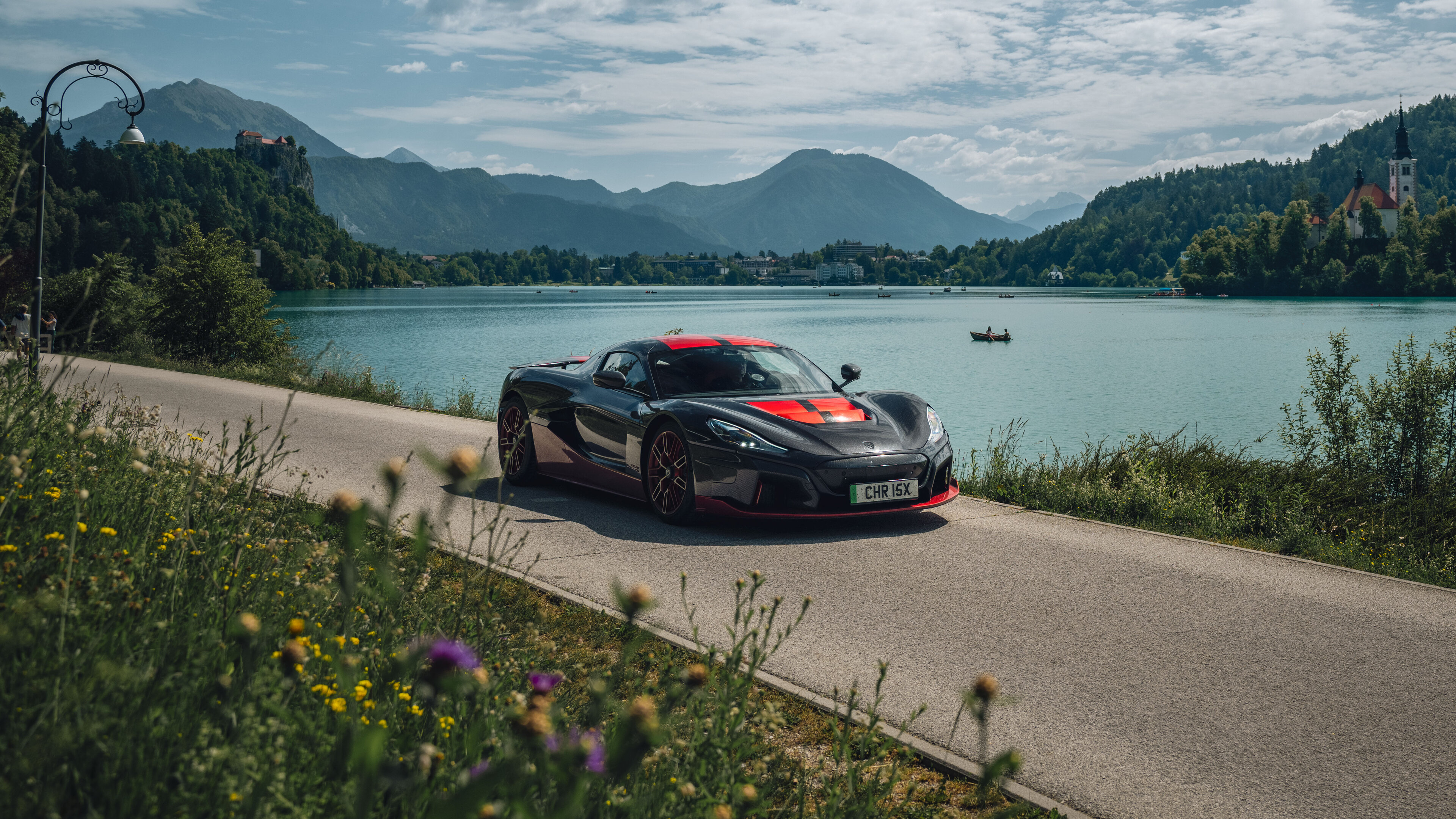
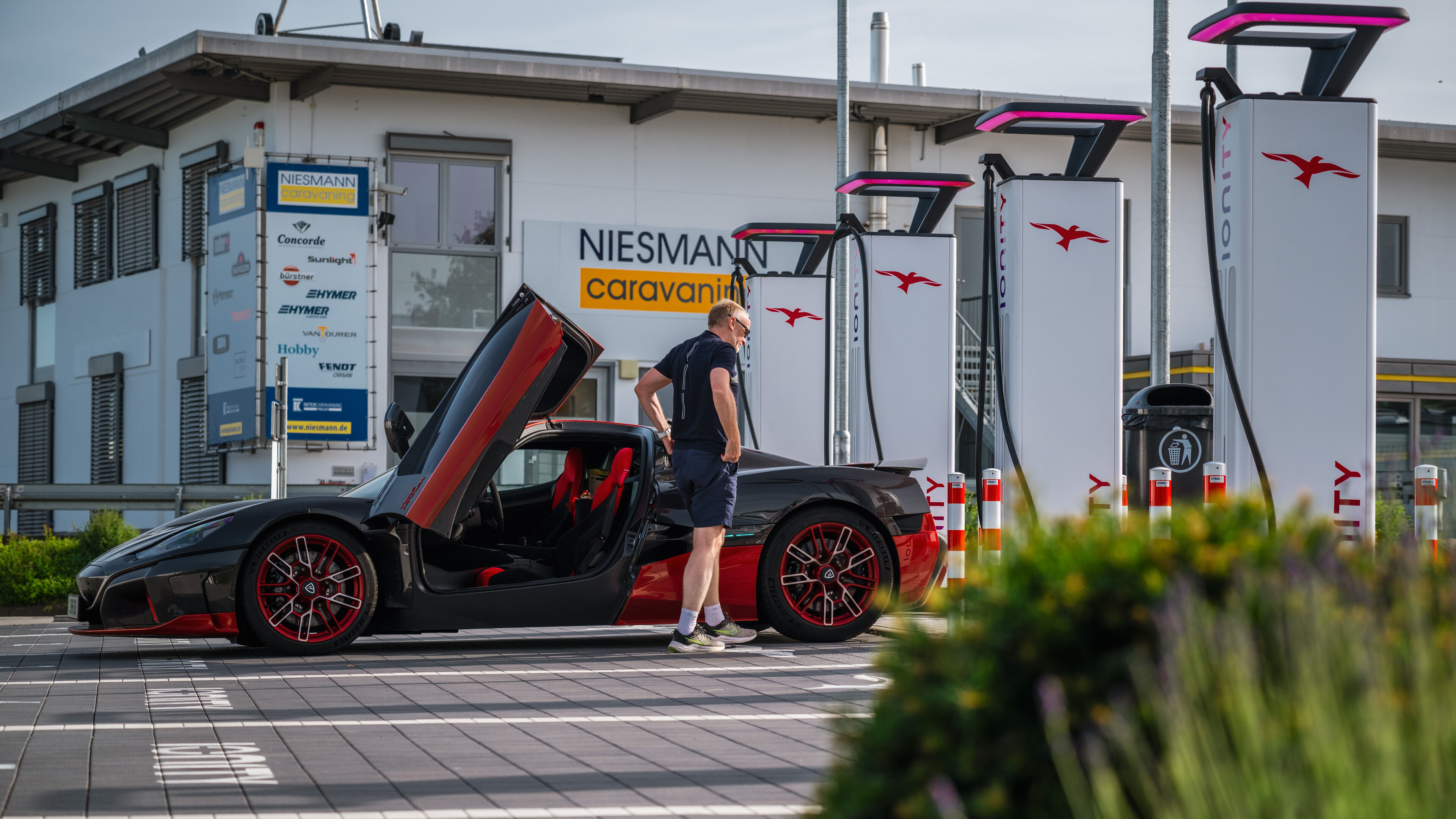
Noting rapid charger locations, Chris calculated a route from his home near Harrogate to Rimac HQ in western Croatia, but naturally, he wasn’t going to go direct. “Instead of just driving to the Campus, I thought I’d drive all the way down to the Dalmatian Coast and make it something enjoyable. And on the way, throw in a couple of expedition points.”
Advertisement - Page continues below
After excelling in physics led to a career in the oil industry, Chris is now a successful tech entrepreneur. By ‘successful’, I mean besides his Range Rover daily driver and Rimac Nevera hypercar he’s got a manual Aston Martin V12 Vantage, and a Lamborghini Revuelto he’s nonplussed by.
“I like cars which are comfortable as well as fast. After two hours in the Revuelto I’m having to stuff a pillow down my back. It’s just not a great experience to drive. The Rimac has ruined my experience of the Revuelto because it’s faster and more comfortable.”
But collecting cars is less important to Chris than collecting poles of – and now points of – inaccessibility, he explains over a light geography refresher.
“Everyone’s heard of the planet’s North Pole and South Pole, but in geographic terms from years gone explorers coined ‘poles of inaccessibility’. They’re on the continents. They’re not strictly ‘poles’, as a pole is a point around which an object can rotate.
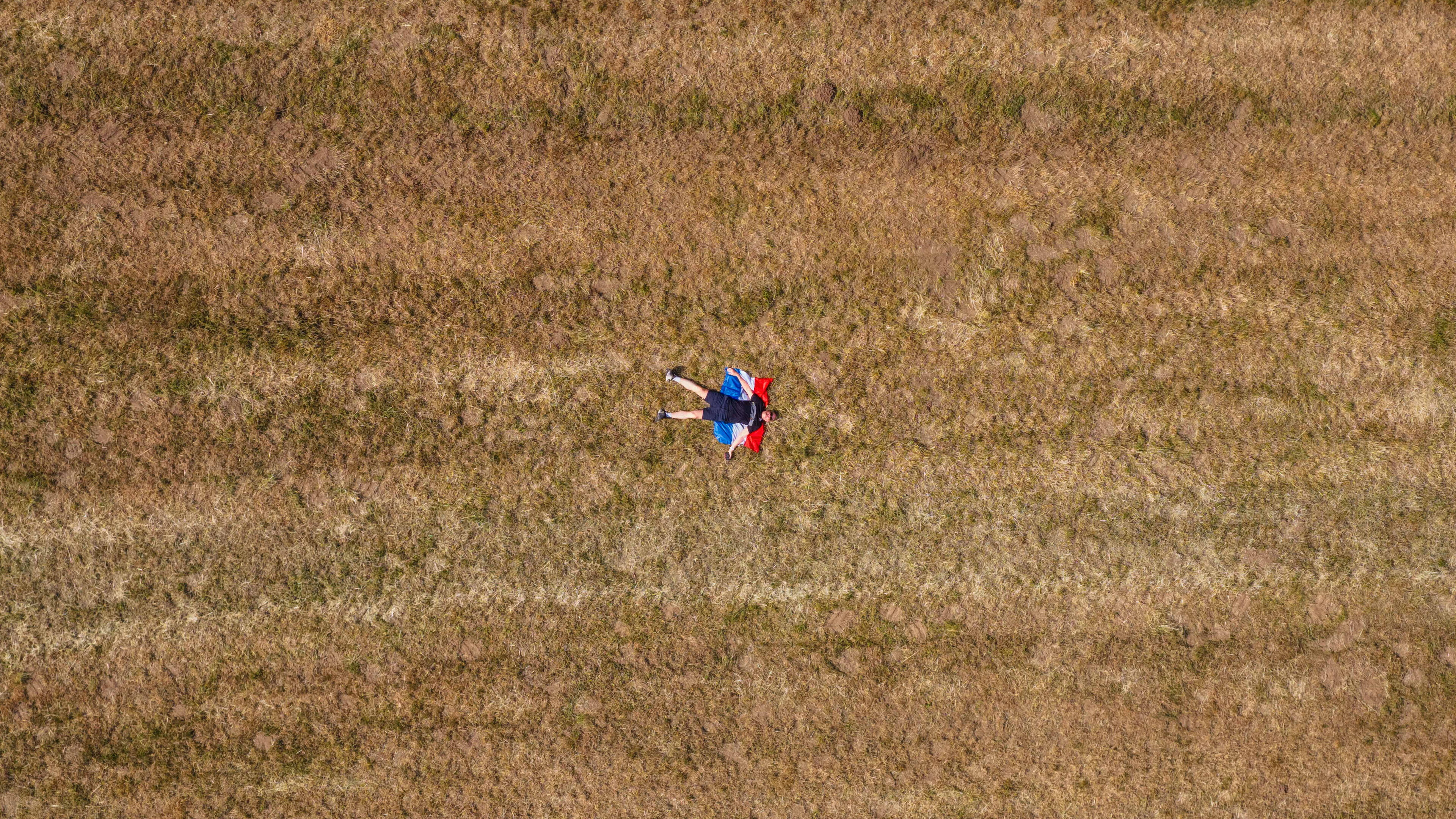
“The pole of inaccessibility for say, Africa is a point in Africa furthest from the ocean in any direction, same in Australia, and so on. I got to thinking you could have one for the UK because it’s an island: locate a place that’s furthest from the ocean in Britain. You could do it for a country like France – the point furthest from any French border. I call these ‘points of inaccessibility’, and as a sort of sub-task, whilst I’m still trying to do all of the poles, I’m just accumulating points.”
Hence the wiggly 1,391-mile route to Zagreb: Chris was picking up more ‘points’.
“It’s a great fun thing to do with cars because cars give you such easy mobility. You can’t just go hiring helicopters willy-nilly. Take the one in Spain. It’s in this gorgeous Sierra. You could drive to it, you could cycle or hike to it I suppose, but by driving you see stuff and meet people that you just wouldn’t normally see when you’re visiting a country.”
Top Gear
Newsletter
Get all the latest news, reviews and exclusives, direct to your inbox.
It dawns on me this is a free of charge method to turn roadtrips into a sort of quest game. And if you find yourself passing Church Flatts Farm just southeast of Coton in the Elms, Derbyshire, congratulations. You’re 70 miles in any direction from the coast and have officially reached Britain’s point of inaccessibility. Slightly easier than Australia’s Red Centre, or swimming out to a spacejunk bullseye.
“By going to these points, you discover a lot more about a country, its culture and its people than just, say, going to the Eiffel Tower and Champs-Élysées and saying you’ve visited France,” reasons Chris. “A lot of tourists gravitate to the landmarks: the tallest, the biggest, the most famous, but miss discovering the bits in-between.”
On his Rimac servicing jaunt, he ticked off points of inaccessibility for Belgium and Luxembourg. “I like to use the latest technology available to me – ChatGPT planned that route.” So you needn’t be a loaded hypercar stabler to give it a go yourself.
It’s from the Galactic program that I was invited to go to the South Pole with Buzz Aldrin
Exploring is perhaps the oldest innate human trait, but I ask Chris where his penchant for seeking out these remote and random locations first came from. “The biggest influence on my life was watching the Moon landings with my dad on our black and white TV. That got me interested in science. I then went on to university to study physics – mostly nuclear physics, which led me into engineering.
"My business grew and I could afford to go on the Virgin Galactic [space tourism] program. It’s from the Galactic program that I was invited to go to the South Pole with Buzz Aldrin.”
As location and name drop anecdotes go, it’s a good one. “Buzz wanted to be the oldest person to go to the South Pole and they had two spare spots, which were funding spots really. Landing at the South Pole with him was when I heard about poles of inaccessibility. When I was up Everest two years later, I was thinking ‘I don’t really enjoy mountaineering’, so why don’t I try to reach all these poles instead?”
The last pole on the list, Eurasia, is tricky. It’s in northwestern China, and travel for Westerners is hardly a package holiday. Not too many Rimac-friendly chargers either. “China is streets ahead of us in terms of automation, robotics, AI. It’s clean, it’s safe and everything, but the cost is the population is controlled. So even for a Chinese person to get to where I want to go, it’s not allowed.”
Ironic, really. Nothing can stop a man getting to Earth’s most distant outposts – except another man with a permission slip.


Trending this week
- Top Gear's Top 9
Nine funky Brazilian cars with Volkswagen engines
- Car Review
Porsche Panamera