




TechTop Gear
Are small, affordable electric cars the next big thing?
Tiny, potentially cheap, and without reams of safety tech: the E-cars are (potentially) coming
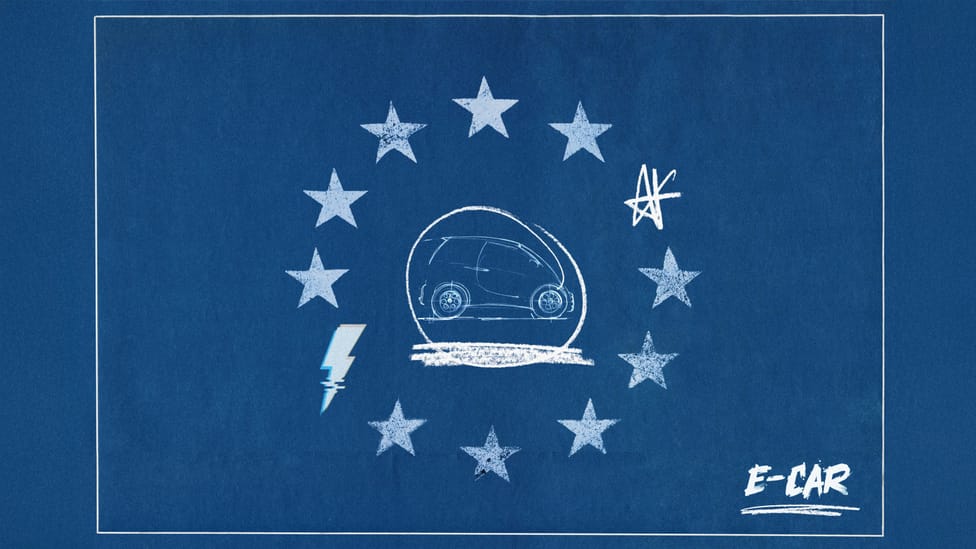
This instalment's next big thing is actually a little thing – the E-car. That’s the European Commission’s new category of small affordable electric cars. They’ll be restricted in size and performance, which in itself makes them cheaper, but also they’ll be allowed to go without some of the expensive safety and motorway driver-assist tech that all cars are legally bound to have today.
Manufacturers will be encouraged to build them by being given ‘super-credits’: for every one E-car they sell they’ll be allowed to sell 1.3 ICE cars. There will be other support too, including subsidies for battery building for the manufacturers, and, some reports say, cheaper parking for buyers.
Advertisement - Page continues below
I say ‘some reports’ because the regulation hasn’t been defined yet. So we don’t know exactly what the power or performance limits will be, or even what ‘small’ means. We do know these cars will have to be built in Europe, and also that the rules, when announced, will be unchanged for 10 years, because car manufacturers hate the cost of redesigns.
That said, manufacturers are cock-a-hoop that the E-car rule is part of a bigger change: the reversal of the EU’s projected 2035 ban on new combustion cars. The rule now allows 10 per cent to be combustion, and that manufacturers can get credits for using e-fuel. Overall, new-car fleet emissions must fall by 90 per cent compared to 2021. The EU says it will cause the equivalent of a cut to 100 per cent ZEVs by other measures including subsidising steel made by low-CO2 processes.
Carmakers such as Stellantis have argued any replacement of old cars is good for CO2 as well as safety and toxic emissions. Across the EU the average age of the 250 million cars on the road is 12.5 years and rising. And that’s just the average – many go on for many more years. Stellantis argued that the small affordable cars should also be petrol powered, because a new small petrol car is more efficient than an old one.
Even after the E-car regulation is defined, if it’s substantially different from current new-car regs, at least two years will pass before any cars can be designed to meet it and put on sale. Oh, and here in Britain they might not go on sale at all because it’s in the EU that the manufacturers will get support and credits. Unless our country adopts the same sort of laws.
Advertisement - Page continues below
Top Gear
Newsletter
Get all the latest news, reviews and exclusives, direct to your inbox.
Trending this week
- Car Review
Peugeot E-208 GTI