

the fastest
276kW La Premiere 97kWh Long Range 5dr Auto AWD
- 0-625.4s
- CO20
- BHP370.1
- MPG
- Price£66,625
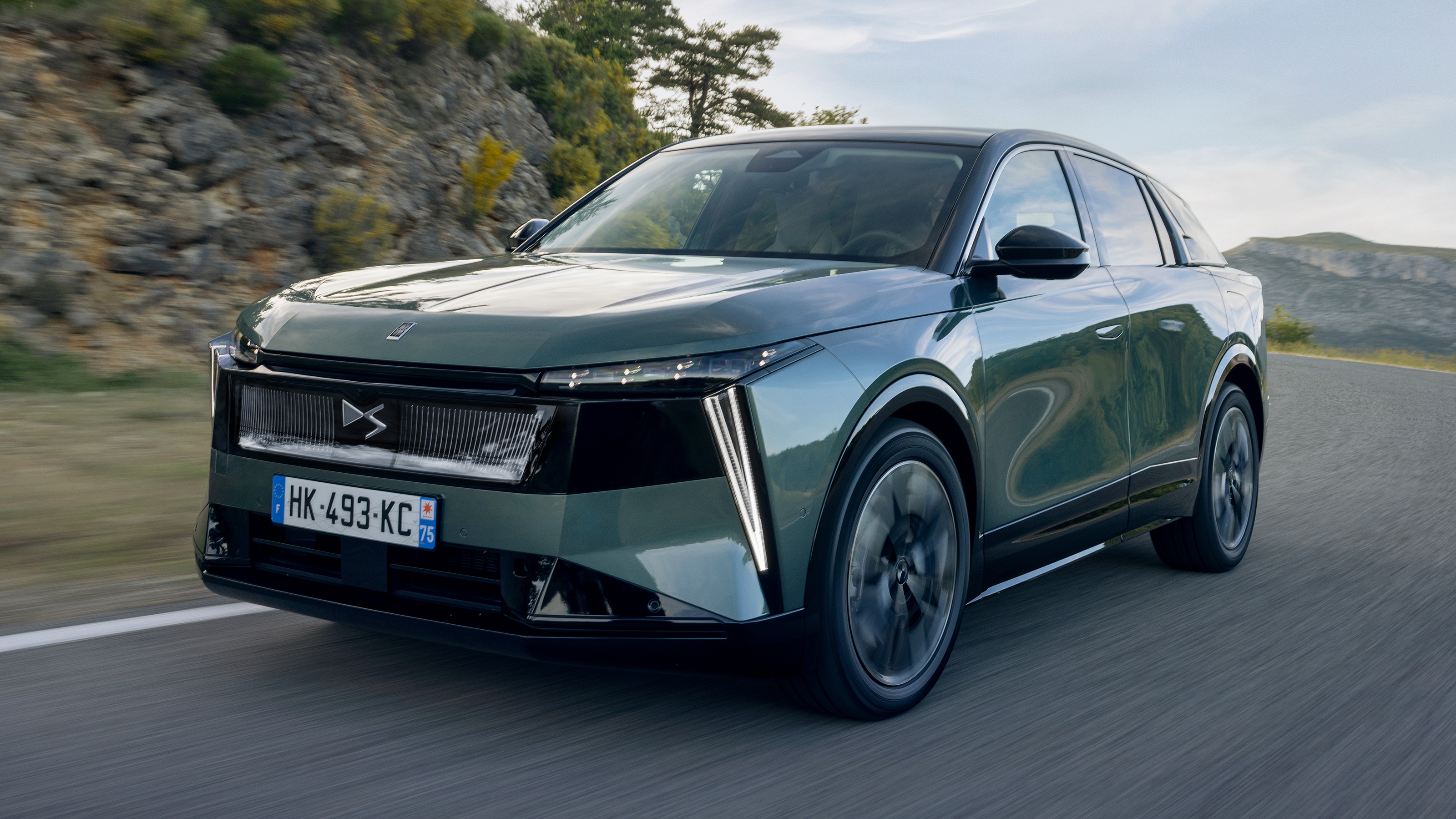
Let’s start with the entry-level DS No 7 Hybrid. It’s the latest version of Stellantis’ 1.2-litre three-cylinder turbo petrol, with 70 per cent of its components renewed to ensure greater reliability than its predecessor. Allied to a 21kW motor that’s worked into its six-speed dual-clutch transmission, DS claims it can cover half of its urban mileage with the engine extinguished. Which is where it does its best work.
Out of town its peaks of 143bhp and 170lb ft – and a 10.4-second dawdle from 0-62mph – are undeniably modest in a premium-minded SUV and a setup that’s fun to rub along with in a Corsa or 208 can’t help but cling to higher revs here.
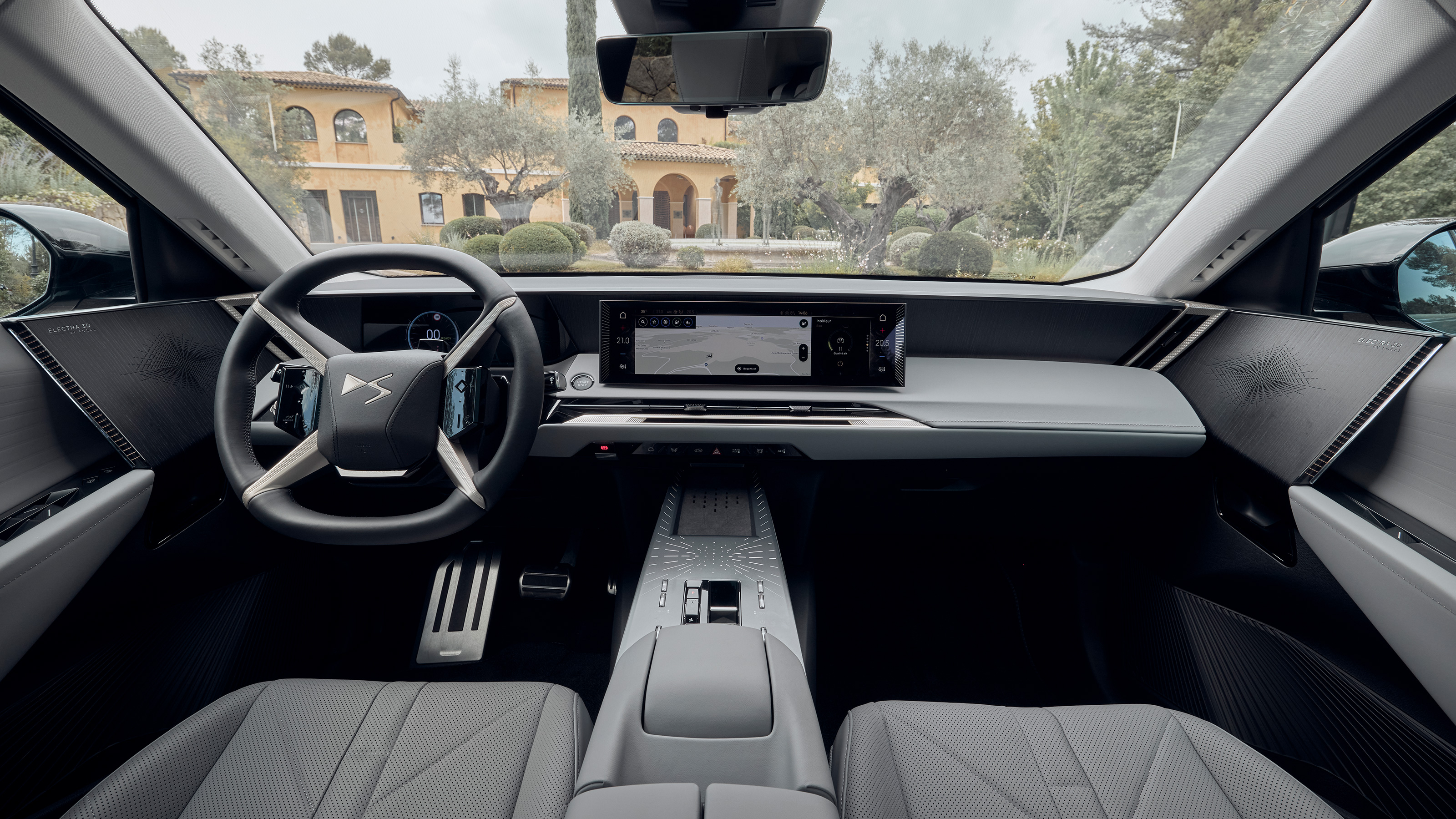
Sport mode proves quite useful in keeping the twin-clutch ‘box perky and torque output higher as you exit corners or climb a consistent incline, or you can grab control of its ratios via steering wheel-mounted paddles. They feel a bit of a finger stretch in here, perhaps a subtle hint that the car they control isn’t one for true sporting engagement.
Yet it corners and grips gamely and broadly rides well. Especially dramatic lumps and ruts can judder through the cabin at lower speeds – not helped by the fact you’ll want 20 or 21in alloys to properly indulge this car’s design – but with only modest speed and pressure in its damping it’s a composed car that resists roll well given its comfort remit.
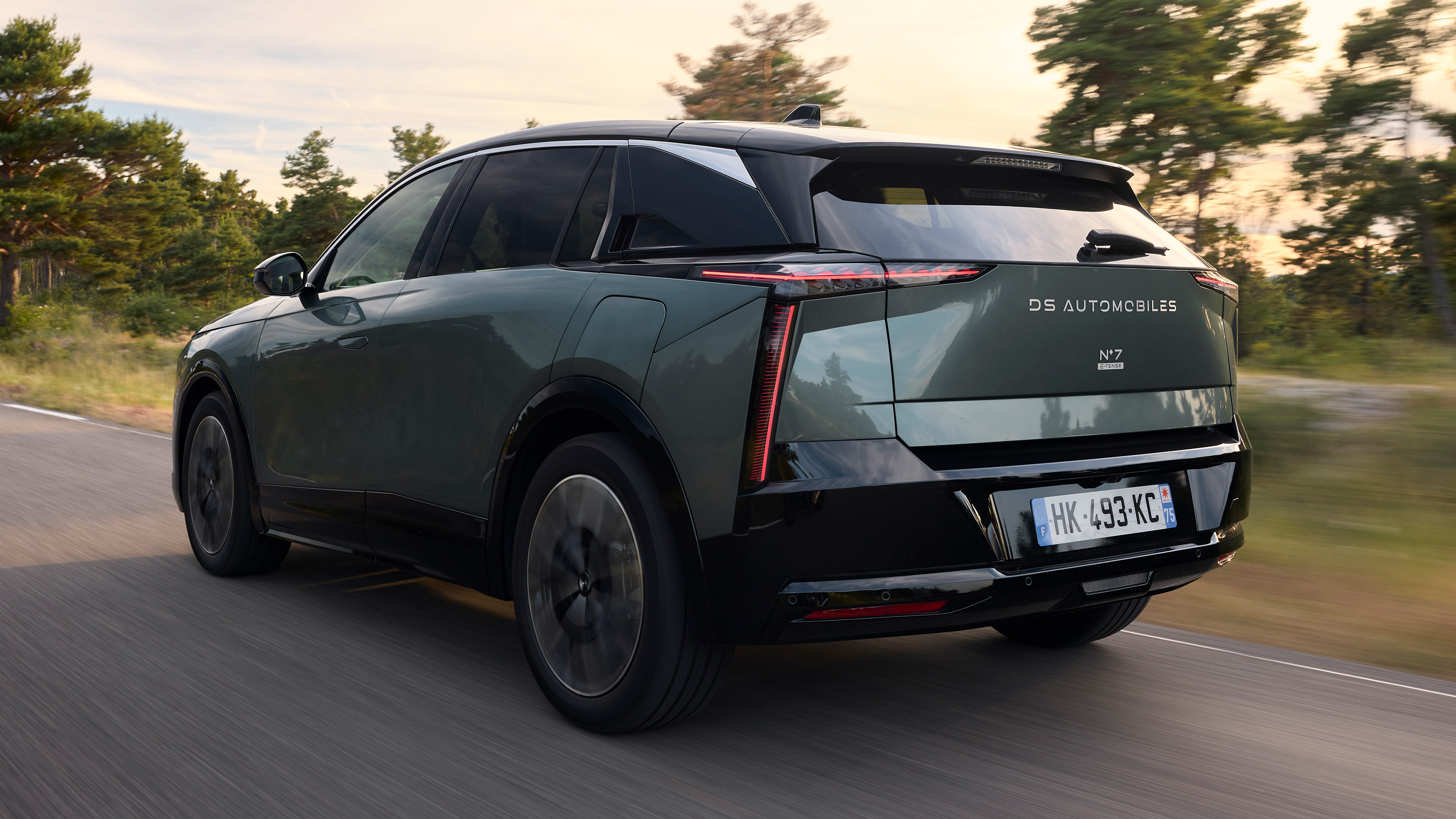
Electric feels a much better fit in here, even if it manages to add the entire weight of a Caterham 7 (and perhaps a driver and passenger) as an engine and fuel tank are switched for a motor and battery. Our first try is of the (deep breath) 242bhp E-Tense FWD Long Range, which accelerates with more alacrity than its 7.8s acceleration claim suggests while avoiding some of the frustrating front-axle wheelspin plenty of its EV rivals succumb to.
It’s no performance car, of course, but its neatly judged balance between assertive thrust and intuitive throttle response deserves praise. Experience of its No 8 sibling in lighter, 227bhp ‘standard range’ E-Tense FWD form suggests it won’t feel much different; in fact, it’s a tenth quicker to 62mph and claims an identical 118mph top speed.
This is a quiet, refined, and fuss-free way to travel. Assisting the sensation further is its flexible and easily adjusted brake regen. The four-spoke steering wheel retains its paddleshifters to toggle you through three different levels (the No 7 also remembers your favourite; unlike too many rivals we could name) while a much more abrupt one-pedal mode is activated from a teeny button in the centre console.
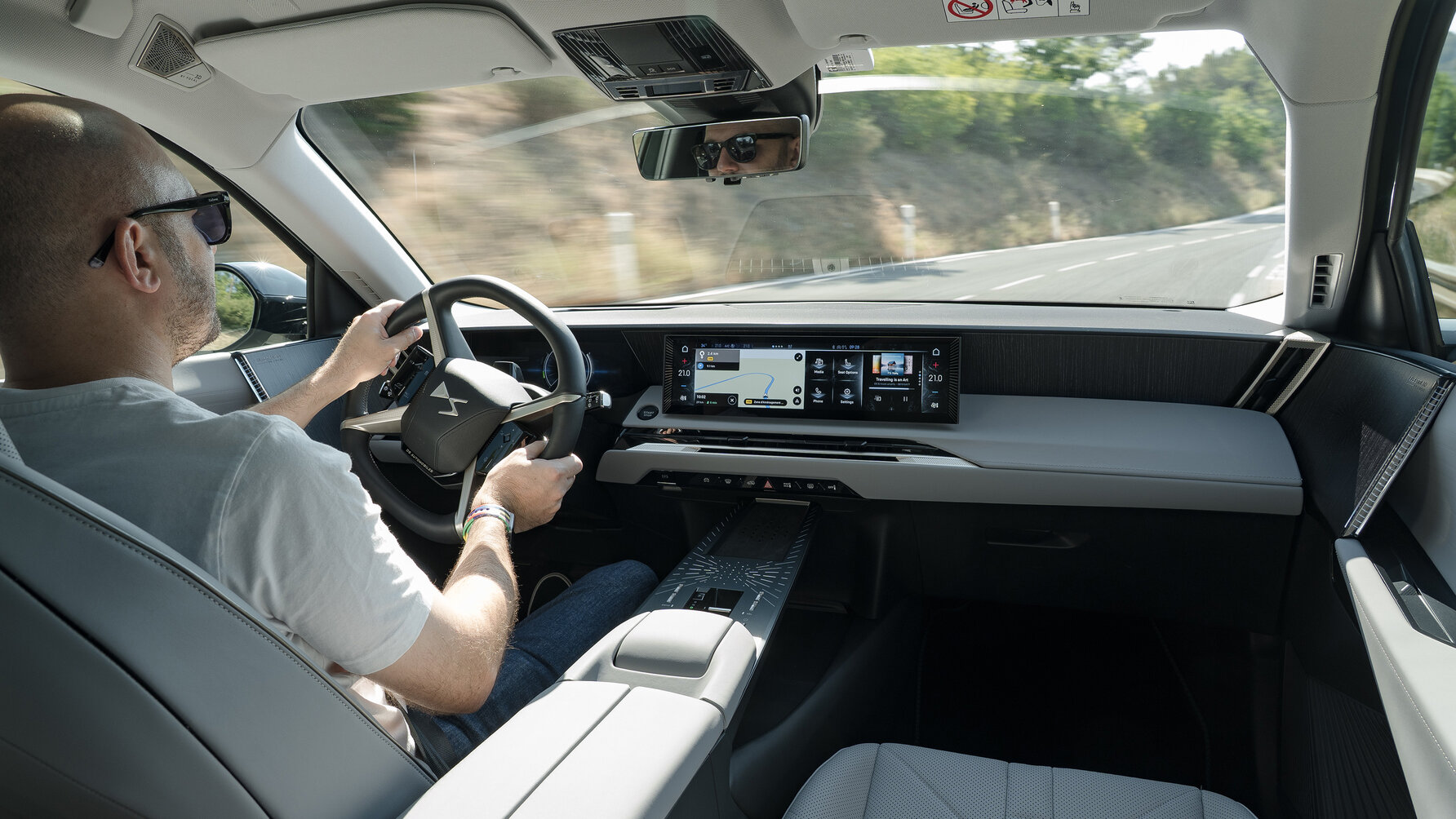
Curiously, that appears to be your only route to auto-hold functionality in traffic – you have to manually flick the handbrake switch (tucked where you least expect it beside the steering column) to avoid the possibility of rolling back in traffic. Not so zen.
Handling is once again impressive, helped by the graduation from a twist-beam to a multi-link rear setup for the E-Tense and the availability of Active Scan Suspension. Entry-level Pallas cars don’t offer it, ensuring you’ll be spending upwards of £55,000 to drive a No 7 with one of its USPs. Shame, as it brings an extra level of eloquence to the car’s road manners, even if it must be activated via the Comfort drive mode and ultimately represents an evolution of the chassis behaviour rather than a revolution. We imagine President Macron’s next presidential limo will have the box ticked, mind.
Get all the latest news, reviews and exclusives, direct to your inbox.