

DS
206kW Etoile 97kWh Long Range 5dr Auto
£57,125
Looks and feels convincingly posh, mixes comfort and dynamism well
Base Hybrid works hard, it can get pricey quickly
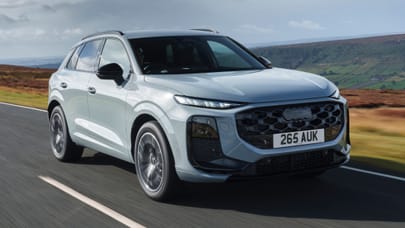
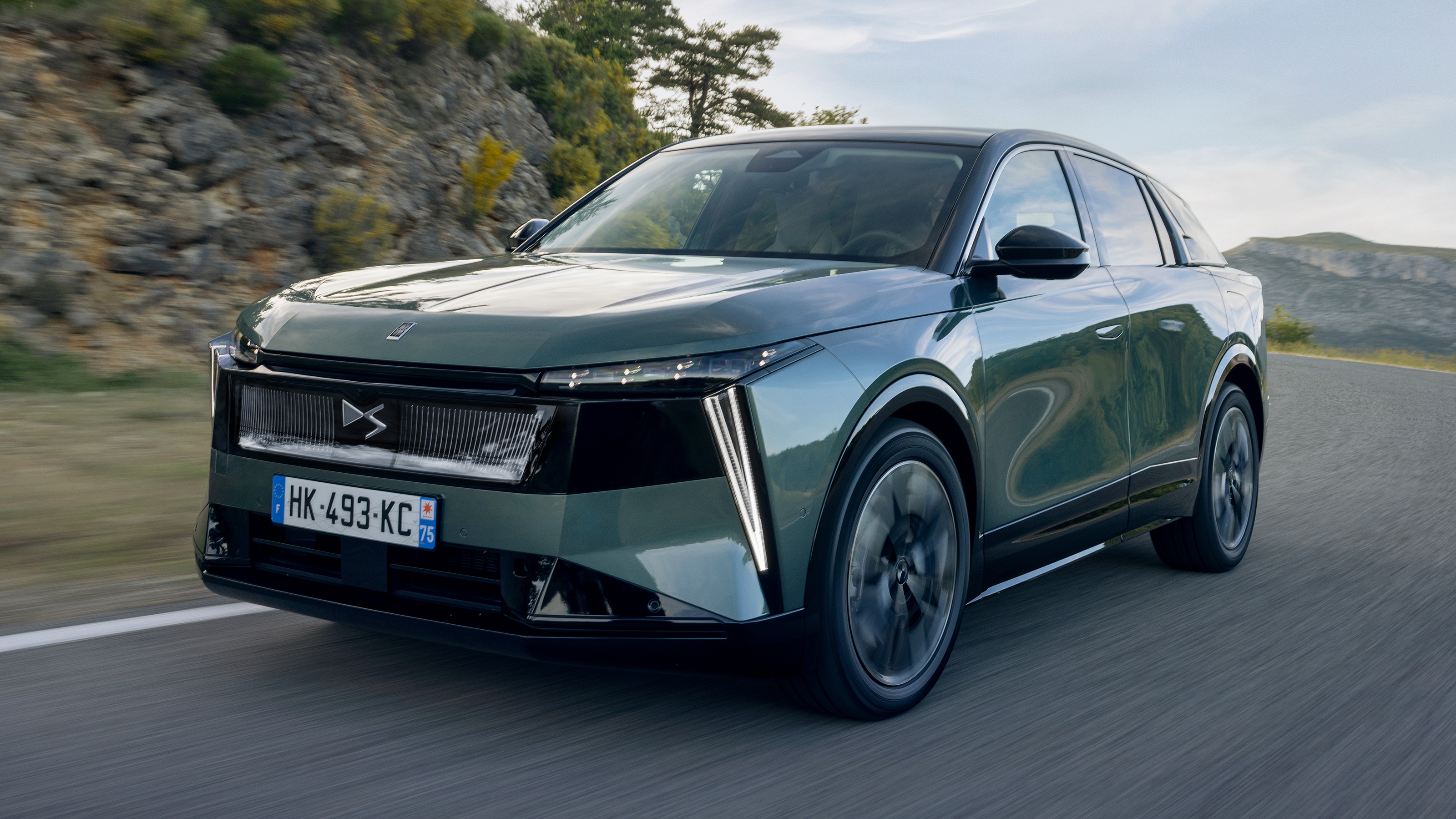
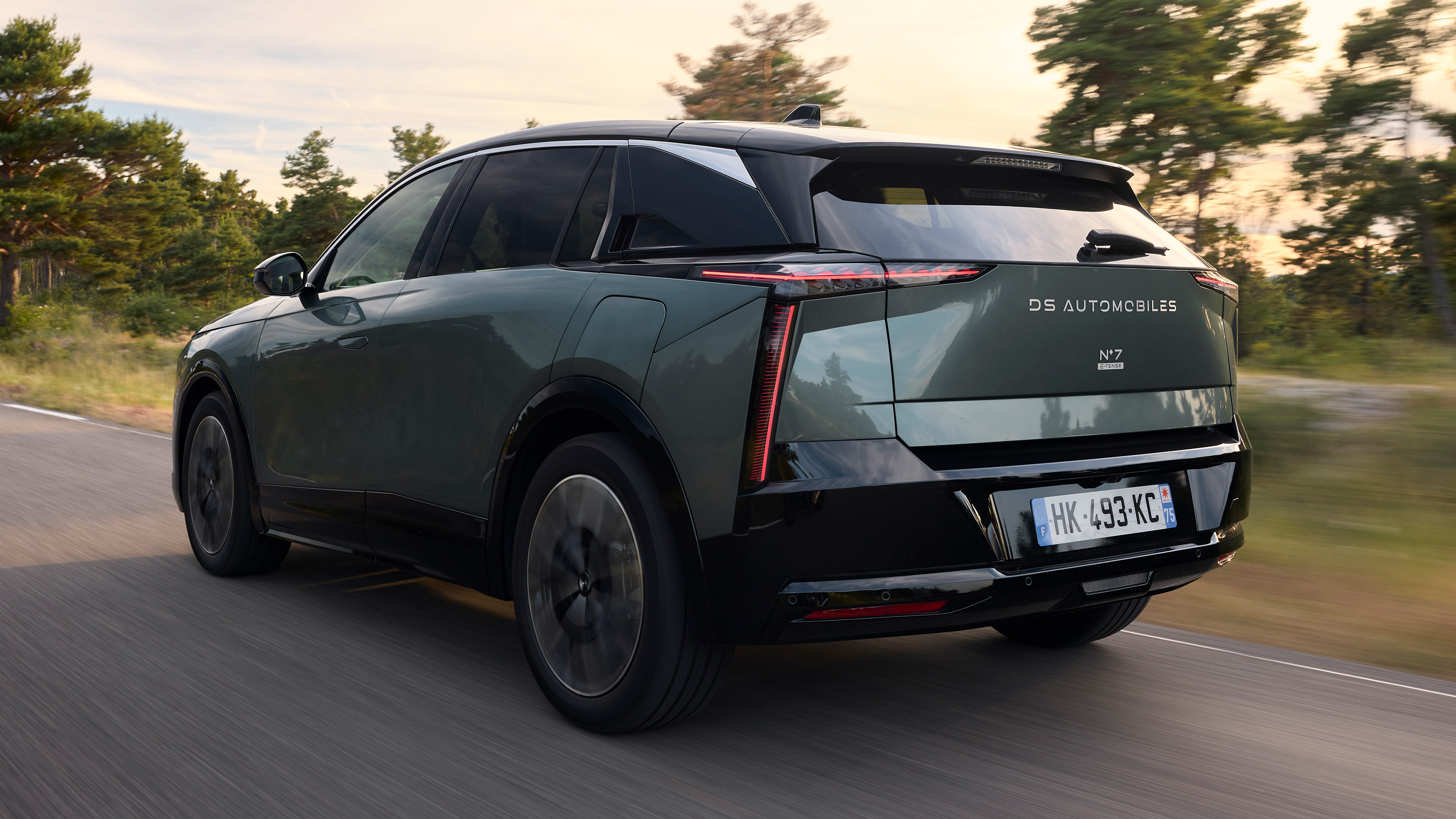
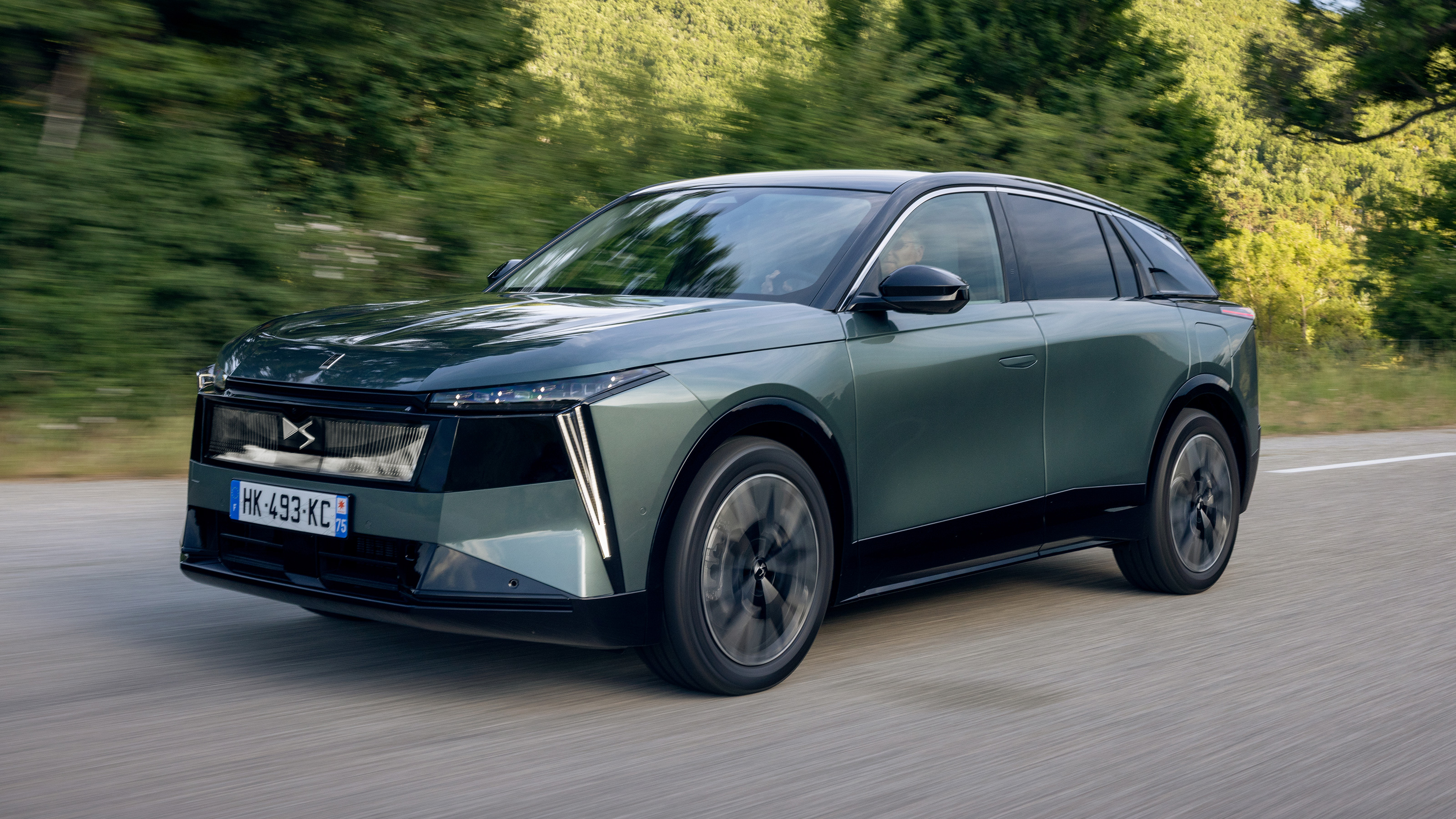
It’s the DS No 7, a slightly cheaper, eminently more practical sibling to the svelte No 8 and a like-for-like replacement for the outgoing DS 7, a car which has been a strong success for the artist now known as DS Automobiles.
It’s shifted over 200,000 of ‘em across its eight-year life – at least one of those to French president Emmanuel Macron for public duties – making it a large act to follow. Not least with a much, much more saturated SUV market to now contend with. And forget the copious Chinese rivals vying for buyers’ attention; merely within its Stellantis mothership, the No 7 has its STLA Medium platform mates such as the Peugeot 3008 and 5008, Jeep Compass, Citroen C5 Aircross and Vauxhall Grandland to spar with.
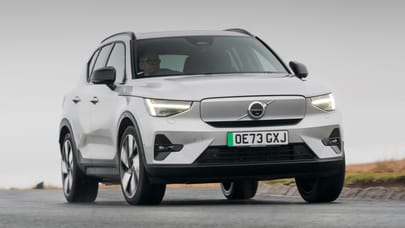
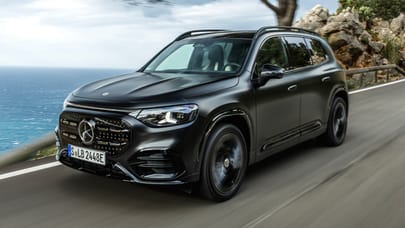
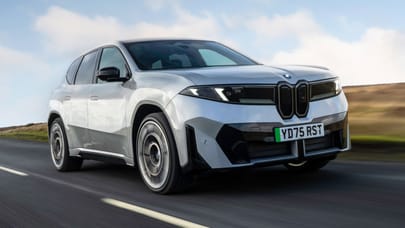
Add to those aspirational alternatives like the Audi Q3 and Q4 e-tron, BMW X1 and iX1, Mercedes-Benz GLB and Volvo XC40 and EX40, plus more bread ‘n’ butter stuff from elsewhere like the Volkswagen ID.4 and ID.5 and their Ford Explorer and Capri cousins.
Much like the No 8, its design and engineering team have played a bit of a blinder here.
DS has been given joyously free reign to deck the No 7 out with bespoke switchgear and plush materials while its steering wheel looks utterly bizarre (though morphs into something comfy to hold after precious few miles). The end product feels surprisingly unique against other Stellantis products.
Unlike the No 8, you can have both hybrid and electric power, though the latter feels a much comfier fit for its premium remit. Prices start over ten grand lower here, the DS No 7 Hybrid kicking off at £38,290 with its modest, 143bhp 1.2-litre 3cyl powertrain and entry Pallas spec. The all-electric E-Tense models command £49,190 upwards and top out perilously close to seventy thousand pounds, but offer a wide mix of front- and all-wheel drive options.
The range ascends through FWD 230, FWD 245 and AWD 350 versions, the former using a 73.7kWh (usable) battery for a 337-mile range, the latter pair a much larger 97.2kWh item to claim 460 and 422 miles apiece. Their numeric suffix signifies their metric horsepower figure, though each version possesses a boost function to ensure it punches (ever so slightly) harder than first billed. The quickest will hit 0-62mph in 5.4 seconds.
The design of the No 7 can be traced back six years to the DS Aero Sport Lounge concept (don’t remember it? It was all set to debut at the doomed 2020 Geneva Motor Show) and is very closely related to the No 8. Though the latter claims much more saloon-like styling, their rooflines look similar when parked alongside one another. A set of vertical front LED strips link back to the original Citroen DS3 – the car which began the new-age DS timeline 15 years ago – while a mirrored treatment of the rear lights contributes to a 0.26Cd aero figure to help yield those promising range figures.
Effervescent design boss Thierry Métroz has been at DS since day one and says his cars should always be the most efficient amid the Stellantis family. Vital, perhaps, when DS is among the brands whose future looks a bit less robust in the light of its ownership’s reshuffling. After years of painstaking work to help divert DS away from its Citroen origins, the two names are inexorably linked once again. Own it, we say: Citroen has a history of design bravado and comfy cabins, two things that should be core to any DS.
The fifty grand question. All No 7s ride with reasonable aplomb and a more deliberately cushioned approach to cornering than their dozens of faux-sporty rivals. Job one ticked. Commit a larger monthly fee to its plusher trims and you’ll also benefit from Active Scan Suspension; descending from its DS 7 predecessor, a camera in the windscreen reads the road surface ahead to ensure the damping works pre-emptively rather than reactively to bumps and ruts.
While it doesn’t turn this car into a shrunken Rolls-Royce Cullinan, there’s a tangible ironing out of the standard setup’s creases. Worth having, if you can afford it, though sadly (and perhaps short-sightedly) the Hybrid doesn’t yet benefit from it.
It serves a much greater purpose in the E-Tense, of course, whose battery and motor setups add between 535 and 696 (!) kilograms to the base, 1.5-tonne Hybrid. Crikey. Yet it hides the mass well enough for daily use, gripping, steering and resisting roll very well given the comfortable gait it pursues.
None yet feel fast (perhaps the AWD E-Tense can pick up the weirdly appealing baton of the old, Peugeot 508 PSE-engined DS 7 360 4x4) but all should slip into the laidback lifestyle of the marketing material with ease.
Yep, it’s pricey, and yep, it’ll take some explaining to your non-enthusiast mates. Yet the No 7 feels poised to reward your bravery in skipping the premium car normcore – and indeed its more affordable Peugeot or Citroen cousins – by offering a reasonable sense of both individuality and business class comfort inside and out.
It’s not perfect, and its platform sharing is never completely hidden, not least when the 3cyl Hybrid is working hard. But amid the colossal pressure of combatting cheaper Chinese rivals this feels like a job well done.
Get all the latest news, reviews and exclusives, direct to your inbox.