




ElectricTop Gear
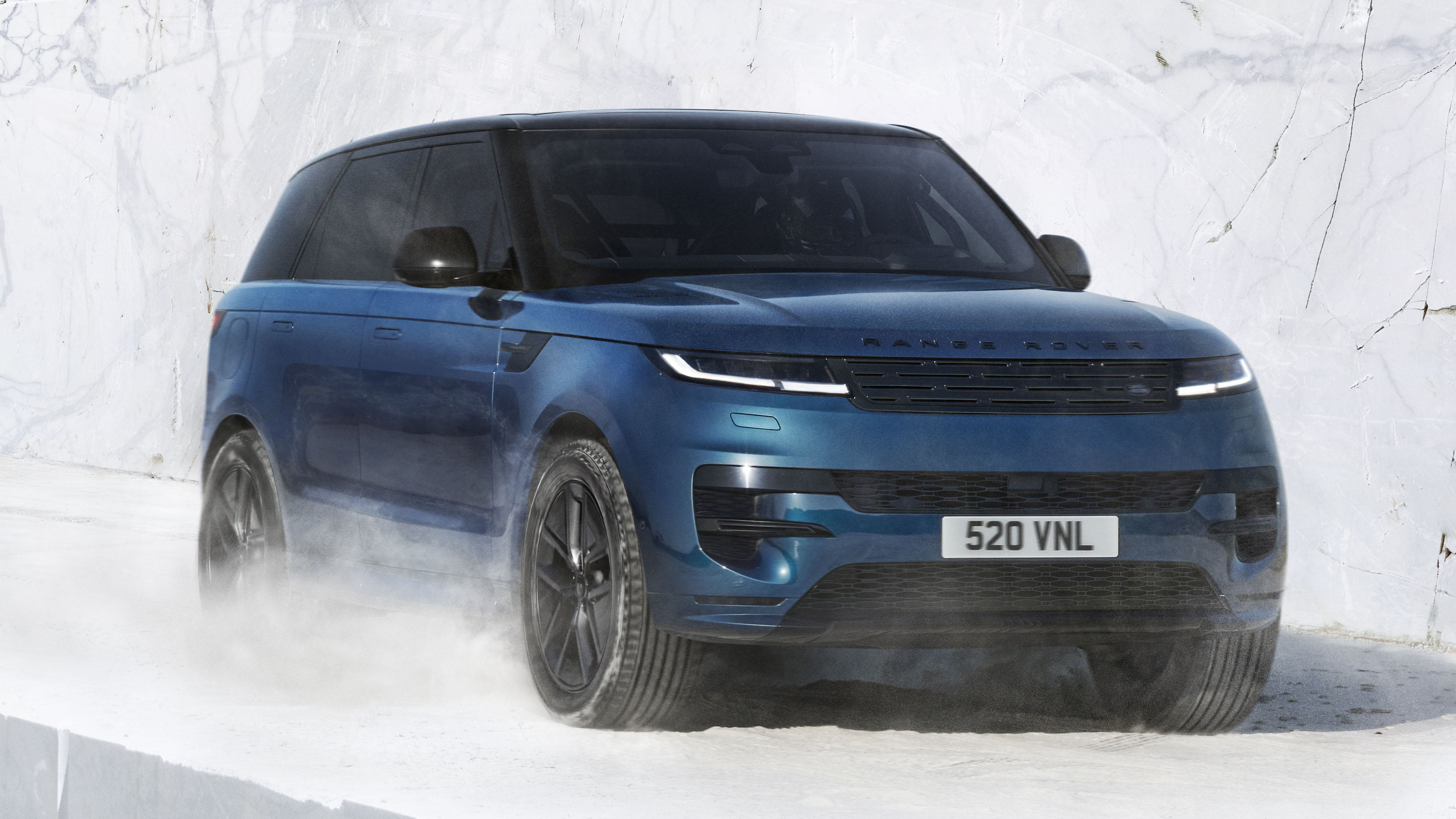
Does this new Range Rover Sport Electric have a harder job than the full-fat Rangey?
The big car's in a class of one. This 'cheaper', sportier one? Let loose the electric rivals!
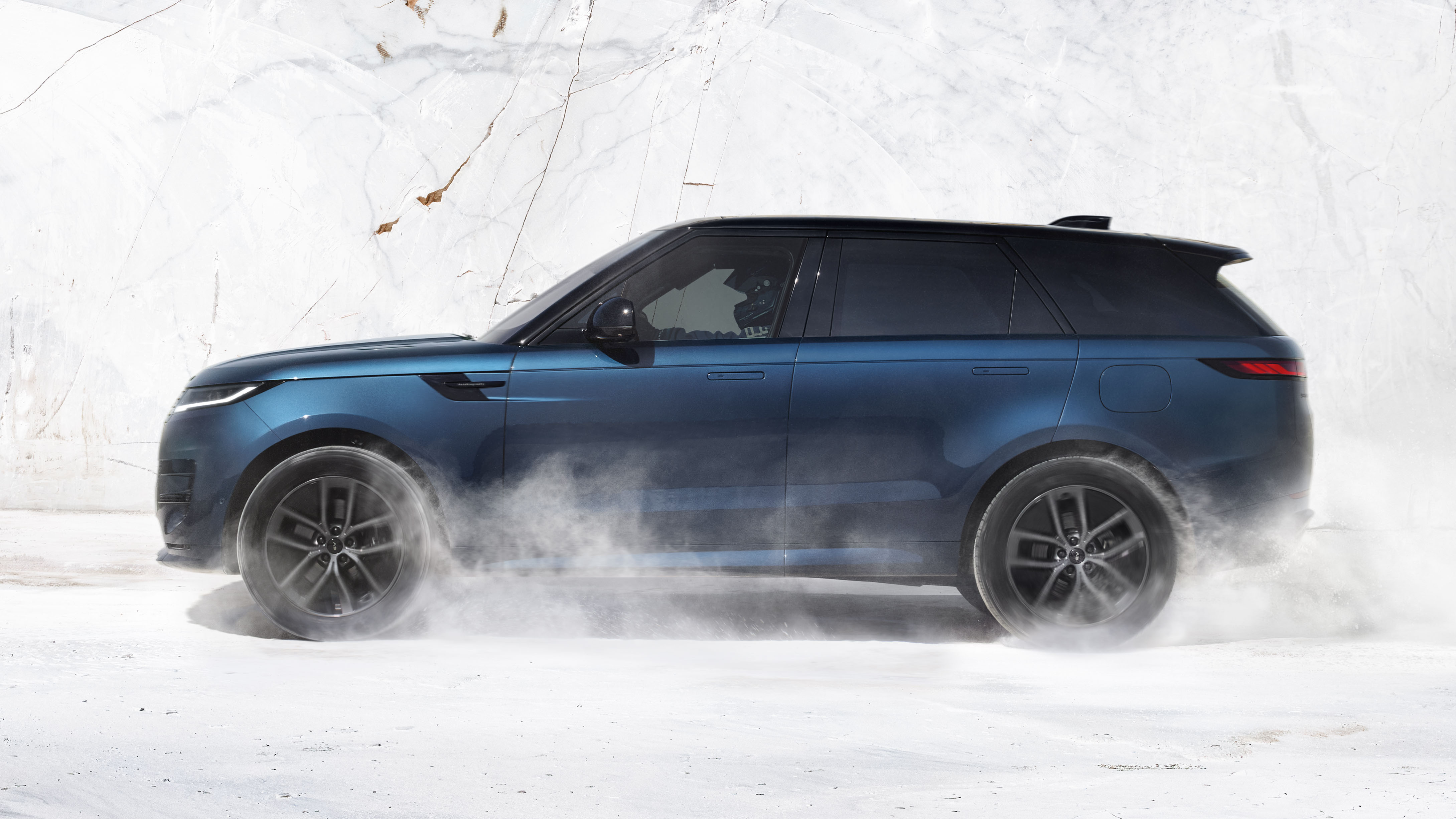
The Range Rover Sport Electric has a trickier job than the Range Rover Electric. The Range Rover's task is clear to everyone: tall, grand, imperious, standing alone among EVs. Whereas the cheaper Sport – £110k is cheaper, not cheap – has to deal with a swarm of rivals.
These two battery powered 4x4s feel different from one another to drive, for technical reasons I'll explain. But first know they share the same drivetrain. That's an overall output of 550bhp from a motor at each end. Both have a 118.5kWh (net) battery, and both run the same 800-volt electrical system so they can replenish that vast battery from 10-80 percent in just 22 minutes at a peak 350kW.
Advertisement - Page continues below
At 374 miles WLTP, the Sport squeezes an extra two entire miles of range versus its big brother.
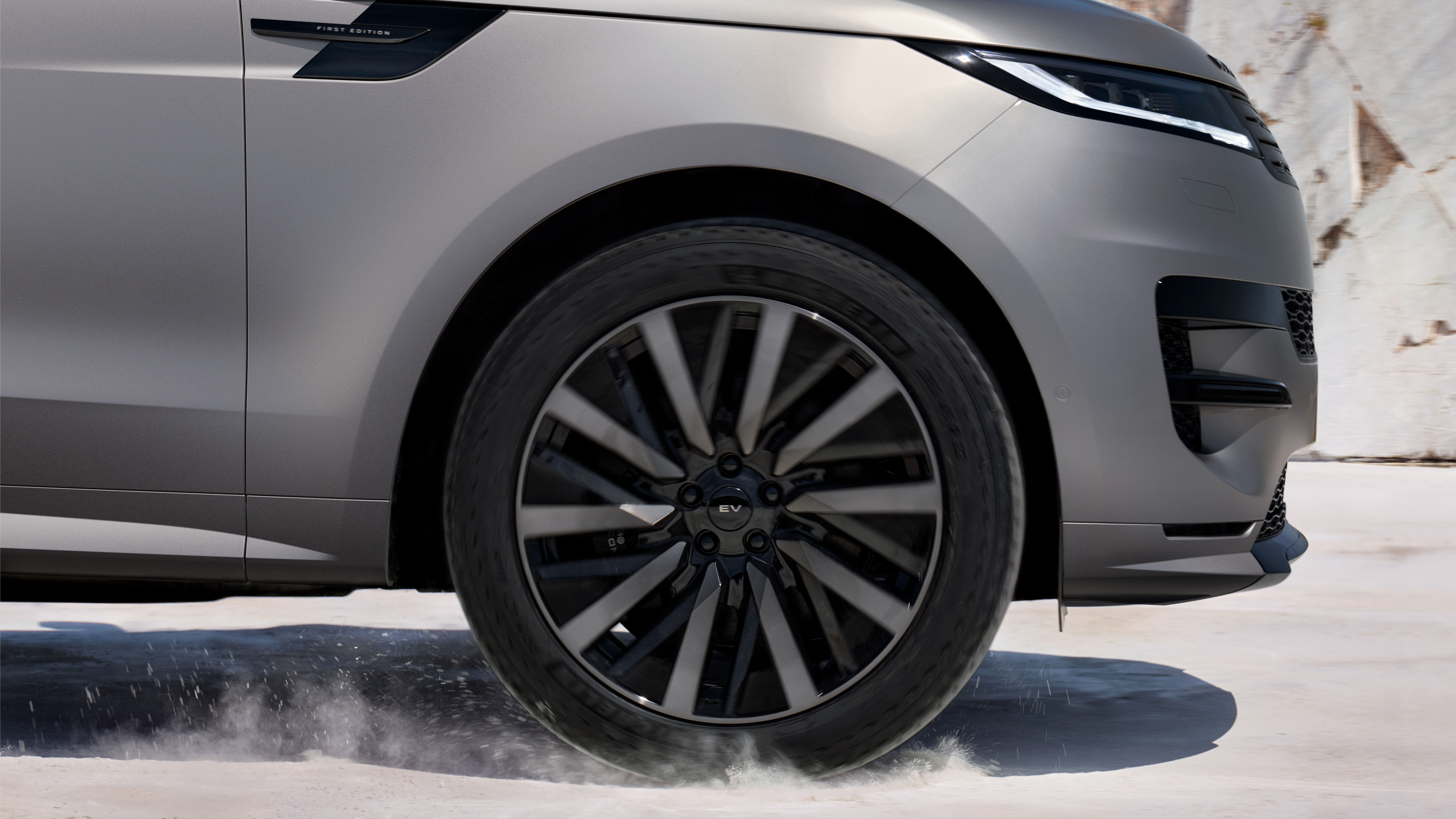
So to the differences. They're what give the two cars different characters to drive, and what make the Range Rover Sport match-fit to face the Porsche Cayenne Electric, spring 2027's BMW iX5, the Mercedes-AMG EQE 53 SUV, and – if you live where they sell it – the Cadillac Lyriq V.
In the switch to electric drive from combustion, the tall Range Rover has lost its active anti-roll system. The rationale is simple: a slab of battery keeps the centre of gravity lower, so the car is less inclined to heel anyway. Losing the system saves cost and weight and energy. But the RRS retains the anti-roll system.
Like the RR Electric, the RRS Electric has twin-chamber air springs, so the actual spring rate, as well as ride height, is controlled by its electronics. Remember, it also has adaptive dampers, and quick-acting front-rear active torque split, and four-wheel steering, and lateral torque vectoring by brakes. Plus the active anti-roll.
Advertisement - Page continues below
So you can see there's pretty vast scope for the car's brains to change the way it drives according to the circumstance, and the drive mode you've chosen.
On the road – OK, on JLR's test track at Gaydon as this is still a prototype – the RRS Electric always feels lower and more planted than the big Range Rover Electric, and it rolls less, even in the regular drive mode.
Amp it up to dynamic mode and it's not a cartoon-like change of behaviour, but certainly a useful and noticeable one. One you'd think worth using on a good road. The ride remains easily tolerable, but the steering gets firmer and the combination of firmed-up air springs and tauter damping give it a real sense it has its wits about it. Coming out of a bend with the accelerator buried, you feel the rear tyres hunkering down and taking their load.
The RRS Electric's powertrain modes and behaviour are very like the RR Electric's, although there are changes to cooling to make sure it's up for more sustained quick driving. You choose regeneration level via the screen not paddles (boo) but there is, on the drive selector lever, an S position. That means 'single pedal' rather than 'sport' but it does bring in some regeneration, and invokes the disc brakes to bring you to a nice smooth gentle stop.
Top Gear
Newsletter
Get all the latest news, reviews and exclusives, direct to your inbox.
We won't go over the details of battery, motors or high-voltage here, as they're the same as the Range Rover Electric's – a car we've detailed before.
We mentioned rivals. Some comparisons would help. We guess you don't hold these numbers in your head.
Range Rover Sport Electric: 550bhp, 374 miles, 118.5kWh
BMW iX5 60 xDrive: 578bhp, 525 miles, 141kWh
Porsche Cayenne S Electric: 666bhp, 405 miles, 108kWh
Cadillac Lyriq-V: 646bhp, 294 miles, 102kWh
Mercedes-AMG EQE SUV 53 4Matic+: 625bhp, 279 miles, 90kWh
Trending this week
- Car Review
Mercedes-Benz GLC Coupe