HYUNDAI
99kW Premium 61kWh 5dr Auto
£27,380
Keen pricing, good packaging and design, big boot, decent dynamics
It’s dark in the back… very dark, central screen is too busy, sportiest N Line version is weirdly the slowest
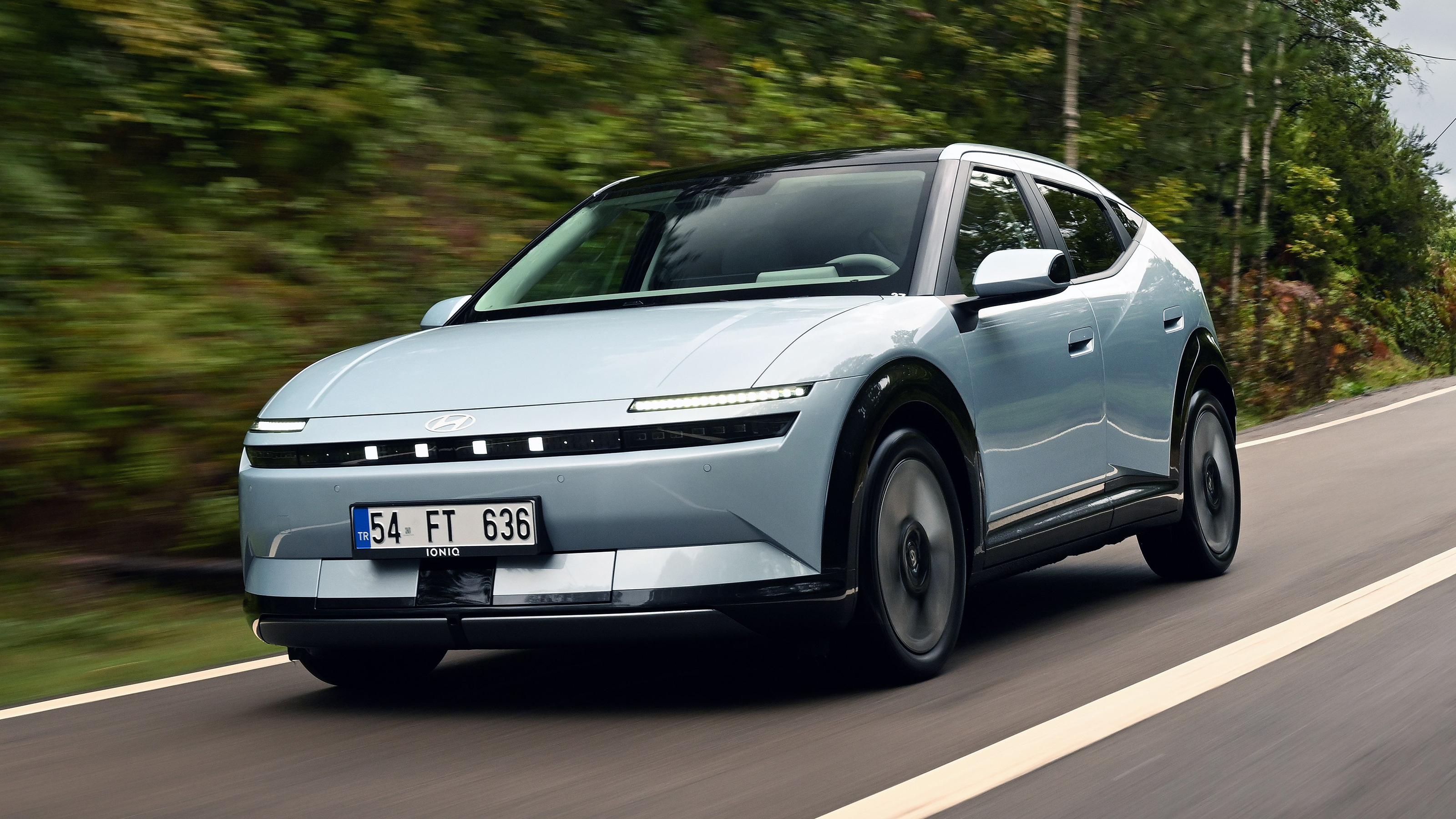
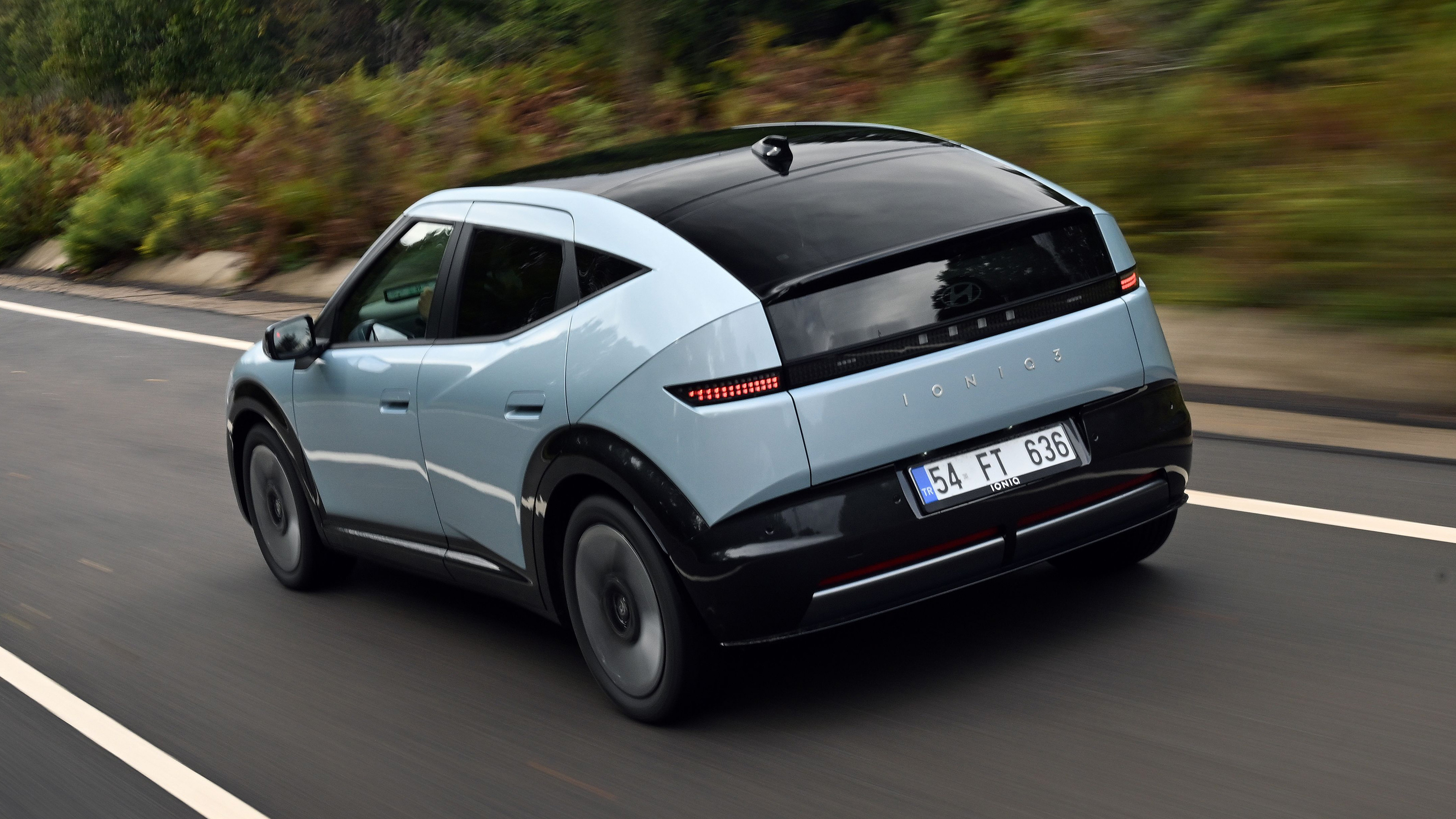
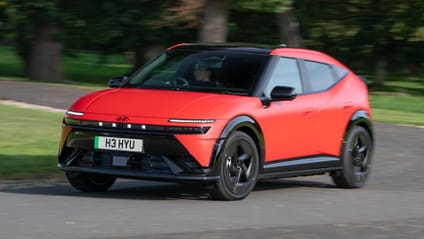
A small electric Hyundai. Junior to the Ioniq 5, big brother to the Inster and owner, as we’ve come to expect from Hyundai, of some suitably striking bodywork. That also happens to remind us of an 80s Honda CRX. Hyundai calls it an Aero Hatch, the rest of us would point out it’s got the same roofline as a coupe SUV, likely with the same resulting impact on practicality.
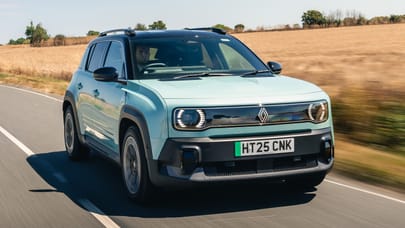
Happily no. It’s probably got one of the biggest boots in its class, but we’ll talk about that more fully later. What we’d like to bring your attention to right now are the basics. It’s a single motor, front drive, supermini-sized electric car, designed to do battle with everything else that’s compact enough to call town home, yet big enough to cope outside. Think Renault 5 and Cupra Raval up to Volvo EX30.
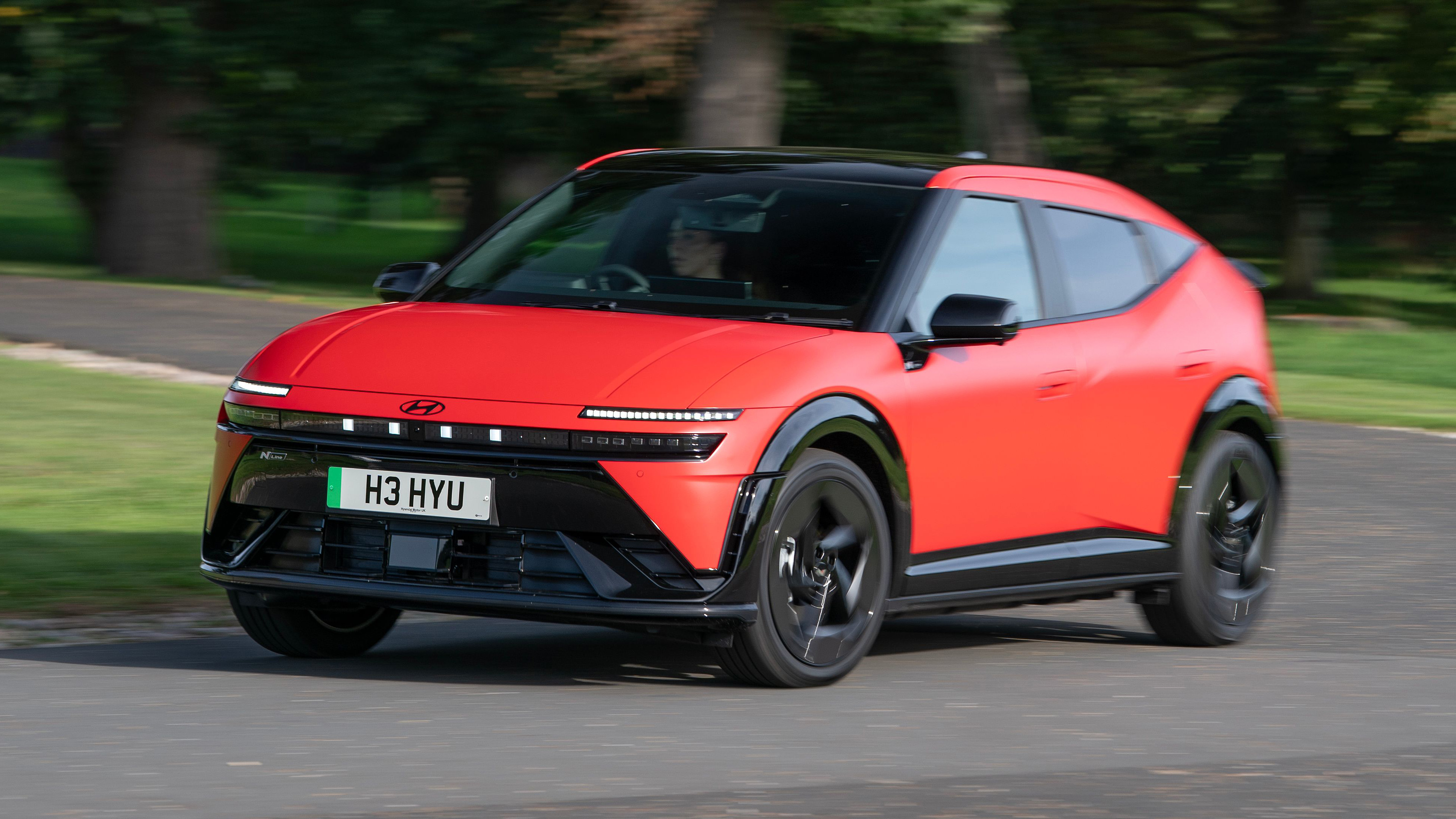
There’s a choice of two battery sizes, 42kWh or 61kWh (largely pointless since Hyundai says 95 per cent of Brit buyers have the big one, despite it being £3,500 more), with the smaller battery enjoying a slight power advantage (145bhp plays 134). Unusual. And because it’s that bit lighter, the base model is a better sprinter (8.8 seconds to 62mph vs 9.5) and leaves us in the odd position where the sportiest, top spec N Line version is actually the slowest car in the range (more kit and aero drag adding a further tenth).
It won’t surprise you to learn the car industry is a tough place right now and with heavy competition inbound from China, car firms need to make sure they can build cars for the right price.
Profit margins are better on bigger, more expensive cars, hence why early EVs were all big SUVs, then we had mid-size stuff – the Ioniq 5 first appeared back in 2021 – and once the economies of scale had been, er, scaled and the profit margins marginalised, we started seeing supermini EVs from the big players.
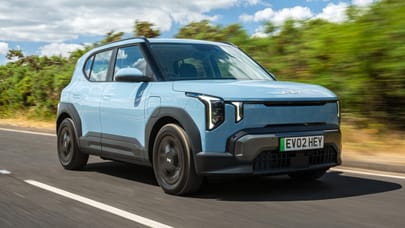
Underneath this shares a lot with the Kia EV2 that appeared a few months back and – oddly – is notably more expensive than the Ioniq 3. Because this car’s trump card is value for money. Prices run from £22,245 to £31,945.
Ah, but that’s before the Electric Car Grant is applied. This is now applied at two levels depending not only on how clean and green your car is, but how clean and green your factory and entire production process is. Band Two gives you a £1,500 discount, Band One gets you £3,750 off – and all Ioniq 3s fall into that latter camp, which means prices actually start at £18,495 for the 42kWh Advance.
Correct. They basically spend the money the grant has saved them on the bigger battery for a range of 308 miles instead of 213. But there is an option you might want to add: the £1,250 EV Pack which adds a heat pump for winter efficiency and V2L (vehicle to load) charging, allowing you to use your Ioniq 3 as a battery for your house. Or campsite.
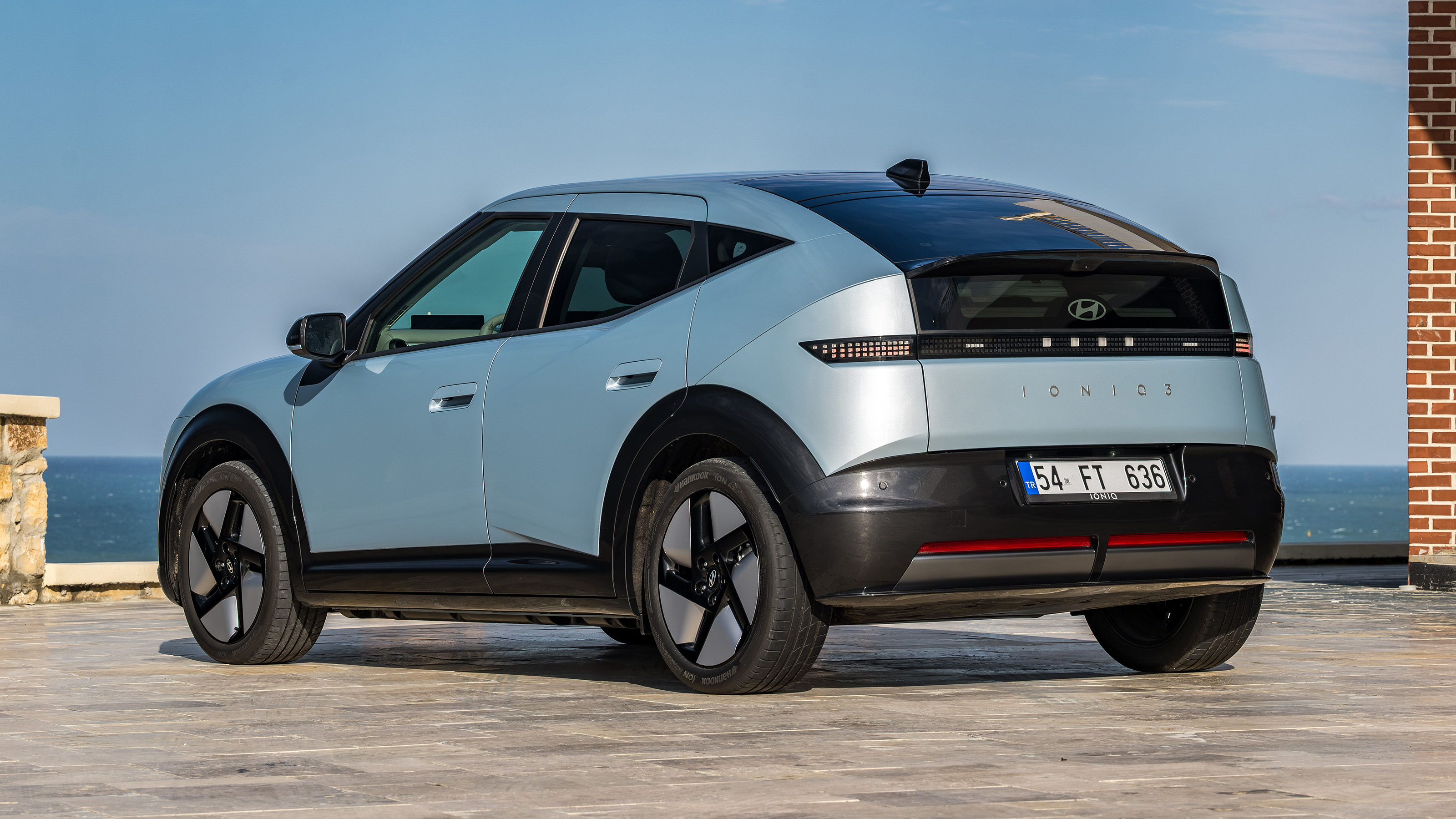
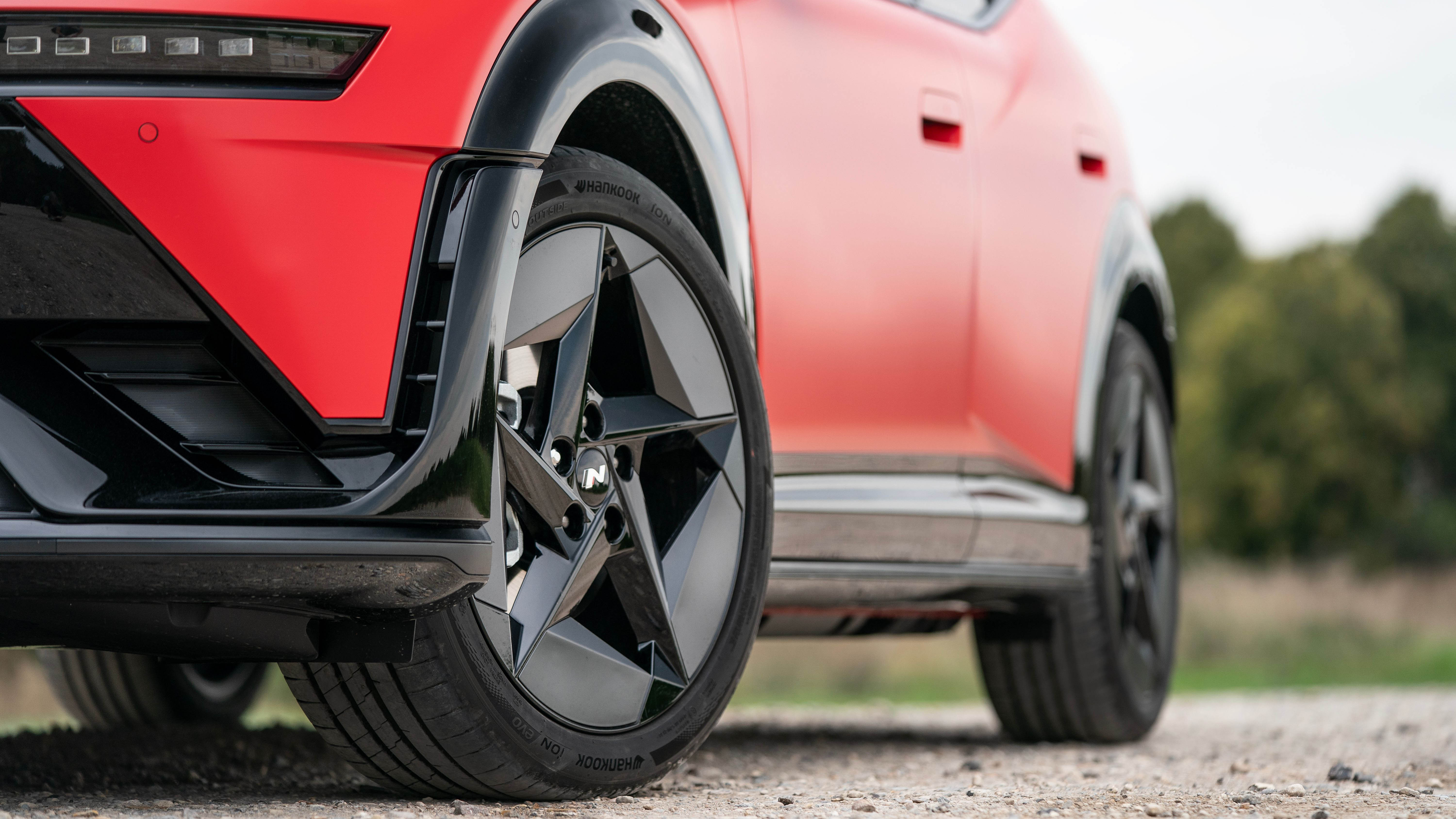
It’s got the same flattened, sloping bonnet. Hyundai refers to this design influence as ‘Art of Steel’. They’ve managed to make steel sound like a fashionable, high tech material. This is called creative marketing. As ever with these Ioniqs it’s a bold shape, with interesting lines in unusual places, plus little signatures such as the pixel lighting. Top spec ones look good. Entry ones on little wheels look gawky.
It’s a sensible size, too. 250mm longer than the Renault 5 at 4,170mm, all of which has been inserted into the rear seats and boot. The more natural rival is probably the Renault 4, which puts the focus more on practicality. But as you may have guessed from those upswept panels across the rear doors, the Ioniq is dark for those confined to the back seats. And a little cramped. We’ll go into more detail on that on the Interior tab.
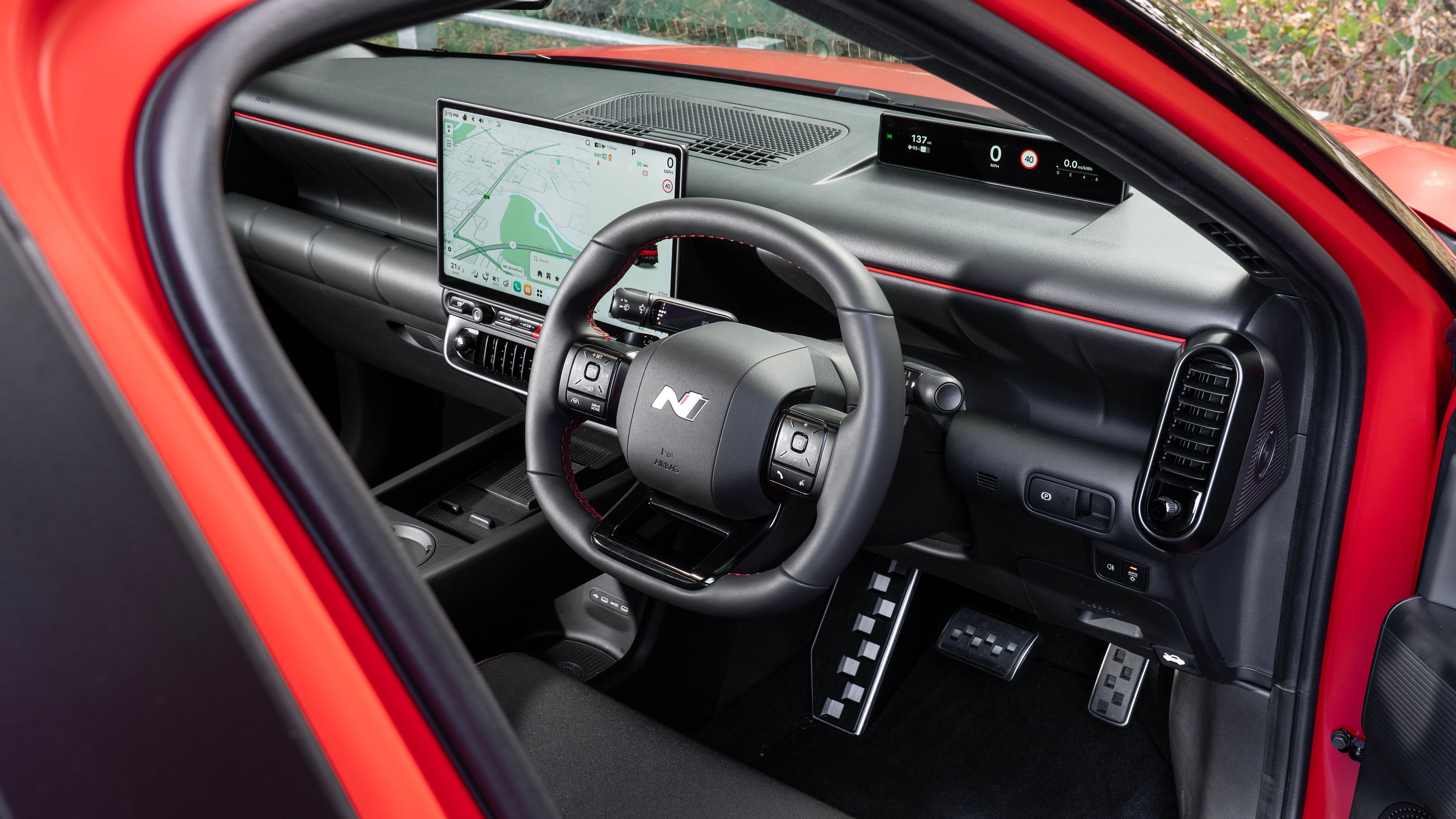
A few scratchy plastics that are evidence of Hyundai’s cost cutting, but otherwise you’re going to feel you’ve got good value for money. True, the lower models get smaller central screens and no display ahead of the driver, but all have good driving positions, decent seats, terrible rear visibility and enough physical controls that you’re not forever in the touchscreen.
Which is just as well, because when you do use it you find yourself stabilising your prodding finger by resting your other digits on the panel directly below. Which is to say the heating controls and – smack in the middle – the hazard warning lights. We set them off several times.
We’ll go into more detail on this in the Driving tab, but the news is good. For a small car it drives with real maturity. It’s quiet and calm, and shows Hyundai has made real progress from its earlier EVs. It’s settled rather than sparky though, not as zesty as a Renault 5 for instance.
We’ve talked a bit about the Renault already – only right since it’s our current class benchmark. This is bigger, more grown up and makes a strong case if you need a bit more space.
Others to consider include the Kia EV2 which is largely identical to this underneath, but as we said earlier is roughly £2-3 more expensive model for model. Which makes choosing the Hyundai a no-brainer, assuming Kia doesn’t do a course correction on pricing very soon. And assuming you’re OK with Hyundai’s Aero Hatch rather than Kia’s Urban SUV. In terms of height there’s less than two fingers width between them.
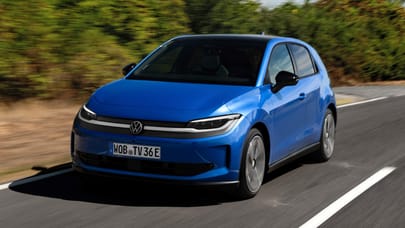
The Volvo EX30 is a lovely piece of slick design, and way more potent, but you’ll pay for the privilege. And soon get frustrated by ploughing into the screen to adjust the steering wheel, mirror position and everything else. The VW ID. Polo, Skoda Epiq and Cupra Raval are spearheading VW Group’s electric supermini attack. The Cupra drives pretty well and there’s a quick one, but it suffers from not getting the full EV grant.
This is what we really want to know isn’t it? No word yet, but this chassis, both in terms of its size and the basics of how it already drives, would really suit further dynamic development. It’s a very similar footprint to the i20N even if the roofline is 100mm higher and at 1,550kg, it’s over 300kg heavier. Nothing a second motor and some N Grin mode shenanigans couldn’t sort out.
A couple of years ago there were very few electric superminis, but now the field is busier with more talent on display. But few are as talented as this. It’s a cheap car that doesn’t feel it, a small car with real practicality, an urban specialist that drives with a bit of dash. In the family tussle between Hyundai and Kia the momentum seems to have been with Kia recently, but the Ioniq 3 helps restore balance.
We’re used to Hyundai’s design-led Ioniqs commanding a premium, but on this evidence that’s no longer the case – the value for money on offer here is nothing short of exceptional. Provided the government doesn’t pull the rug out from under the Electric Car Grant anytime soon. Which, if Hyundai sells too many of these, it might.
Whatever happens in that area, this will always be a well executed and capable car that ought to convert more people to electric. It deserves to: rear visibility might be slightly compromised and the central screen a little busy, but it’s imaginative, bold and drives simply, cleanly and smoothly.
Get all the latest news, reviews and exclusives, direct to your inbox.